
MoCA unveils 2nd phase of FTO ranking
 MoCA representative Image
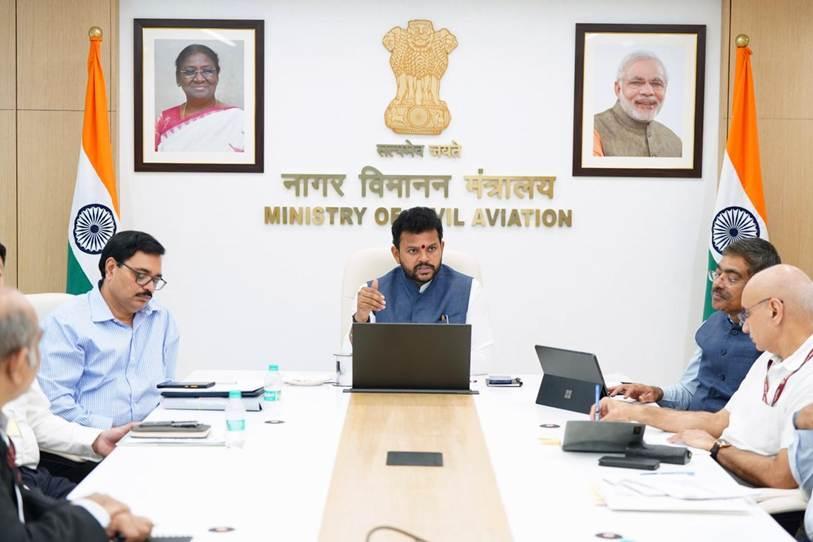
In the last 18 months, six new FTOs have been permitted and six more are in the pipeline: Minister Naidu.
The Ministry of Civil Aviation (MoCA), led by Minister Ram Mohan Naidu, has released the second phase (April 2026) ranking of Directorate General of Civil Aviation (DGCA) Approved Flying Training Organisations (FTOs). This data-driven ranking system, first introduced in October 2025, is a key reform aimed at strengthening training standards, enhancing safety, and promoting accountability across India’s pilot training institutions. This data-driven framework ensures objective comparison and continuous monitoring of FTO performance.
Sharing his vision on the occasion, Minister Naidu said, “My core objective in introducing an FTO ranking system in the country is to make pilot training more transparent and flying a more attractive career option for the youth. Based on my interactions with aspiring cadets and their families, the idea was to institutionalise a system that brings clarity and conviction to their decision-making.”
Highlighting the growing opportunities in the sector, Minister Naidu said, “In the next 5 years, India’s aviation landscape will be leaping ahead with 50 more airports, Indian carriers inducting around 500 more aircraft and major Indian airports evolving into transit hubs through our Hub & Spoke Policy. Then with the historic outlay of INR 29,000 crores through Modified UDAN, there is a lot of scope for regional connectivity as well. So, Indian youth who are deeply passionate about aviation have a significant career opportunity, with an estimated requirement of nearly 30,000 additional pilots over the next decade.”
Since the implementation of the ranking system, India’s aviation training ecosystem has seen measurable improvements including Increase in Training Flying Hours from 32% to 50%, Expansion of Aircraft Fleet at FTOs and Improved Training Efficiency enabling reduction in time taken by cadets to complete flying requirements for obtaining CPL.
Talking about broader measures taken for pilot training in the country, the Minister Naidu shared, “The bigger objective is twofold. First, to enhance the global competitiveness of Indian FTOs by encouraging them to align with international benchmarks. Second, to promote self-reliance in pilot training with a call for ‘Train in India, Fly in India’.”
Multiple structural measures have been implemented to support this goal, including liberalising the FTO policy, abolishing airport royalties, and rationalising land rentals. Furthermore, DGCA has completely digitised the CPL examinations process, and the landmark Bharatiya Vayuyan Adhiniyam now provides a single-window clearance for both CPL and RTR licenses, significantly promoting ease of doing business.
Sharing the progress, Minister Naidu stated, “With several encouraging interventions in flying training, the number of CPLs issued has increased by more than 2.5 times over the last eight years, with record numbers in 2024 and 2025. In the last 18 months, six new FTOs have been permitted and six more are in the pipeline.”