
Malta crosses 4 mn visitors; tourism contributed 16.9% to GDP; PM calls for shift from volume to value
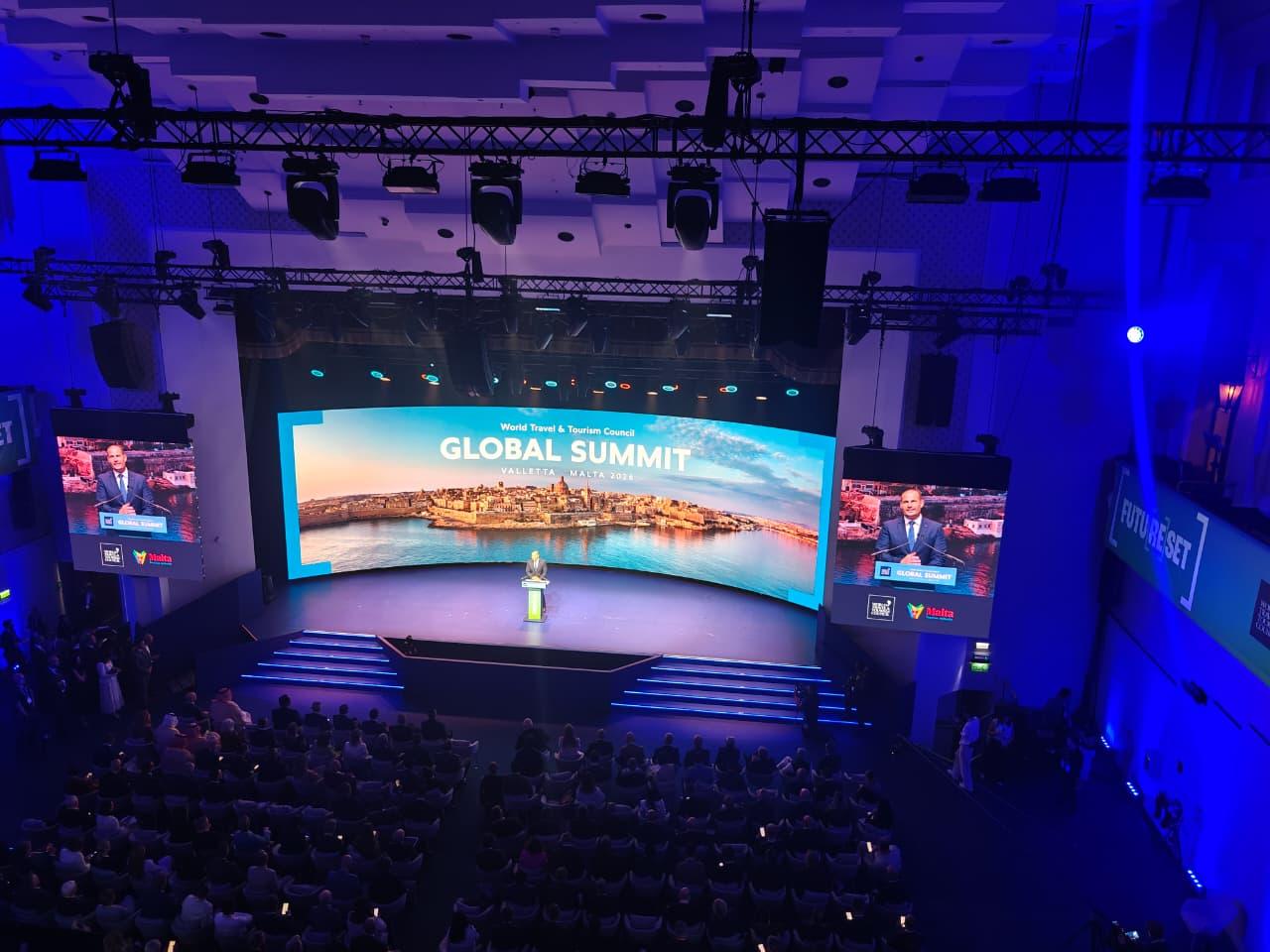 Prime Minister of Malta Robert Abela at WTTC Summit in Valletta
For 2026, Malta is expecting visitor numbers to approach five million. In the first half of the year, arrivals from the European Union rose 18%, while non-EU arrivals rose 20%. Tourism had already generated USD 2.3 billion for the economy during the period, including around EUR 600 million from the UK market alone. The latest figures were shared on the backdrop of the ongoing WTTC Global Summit in Valletta.
The island nation welcomed more than four million visitors last year and generated EUR 3.9 billion in tourism spending, while the Malta government actively looks to shift its focus from visitor volumes to higher-value, year-round and sustainable tourism.
Speaking during the opening ceremony of the WTTC Global Summit in Valletta, Malta’s Prime Minister Robert Abela said the country had continued its strong tourism momentum, with more than 3.1 million visitors arriving in the first 8 months of this year and generating almost EUR 3 billion in revenue.
For a country of Malta’s size, the numbers underline the outsized role tourism plays in its economy, he said. WTTC research cited by Abela puts the contribution of travel and tourism at approximately 17% (at 16.9%) of Malta’s GDP, significantly above the European average.
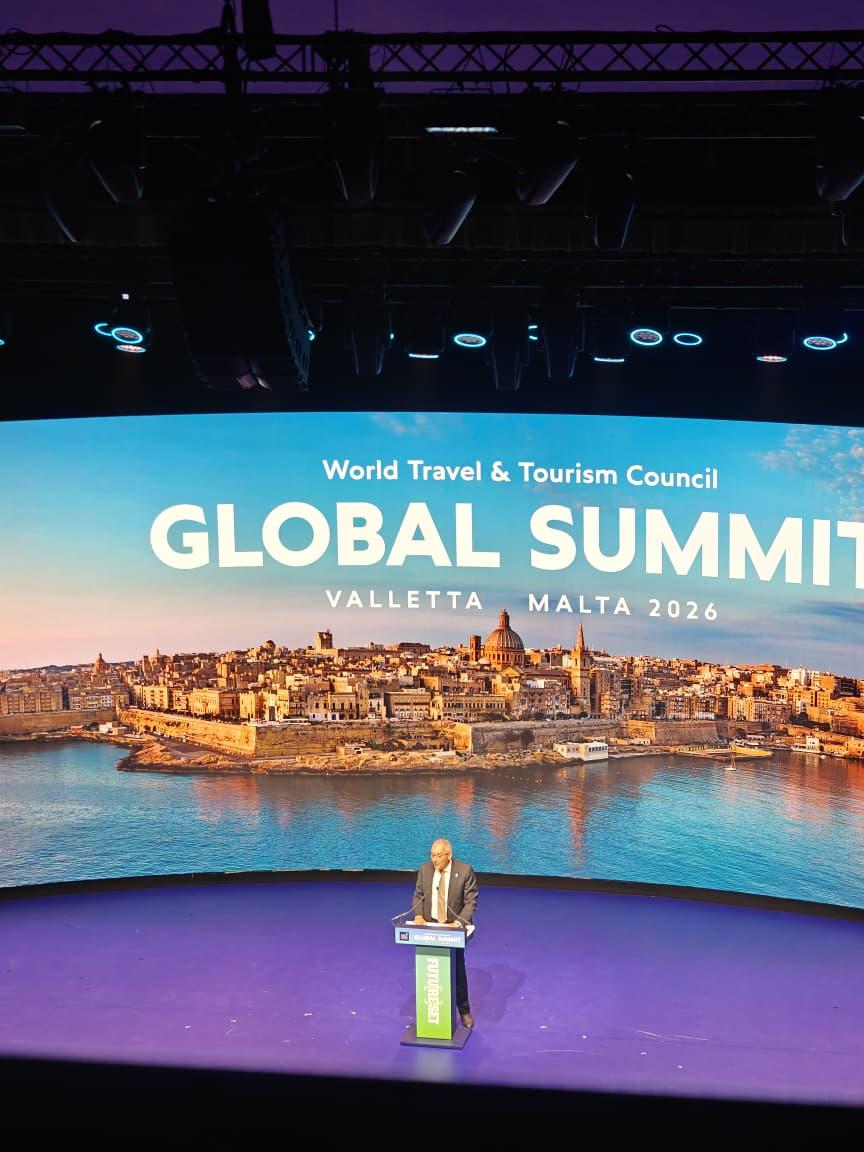
“Tourism in Malta is performing very strongly. These extraordinary figures are the result of the confidence that travellers have in Malta. And the work being done by thousands of people every day across our tourism sector,” Abela said.
For 2026, Malta is expecting visitor numbers to approach five million, according to Tourism Minister Jo Etienne Abela. “In the first half of the year, arrivals from the European Union were up 18%, while non-EU arrivals increased by 20%. Tourism had already generated USD 2.3 billion for the economy during the period, including around EUR 600 million from the UK market alone.”
The UK remains Malta’s biggest source market, followed by Italy, Poland, France and Spain. At the same time, the destination is seeing strong growth from longer-haul markets, with Australian arrivals up 19%, US and Canadian visitors up 50%, and Chinese arrivals increasing by around 79%, he said.
“Connectivity remains central to that growth. Malta International Airport handles more than 11 million travellers a year. Connectivity has been a major asset built through public-private cooperation and a key driver of the island’s tourism development,” the tourism minister said.
Value over volume
Both the PM & Tourism Minister also used the platform to make a broader point: Malta does not want to measure the success of tourism simply by counting arrivals.
“Our success cannot be measured by numbers alone,” the Prime Minister shared, arguing that the conversation around tourism must evolve alongside the traveller.
According to PM Abela, today’s traveller is looking beyond traditional sun-and-sea holidays and increasingly seeking authentic experiences, culture, gastronomy, heritage, wellness, events and meaningful interaction with local communities. Connectivity, technology and the environmental and social impact of travel choices are also becoming increasingly important.
The shift is already visible in Malta’s tourism strategy. “Traditionally associated with the summer season, the destination is positioning itself increasingly as a year-round tourism market, with a wider portfolio spanning cultural tourism, conferences and business travel, luxury, destination weddings, gastronomy, diving, wellness travel.”
The Prime Minister also linked the future of tourism directly to Malta’s wider economic and social ambitions under Malta Vision 2050, saying tourism must create lasting value not only for businesses and investors but also for workers, communities and residents.
He also cautioned that continued tourism growth would require more difficult questions to be asked — including how much value each visitor generates, what kind of jobs tourism creates, what investment it attracts and whether local communities are benefiting from the sector.
“Our objective must therefore be to attract visitors who value what Malta has to offer, who explore our culture and heritage, who support our restaurants and businesses and hotels, who visit throughout the year and who contribute more meaningfully to our economy,” he said.
Sustainability, he added, cannot sit outside the tourism growth agenda. At a time when destinations globally are grappling with the pressures created by tourism growth and climate change, Abela commented that Malta’s objective was not to choose between the interests of residents and visitors, but to ensure that the two move together.
He argued that quality of life and quality tourism must therefore develop “in parallel”. Notably, Malta also charges an Environmental Contribution fee (eco-tax) of about EUR 1.50 from all visitors aged 18 and older staying in commercial tourist accommodations/ hotels across the Maltese Islands.
At the end, the Prime Minister said the country needed better experiences, infrastructure, skills, employment, technology and an overall stronger tourism product. He also stressed that Malta’s small size could be an advantage in this transition, allowing government, industry and communities to work more closely and test new ideas more quickly.
The tourism minister echoed saying that “We must keep growing,” but the tourism expansion has to be balanced against the pressures of population, employment, human resources and the island’s fragile ecosystem. The next phase of growth, he said, will require Malta to “monitor and adapt”, particularly in the face of climate change.
Also speaking during the event, Deputy PM of Malta, Ian Borg, said, “Tourism is about selling an experience before visitors arrive. Malta’s responsibility is to deliver on the promise made to travellers through the quality of service and the experiences they take home.”
Borg also made a pitch to investors, positioning Malta’s heritage, intimate settings and distinctive experiences as the foundations for a higher-value tourism proposition. The government, he said, wants investment that improves quality, creates rewarding employment, supports local enterprises and respects the character of the islands.
For Malta, the next phase will also mean spreading tourism beyond the familiar landmarks and summer season. Borg called for greater diversification, new markets and more reasons for visitors to travel throughout the year, pointing to the country’s towns and villages, festas, churches, chapels, heritage and natural assets as part of a wider tourism proposition.
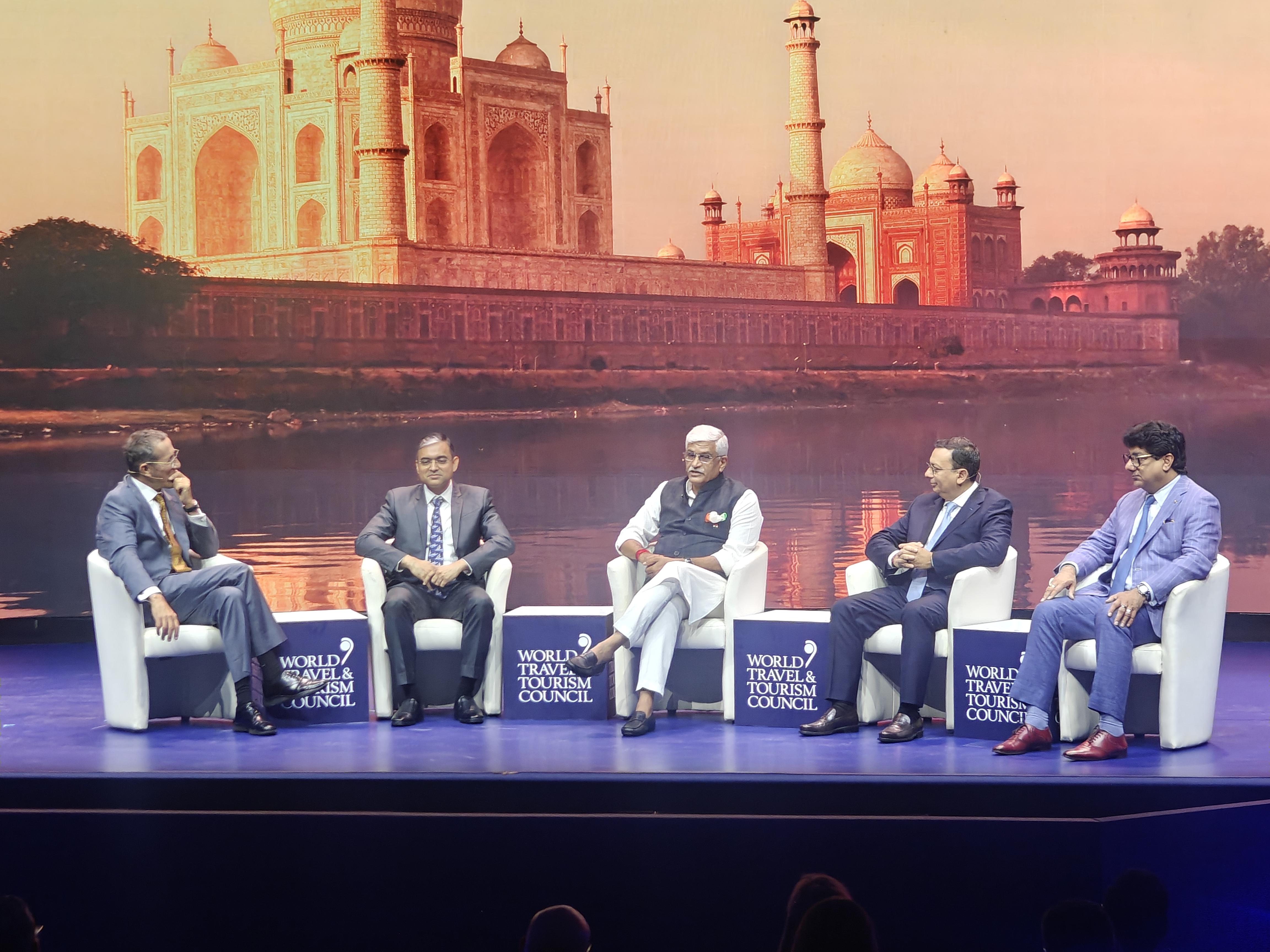
Throughout day 2, various other sessions were held, including a dedicated dialogue on India as a next global tourism destination. The panel was chaired by Union Tourism & Culture Minister Gajendra Singh Shekhawat; Puneet Chhatwal, MD & CEO, IHCL; Gaurav Bhatnagar, Co-Founder, TBO.com; Zubin Karkaria, Founder & CEO, VFS Global and the discussion was moderated by Richard Quest, Business Editor at Large, Anchor & Correspondent, CNN.