
ITTA eyes pan-India expansion & regulatory recognition under new leadership
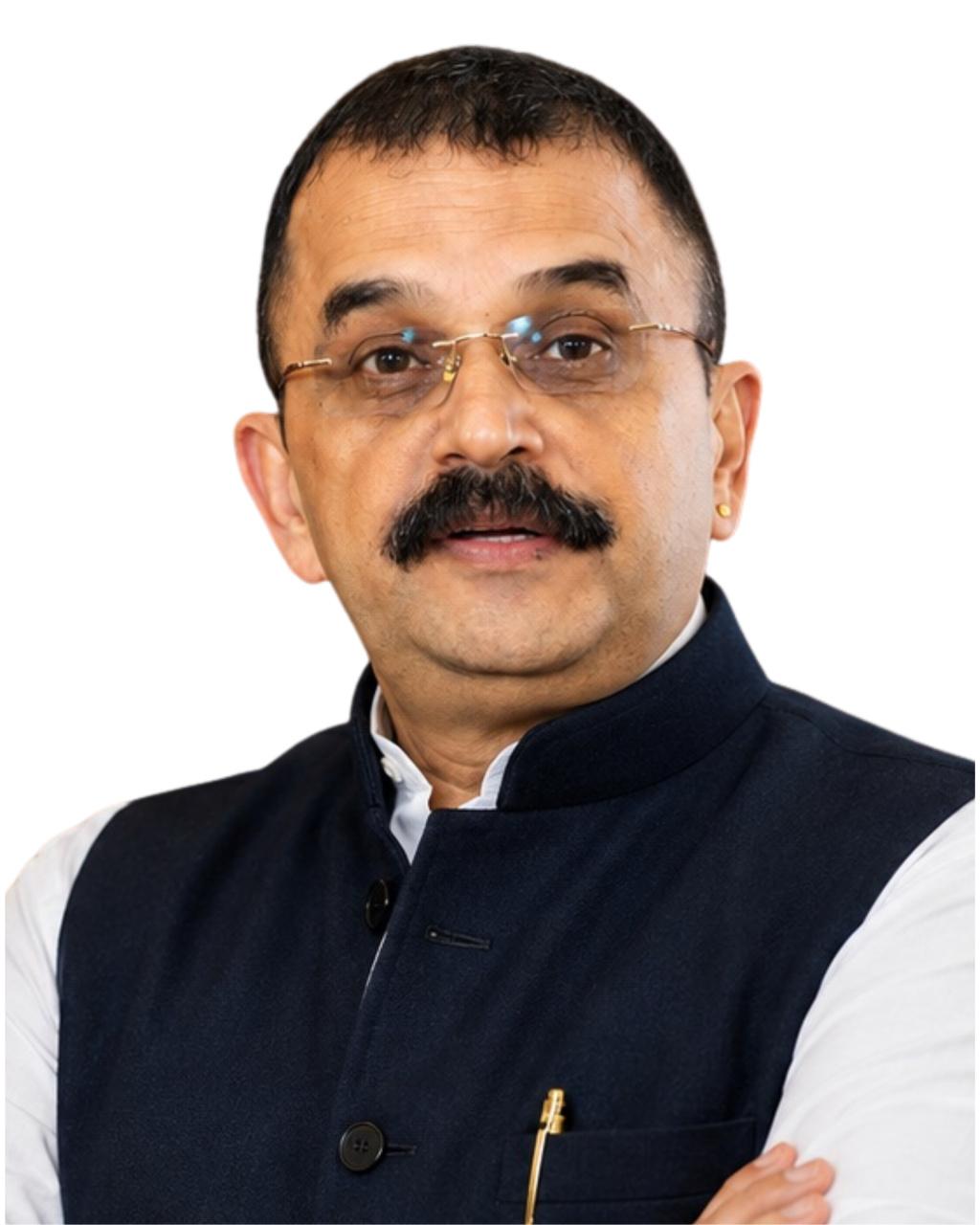 Satish Sehrawat, ITTA President
Strengthens national leadership structure through zonal chairmen and specialised committees while renewing its push for long-pending policy reforms for tourist transport operators.
The Indian Tourist Transporters Association (ITTA) has renewed its push for a dedicated regulatory framework for tourist transport operators, identifying the absence of a distinct classification as one of the sector's longest-standing challenges, even as it accelerates efforts to expand its footprint across the country.
The renewed advocacy comes as the association enters a new leadership phase following elections held on May 30, 2026, where the newly constituted Managing Committee will steer ITTA's activities for the 2026–2028 term, representing the interests of tourist transport operators nationwide and advancing the association's agenda of industry recognition, professionalisation and policy reform.
Speaking exclusively to T3, President Satish Sehrawat, having earned the trust of members for another term, outlines a bold vision centred around strengthening the sector's role in India's tourism growth story.

From Delhi-centric to Pan-India
Industry studies suggest that destinations with improved transport connectivity can witness tourism growth of up to 30% (Source: World Travel & Tourism Council). One of ITTA’s primary objectives over the next two years will be to expand its footprint across the country and strengthen its position as a truly national association.
According to Sehrawat, the association has already made significant progress in broadening its reach through regional engagement initiatives conducted in Agra, Mumbai, Udaipur and Ahmedabad, resulting in the addition of more than 120 members. “We will continue this momentum through membership drives, awareness programmes and skill-development seminars across the country, with our next regional meet planned in South India,” Sehrawat told T3.
The association believes a wider national presence will enable it to better represent the interests of tourist transport operators across different regions and tourism markets.
Bringing structure to an unorganised sector
A major pillar of ITTA’s strategy will be the formalisation and professionalisation of India’s tourist transport industry, which continues to operate largely as an unorganised sector despite its importance to tourism.
Sehrawat emphasised that ITTA represents tourist transport operators recognised by the Ministry of Tourism, Government of India, and is actively encouraging more businesses to obtain official approval.
“This not only promotes higher standards of service but also strengthens accountability, safety and security for travellers,” he said. He added that ITTA remains committed to supporting operators throughout the approval process, helping create a more organised and responsible industry.
Strengthening industry partnerships
Recognising that many challenges facing tourism require collective action, ITTA is seeking closer collaboration with other tourism associations and stakeholders.
“We believe that the tourist transport sector must be recognised as a critical pillar of India’s tourism ecosystem. We are working closely with other tourism industry associations to identify common concerns and opportunities for collaboration. Even though we have an umbrella body - FAITH to address larger issues, we believe this collaboration will help us advocate more effectively for policies and initiatives that support sustainable tourism growth,” he said.
To ensure effective implementation of its plans, ITTA has strengthened its organisational structure by appointing zonal chairmen across key regions and intends to expand this network further.
The association has also established specialised sub-committees focusing on transport and police coordination, membership growth, policy advocacy, skill development and industry relations, with regular oversight from the Managing Committee.
A long-standing demand for recognition
Despite the sector’s contribution to tourism, Sehrawat believes its biggest unresolved challenge remains the absence of a dedicated regulatory classification for tourist transport operators recognised by the Ministry of Tourism. For more than three decades, ITTA has been advocating for a separate category that reflects the unique nature of tourist transport operations.
“In the absence of such a classification, regulations meant for entirely different segments, such as three-wheelers, app-based aggregators, stage carriage services and point-to-point operators are often applied to tourist transport operators, resulting in compliance challenges,” he explained.
According to Sehrawat, addressing this issue will remain one of the association’s highest priorities during the current term. ITTA is currently engaging with senior officials from both the Ministry of Tourism and the Ministry of Road Transport & Highways (MoRTH) to advocate for a dedicated framework for approved tourist transport operators.
Uniform policy implementation
Another issue affecting operators is the inconsistent implementation of Central Motor Vehicle Rules and notifications issued by MoRTH. Although these regulations are designed to be uniformly applicable nationwide, gaps in awareness at the operational level often lead to confusion, penalties and disruptions.
Sehrawat said ITTA intends to work closely with State Transport Authorities (STAs) and Regional Transport Offices (RTOs) to improve awareness and promote more consistent enforcement practices across the country.
Calling for targeted policy support
Beyond regulatory reforms, ITTA is also advocating policy measures that can strengthen the industry’s long-term sustainability and competitiveness. Measures suggested like GST rationalisation, easier access to vehicle financing, subsidised funding mechanisms and simplified procedures for the registration and operation of tourist vehicles.
“The sector requires policy support in areas such as rationalisation of GST, easier and subsidized financing for vehicle purchases and streamlined procedures for registration and operation of tourist vehicles. These measures will strengthen the industry’s ability to contribute to tourism growth and employment generation,” Sehrawat noted.
Looking ahead, he remains optimistic about the sector’s future and the association’s role in shaping it. “With the continued support of the government, tourism stakeholders and our members, we are confident that ITTA can effectively address these challenges and help build a stronger, more organised and future-ready tourist transport sector,” he concluded.