
India's outbound travel heading for a reality check?
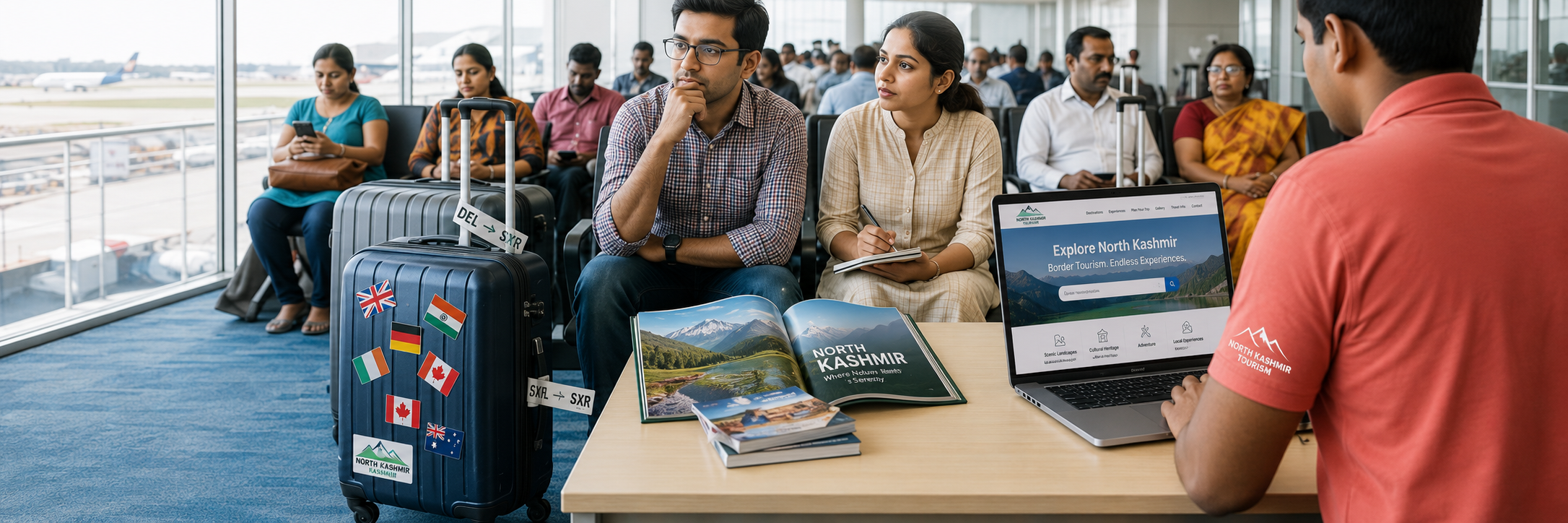 Representative Image
For decades, tourism has been viewed as one of the first casualties of geopolitical uncertainty. The current state of global geopolitical landscape and ongoing conflicts is resulting in continued airspace restrictions, longer flight durations, route cancellations, rising aviation fuel prices and an increasingly challenging cost environment. These forces now gaining stature in significantly influencing Indian traveller behaviour, moving beyond from the usual question where people are travelling, to whether travellers are willing to take on greater travel risks and spend more amid growing uncertainty?
As fresh geopolitical developments hit headlines across the globe, the travel industry once again finds itself navigating uncertainty and attempting to decode increasingly complex traveller sentiments. Having already borne the brunt of global disruptions during the pandemic years, travel businesses are closely watching how the latest developments could influence consumer confidence and demand.
For India, the timing is particularly significant. The country's travel growth story has gathered remarkable momentum over the past few years, establishing India as one of the world's most influential outbound source markets. Indian travellers are increasingly expected to contribute a larger share of future growth in global tourism.
The India outbound tourism market is projected to grow at a CAGR of 11.4% between 2026 and 2036, expanding from USD 23.4 billion in 2026 to USD 68.8 billion by 2036. Reports indicate that a strong recovery began after pandemic-related restrictions were lifted, with outbound departures surging by 152.62% in 2022. The market surpassed pre-pandemic levels in 2023, reaching 27.88 million departures, representing a year-on-year growth of 29.05%. The upward trajectory continued in 2024, with outbound travel touching 30.89 million departures, up 10.79% over the previous year.
According to the Ministry of Tourism's Annual Tourism Snapshot Report, 32.7 million Indians travelled abroad in 2025. The figure reflects not only the growing spending power of Indian travellers but also India's resilience and the country’s increasing importance in the global tourism ecosystem.
Yet, this rapidly expanding market is now confronting a combination of geopolitical uncertainty, rising travel costs and evolving policy signals. At the same time, comes Prime Minister Narendra Modi's recent appeal encouraging citizens to prioritise domestic tourism and avoid non-essential outbound travel for a year.
While the appeal aligns with broader efforts to strengthen local economies and retain tourism expenditure within India, it also comes at a time when international travel has become deeply embedded in the aspirations of India's growing middle-class and affluent travellers.
However, the immediate concern for the industry this time, is not whether Indians will stop travelling abroad altogether. Rather, it is how global uncertainty, rising travel costs and evolving policy priorities could influence the travel decisions.
Tourism stakeholders do not foresee a structural slowdown in outbound travel. Instead, many view the current environment as a temporary recalibration rather than a reversal of India's outbound growth story.
T3 spoke with the industry stakeholders to understand more on the current outbound scenario.
Himanshu Patil, Director, Kesari Tours
“As a nation-first organization, Kesari Tours wholeheartedly stands with PM Modi ji’s vision to strengthen local economies. However, we cannot overlook the immediate concern regarding outbound travel, as a sudden dip impacts thousands of specialized jobs and businesses across the industry. On the positive side, this appeal has massively spiked the curiosity of Indian travellers toward exploring domestic gems. Moving forward, we expect a balanced behavioural shift where travellers eagerly discover hidden Indian destinations, while the industry adapts to safeguard livelihoods by blending robust domestic portfolios with essential international travel.”
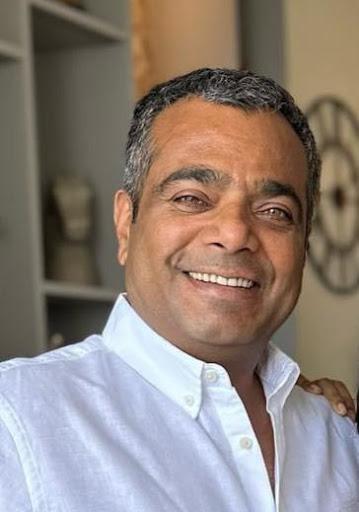
Himanshu Patil Shravan Bhalla, Director, Highflyer
“The travel industry was already seeing a decline in outbound travel due to fuel prices, sharp currency depreciation, geopolitical uncertainty especially during the travel peak season
As per my view this decline will remain for the next 2-4 months specially among the middle-class family, price sensitive travellers that can lead to shortened trips and shifting to domestic travel.
However, this is temporary and will likely resume strongly after this temporary sentiment phase. We will definitely see some change in booking patterns where travellers opt for refundable bookings than non-refundable booking . We will also see a short haul destination getting more travellers/more preference than a long-haul destination.”

Shravan Bhalla Harjit Singh, Founder & Chief of Guest Experience, Travel Twist
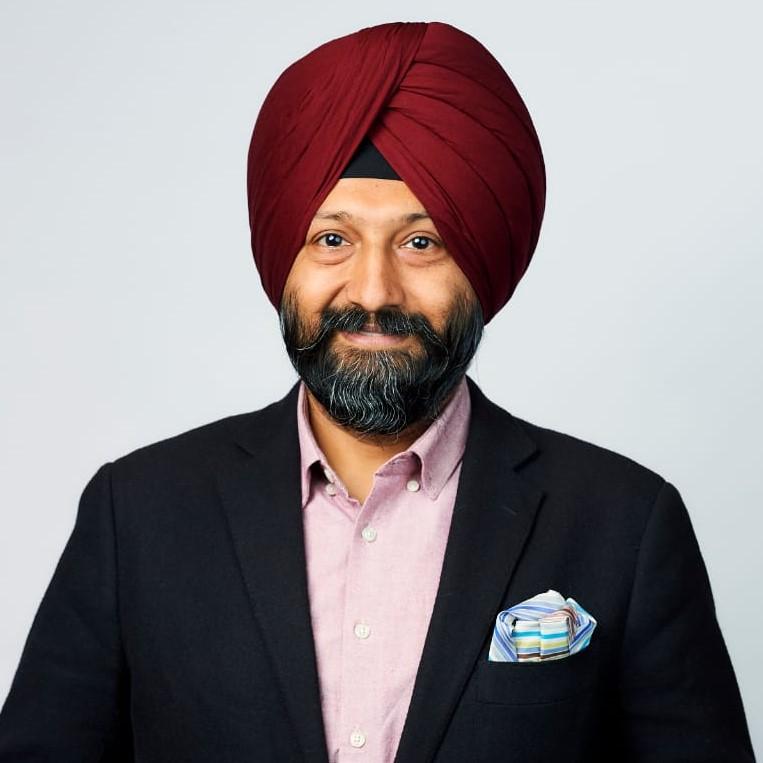
“PM Narendra Modi’s appeal encouraging Indians to avoid non-essential outbound travel for a year may have short-term psychological and commercial impacts on the travel and hospitality industry, particularly in the luxury and outbound segments. In the near term, it could influence discretionary international leisure travel, especially among sentiment-driven travellers. Destinations and hospitality brands dependent on Indian outbound MICE, weddings, and luxury travel may initially experience softer demand. However, Indian travellers today are globally aware, aspirational, and experience focused. Travel is increasingly linked to wellness, business, education, and cultural exposure. While the appeal may affect immediate sentiment, it is unlikely to alter India’s long-term outbound travel growth trajectory.”
Harjit Singh Adl Karim, Joint Managing Director, FlyCreative Online
“The PM’s appeal would definitely have an impact on outbound travel for sure, especially the leisure segment, but business travel and VFR travel will happen, which can’t be avoided. Outbound traffic to long haul sectors will reduce. People will prefer to take short vacations, which are cost effective and less risky. The overall sentiment will be to wait and watch, until the geopolitical situation de-escalates. Hope the govt does not put much attention to this industry, as it generates a lot of employment.”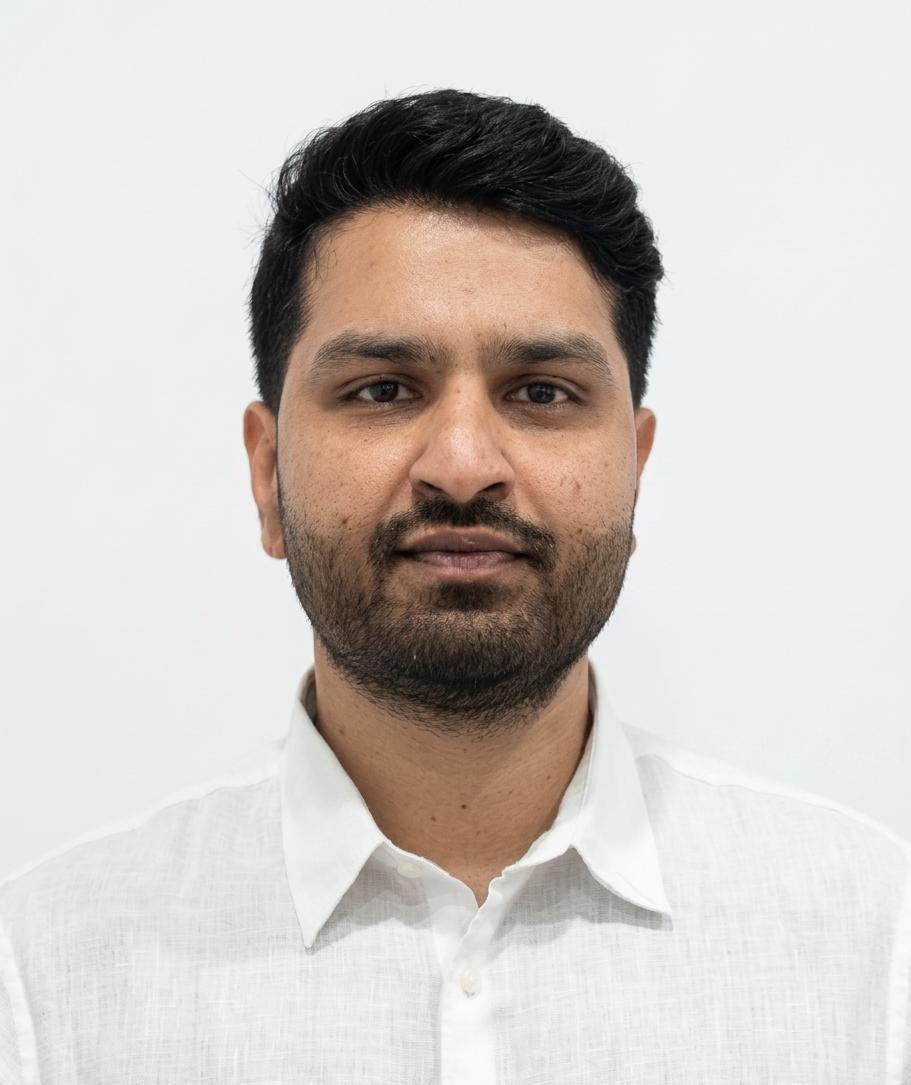
Adl Karim Neil Patil, Founder, CTO and COO, Veena World
“I have always been of the opinion that India’s domestic tourism carries a lot of potential. PM Modi’s appeal highlights an important opportunity to further the domestic tourism ecosystem, which has already seen remarkable growth over the last few years. Our country offers great diversity from culture and spirituality to wildlife, wellness, luxury, and adventure, and there is still immense untapped potential for Indians to explore their own country. At the same time, outbound travel has now become an aspirational and integral part of many Indian travellers’ lifestyles. I believe travellers will continue to balance both. In the coming months, we may see a stronger preference for meaningful domestic holidays, shorter getaways, and experiential travel, while outbound demand remains resilient over the long term.”
Neil Patil Jay Shah, Founder, JC Tours & Travels
“I believe travellers choose destinations based on value, convenience, infrastructure, and overall experience not obligation. India has immense tourism potential, but the focus should be on strengthening infrastructure, service standards, accessibility, and destination management rather than discouraging outbound travel. A major factor today is pricing there are times when domestic airfares within India are higher than international sectors to nearby destinations, making outbound travel more attractive from a value perspective. Travellers naturally compare total experience versus cost. PM Modi’s appeal may encourage discussion around domestic tourism, but long-term traveller behaviour will be driven by competitiveness, affordability, and quality. If India improves the overall tourism ecosystem, travellers will choose domestic holidays organically.”

Jay Shah