

Indian Railways gives a nod to Janakpur-Ayodhya weekly service; cross-border tourism to get a boost
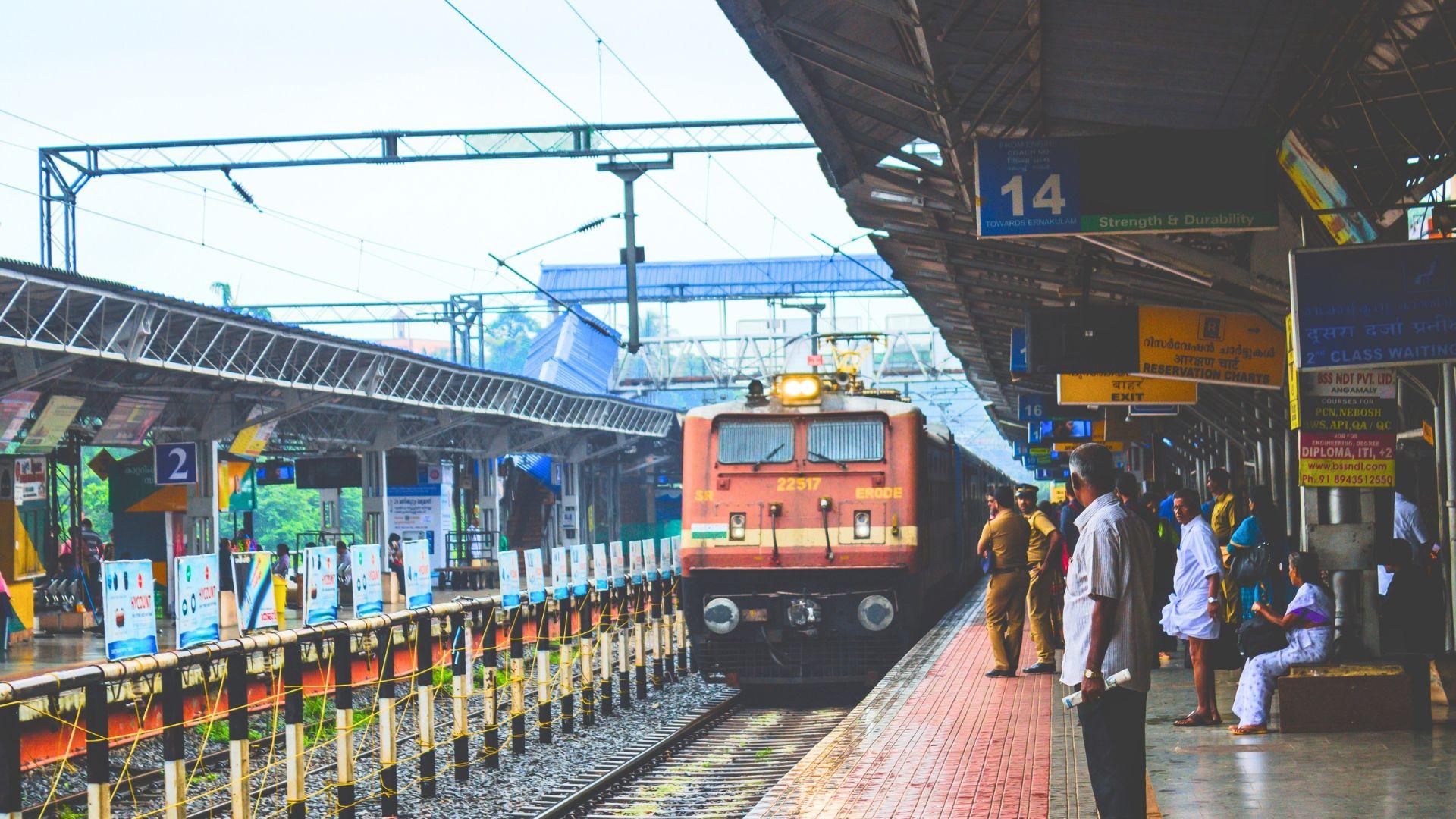 Representative Image (42)
The new rail link aims to facilitate religious journeys between Janakpur and Ayodhya, encourage tourism circuits associated with the Ramayana and provide greater mobility to people travelling for education, business and family-related purposes.
In a significant step to strengthen India-Nepal connectivity, Indian Railways has approved a new weekly train service between Janakpur Dham in Nepal and Ayodhya in Uttar Pradesh, India.
The service will establish an important rail link between two destinations and is expected to make cross-border travel more convenient for pilgrims, tourists and other passengers. It will facilitate religious journeys between Janakpur and Ayodhya, encourage Ramayana-related tourism circuits, and provide greater mobility for people travelling for education, business, and family purposes.
Covering approximately 604 kilometres, the weekly service will connect Janakpur Dham with Ayodhya Cantt., passing through several important towns and cities in Bihar and Uttar Pradesh. The train will have commercial stoppages at Jaynagar, Madhubani, Shisho, Sitamarhi, Raxaul, Narkatiaganj, Gorakhpur, Basti, Mankapur and Ayodhya Dham, besides its terminal stations.
The service will operate once a week, with its originating days being Saturday from Janakpur Dham and Monday from Ayodhya Cantt.
Improved rail access is also expected to benefit local economies along the route by creating opportunities for tourism operators, hospitality establishments, local traders and traditional artisans. For communities in the border regions of Bihar and Nepal, the service will offer an additional passenger transport option and strengthen economic and social linkages.
India and Nepal share centuries-old cultural, historical and social bonds, with religious traditions and cross-border community relationships forming an integral part of this partnership. The new train service will add another dimension to bilateral cooperation by using railway connectivity to bring communities closer.