

The 'Missing Link' in India’s MICE ambition
 Cover Image-6
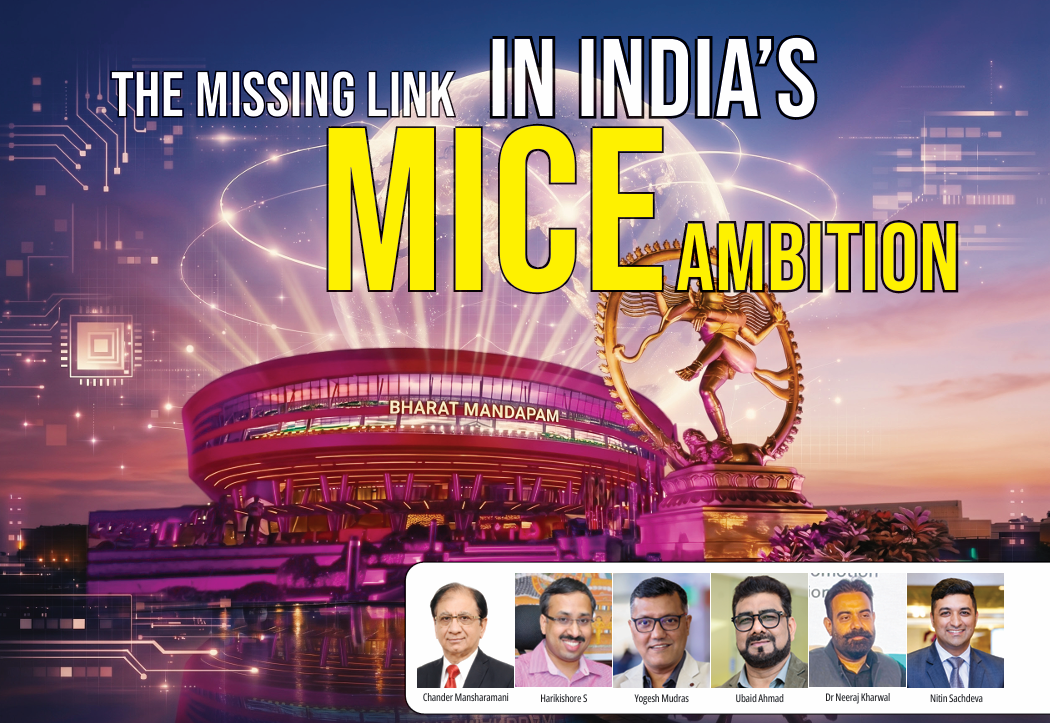
India has spent the last decade building the physical foundations of a global meetings destination. Convention centres, airports, hotels and connectivity have expanded rapidly, while destinations across the country are increasingly positioning themselves to attract international conferences, exhibitions and corporate events. The numbers reflect the momentum.
India’s MICE industry is valued at USD 49.4 billion in 2024 and is projected to grow to USD 103.7 billion by 2030, making it one of the fastest-growing segments of the country’s tourism and business events economy.
The opportunity is difficult to ignore. Asia-Pacific already accounts for 44% of the global MICE market, and India enjoys a significant cost advantage over many competing Asian destinations. Emerging cities such as Jaipur, Kochi, Indore and Bhubaneswar are broadening the country’s MICE footprint beyond the traditional metro markets, while new convention infrastructure is creating the capacity to host larger and more sophisticated international events.
Yet capacity alone has not translated into global leadership. Despite its expanding infrastructure, India continues to lose international bids to destinations such as Singapore, Dubai and Thailand, where policy support, professional convention bureaus, destination branding and government-industry coordination are often as important as the venues themselves. The gap is no longer about infrastructure; it is about positioning.
The question, therefore, is not whether India can host global business events. It is whether it can consistently attract them.
This is where the conversation around India’s MICE future becomes more strategic. Industry leaders and policymakers increasingly believe that the country’s biggest challenge is the absence of a unified destination marketing and bidding ecosystem. A coordinated national strategy, stronger convention bureaus, international bidding support, incentive frameworks, AI-enabled event capabilities and a globally consistent Brand India narrative are emerging as the critical pieces of the puzzle.
As India enters, what could be a defining decade for business events, the focus must shift from building convention centres to building globally competitive MICE destinations.
Why infrastructure is not enough?
India has made remarkable progress in developing world-class convention centres. Facilities such as Bharat Mandapam, Yashobhoomi, Jio World Convention Centre, Bangalore International Exhibition Centre and several state-supported convention centres have significantly enhanced the country’s ability to host global business events.
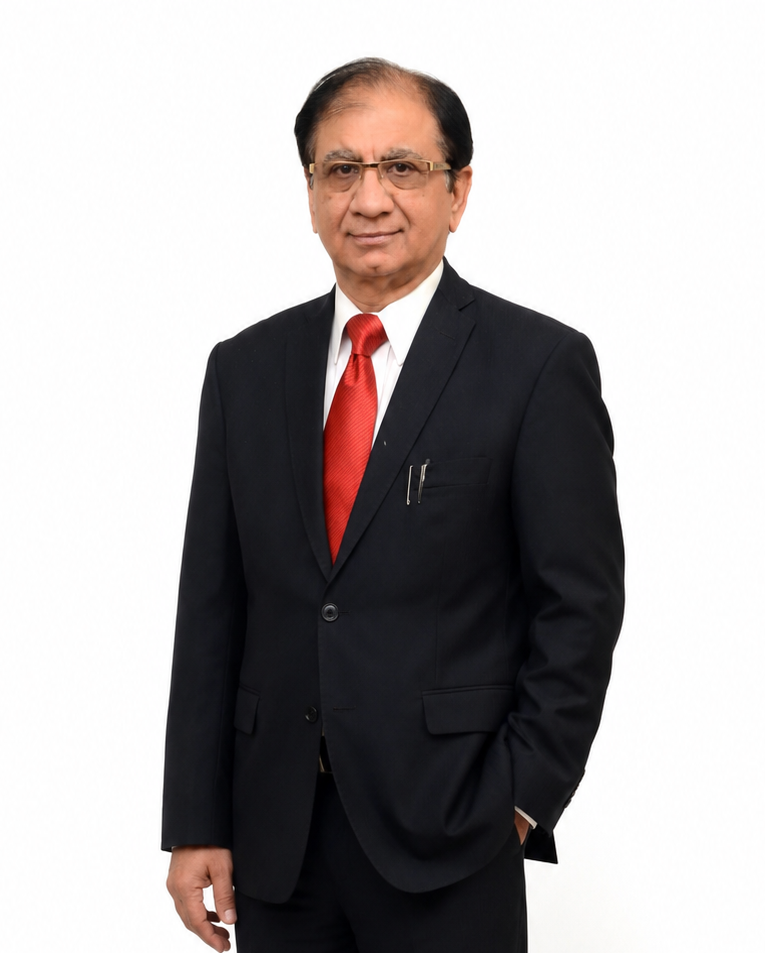
Chander Mansharamani, Vice Chairman, India Convention Promotion Bureau (ICPB), believes the missing link is a coordinated destination marketing and bidding ecosystem. “International associations choose destinations based not only on venues but also on policy support, ease of doing business, financial incentives, convention bureau assistance and destination visibility. Without a unified national strategy, India continues to lose opportunities despite its strong infrastructure,” he said.
This sentiment is echoed across the industry.
Ubaid Ahmad, Vice President, Indian Exhibition Industry Association (IEIA) and Governing Board Member, ICPB, said India has made remarkable progress in developing world-class convention and exhibition infrastructure. “Leading MICE destinations combine world-class venues with coordinated destination marketing, professional convention bidding, seamless visa and customs processes, excellent connectivity and close collaboration between government and industry,” he added.
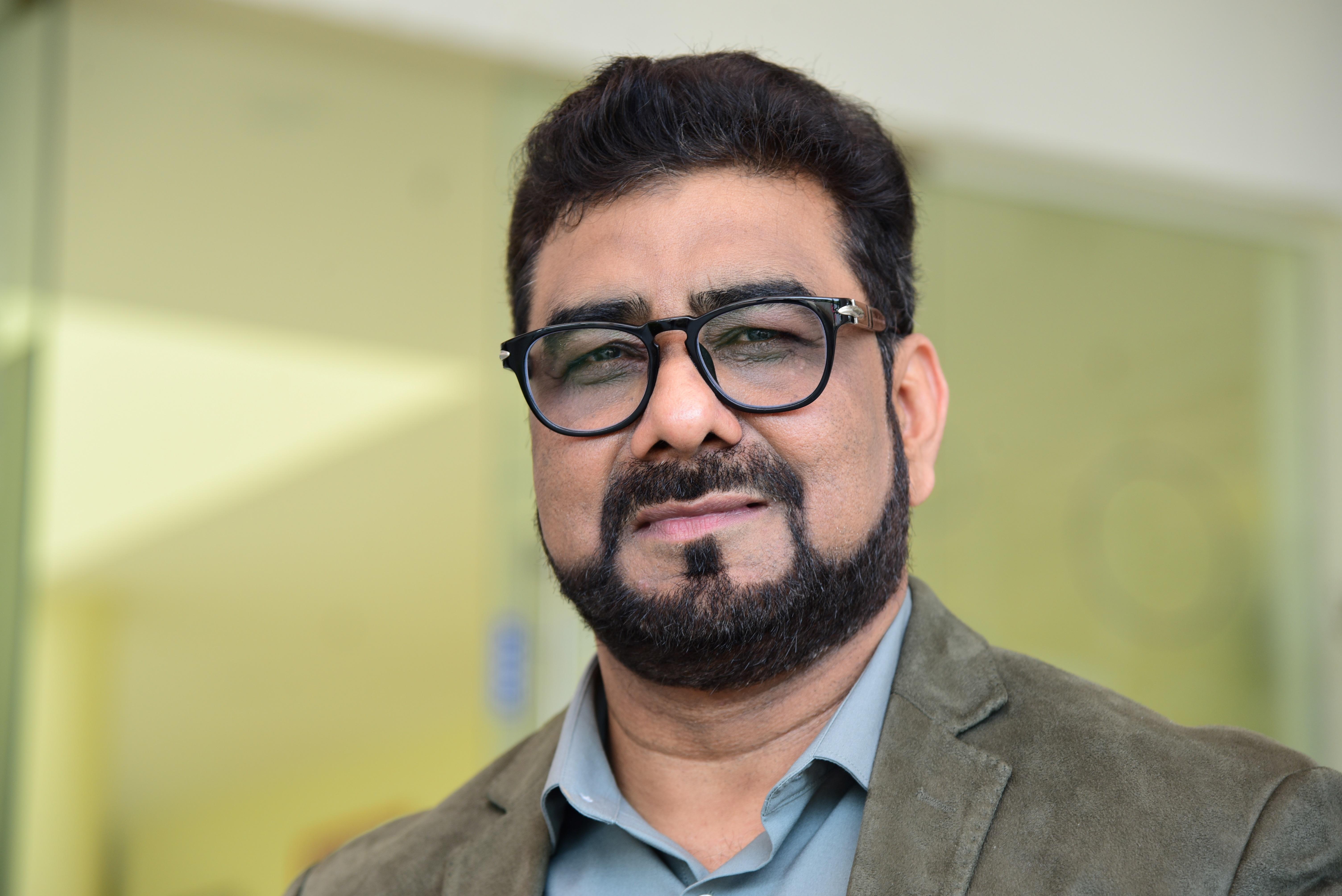
According to him, India has all the right fundamentals: a fast-growing economy, strong manufacturing and technology sectors, competitive costs and expanding aviation connectivity. “The next phase is to move from building convention centres to building globally competitive MICE destinations,” he said.
Bringing an organiser’s perspective to the discussion, Yogesh Mudras, Managing Director - India, inD, believes that infrastructure is no longer India’s primary challenge. “The discussion can no longer be about whether India has world-class facilities. It does,” he said.
According to him, the focus must now shift to how effectively India positions, promotes and bids for international events. Winning global conventions today requires a coordinated ecosystem comprising destination branding, professional convention bidding, policy support and strong industry-government collaboration.
“India has the building blocks firmly in place. The next phase is to align these strengths under a unified national strategy,” he added.
The missing link? Destination marketing & bidding support
For global organisers, destination selection is increasingly strategic. Competitive bids are often placed two to five years in advance, with governments, convention bureaus and industry partners working together to secure major international events.
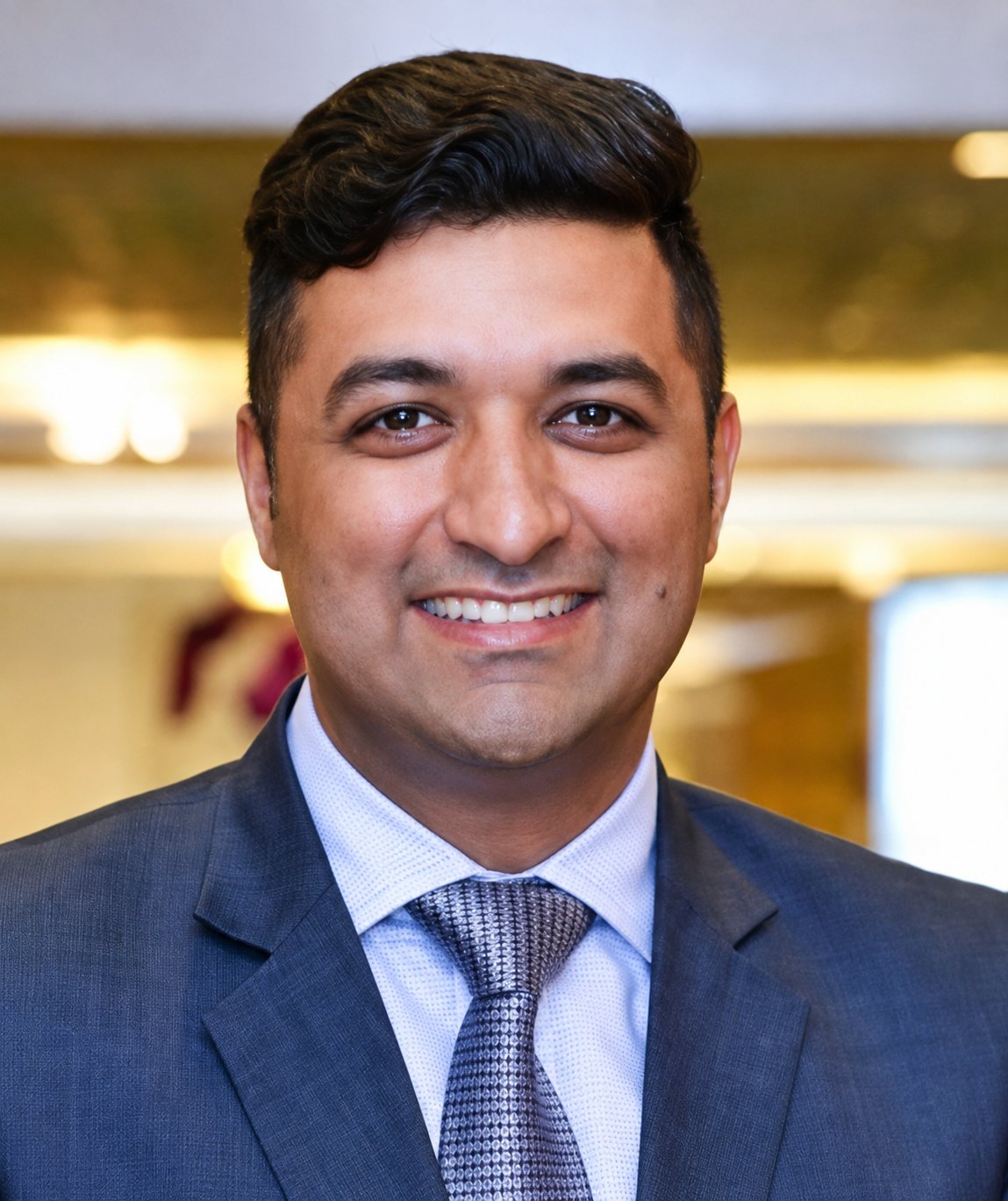
Nitin Sachdeva, Managing Director, HelmsBriscoe, said that from the perspective of global meeting sourcing, India increasingly makes the longlist on the strength of its venues and cost competitiveness, but falls away at the bidding stage.
“Infrastructure gets you considered; it doesn’t win you the mandate. The missing link is the demand-side machinery: a coordinated body that proactively bids for events, backs them with policy and incentives, and makes the destination easy to buy. Today that effort is fragmented across states and agencies, with no unified brand and no one owning the sell,” he expressed. “India has the assets. It is still building the machinery.”
The need of city-level MICE promotion bureaus
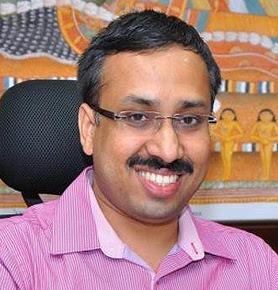
One of the most significant shifts currently underway is the push towards city-level MICE promotion bureaus.
Harikishore S. IAS, Joint Secretary, Ministry of Tourism and Chairman, ICPB, during a recent public address, shared that the Ministry has been encouraging states to establish city-level MICE promotion structures capable of bidding for international conferences.
“There are a lot of interest among states. We requested them to have city-level MICE promotion in their states. My hope is that by the end of this year, at least five city-level MICE promotions will come. That will motivate other states also,” he said.
According to him, the issue has two dimensions: marketing and institutional structure. To address the structural challenge, ICPB has been conducting regional meetings and sharing model frameworks with states interested in establishing convention bureaus.
The Hyderabad model has become a reference point. In the past decade, Hyderabad bid for 120 ICCA-qualified international conferences and secured 40 of them, demonstrating the value of professional bidding capabilities and organised destination promotion.
States including Gujarat and Karnataka are now studying the Hyderabad structure as they develop similar institutional frameworks.
Building national MICE promotion architecture
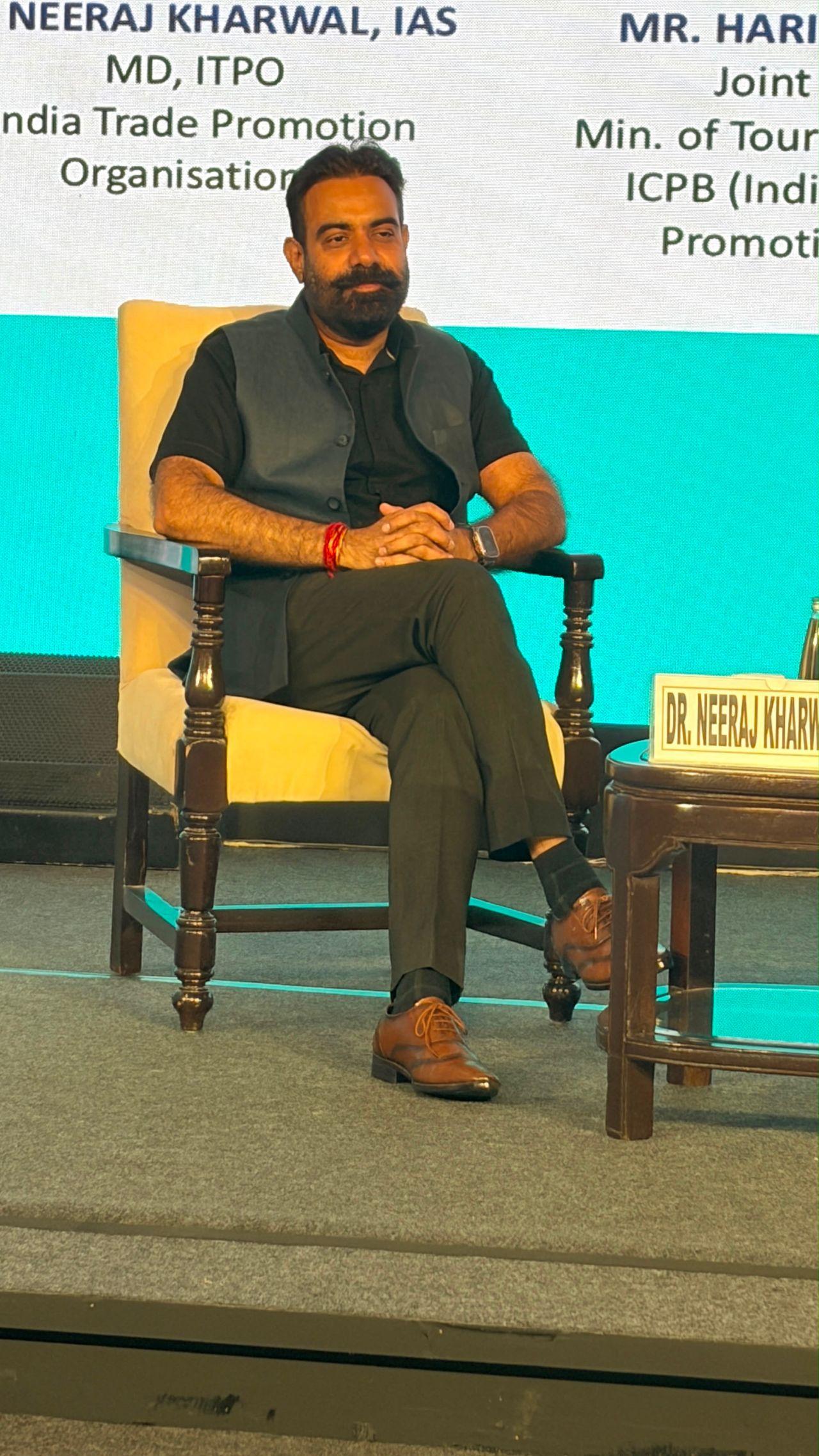
At the national level, efforts are also underway to create a more integrated promotional framework.
Dr Neeraj Kharwal, IAS, Managing Director, India Trade Promotion Organisation (ITPO), said at the same public forum, that the organisation is looking beyond individual venues to create a broader national MICE promotion architecture.
“ITPO is not only Bharat Mandapam, we are working for the MICE sector throughout the country. Apart from Bharat Mandapam, we have centres in Kerala, Chennai and Bengaluru, and we may have more in the coming years,” he noted.
Following consultations with stakeholders and the Ministry, ITPO has initiated work on a broader MICE promotion bureau that includes Bharat Mandapam, Yashobhoomi and the India Exposition Mart Limited (IEML), Noida.
Simultaneously, work has begun on establishing a Bharat MICE Forum aimed at strengthening coordination across venues, industry stakeholders and government agencies. “We will work together to take India to a position of leadership in the global MICE sector,” he assured.
The direction is therefore clear: move from venue-centric promotion to destination-centric promotion.
What a national MICE marketing strategy should look like
Industry stakeholders broadly agree that India needs a long-term National MICE marketing strategy led jointly by government and industry.
Mansharamani proposed strengthening national and state convention bureaus, creating dedicated international bidding support, establishing a marketing and bidding corpus fund, and introducing targeted incentives for international conferences to make India a more attractive destination for global organisers.
He explained that incentives need not always be large financial subsidies. Welcome support, destination-backed hospitality experiences, networking events or other facilitation measures could significantly strengthen India’s competitiveness during the bidding process.
Marketing, he shared, must become continuous and market-specific. He suggested prioritising key source markets, developing annual marketing calendars, investing in advertising and customised collateral, engaging directly with conference organisers, and participating in international trade shows under the ICPB brand.
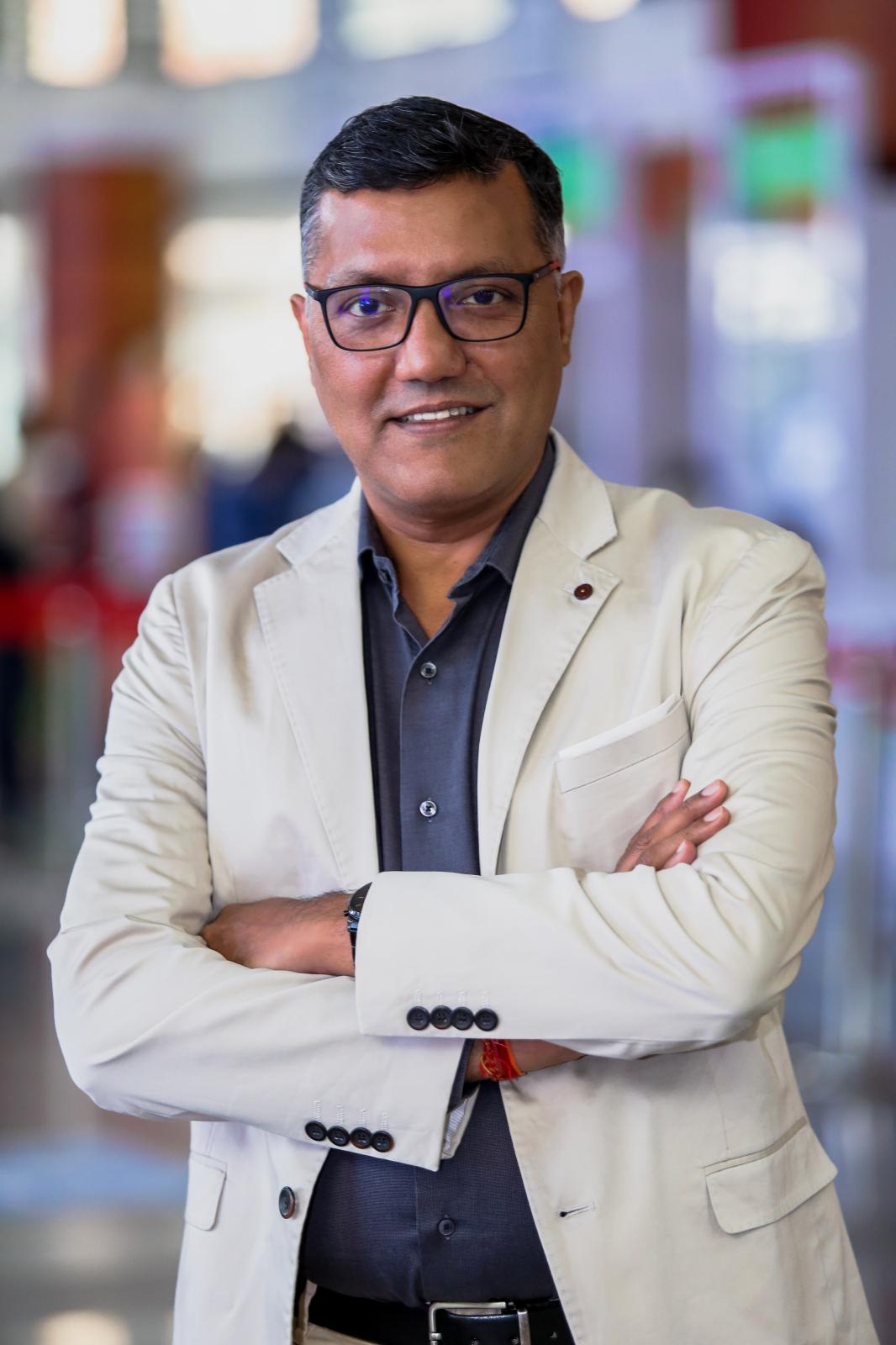
He further highlighted that effective promotion now requires a mix of internal channels (CRM, email), organic channels (SEO, blogs), paid media (LinkedIn targeting), and partner networks for third-party validation.
Ahmad believes India’s MICE marketing strategy should position the country not merely as a venue destination but as a global hub for business, innovation and knowledge exchange.
“Successful MICE destinations build relationships with organisers throughout the year. Marketing is a 365-day engagement, not a campaign around an event,” he noted.
A unified “Brand India for Business Events” initiative, supported by government, industry associations and the private sector, could significantly strengthen India’s global visibility. Marketing should also align with India’s strengths in manufacturing, technology, healthcare, renewable energy and other high-growth sectors.
Furthermore, he shared that equally important is delivering on the promise through seamless travel, world-class event services, digital capabilities and exceptional delegate experiences. Consistent branding, proactive global engagement and collaborative execution will make India far more competitive in attracting international conventions.
Sachdeva stated that India’s strategy should rest on three pillars: an empowered national convention bureau with the budget and mandate to coordinate states, bid for association and corporate business, and serve as a single window for organisers. Second, a data-led destination brand that targets the specific buyers and sectors India can genuinely win, rather than broadcasting to everyone. Third, a competitive incentive and subvention framework.
“Our real differentiators - a strong cost advantage and a diversity of destinations from metros to emerging Tier-II cities - should anchor that story and be told consistently at global platforms, not through one-off roadshows,” he explained.
Mudras believes India’s MICE strategy should move beyond promotion to positioning. “The objective should be to position India not simply as an affordable destination, but as a country where business, innovation, talent and market opportunity converge,” he shared.
He explained that India’s strengths in healthcare, pharmaceuticals, technology, manufacturing, renewable energy and fintech create strong platforms for attracting international congresses and business events.
To capitalise on these advantages, he believes the country needs stronger convention bureaus, structured bid-support mechanisms, simplified delegate facilitation and sustained international engagement.
The role of policy and government support
Policy support remains one of the most decisive competitive factors.
Ahmad expressed that policy support, professional convention bidding and destination branding are the foundation of every successful MICE destination. According to him, the establishment of a National MICE Bureau would be a significant step forward. It can lead global bidding efforts, coordinate destination marketing and strengthen India’s position as a preferred destination for international business events.
He explained, “Countries such as Singapore, Germany and the UAE secure major international events years in advance through coordinated efforts involving governments, convention bureaus and industry partners.”
Sachdeva noted that destinations are shortlisted through competitive RFPs placed two to five years out, and organisers weigh policy backing, ease of doing business, sustainability and branding right alongside the venue.
“India’s biggest gaps are institutional - no dedicated bidding support, limited subvention funding, and visa and logistics friction that surface early in the buyer’s evaluation. The lesson from hubs like Singapore, Dubai and Thailand is structural: each pairs strong infrastructure with a well-funded bureau, clear incentive schemes and single-window facilitation,” he added.
Mudras believes policy support, convention bidding and destination branding have become just as important as physical infrastructure. “Destinations such as Singapore and Dubai have demonstrated that convention attraction is not merely a tourism initiative; it is an economic development strategy,” he shared.
According to him, dedicated convention bureaus, coordinated bidding and single-window facilitation create a compelling value proposition for global organisers.
He points out that India has made encouraging progress through initiatives such as Meet in India, but the next step is to strengthen coordinated destination marketing, bid-support capabilities and institutional frameworks that can consistently attract large international conventions.
AI, ESG: Game-changers for MICE future
The future of MICE will be defined not only by infrastructure and policy but also by technology and sustainability.
Mansharamani believes India should embrace AI-powered registration, networking, multilingual assistance, analytics and smart event management while adopting international ESG standards and sustainable event practices.
Investment in digital infrastructure, cybersecurity, hybrid capabilities and workforce upskilling will be equally important. “With its strong IT ecosystem and growing event expertise, India is well positioned to become a leader in technology-enabled meetings,” he shared.
Ahmad agreed that intelligent, technology-enabled experiences are rapidly becoming the global benchmark. “AI-powered attendee engagement, smart venue management, personalised networking, data-driven insights and seamless hybrid capabilities are defining the next generation of business events.”
India’s technology leadership gives it a unique opportunity to integrate AI, digital innovation and sustainability across the event lifecycle, enabling organisers to deliver smarter, more engaging and measurable business events.
For Sachdeva, innovation has to move from an add-on to a core competitive capability. “Clients now write ESG and technology requirements directly into their RFPs. AI across the delegate journey, genuinely ESG-compliant and hybrid-ready venues, and a data backbone that measures delegate outcomes and economic impact are becoming essential. That evidence is what wins the next bid,” he said.
For Mudras, the future of MICE will be intelligent, sustainable and experience-led. He believes AI will personalise delegate journeys and enable smarter networking, while sustainability will increasingly influence destination selection.
However, he argued that technology alone will not be the differentiator. “The real competitive advantage will come from combining intelligent event experiences with authentic destination experiences that cannot be replicated elsewhere.”
According to him, India’s expanding digital ecosystem, growing network of Global Capability Centres (GCCs), competitive costs and globally recognised hospitality provide a strong foundation for the future of the sector. “The opportunity is to establish India as a preferred global destination that actively shapes the future of meetings, conferences and exhibitions,” he added.
Why market intelligence matters
A recurring theme across stakeholder conversations is the importance of data and market intelligence.
Mansharamani pointed out that market intelligence is important for developing insights and decision-making. He suggested Ministry of Tourism should work closely with the states and MICE bureaus to strengthen market research and intelligence. A data collection and analysis mechanism can be developed for generating business intelligence, and insights through information, which will be published at regular intervals.
Therefore, in an increasingly competitive global market, intelligence is becoming as important as infrastructure. The country has built many of the physical assets required to compete globally. It has a compelling cost advantage, expanding aviation connectivity, diverse destinations, a strong hospitality ecosystem and growing event expertise.
What it lacks is a unified destination marketing framework. The next phase will require stronger convention bureaus, coordinated international bidding, policy-backed incentives, single-window facilitation, AI-enabled delegate experiences, ESG-compliant venues and a globally consistent Brand India narrative.
If infrastructure was the first chapter of India’s MICE story, destination marketing, policy coordination and innovation will determine the second. That is the missing link, and potentially the country’s biggest opportunity.