

From footfall to economic value: Is India’s spiritual tourism economy entering a new era?
 Spiritual economy
India has never needed to be told to travel for faith. Long before the word “tourism” existed, this was already the country’s biggest movement of people: the Kumbh, the Char Dham, the annual pull toward Varanasi, Tirupati, Shirdi. Faith-linked journeys account for around 60% of India’s domestic travel demand, while Hindu pilgrimage spending alone is estimated at roughly INR 4.74 lakh crore a year, according to KPMG’s Sacred Journeys report. The demand, therefore, is not new.
For decades, pilgrimage was largely a volume-driven proposition: visitors arrived, completed their religious journey and moved on. That equation is now beginning to shift. Across India, hotels are adding premium inventory in spiritual destinations, operators are packaging multi-stop circuits, online travel platforms are treating spiritual travel as a distinct category, and states are directing investment towards infrastructure around major religious centres. And a generation that grew up with none of the old constraints on time or money is walking into this market and quietly rewriting what a pilgrimage trip is supposed to look like.
The value shift
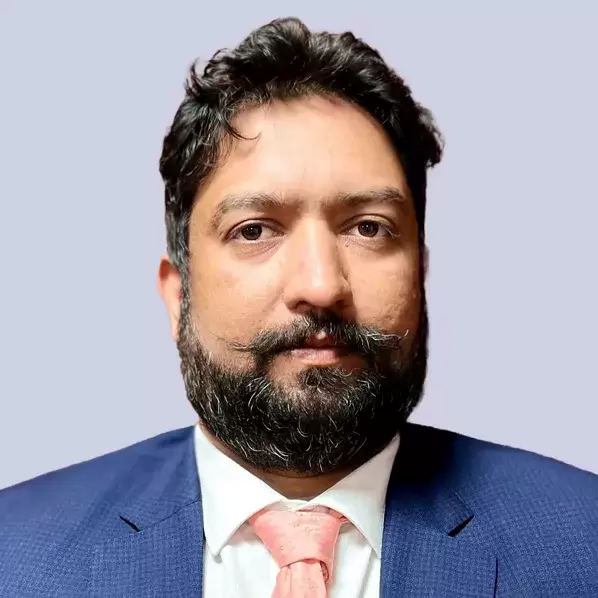
Aalap Bansal, Partner and Co-Lead of KPMG India’s Tourism, Sports and Leisure practice said, “We are witnessing a transition from ritual-led travel to experience led journeys, where travellers increasingly seek cultural immersion, wellness, heritage, storytelling and community engagement alongside faith.” The destinations that used to be single-purpose pilgrim stops like Varanasi, Ayodhya, Rishikesh, Ujjain, Shirdi, Bodh Gaya — are turning into what he calls “integrated tourism ecosystems,” where hospitality, transport, retail, wellness and digital services are all now stacked around what was once just a temple visit.
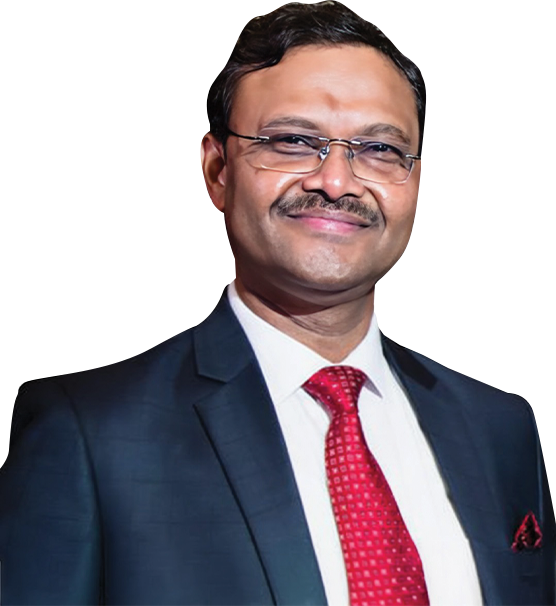
Krishna Mohan Alapati, Managing Director of Southern Travels, who has sold pilgrimage packages long enough to have watched this shift happen in real time, highlighted, “What used to be a straightforward pilgrimage business is now evolving into a broader travel category encompassing spirituality, wellness, culture, heritage and meaningful experiences.” Travellers no longer just want to get from shrine to shrine, but they want better rooms, easier transport, and an itinerary that holds together as a trip, not a checklist, he elaborated.
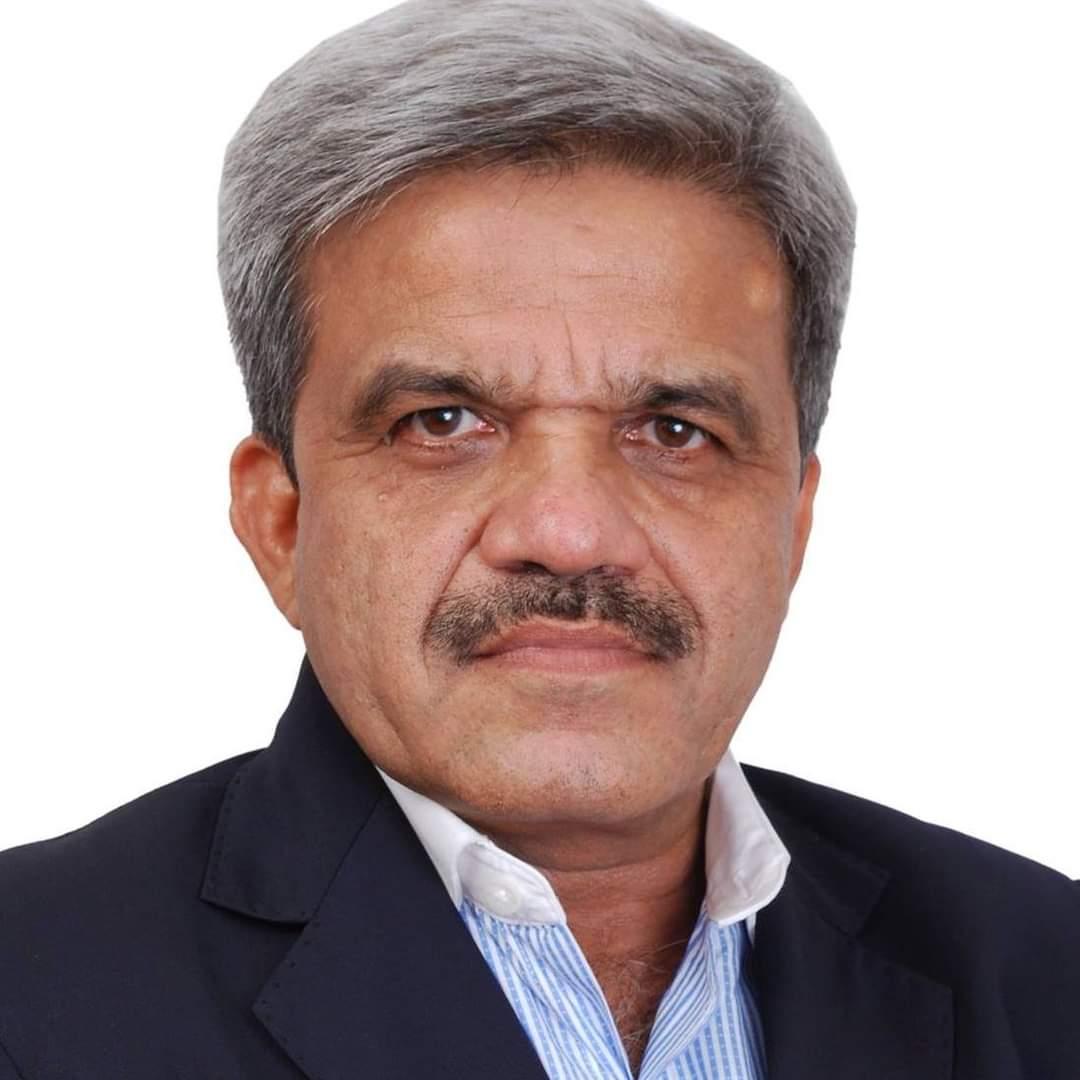
For Rajan Sehgal, Co-Chair, Tourism & Hospitality Committee, PHDCCI, who has spent three years running the Global Spiritual Tourism Conclave across Ayodhya, Ujjain and Shirdi, bringing temple trusts, airlines, hoteliers and transport companies together, the opportunity is increasingly commercial. “Spiritual tourism is not just visiting a destination, it’s an opportunity to sell meaning, connection and transformation,” he said.
The scale of the opportunity is visible in events such as the Mahakumbh in Prayagraj, which drew an estimated 66 crore attendees in 2025, according to figures cited in a report.
The change in the demographics
One of the clearest signs of the changing market is the profile of the traveller. According to redBus research cited in the report, Gen Z accounts for 53% of spiritual travel bookings. The finding points to a younger consumer base approaching spiritual journeys differently from previous generations, combining pilgrimage with wellness, adventure, local culture, food and other experiences.
“For Gen Z and younger millennials, a spiritual journey is often not limited to visiting a temple or completing a pilgrimage. They increasingly combine spirituality with wellness, adventure, local culture, food and content-worthy experiences,” Alapati said. KPMG’s Bansal describes the shift as moving from “travel for faith” to “travel for experience through faith” — with the pilgrimage remaining important, but no longer necessarily defining the entire trip.
That behavioural shift shows up in the footfall numbers too. Varanasi’s visitor count rose from roughly 7.1 crore in 2022 to more than 11 crore in 2024, according to Bansal, while PIB figures cited in the report put cumulative visitors to the city since the opening of the Kashi Vishwanath Corridor in 2021 at more than 13 crore.
But these numbers only tell half the story. Santosh Kumar, Booking.com’s Regional Head for South Asia, points to a subtler change: increasingly, younger family members are booking, planning, and paying for a spiritual trip for their parents and grandparents while travelling along themselves. That single behavioural shift is forcing operators to design itineraries for three generations, each with different reasons to be on the same trip, which is a harder, and more valuable, product to build than a standard pilgrim package.
Hotels seeing the premium opportunity
Accommodation bookings in spiritual destinations rose 19% in FY2024-25, while premium room categories recorded growth of over 20%, suggesting that spiritual travellers are spending more and seeking higher-quality experiences.
According to Booking.com research cited by Kumar, 62% of Indian travellers believe spiritual destinations still lack sufficient premium accommodation. That gap is already attracting hotel investment. “Today’s spiritual traveller is looking beyond basic accommodation and increasingly prefers quality hotels offering comfort, good food, safety and personalised service,” added Chander Baljee, Chairman and Managing Director of Royal Orchid Hotels Ltd. Notably, his hotel brand has built a presence in Tirupati, Rishikesh, Kedarnath, Khatu Shyam Ji and Haridwar.
He further added that guests are staying longer, stitching pilgrimage together with wellness and sightseeing, and that length-of-stay shift is what’s moving occupancy, ADR and revenue, not just footfall.
The next phase of that opportunity, Baljee argued, isn’t in the destinations everyone already prices in. It’s in Tier II and III markets, pockets of Uttarakhand, Madhya Pradesh, Odisha and South India, where visitor growth is outrunning the branded room inventory available to house it. Kumar sees a similar premiumisation taking place at the destination level: scholar-led temple walks are turning a Varanasi visit into a curated paid experience; Rishikesh is moving from casual yoga visits towards structured wellness programmes; and Puri is seeing interest in boutique sea-facing accommodation alongside its traditional stay options.
Selling circuits, not single stops
The clearest sign that this industry is starting to think like a business rather than a facilitator of devotion is the shift from single-destination pilgrimage to packaged, multi-stop circuits.
“The next phase of India’s spiritual tourism growth will increasingly be driven by the development of integrated circuits that combine faith, heritage, wellness, local culture and high-quality travel experiences,” Alapati highlighted, citing Jyotirlinga routes linking Ujjain and Omkareshwar, or Nashik and Trimbakeshwar; Krishna-linked circuits through Mathura, Vrindavan and Dwarka; and curated temple trails across Tamil Nadu, Andhra Pradesh, Telangana and Karnataka.
A circuit, unlike a single destination, keeps a traveller and their spending inside the system for days instead of hours.
The clearest commercial case for this is the Buddhist trail: Bodh Gaya, Sarnath, Kushinagar, Rajgir, Nalanda, where foreign arrivals to Uttar Pradesh’s Buddhist sites have grown from around 48,000 in 2022 to a reported 4.4 lakh in 2025, per state figures. Sehgal said his network is also packaging circuits including Ujjain-Omkareshwar-Maheshwar, Dwarka Sarnath, Bodh Gaya-Rajgir-Nalanda-Gaya, Puri-Konark-Bhubaneswar and Madurai-Rameshwaram-Thanjavur.
He further pointed to destination management and marketing as key gaps that need to be addressed if international interest in the Buddhist circuit is to translate into arrivals at scale.
The transformation is also drawing significant public investment. Uttar Pradesh, home to Ayodhya, Varanasi, Mathura and the Buddhist Circuit, is measuring the impact of spiritual tourism not simply through visitor volumes but through employment, private investment, local enterprise and wider economic activity.
“Spiritual tourism cannot be assessed merely as a share of business revenue,” said Amrit Abhijat, Additional Chief Secretary for Tourism, Culture and Religious Affairs, Government of Uttar Pradesh. “We measure it through visitor volumes, employment, private investment, local enterprise and its wider economic impact.” His numbers give a sense of the base this value shift is being built on: Ayodhya approaching 30 crore visits in 2025, Varanasi crossing 17 crore, Mathura past 10 crore, and Prayagraj’s Mahakumbh drawing 66 crore devotees.
Under the state’s Tourism Policy 2022, eligible projects can access capital subsidies of up to 30%, along with stamp duty and land-conversion waivers. Abhijat said the state has so far certified tourism proposals worth more than INR 41,500 crore and rolled out a homestay policy that has already registered close to 900 properties against a target of 5,000.
Footfall isn’t enough
The scale of demand also brings a different challenge: managing peak loads. Spiritual destinations may experience relatively normal demand for much of the year but see several times their usual volume during major festivals or auspicious dates. Historic city centres also have limited road capacity, sensitive heritage structures and dense residential areas.
As destinations grow, crowd safety, pedestrian movement, sanitation, waste management, river health, affordable accommodation and emergency access will have to be planned as part of one integrated system.
The new scorecard
Footfall, the metric this industry has run on for decades, is no longer the one that matters. “Our future scorecard must include average length of stay, visitor expenditure, repeat visits, formal employment, private investment, local income and visitor satisfaction, not only the number of arrivals,” added Abhijat.
Bansal frames it the same way from the consulting side, saying, “Spiritual tourism is becoming a strategic economic sector capable of driving sustainable regional development and inclusive growth, not simply a high-volume travel category that happens to involve temples.”
The transformation underway, therefore, is not the creation of a new demand for spiritual travel. That demand has existed for centuries, and the country has never lacked pilgrims. What is changing is the effort to build a modern tourism economy around it; one that can capture greater value through longer stays, higher spending, better experiences, stronger circuits and deeper local participation. And one that also builds the wellness, heritage and premium hospitality layers around it.