

Taiwan, unscripted: Why the destination deserves a place on Indian traveller's radar
In 2025, the destination welcomed 46,134 Indian visitors, representing over 20% year-on-year growth and tourism officials expect the momentum to continue this year. A multi-city FAM tour organised by the Taiwan Tourism Authority and its India representative, Blink Brand Solutions, offered a first-hand look at what is driving this growing interest. What stood out most during the journey was an island nation quietly shaping a tourism model centred on authenticity, accessibility and quality visitor experiences.
For many Indian travellers, Taiwan still largely begins and ends with Taipei: the 101 tower, night markets and urban energy dominating popular perception of the destination. Yet beyond the capital lies a far more layered travel experience, one that combines islands, ecological adventures, tea culture, waterfront communities, biking and hiking trails and mountain retreats, eventually giving you the best of immersive travel experience.
As Taiwan broadens its tourism narrative beyond its metropolitan appeal, it is finding increasing resonance among Indian travellers. In 2025, the destination welcomed 46,134 Indian visitors, representing over 20% year-on-year growth and tourism officials expect the momentum to continue this year.
A multi-city familiarisation tour organised by the Taiwan Tourism Authority and its India representative, Blink Brand Solutions, offered a first-hand look at what is driving this growing interest. What stood out most during the journey was an island nation quietly shaping a tourism model centred not on grand spectacles, but on authenticity, accessibility and quality visitor experiences.
Port City charm meets modernity & tradition: Kaohsiung
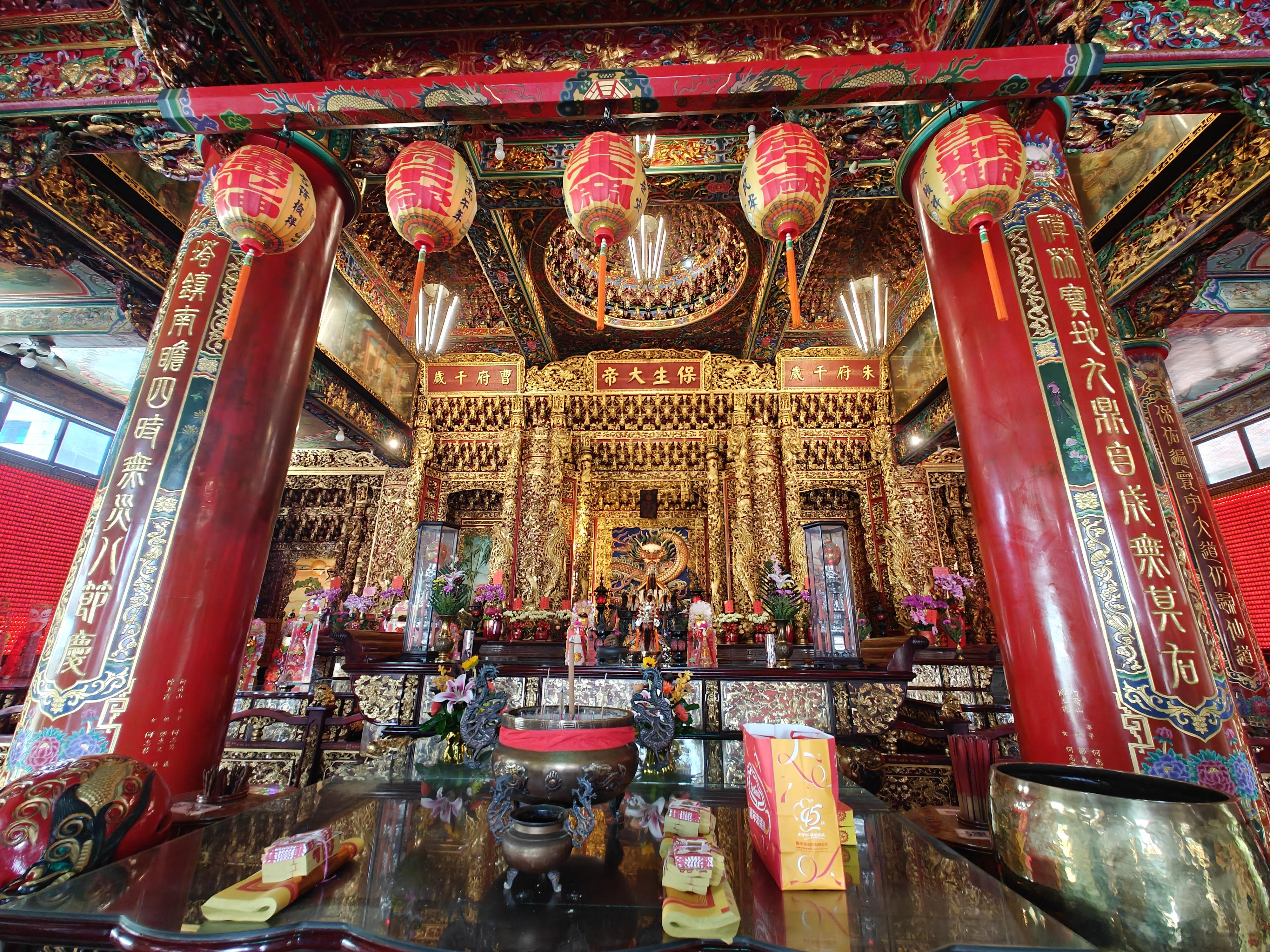
Kaohsiung, Taiwan's southern port city, best captures this transition. Long viewed through its industrial and maritime identity, the city today presents a contemporary tourism personality through redeveloped waterfronts, creative districts and pedestrian-friendly public infrastructure. The Kaohsiung Music Center, harbourfront cafés and the rotating Grand Harbour Bridge remain key visitor attractions.
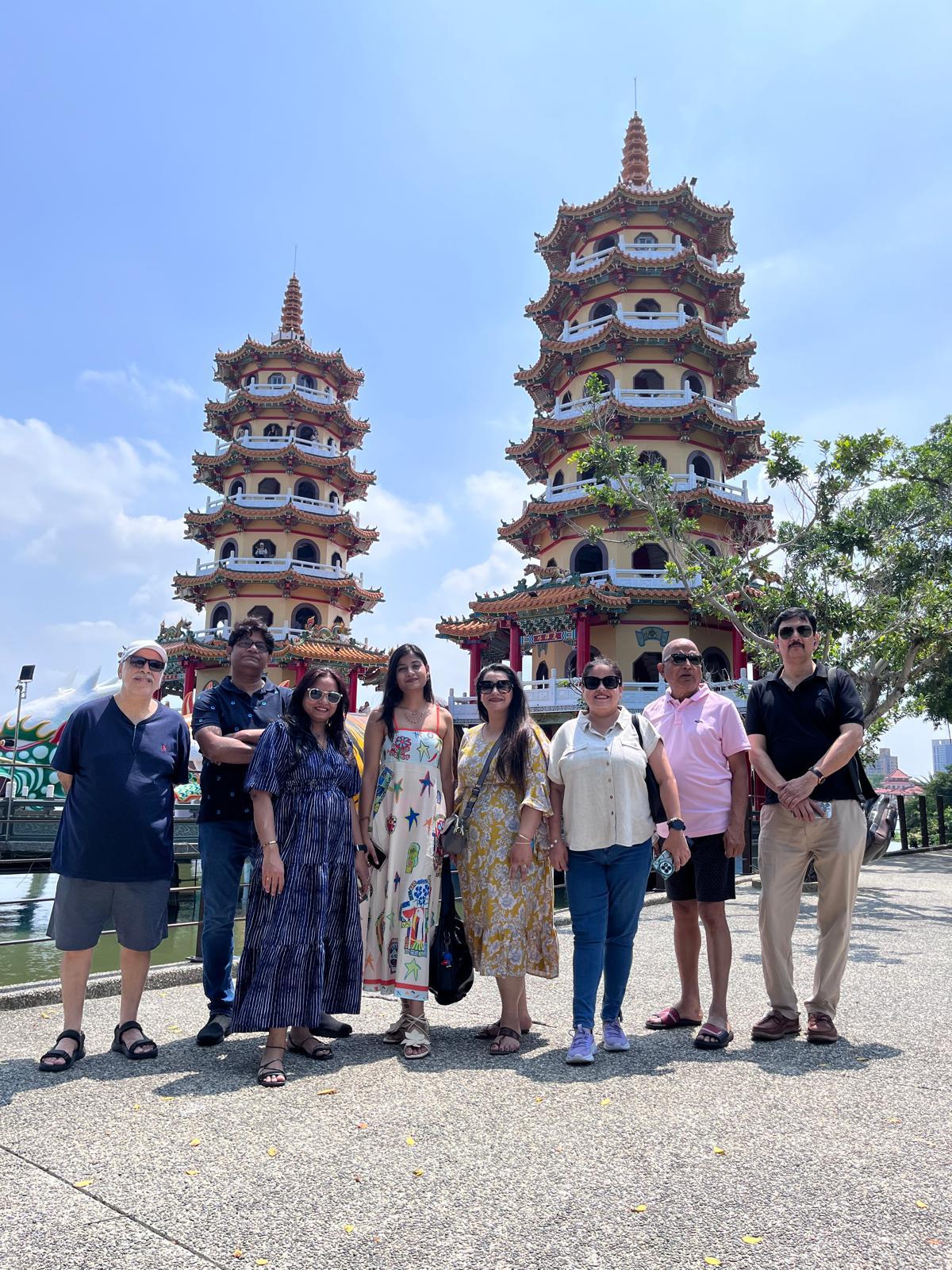
Among its iconic landmarks are the Dragon and Tiger Pagodas overlooking Lotus Pond. Built in the 1970s, the twin pagodas are deeply rooted in traditional Taiwanese folk beliefs and symbolism. Visitors traditionally enter through the dragon's mouth and exit through the tiger's mouth, a local custom believed to turn bad luck into good fortune. Architecturally, the pagodas reflect vibrant traditional Taiwanese temple aesthetics: bold colours, curved roofs, mythological carvings and panoramic views from the top floors overlooking the lake and Taoist temples around it.
At the same time, cultural identity remains deeply preserved. Traditional Hakka cuisine continues to form an important part of the local culinary experience, while bustling night markets offer a glimpse into Taiwan's vibrant food culture.
The eco-tourism experience at Xitou
Taiwan's emphasis on slower, immersive travel becomes even more visible inland at Xitou. The forested mountain region combines eco-tourism, folklore and wellness experiences within a highly localised setting.
On the way uphill, Monster Village instantly catches attention. Influenced by Japanese folklore, the themed village is lined with cafés, souvenir shops and fictional monster-inspired photo spots, making it a popular stopover among the travellers.
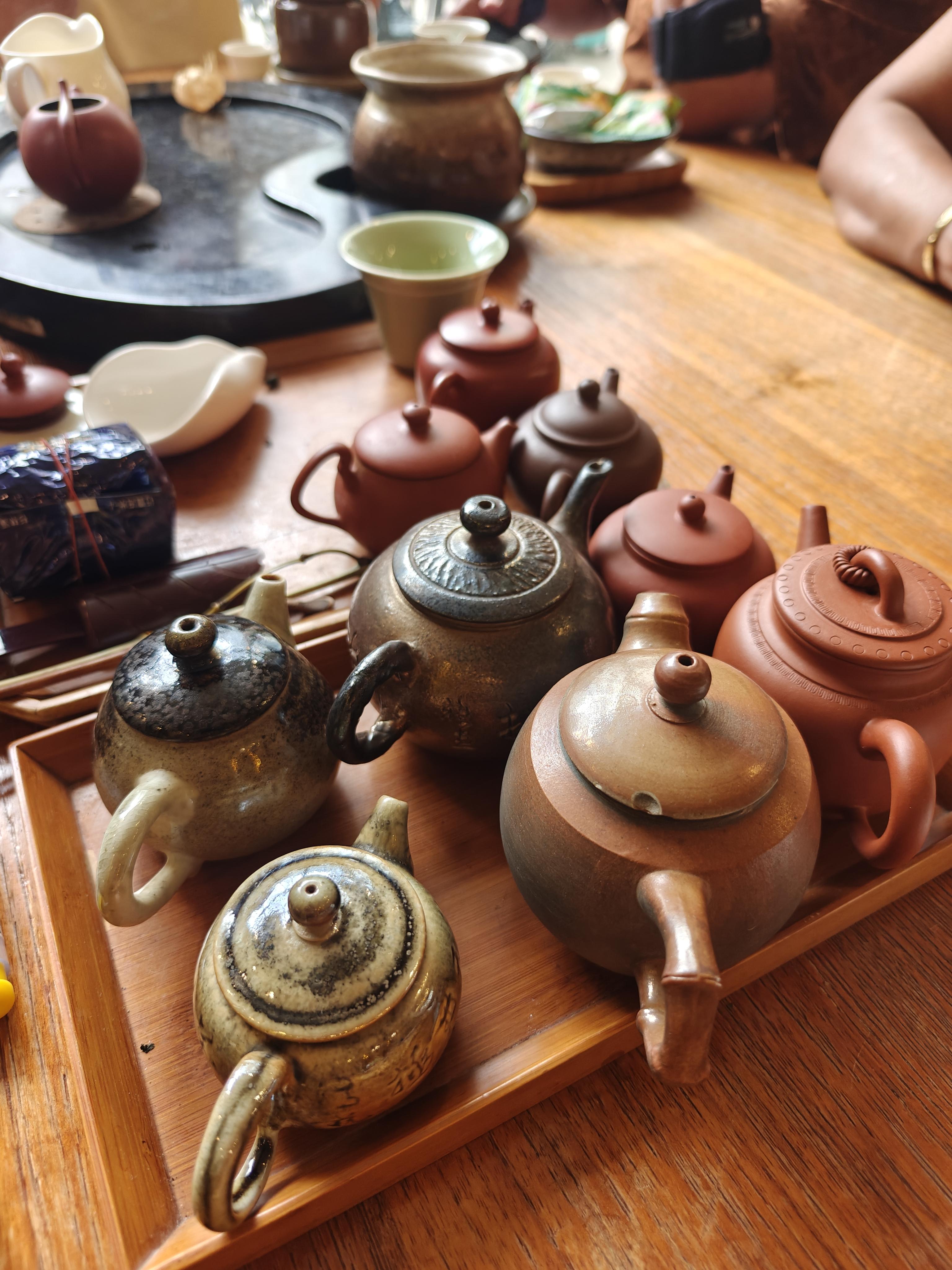
Noticeably, Xitou's tourism identity is closely tied to atmosphere rather than large-scale attractions. During our stay at Le Midi Hotel, tea culture sessions, firefly-lit forest walks and sustainable forestry experiences created a slower travel rhythm that aligns closely with the growing trend of mindful tourism.
Sustainability at its best in Taichung
Taichung may not command the same international attention as Taipei, but it arguably offers one of the most authentic windows into Taiwan's unhurried side. Positioned at the centre of the island, the city blends sustainability and outdoor recreation seamlessly.
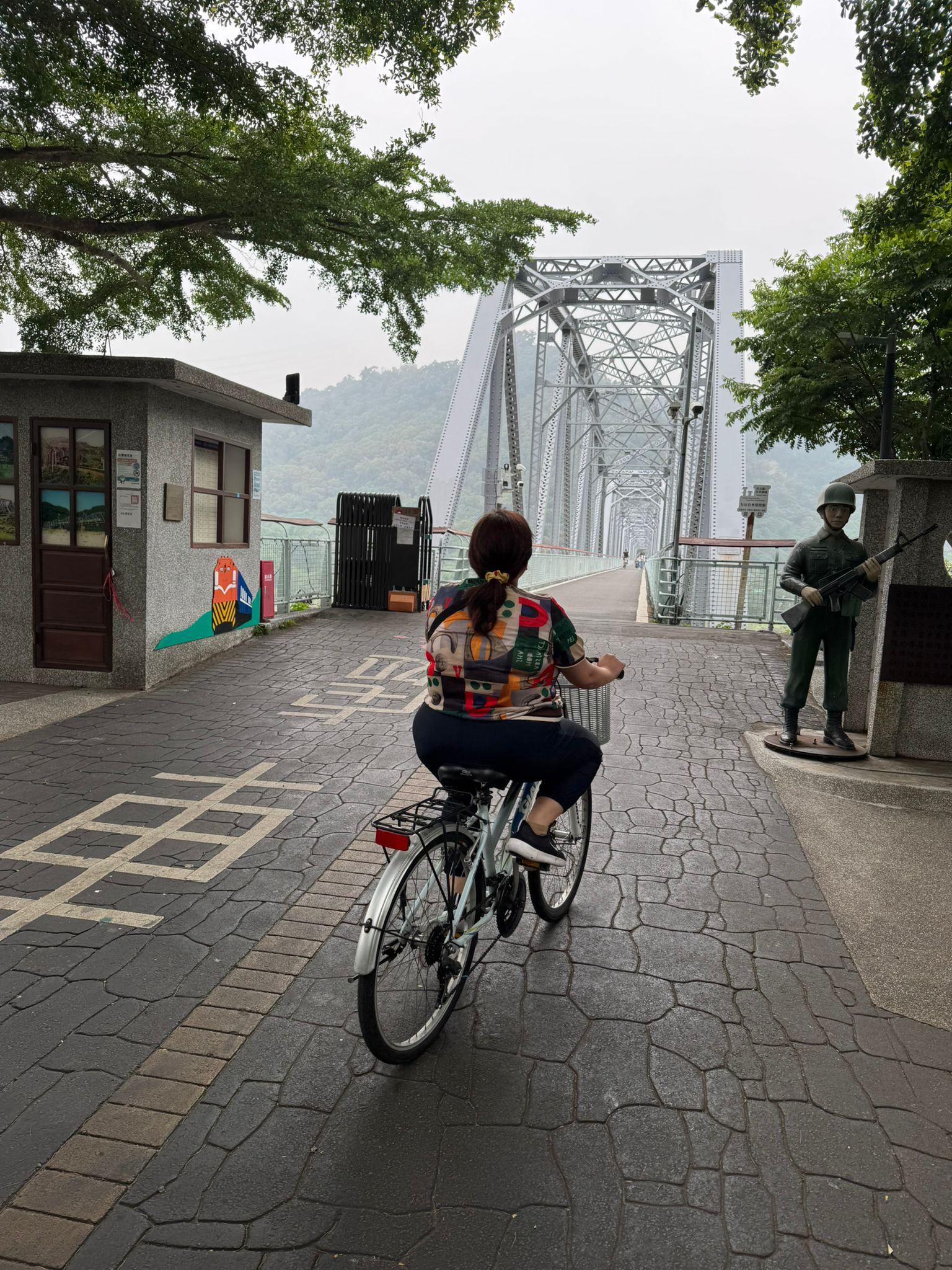
Among its highlights is the Houfeng Bike Trail, built along a former railway corridor in Houli district. Surrounded by lush greenery and open countryside, the trail offers visitors a slower way to experience the destination. The cool breeze through Tunnel No. 9 and views from the Hualiang Steel Bridge create an experience that feels both scenic and restorative. Notably, Taiwan has positioned cycling at the heart of its sustainability agenda and aims to become the world's leading cycling tourism destination by 2030. The country has also introduced policies aimed at reducing car usage in key tourism areas.
Another worthwhile stop in Taichung is Carpenter, a hands-on DIY woodworking workshop that showcases Taiwan's respect for craftsmanship and sustainability. The best part? Visitors can create their own keepsakes using responsibly sourced wood and even the kids can indulge too.
Adventure tourism at Xiaoliuqiu
Beyond the mainland cities, the Xiaoliuqiu island, located off Taiwan’s southwestern coast and accessible through a ferry, is an ideal marine tourism destination supported by ecological experiences, soft adventure. The presence of over 500 hotels and accommodation units along with a duty-free shop on the island reflect its growing tourism significance as well. As per our ‘quite Famous’ tour guide, the infrastructure expansion encouraged by the government has helped create a self-sufficient island ecosystem equipped with schools, healthcare, accommodation and tourism facilities despite its compact geography.
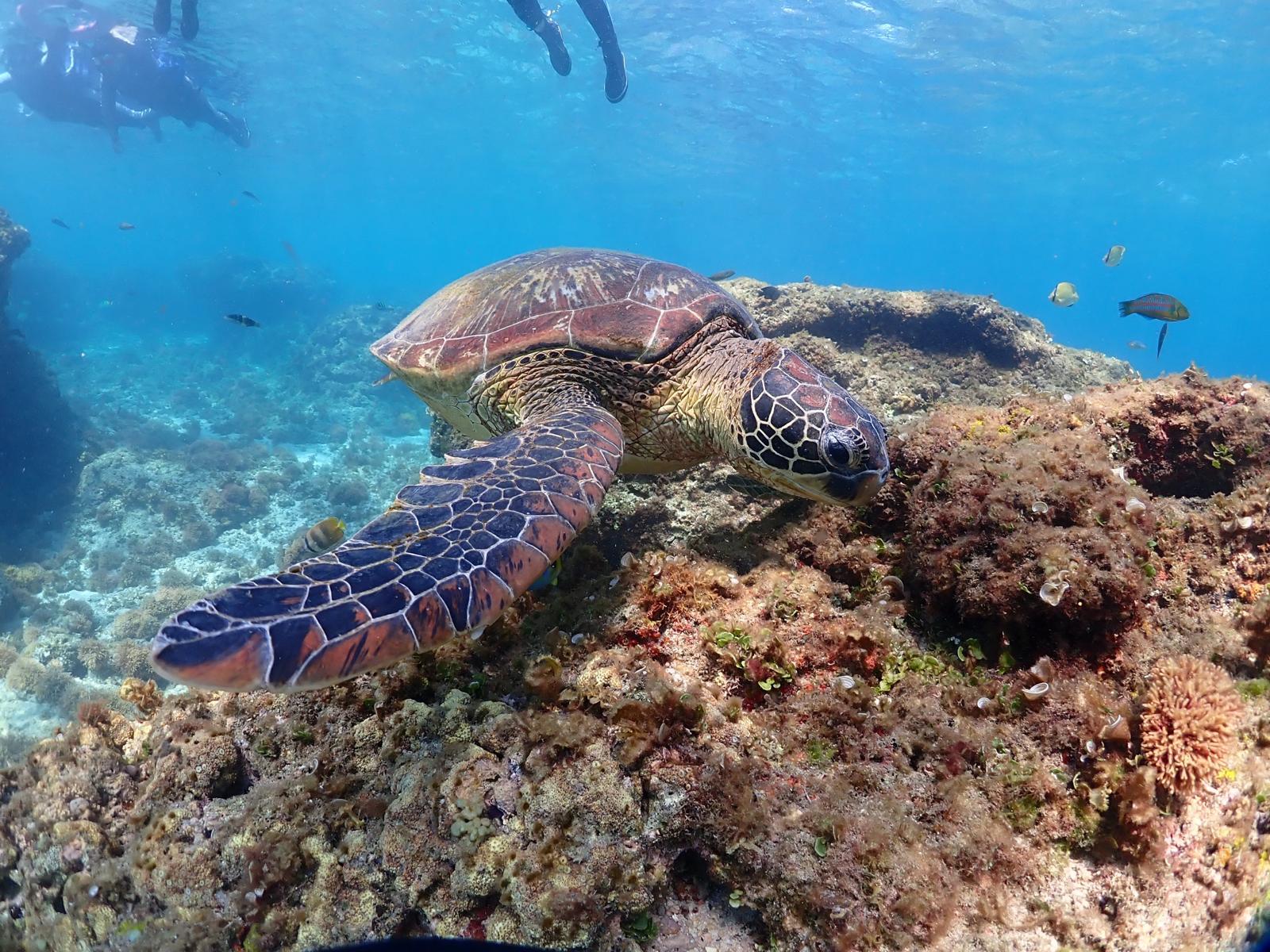
Marine experiences form the centrepiece of Xiaoliuqiu’s appeal. Activities such as snorkelling alongside sea turtles and glass semi-submarine rides continue to attract visitors. Unlike several heavily commercialised island destinations across Asia, Xiaoliuqiu retains a relaxed, community-driven atmosphere, even though it is often frequented by tourists.
When here, don't miss the shaved mango ice cream, a photo stop at Vase Rock, sunset views from the cliffside pavilion and the simple pleasure of exploring the island on a rented bike. When heading back and before leaving southern Taiwan, a stop at Dapeng Bay is also recommended. Home to Taiwan's largest coastal lagoon spanning nearly 500 hectares, the visitors can choose from yacht tours and hands-on sailing experiences, making it an increasingly popular coastal getaway.
Taipei: A capital with character
Taipei's appeal lies not merely in its skyline dominated particularly by tourist’s favourite Taipei 101, but in the way it seamlessly balances modernity with everyday liveability. The city notably forms part of a larger urban ecosystem that includes neighbouring New Taipei City, connected through an extensive network of bridges, metro systems and riverfront corridors. Despite being Taiwan's political, economic and cultural centre, the city rarely feels overwhelming and rather feels refreshing.
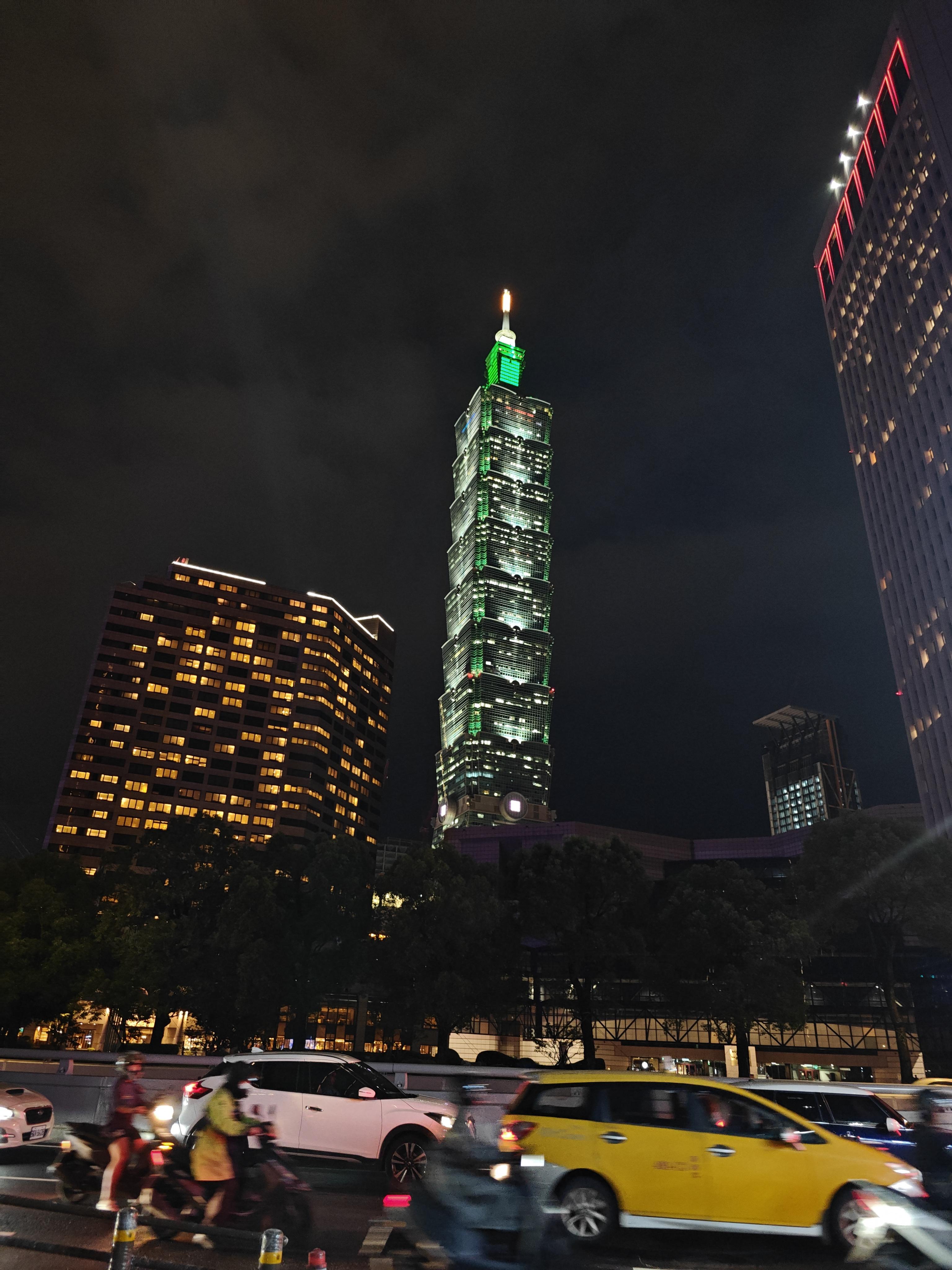
The iconic Taipei 101 continues to dominate the skyline and remains one of Taiwan's s trongest tourism symbols. Once the world's tallest building, the 508-metre skyscraper functions as an observation tower, shopping complex, dining destination and commercial hub, attracting visitors from across the globe with sweeping views of the capital and surrounding mountains.
If Taipei 101 represents Taiwan's modern side, Ximending Street represents its personality. Often described as the city's youth district, this neighbourhood comes alive after sunset with street performers, fashion boutiques, gaming arcades, food stalls, souvenir shops and independent cafés.
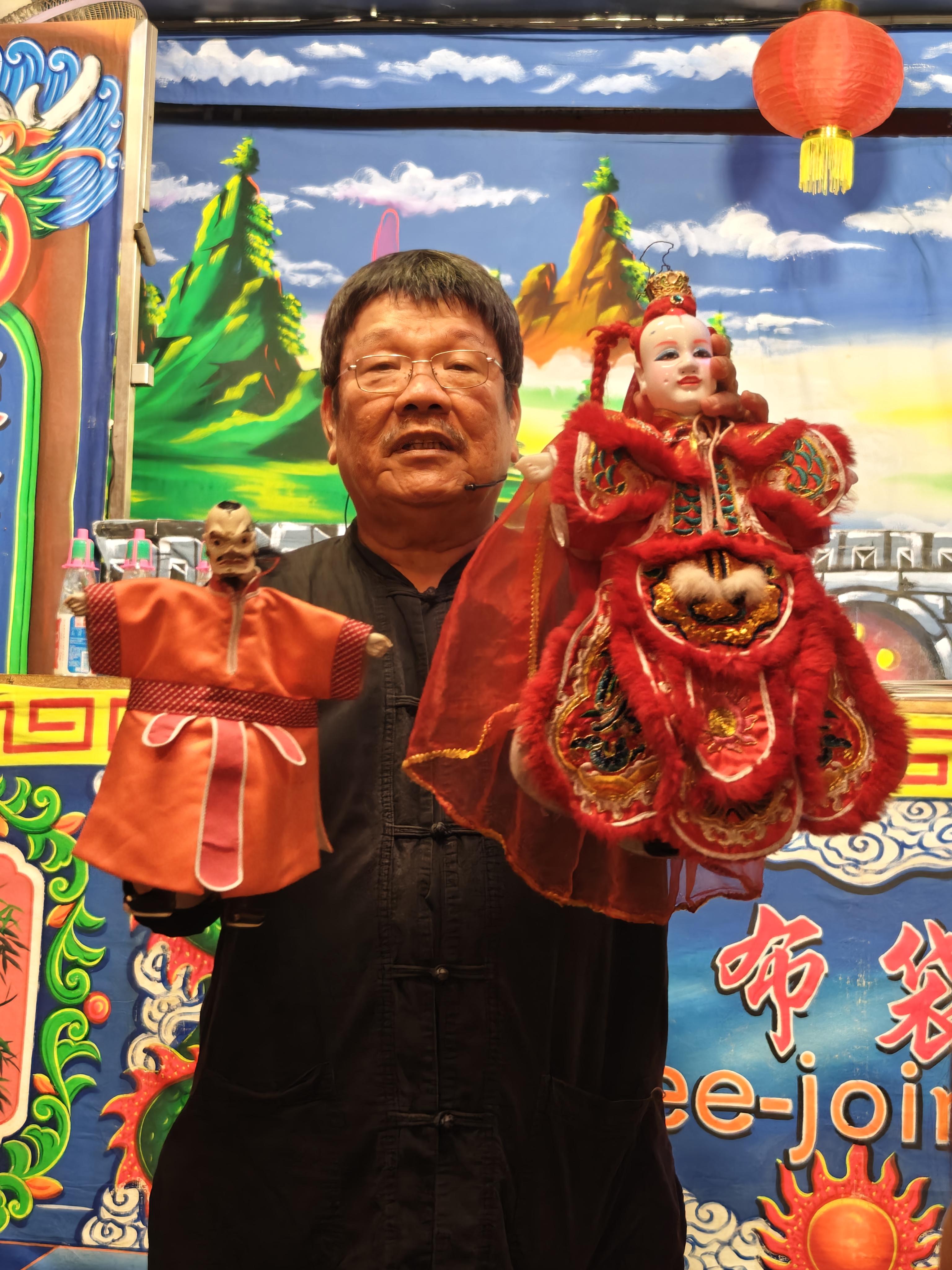
Taipei’s cultural experiences remain equally compelling. Traditional puppet theatre performances including some of Taiwan’s largest television puppetry productions, offer insight into the island’s long-standing storytelling traditions while keeping the traditional puppetry alive.
Importantly, throughout the journey, the availability of Indian restaurants, both in Kaohsiung and Taipei reflects Taiwan's growing readiness to cater to Indian travellers. A few popular options to take a not of: Doon Valley Indian Restaurant, Puja Indian Restaurant and Khana Khazana.
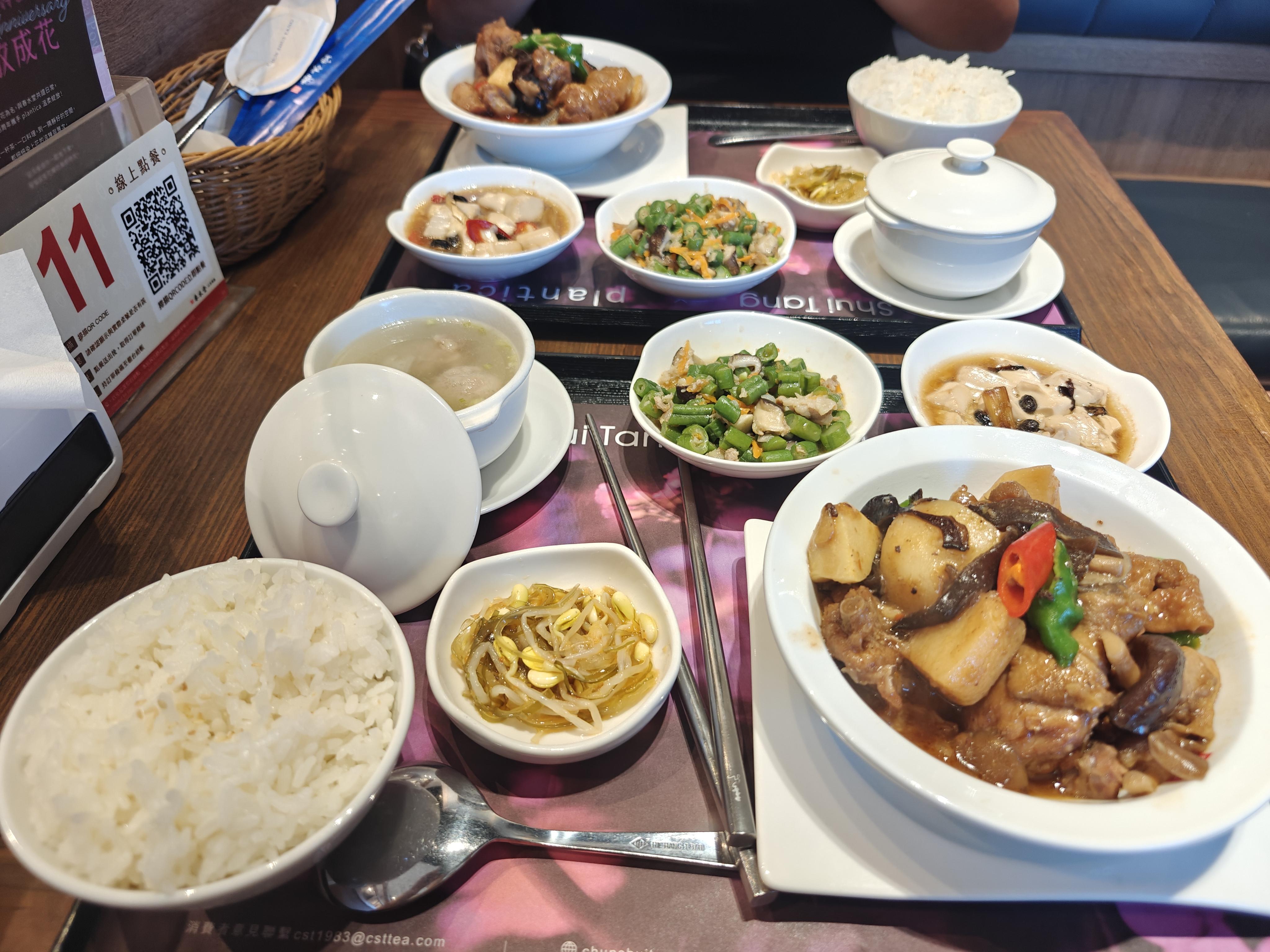
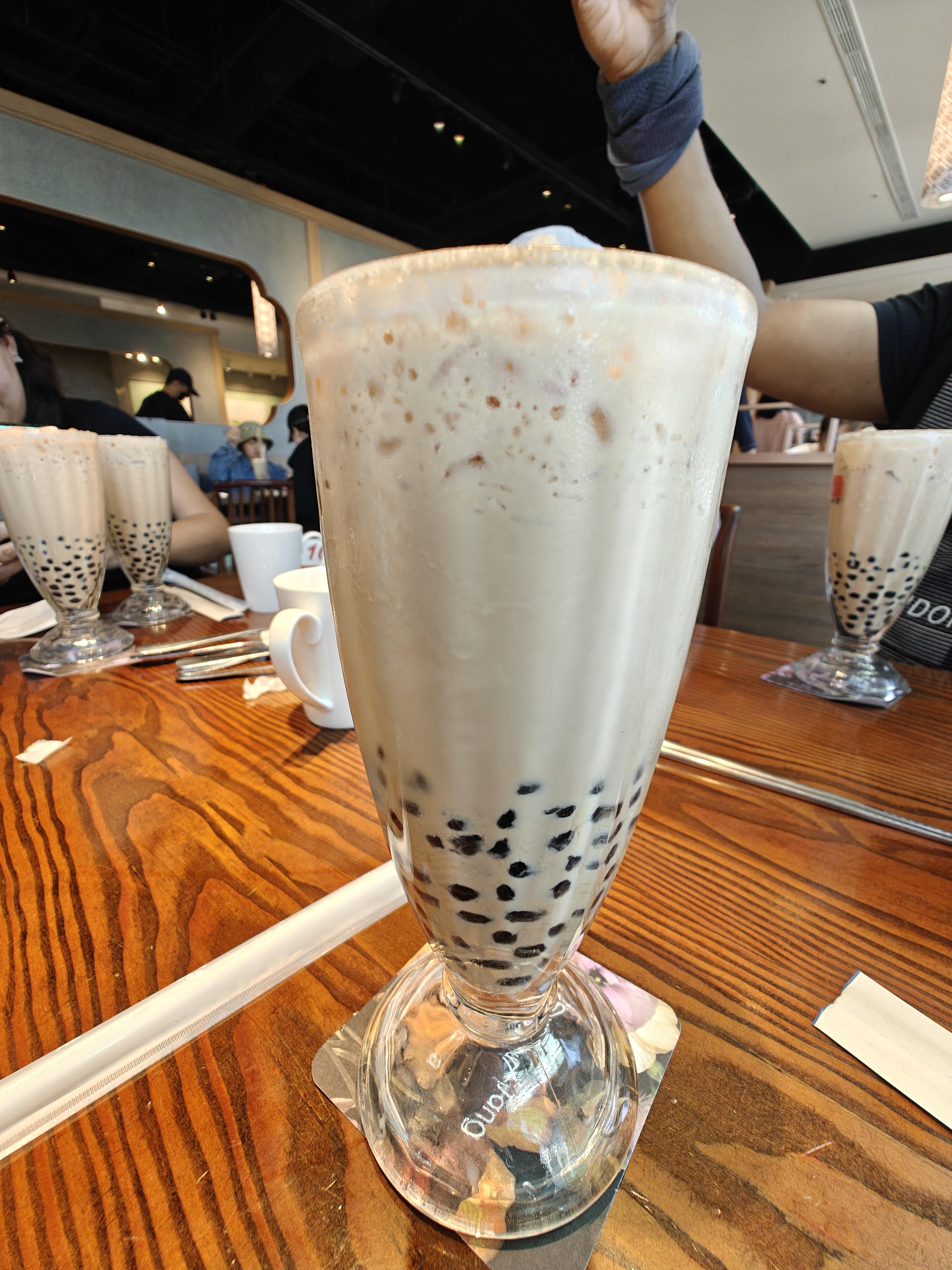
Before heading back to India, make time for a cup of boba tea at Chun Shui Tang, located in Gloria Outlets. Widely regarded as the birthplace of bubble tea, the Taiwanese tea house first introduced the now-global sensation in the 1980s. For Indian travellers increasingly obsessed with boba, there is perhaps no better place to enjoy the drink than where its story began.
Connectivity & accessibility
One of Taiwan's biggest strengths as a tourism destination is its seamless connectivity. The High-Speed Rail (HSR) links major cities along the western corridor, with the Taipei-Kaohsiung journey taking roughly 90 minutes. Cities such as Kaohsiung also have efficient urban rail systems, making it easy to move between attractions.
While there are currently no direct flights between India and Taiwan, travellers can conveniently connect through regional hubs such as Hong Kong, Bangkok and Kuala Lumpur.
Taiwan also offers a simplified Travel Authorization Certificate (TAC) programme for eligible Indian travellers holding valid visas or residency permits from select countries, making travel planning considerably easier. Even travellers whose eligible visa (Canada, US, UK, Schengen, EU) has expired within the last 10 years may qualify, provided other eligibility requirements are met. The process is entirely online; approvals are often issued quickly.
Staying connected is equally convenient, with physical SIM and eSIM options offering unlimited high-speed data (4G works very well) readily available to visitors. Thanks to EASYsim (backed by Chunghwa telecom services) for making our trip seamless.
At a time when many Asian destinations are grappling with overcrowding given the geopolitical tensions shifting the mass to these corridors, Taiwan's experience-driven tourism model feels refreshingly different. It is building itself around qualities that may increasingly define the future of meaningful travel across Asia and gladly, the Indian travellers are beginning to take notice.