
Mumbai tourism plans dedicated app; targets longer stays & higher spend
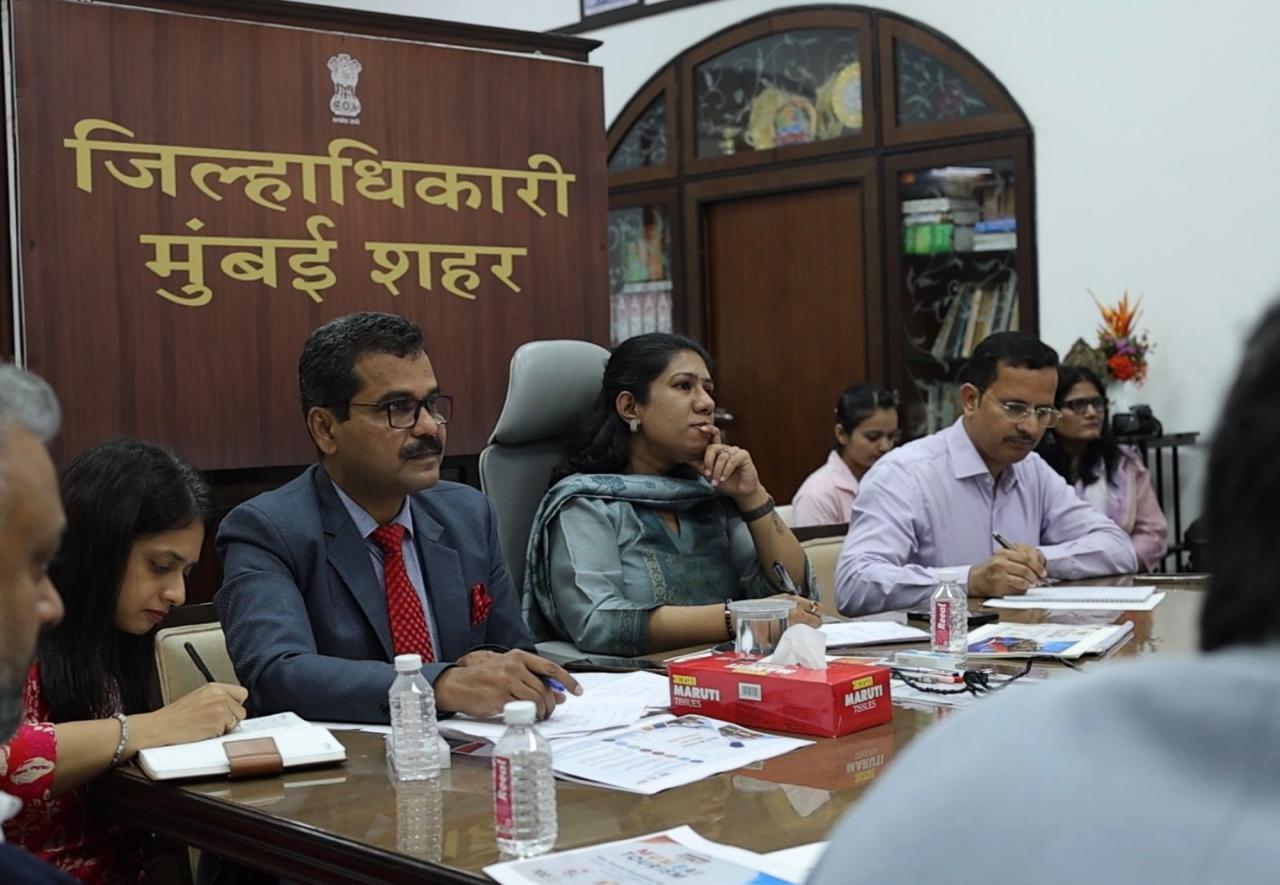 Unveiling of Mumbai Tourism Initiative
The initiative proposes greater involvement of local communities in tourism planning and decision-making, while creating opportunities for skills development and local livelihoods.
Mumbai Tourism is set for a strategic reset, with the city looking to move beyond its established image as India’s commercial and travel gateway and position itself as a destination built around curated, experience-led tourism.
The Mumbai City Collectorate, with the support of Maharashtra Tourism Development Corporation (MTDC), has unveiled the vision for the Mumbai Tourism Initiative, a year-long destination branding exercise aimed at strengthening the city’s tourism identity and expanding its appeal among domestic and international visitors.
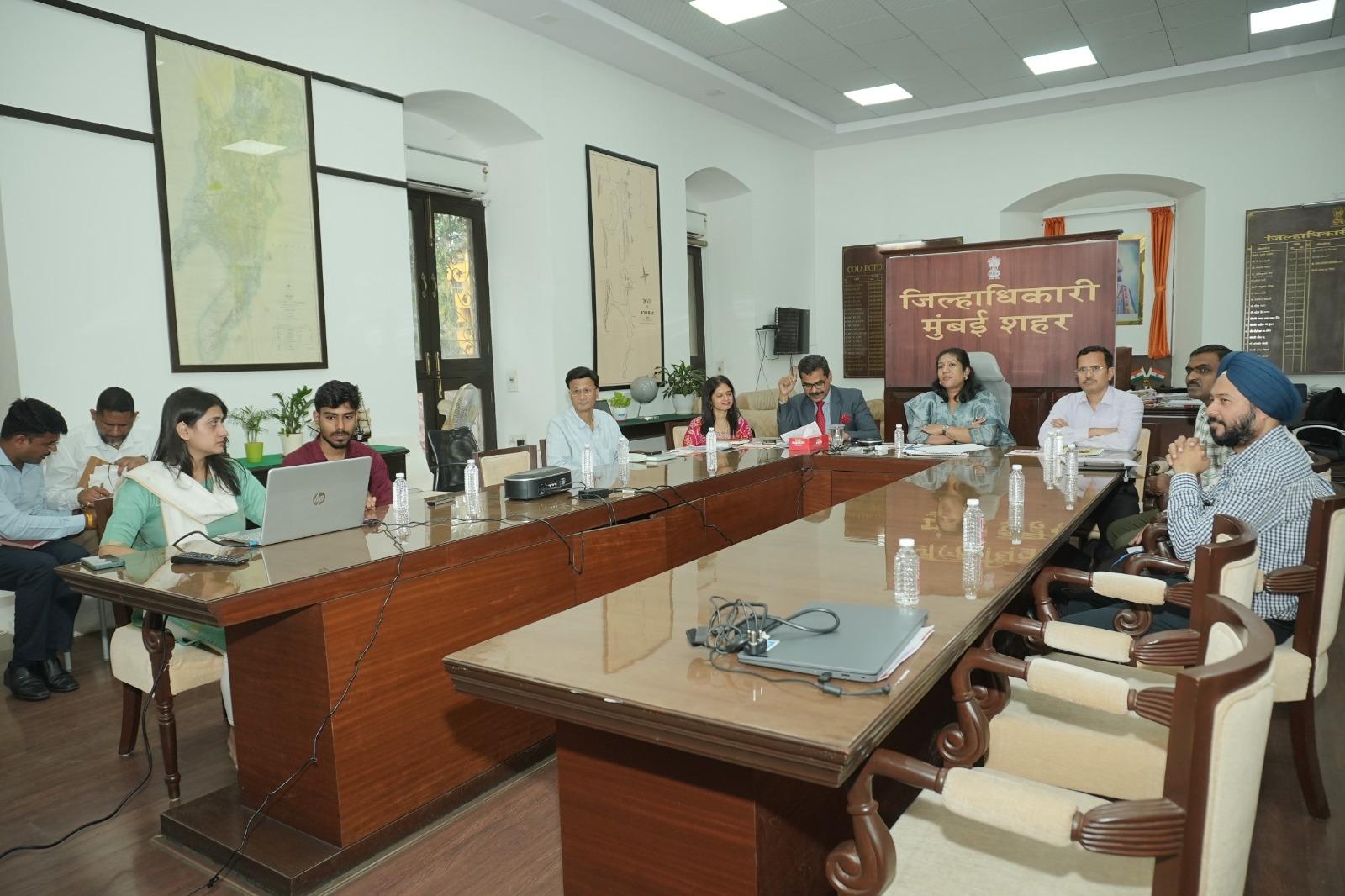
The strategy was presented at a pre-launch event hosted by the Collectorate of Mumbai City. The initiative was led by Aanchal Sood Goyal, IAS, Collector, Mumbai City, with MTDC supporting its implementation.
From gateway to destination
The strategy identifies a key gap in Mumbai’s tourism proposition: despite its strong connectivity, extensive hotel inventory and concentration of attractions, the city continues to see relatively short visitor stays and low tourism-led expenditure.
Goyal presented Mumbai as the second-largest airport for foreign tourist arrivals in India, accounting for 18% of total foreign tourist arrivals in 2024. The city has around 14,000 hotel rooms, ranks fifth among Indian cities in ICCA rankings and hosts around 2,000 events annually, around 60% of which are international. Mumbai also has three UNESCO sites and a strong culinary proposition.
Goyal noted that Mumbai is often used largely as a point of entry and exit, with visitors spending limited time in the city. She also highlighted factors like lower daily expenditure among visitors from Maharashtra compared with visitors from other states, limited stay duration, and short stopovers among cruise travellers.
The opportunity, therefore, is to convert Mumbai’s existing strengths into a more compelling tourism product that encourages visitors to stay longer and spend more.
Building unified Mumbai tourism platform
At the heart of the new strategy is the creation of a unified Mumbai tourism platform, anchored around the proposition ‘Mumbai Tourism Experiences’. The objective is to bring together attractions and tourism experiences that currently operate independently, create tourism circuits and give greater visibility to niche and experiential offerings.
The strategy identifies four broad outcomes: greater visibility for niche and experiential products; stronger integration between tourism circuits connecting heritage, nature, culture and community; longer stays and higher visitor spending; and increased livelihood opportunities for local communities.
The proposed platform is also expected to act as a digital gateway for the city, with plans for a Mumbai Tourism mobile app that can promote travel and hospitality products, provide ticketing and booking facilities, and create a more unified interface for visitors.
Moving beyond conventional landmark tourism
Goyal shared that the initiative is also looking to broaden the definition of what constitutes Mumbai tourism.
While iconic attractions will remain part of the proposition, the strategy brings a wider range of experiences into focus, including Mumbai Darshan, heritage tourism, eco-tourism, spiritual tourism, community tours, festival tourism, educational tourism, and museum and special-interest tourism.
According to Goyal, this would allow the city to package experiences around different visitor interests rather than relying predominantly on its best-known landmarks.
Community participation at the centre
Community participation is another important component of the strategy. The initiative proposes greater involvement of local communities in tourism planning and decision-making, while creating opportunities for skills development and local livelihoods.
The approach also calls for local heritage, culture and the environment to be protected alongside tourism development, with stronger collaboration between communities, businesses and government.
“The broader objective is to ensure that the economic benefits of tourism are shared locally while creating a more sustainable tourism ecosystem for the city,” Goyal shared.
Marketing and trade push
The repositioning will also be backed by a dedicated visibility and marketing programme. The proposed measures include a refreshed visual identity alongside print, electronic and digital campaigns, promotional films, social media and WhatsApp marketing, and a dedicated Mumbai Tourism mobile application.
The strategy also proposes a suite of visitor-facing marketing collateral, including guidebooks, pocket maps, newsletters, brochures and souvenir kits, alongside outdoor publicity campaign covering billboards, digital standees, bus wraps and banners.
MTDC plans to empanel businesses through expressions of interest, while travel and hospitality products will be promoted through the Mumbai Tourism app.
The strategy also envisages stakeholder consultations and think tanks, with industry participants encouraged to play an active role in shaping the city’s tourism development.