

Meghalaya unveils luxury tented circuit ‘Living Meghalaya’; prioritises domestic market, targets metros
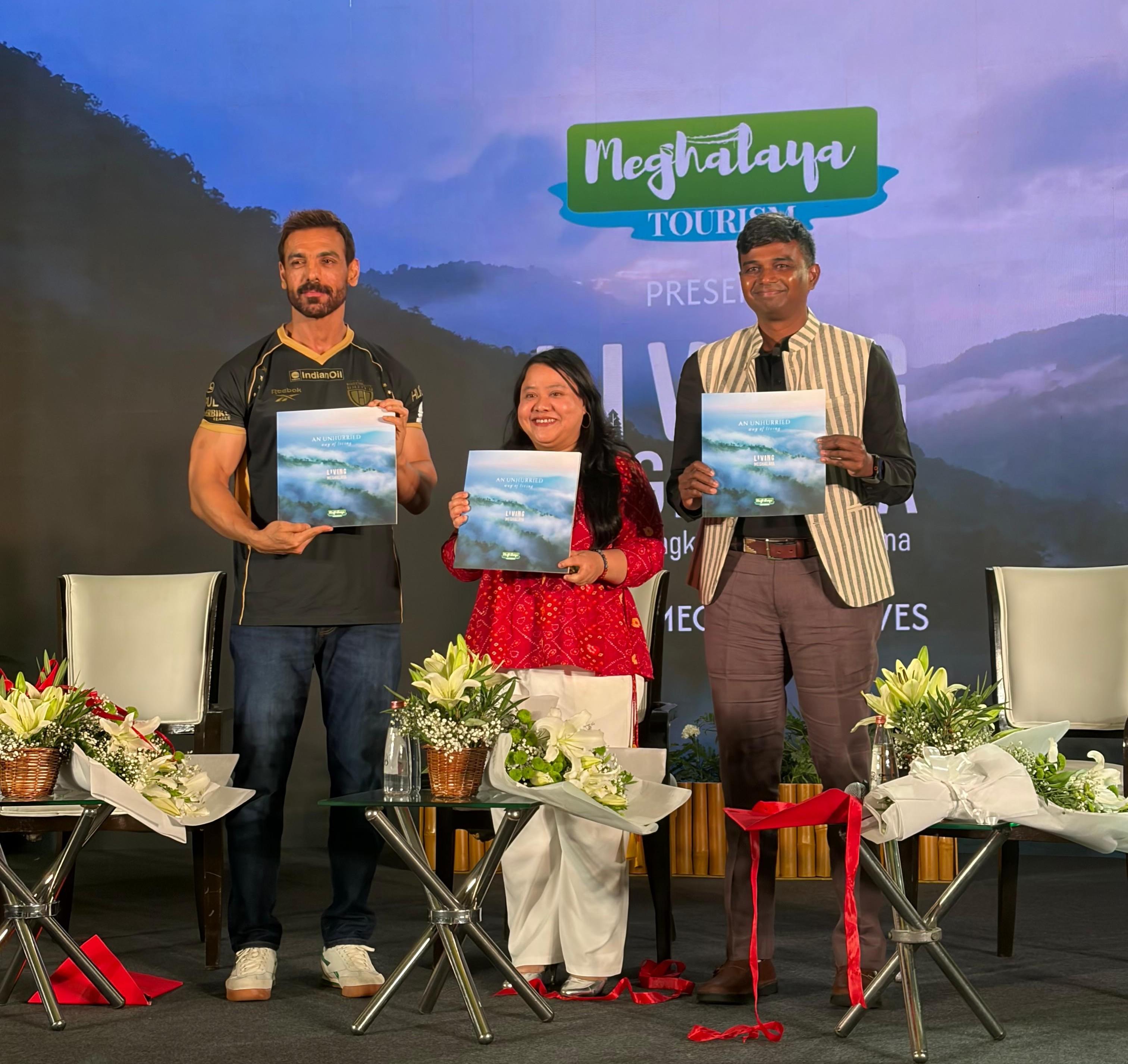 Launch ceremony of 'Living Meghalaya'
Meghalaya is looking to take its tourism proposition beyond conventional sightseeing with the introduction of ‘Living Meghalaya’, a collection of luxury tented stays developed by the Department of Tourism, Government of Meghalaya, in partnership with Evoke Experiences.
Branded as The Meghalayan Tri-Escape, the initiative brings together three distinct destinations, combining thoughtfully curated accommodation with locally rooted experiences, natural landscapes and opportunities for community participation.
Unveiled at The St. Regis Mumbai on November 16, alongside the launch of the Living Meghalaya website, booking platform and destination brochures, the initiative is part of the state's broader effort to diversify its tourism portfolio and encourage visitors to explore destinations beyond the established tourist circuit.
The three properties will open in phases, beginning with Living Umiam on December 15, 2026, followed by Living Jongksha on January 6, 2027, and Living Sakal A·duma on February 5, 2027. Each location has been conceived around a different landscape and cultural setting, offering travellers an opportunity to experience the state over a longer itinerary.
Dr. Vijay Kumar D, IAS, Commissioner and Secretary, Tourism Department, Government of Meghalaya, said, “Living Meghalaya invites visitors to go beyond sightseeing and to experience the land, people and stories through curated experiential stays at three locations: Umiam, Jongksha and Sakal A·duma. The initiative is guided by three principles: Land First, People First and Culture First.
Domestic market focus
When asked about the future strategy, targeted market, and response so far, Kumar added that while Meghalaya is keen to strengthen its international tourism appeal, the immediate commercial opportunity lies closer to home.
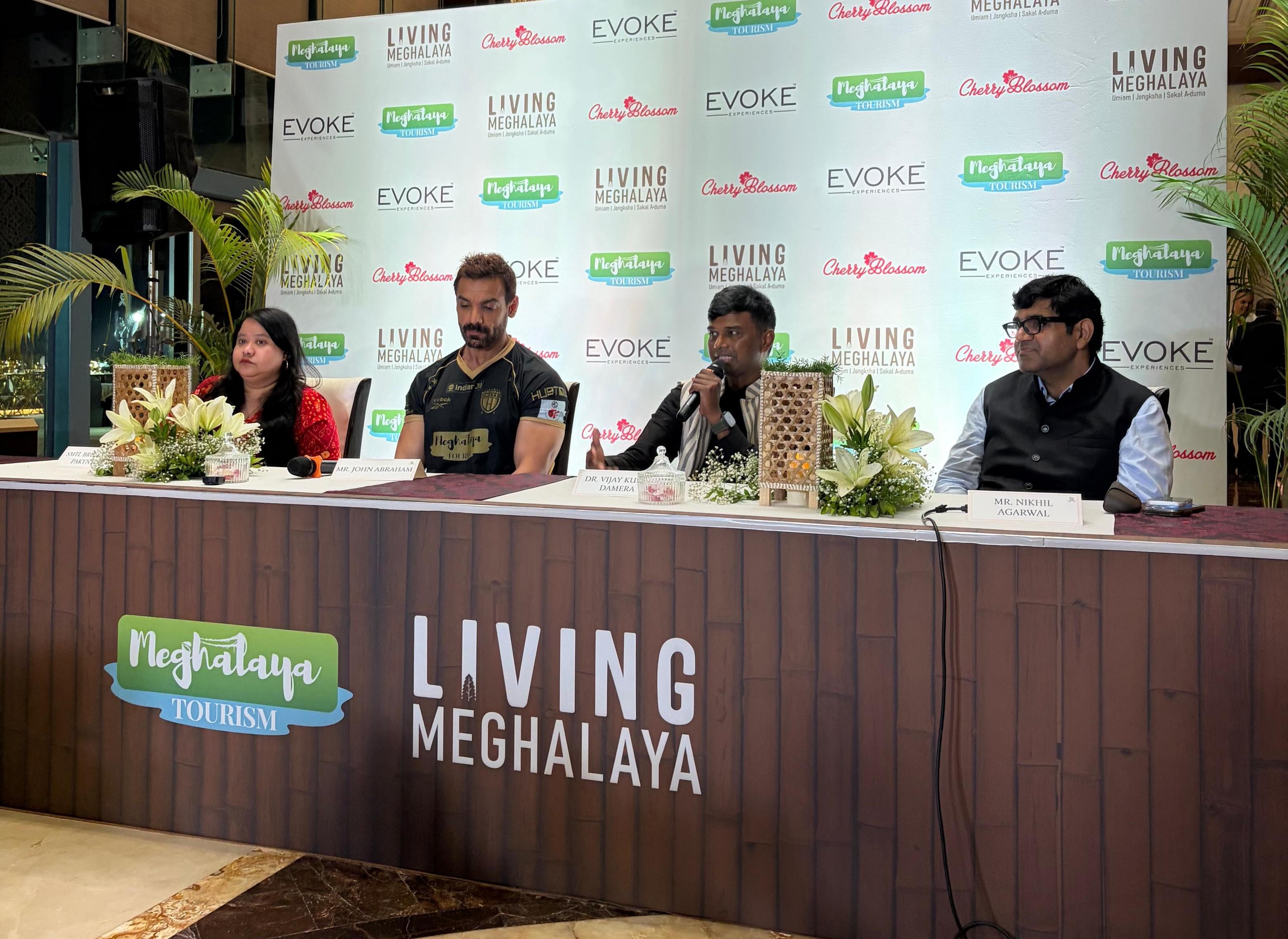
“The state currently receives around 18 lakh visitors annually, with international arrivals estimated at approximately 25,000 - 30,000. Our main target is the India market as of now. My belief is that we don't have to look at international so aggressively,” Kumar shared.
According to Kumar, the domestic market, particularly India's metropolitan centres, will remain the primary focus of its tourism strategy. The department is looking to attract more travellers from Mumbai, Delhi, Hyderabad and Bengaluru, where spending power and demand for differentiated travel experiences offer considerable potential.
Connectivity is another factor supporting this approach. Guwahati offers good connectivity to the region, while Shillong airport currently accommodates smaller aircraft, limiting the scale of air access directly into the state.
The department is also looking to strengthen engagement with the travel trade through familiarisation tours and destination-led events. Travel agents interested in experiencing Meghalaya can approach the tourism team for familiarisation visits, with the department extending invitations around major events and festivals, including the Cherry Blossom Festival.
Sustainability roadmap
When asked about the sustainability approach, Kumar added, that Meghalaya is a very community-oriented place. As visitor numbers grow, Meghalaya is also seeking to retain community participation and environmental responsibility at the centre of its tourism development. Dr. Vijay Kumar pointed out that several tourist sites across the state are managed by local communities, which have established their own regulations to protect natural surroundings.
At certain locations, restrictions are in place to prevent visitors from carrying plastic into the sites. Some destinations also follow visitor carrying capacities, limiting the number of people permitted on a particular day to prevent environmental degradation.
The Living Meghalaya initiative also seeks to translate this approach into its hospitality offering by creating opportunities for local residents to participate in the visitor economy.
Wider tourism footprint
For Evoke Experiences, the three properties represent an opportunity to develop a more geographically distributed tourism offering, supported by curated accommodation and meaningful local participation.
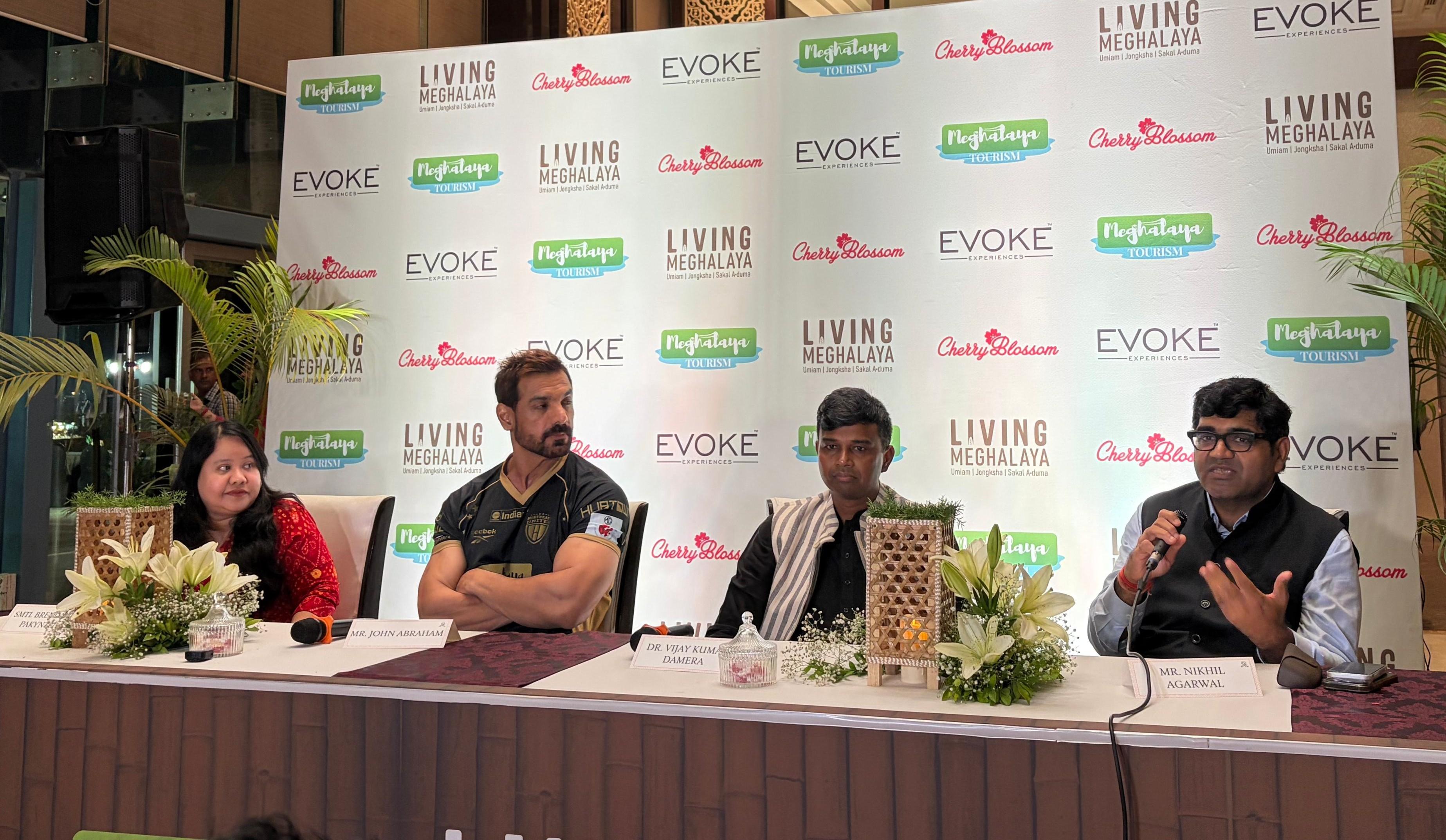
Nikhil Agarwal, Director, Evoke Experiences, said, “Meghalaya has extraordinary tourism potential, but much of the visitor movement remains concentrated around a few established destinations. With Living Meghalaya, we are bringing together three very different experiences, from the lakefront at Umiam and the Khasi highlands at Jongksha to the forests of the Garo Hills. The idea is to develop destinations that travellers can explore over several days, supported by comfortable accommodation, curated experiences and meaningful local participation. We believe this approach can help distribute tourism activity across a wider geography while creating new opportunities for local communities.”
Three distinct escapes
At Umiam, 100 luxury tents will overlook the reservoir and its surrounding pine-covered hills. Located along the Guwahati–Shillong corridor, the property will offer suites, a Crown Villa, and premium and deluxe accommodation, alongside lakeside activities, adventure experiences and cultural programming.
Living Jongksha, situated approximately 35 kilometres from Shillong, will comprise 100 tents and draw on the character of the Meghalaya’s highlands. Its experiences will centre on Khasi village, local cuisine, traditional crafts and community life, with accommodation options including suites, a Crown Villa, and premium and Vista categories.
Further into the Garo Hills, Living Sakal A·duma will be set amid the forests of the Nokrek Biosphere Reserve. With 50 accommodation units, including deluxe tents and Citrus Pods, the property is envisioned as a quieter, nature-led retreat, with guided excursions and experiences centred on the surrounding environment.
Beyond accommodation, the initiative seeks to create a more direct connection between visitors and local communities. Craft and food bazaars at Jongksha and Sakal A·duma will feature 30 stalls each, bringing together local artisans, weavers and home cooks. The properties will also generate employment and entrepreneurial opportunities for residents, while incorporating regional design elements such as Khasi and Jaintia handlooms, bamboo, wickerwork and locally sourced materials.
Building Meghalaya’s sports tourism appeal
Adding a personal perspective to the state's tourism proposition, Guest of Honour, John Abraham spoke about his long-standing association with Meghalaya, which began through football and has continued over the past 14 years. He described the state as one of India's most beautiful and relatively unexplored destinations, highlighting its welcoming people, landscapes and cultural richness. He also acknowledged the efforts of Meghalaya Tourism in showcasing the destination and said the new initiative would allow visitors to experience the state beyond its conventional tourist trails.
Abraham also highlighted the potential of sports tourism in Meghalaya. He spoke about the development of a major football stadium in Shillong, which is being constructed to international standards. With a proposed capacity of 40,000, the facility is expected to add to Meghalaya's sporting infrastructure.
“Meghalaya Tourism has done a wonderful job of showcasing the state, and the Living Meghalaya initiative takes this experience a step further by offering travellers an authentic, immersive experience of its landscapes, communities and way of life. It allows visitors to discover Meghalaya beyond the usual tourist trails,” shared Abraham.