

DS Group targets 2X hotel inventory by 2029 with INR 1,000 crore investment
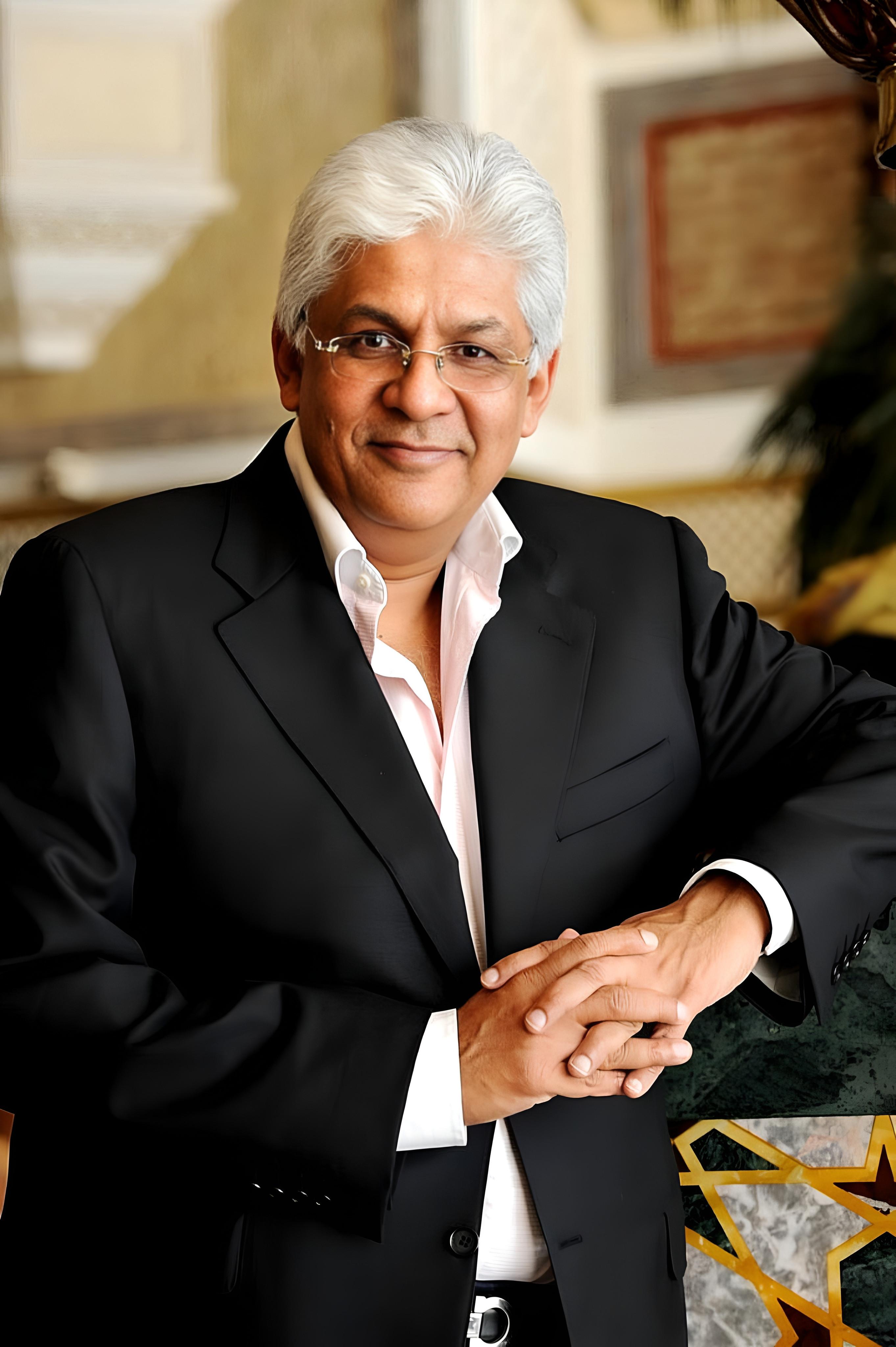 Nathan Andrews (DS Group)
The upcoming W Delhi NCR is part of the group’s wider hospitality expansion, with half of the additional room inventory already under construction. Nathan Andrews, Business Head – Hospitality at DS Group, shares more with T3.
Alongside the launch announcement of the W Brand in Delhi NCR, the Dharampal Satyapal Group (DS Group), an FMCG conglomerate and multi-business corporation, is stepping up its hospitality expansion with an INR 1,000-crore investment commitment over the next few years, with plans to increase the hotel room inventory up.
Nathan Andrews, Business Head – Hospitality at DS Group, shared that even though hospitality may account for only around 4% of group turnover today, the business is entering a significantly more aggressive expansion phase. The group, which has been in hospitality for more than a decade, is using a combination of new developments, expansion of existing assets and partnerships with international hotel operators to scale its portfolio.
“We plan to double the room inventory by 2029. We’ve committed an investment of INR 1,000 crore in the next few years,” Andrews shared with T3. He added that the expansion will primarily focus on the luxury and mid-scale segments, along with high-growth Tier I and II cities. Importantly, the expansion is already moving beyond the planning stage. According to Andrews, half of the additional room inventory targeted under the doubling plan is already under construction.
Currently operating six properties, Namah Nainital, Namah Jim Corbett, Radisson Blu Guwahati, InterContinental Jaipur, Renaissance Bengaluru, and Holiday Inn Express Kolkata, the group is set to launch Marriott International's W Hotels brand in Delhi NCR. Other new assets are currently under negotiation and remain undisclosed.
W Delhi NCR to anchor lifestyle-led luxury push; opening in 2027
The upcoming W Delhi represents DS Group’s push into a different segment of the luxury market. The approximately INR 400-crore project, with 200 rooms, strategically positioned near Aerocity and Indira Gandhi International Airport, is scheduled to open in September 2027. The hotel is being positioned not as another conventional luxury hotel in an increasingly crowded Delhi hospitality market, but as a lifestyle-led property targeting a younger demographic.
Andrews said the group deliberately wanted a hotel that would “stand out from the crowd” rather than replicate the traditional luxury proposition prevalent in the Aerocity ecosystem.
“W is positioned as luxury, but it is seen more as a lifestyle brand,” he said, pointing to its younger and more energetic positioning. The property is expected to target guests primarily in their 30s and early 40s, while also catering to business, MICE, weddings and leisure demand through its large banquet offering.
Notably, W Hotel Delhi NCR will become the second operational W property in India after Goa. Andrews pointed out that every W property is intentionally designed to be unique, with the Delhi hotel being conceived as a city property rather than a resort.
While DS Group is increasing its hospitality footprint, it is not looking to become a hotel operator in the conventional sense. Its strategy remains asset-led, with hotel brands and operators brought in according to the requirements of individual markets.
That approach is already reflected across its portfolio, which spans different segments and brands. The group has a Holiday Inn Express in Kolkata, which Andrews described as extremely successful from an ROI perspective, alongside luxury properties including W and InterContinental in Jaipur.
“Our strategy is not to manage our own assets, but we develop it with the operator and let the operator manage it,” said Andrews.
Looking beyond the current hotel cycle
The expansion comes at a time when DS Group sees considerable headroom in India's hospitality market, despite the challenges associated with bringing new hotels to market.
Andrews identified the long gestation period of hotel projects as one of the biggest risks facing the sector. Hotels can take several years to reach the market, leaving developers exposed to changes in demand and market conditions during the development cycle, he said.
Yet he remains positive about the medium-term outlook. “Looking at the market ahead, it looks reasonably stable and positive for the next couple of years.”
He also pointed to the structural gap between India's scale and its organised luxury hotel inventory as an opportunity for further development. The comparison, he noted, is particularly stark when India is measured against smaller markets such as Singapore and Dubai, which have substantial five-star inventories despite their significantly smaller geographic footprints.
Inbound recovery remains an upside
For the hotel industry, Andrews believes the next phase of growth will not come only from India's strong domestic travel market. International arrivals remain below pre-COVID levels, while outbound travel is substantially higher than inbound travel, leaving a sizeable gap that could provide additional demand for hotels as it narrows.
“I would look at it as an upside waiting to be tapped,” he said.
While domestic tourism has helped keep the hospitality market buoyant, Andrews believes the eventual recovery of inbound tourism and international business travel could provide another layer of demand.