

Zostel records surge of 76% in mountain bookings this June
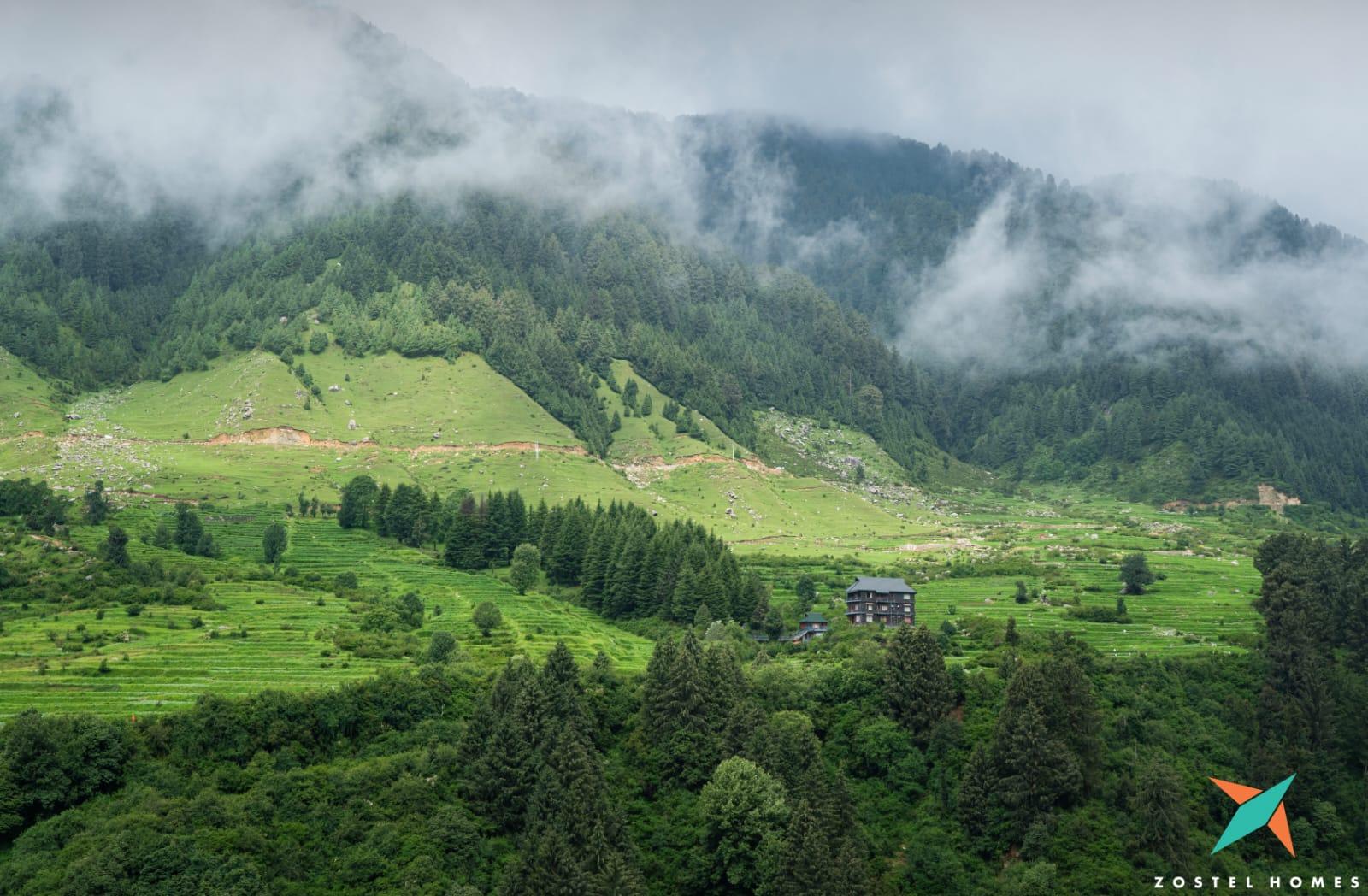 Zostel Monsoon
Dobhi, Rajgundha, and Kareri have recorded some of the strongest footfall growth of the season, driven entirely by organic demand and peer recommendation.
Zostel Homes across Shimla recorded a 76% year-on-year jump in bookings this June. Destinations including Srinagar, Tirthan Valley, and Gangtok have seen close to 95% incremental growth in footfall compared to the same period last year. Overall mountain bookings across the Zostel network are up 7% to 9% year on year, and perhaps the most telling detail in the entire dataset: nearly 48% of those bookings were made within three days of the travel date. The monsoon mountain traveller is not planning weeks. They are deciding and acting, almost simultaneously.
Booking behaviour further reveals that this is becoming a repeat pattern rather than a one-time impulse. The 72-hour booking window dominates, with most remaining bookings coming in seven to ten days in advance. The traditional planning cycle built around early-bird rates and advance consideration is being bypassed entirely by a consumer who has already made up their mind. The typical mountain traveller this June is young, urban, and acting on instinct rather than itinerary, increasingly comfortable making significant travel decisions on very short notice and following through without hesitation.
The destinations Indians are choosing for mountain travel this June reflect a growing appetite to move beyond the obvious. Shimla leads overall booking volumes, and its 76% spike signals genuine demand acceleration even in an established destination, but the more interesting story is in the destinations that were not on most travel lists a year ago. Dobhi, Rajgundha, and Kareri have recorded some of the strongest footfall growth of the season, driven entirely by organic demand and peer recommendation rather than marketing or infrastructure. Alongside these, Srinagar, Tirthan Valley, and Gangtok are drawing travellers from cities as far as Bangalore and Mumbai, reinforcing that distance is no longer the deterrent it once was.
The data also points to a broader geographic shift in who is making these trips. Non-metro travellers accounted for 67% of mountain footfall at Zostel properties this June, up from 65% last year. Bangalore, Mumbai, Pune, Delhi NCR, and Hyderabad lead as source cities, but the growing contribution of Tier 2 and Tier 3 cities in India is the more significant structural signal. Mountain travel is no longer concentrated in the hands of the urban professional with a flexible schedule and disposable income. It is spreading, and it is spreading fastest in the markets the organised hospitality sector has historically underserved.
As this momentum builds, the rise of June mountain travel represents more than a seasonal trend. It reflects a deeper shift in how a generation of Indians is choosing to respond to the pressures of urban life, not by pushing through but by stepping away, deliberately and with growing confidence. 76% in Shimla, 95% across emerging destinations, and 48% who decided in under three days are not isolated data points. They are early signals of a lasting change in domestic travel behaviour, one that is redefining what the monsoon season means for Indian tourism and what it means for the millions of Indians who are choosing, one last-minute booking at a time, to meet it somewhere above the clouds.