
Tourism leaders react to PM Modi’s call to cut foreign travel amid energy crisis
 PM Narendra Modi-2
- "This is the right opportunity to aggressively promote inbound tourism, which generates employment and valuable foreign exchange for India." - Ravi Gosain
- "Inbound tourism numbers have been under pressure, and this moment requires more than sentiment — it demands action." - Jyoti Mayal
- I am not convinced that the Prime Minister’s appeal will significantly boost inbound tourism." - Abbas Moiz
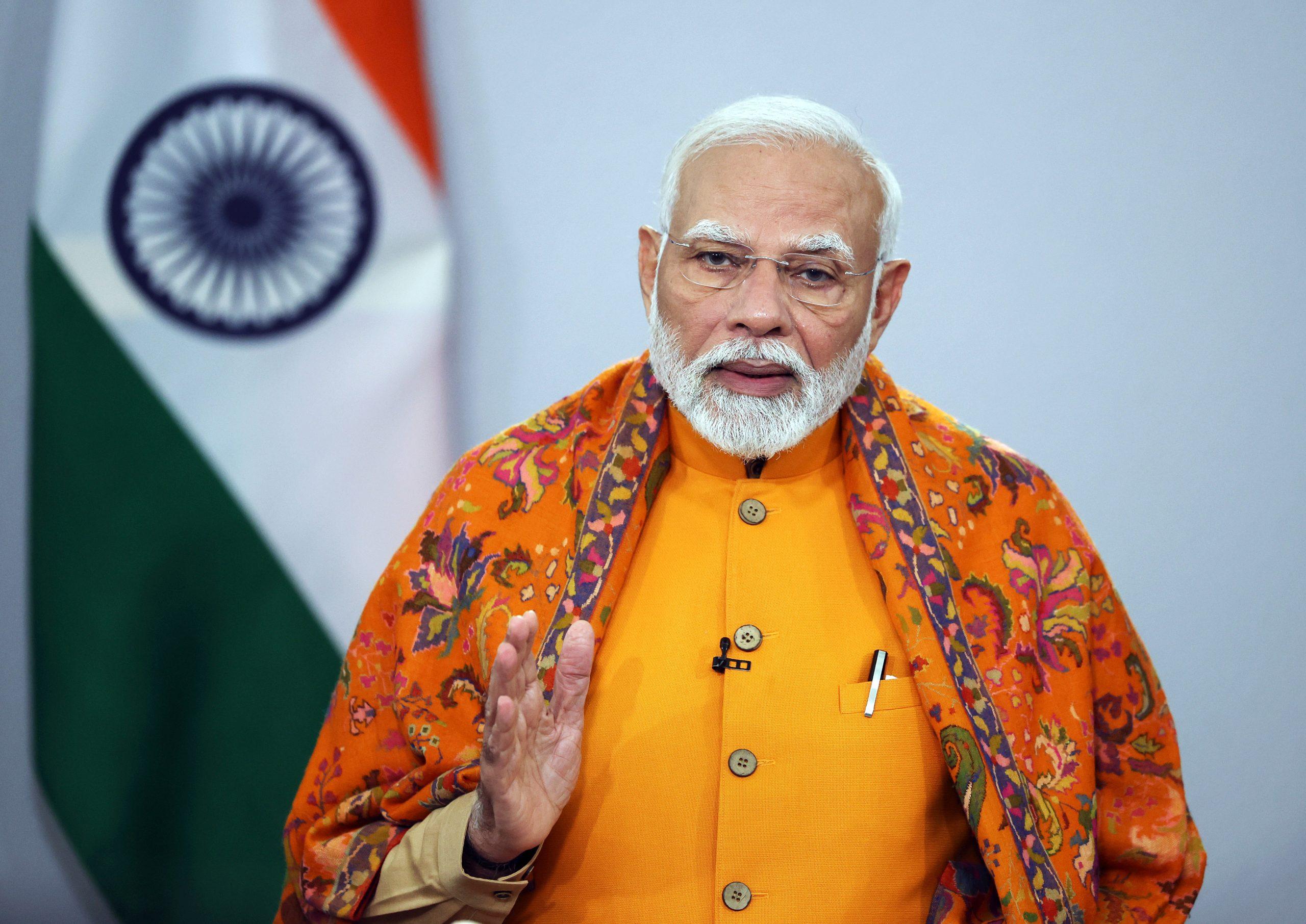
As global energy market disruptions continue and summer holiday travel peaks, Prime Minister Narendra Modi has urged Indians to adopt a more restrained and responsible lifestyle to help ease pressure on the country’s foreign exchange reserves and fuel consumption.
Addressing a public gathering in Hyderabad recently, Modi called on citizens to reconsider overseas vacations, destination weddings abroad and excessive fuel usage amid rising crude oil prices linked to the prolonged US-Iran conflict.
Highlighting the economic impact of the crisis, Modi noted that India, which imports nearly 90 per cent of its crude oil requirements, is facing mounting pressure due to the sharp increase in oil prices and continued disruption around the Strait of Hormuz, one of the world’s most crucial oil transit routes.
The Prime Minister said conserving resources should now be viewed as a form of national duty. “Patriotism is not only about sacrificing one’s life at the border. In these times, it is also about living responsibly and fulfilling our duties in everyday life,” he said.
As part of the appeal, Modi encouraged people to postpone or limit foreign holidays for at least a year and instead prioritise domestic travel. He also advised families to avoid hosting destination weddings overseas, pointing out that such activities contribute significantly to foreign exchange outflows during peak travel seasons.
The remarks come at a time when outbound travel demand from India remains strong, particularly during the summer holiday period, with Indian travellers flocking to destinations across Southeast Asia, Europe and the Gulf.
Beyond travel, Modi also pushed for measures aimed at reducing fuel consumption. He urged citizens to make greater use of metro rail systems, public transport, carpooling and electric vehicles. He further recommended increased movement of freight through railways to improve energy efficiency.
The government’s focus, Modi said, is to minimise unnecessary expenditure of foreign exchange while helping the country navigate a period of heightened global uncertainty and rising energy costs.
- Industry Leaders Respond


Supporting the Prime Minister’s appeal, Ravi Gosain, President of the Indian Association of Tour Operators (IATO), told T3, “PM Narendra Modi ji’s appeal reflects national responsibility in challenging global economic times. Indian tourism industry stands with the nation. This is also the right opportunity to aggressively promote inbound tourism, which generates employment and valuable foreign exchange for India."
Echoing similar sentiments, Jyoti Mayal, Chairperson of THSC, said, “Prime Minister Modi’s call to reduce foreign travel amid the global energy crisis is timely and could indeed redirect attention toward India’s own destinations. However, inbound tourism numbers have been under pressure, and this moment requires more than sentiment — it demands action. Marketing budgets must be increased, campaigns need sharper focus, and the industry must work collectively to showcase India as a compelling alternative to overseas travel. If we seize this opportunity with full commitment, 2026 could well become a turning point for inbound tourism & more growth for domestic tourism.”
Sharing a balanced industry perspective, Abbas Moiz, President of the Travel Agents Federation of India (TAFI), noted that domestic tourism has already been witnessing strong momentum over the past few years, a trend that has further accelerated this year due to limited availability of international flight seats.
Moiz shared, “Domestic tourism has been growing steadily over the last few years, and this year it has strengthened even further as the scarcity of international flight seats encouraged more travellers to explore destinations within India. However, I am not convinced that the Prime Minister’s appeal will significantly boost inbound tourism. If international travel out of India is constrained, airlines are unlikely to run inbound routes with weak passenger loads. Prioritising national fuel security in such a scenario would likely reduce overall demand across travel and tourism.”