
Tourism industry needs a 2030 roadmap backed by reforms, collaboration: Puneet Chhatwal
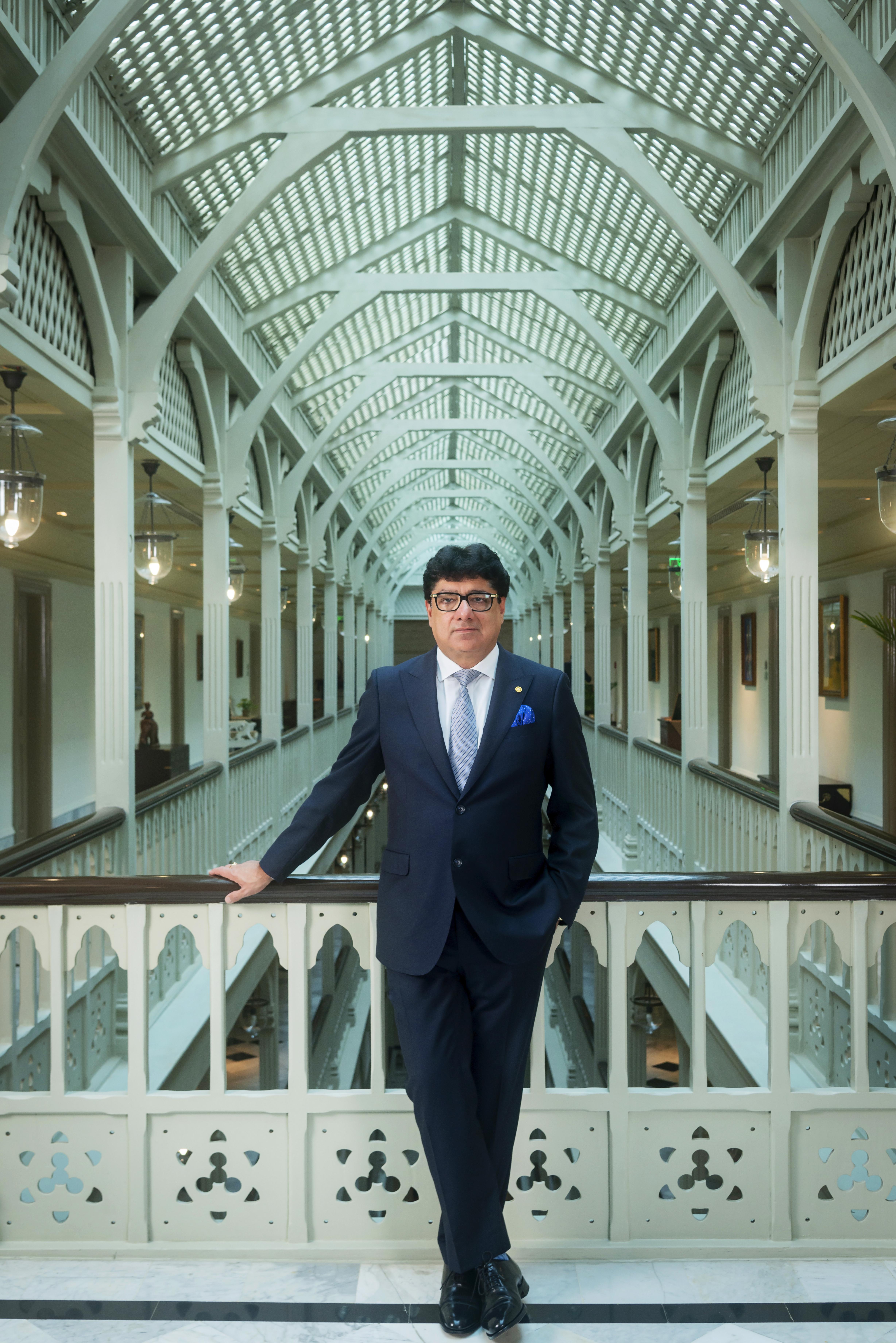 Puneet Chhatwal, MD & CEO, IHCL & FAITH Chairman
“The long pending demand of being granted infrastructure and industry status and facilitating ease of doing business while adding tourism to the concurrent list, will together boost institutional investments,” he said.
Ahead of the upcoming FAITH Conclave 2026, the Indian tourism industry is expected to shift the policy conversation from tourism promotion to tourism economics, with stakeholders seeking measurable growth targets for 2030 and reforms aimed at unlocking greater investment.
Speaking ahead of the 2nd edition of FAITH Conclave, Puneet Chhatwal, Chairman of Federation of Associations in Indian Tourism & Hospitality (FAITH) & Managing Director and CEO of the Indian Hotels Company Limited (IHCL), said this year's theme, “Incredible India: Invaluable Economics,” reflects the need to position tourism as a strategic contributor to India's economy rather than merely a cultural asset.
According to Chhatwal, the sector is already benefiting from the government's sustained infrastructure investments, particularly the expansion of airport capacity in gateway cities such as Mumbai, Bengaluru, Hyderabad and Delhi, alongside improvements in road and rail connectivity through new expressways and highways.
“Travel and Tourism has been witnessing buoyancy in demand on the back of the government's sustained infrastructure led investments like expansion of airport capacity in key gateway cities of Mumbai, Bengaluru, Hyderabad and Delhi. In addition, the growth of road and rail network with the opening of key expressways and highways are connecting major cities to tourist hotspots and emerging destinations,” he said.
Chhatwal added that by 2030, India should aspire to establish tourism among its leading growth sectors by increasing visitor numbers while maximising economic value, regional development and employment generation. He also underlined the need for policy interventions that have long been advocated by the industry. He added that India's tourism potential could be fully realised through stronger last-mile connectivity, enhanced destination infrastructure and higher carrying capacity.
Referring to the Union Budget announcement made by Finance Minister Nirmala Sitharaman, he noted that the proposed development of the country's top 50 tourist destinations in partnership with states through Mission Mode could significantly strengthen the sector.
He further reiterated the industry's longstanding demand for infrastructure and industry status for tourism, along with inclusion of tourism in the Concurrent List and measures to improve ease of doing business, saying these reforms would help attract institutional investments by improving access to lower-cost capital.
Calling for greater collaboration between the government and the industry, Chhatwal said the focus should now be on defining measurable 2030 targets supported by a shared implementation roadmap and time-bound reforms.
“The industry and government have an opportunity to align around 2030 targets, shared implementation roadmap and time-bound policy reforms. This transformation should be driven with clear priorities and measurable outcomes that together can position tourism as one of India's most powerful engines of economic growth,” he said.
Chhatwal, in his previous comments, has consistently argued that India's tourism ambitions require measurable economic outcomes rather than visitor growth alone. Ahead of last year's FAITH Conclave, he had called for a national roadmap with time-bound milestones tracking infrastructure development, employment generation and investment flows, noting that India's tourism economy contributed around USD 250 billion in 2024 and has the potential to grow into a USD 3 trillion tourism economy by 2047.
Looking ahead to Conclave’s 2nd edition, Chhatwal said that the event this year provides the right platform to shape this agenda, emphasising that “the next decade must be about converting extraordinary potential into sustained economic impact, inclusive growth and global competitiveness.”
Notably, the Conclave’s 2nd edition is scheduled to take place from July 16 to 17 in New Delhi. The Conclave’s agenda is designed to address the key pillars of India's tourism ecosystem and will focus on key priorities for India’s tourism sector, including year-round leisure tourism, aviation-led growth, hospitality competitiveness, frontier tourism and sustainable tourism development.