

To Georgia, with love!
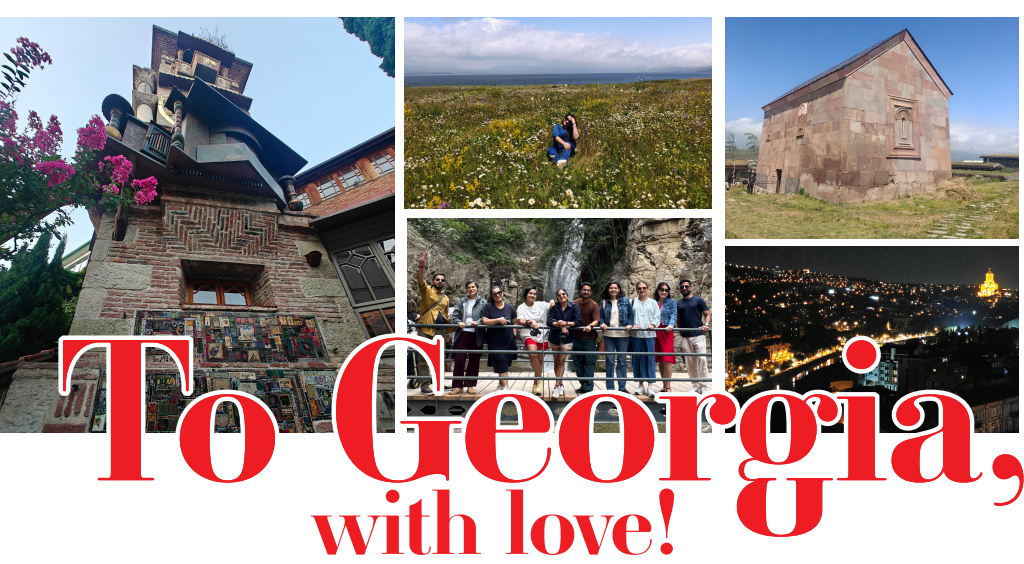 Print collage snapshot
Wine, culture, history, lush greens and warm Georgian hospitality come together in a destination that is fast becoming a sought-after choice for Indian travellers. Here's why:
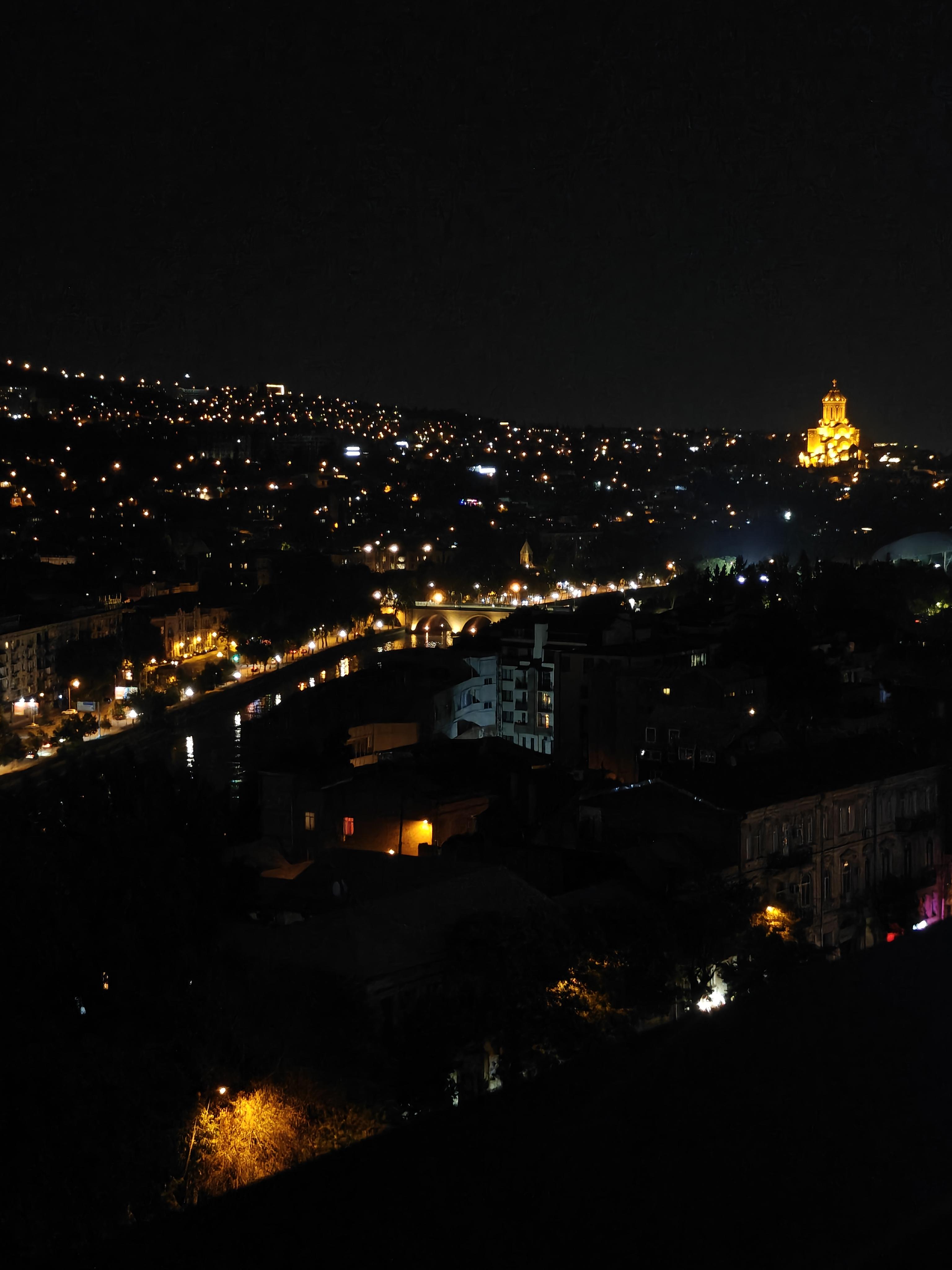
Some countries make you stop and look. Georgia makes you sit down, pour yourself a glass of wine and stay awhile. A vineyard disappearing into the Caucasus. An entire medieval city hidden inside a mountain. Wine made in clay vessels buried beneath the earth. The first, magical look of Parvani Lake, set against the vast expanse of blues and greens. A table crowded with Khachapuri, Churchkhelas, Khinkali and stories. A Tbilisi evening that begins with a walk through the old city, gushing bazaars and somehow ends in a Chacha bar, much later than planned.
Wedged between the Caucasus mountains, with the Black Sea to the west and borders with Russia, Turkey, and Azerbaijan, Georgia packs an extraordinary variety of landscapes and experiences into a relatively small country.
Our recent journey through Georgia, on a familiarisation trip organised by the Georgian National Tourism Administration with its India market representative Think Strawberries, was less about ticking off attractions and more about discovering the layers that make the country increasingly compelling for Indian travellers.
Tbilisi: The capital city built on layers
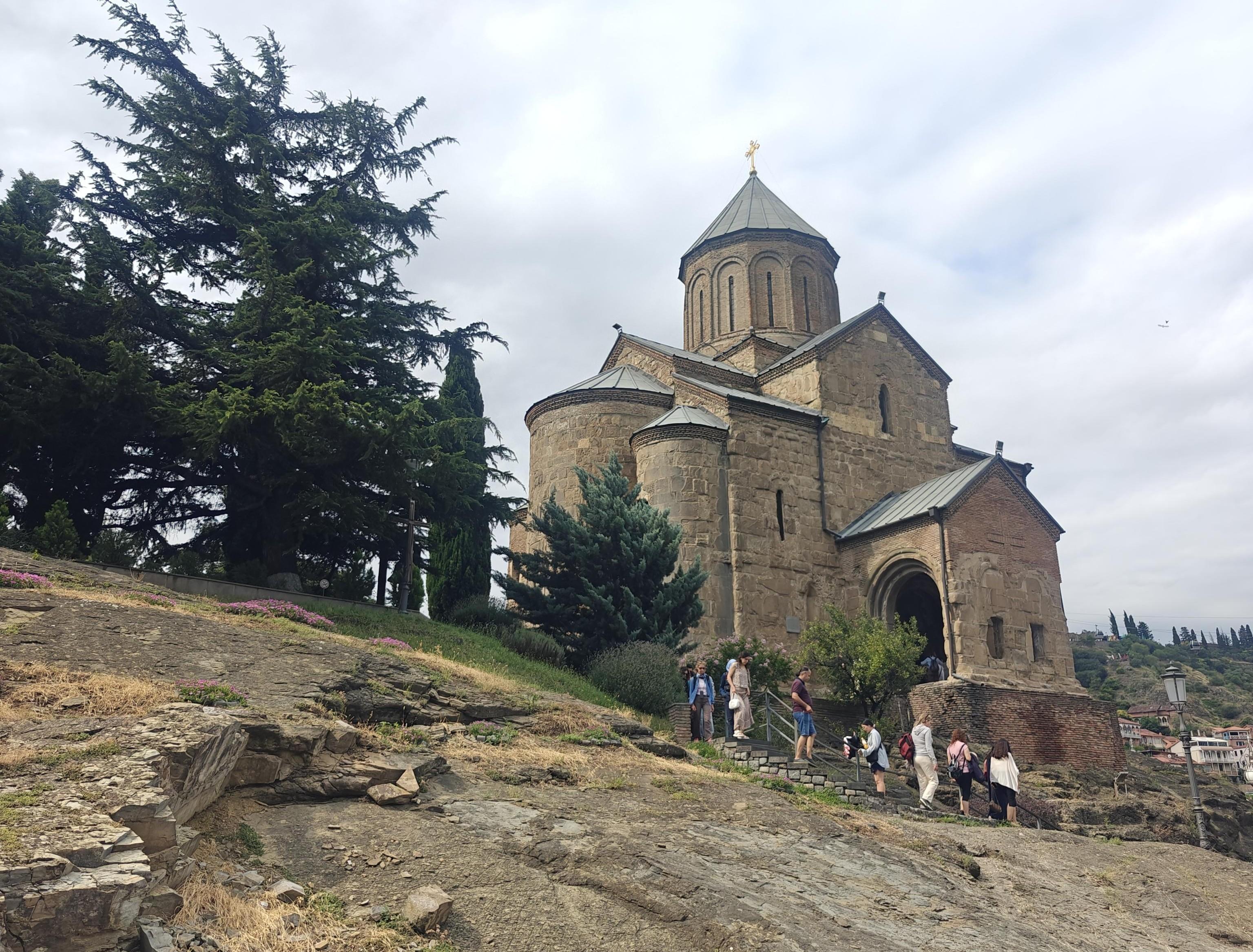
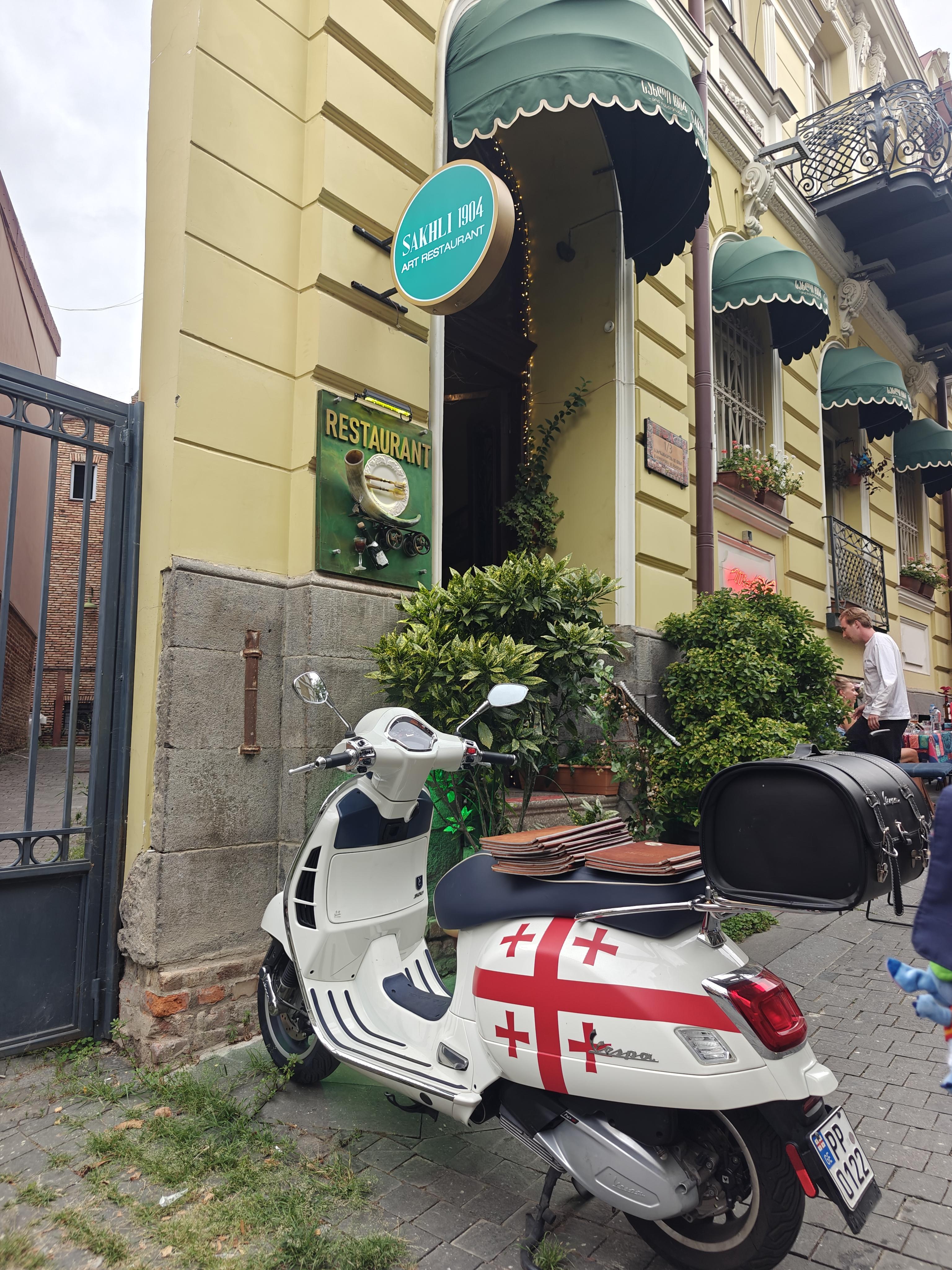
Tbilisi is the natural introduction to Georgia, but it does not behave like a conventional capital city. The old and new coexist almost casually. Walk through the historic centre, and you will see the wooden balconies, churches, courtyards, narrow lanes and contemporary restaurants within minutes of one another.
If you look at the Old Town, the ancient Narikala fortress, perched above the city, predates the establishment of Tbilisi as the capital and remains one of its defining, most visited landmarks. The old city’s traditional architecture, particularly the small houses with intricately carved wooden balconies, remains one of the most distinctive visual signatures of Tbilisi. And then there is the ‘Mother of Georgia’, the imposing statue overlooking the city. Holding a bowl of wine in one hand and a sword in the other, she embodies a Georgian idea of hospitality.
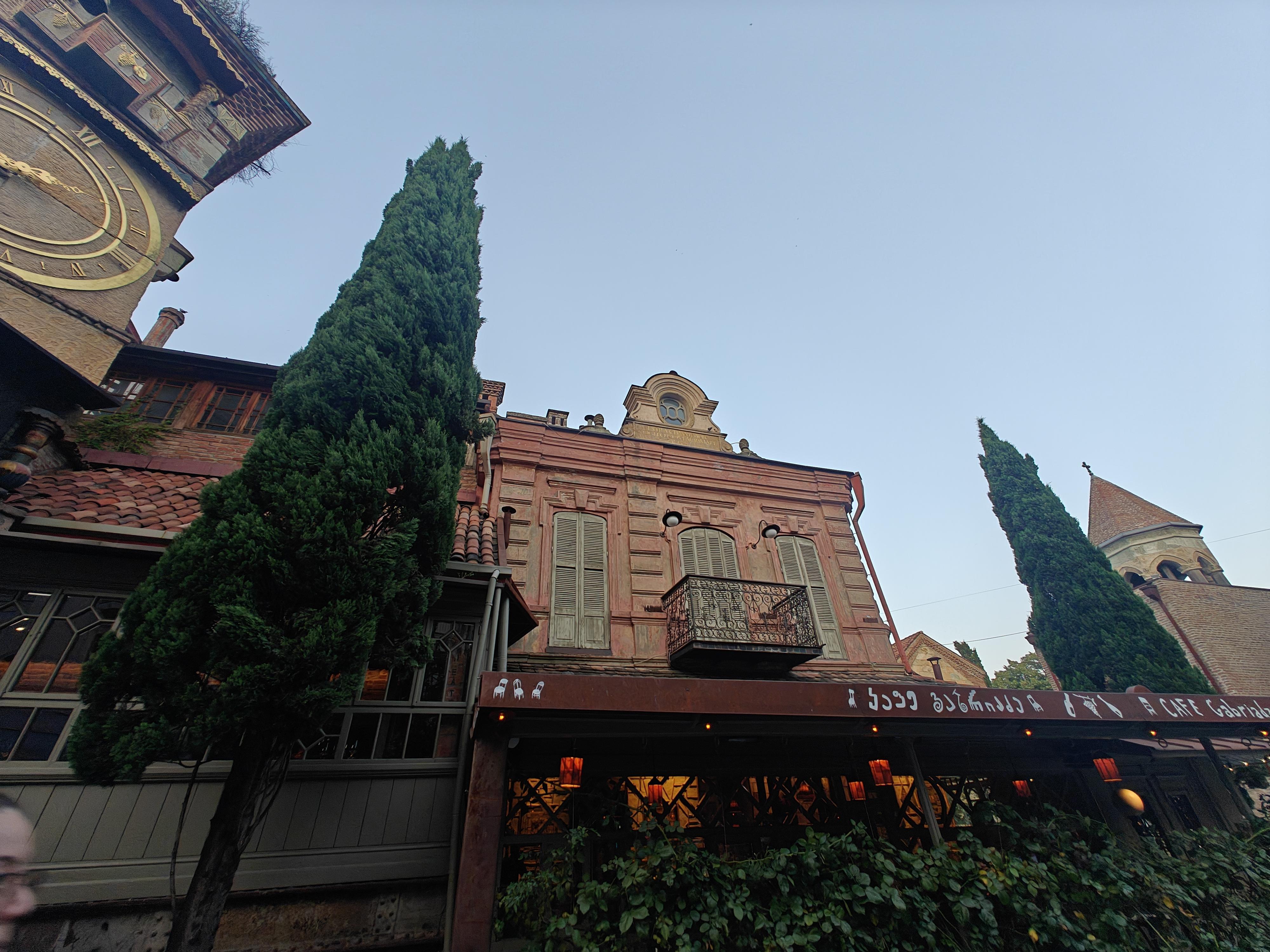
The Old Town is also home to the famous clock tower associated with Rezo Gabriadze and his marionette theatre, a whimsical landmark that has become one of Tbilisi's most recognisable sights. When here, don’t miss the dining experience at the Gabriadze Cafe that offers fine Georgian cuisine and a wide selection of local wines.
Meidan Square, an underground market, is a good place to begin when in old town. Historically one of the major trading areas of Tbilisi, today's Meidan retains that sense of exchange through its underground Bazaar selling souvenirs and more.
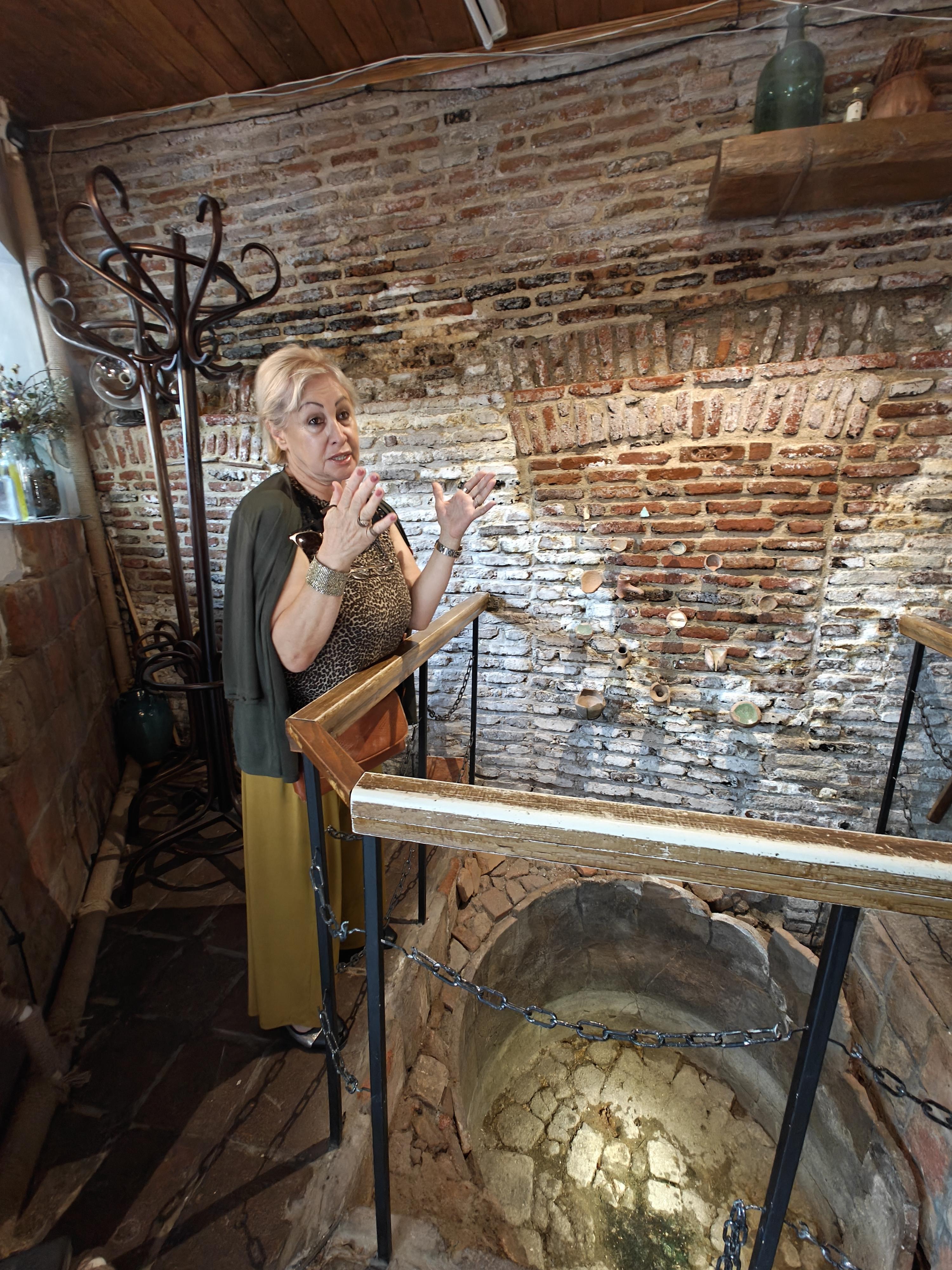
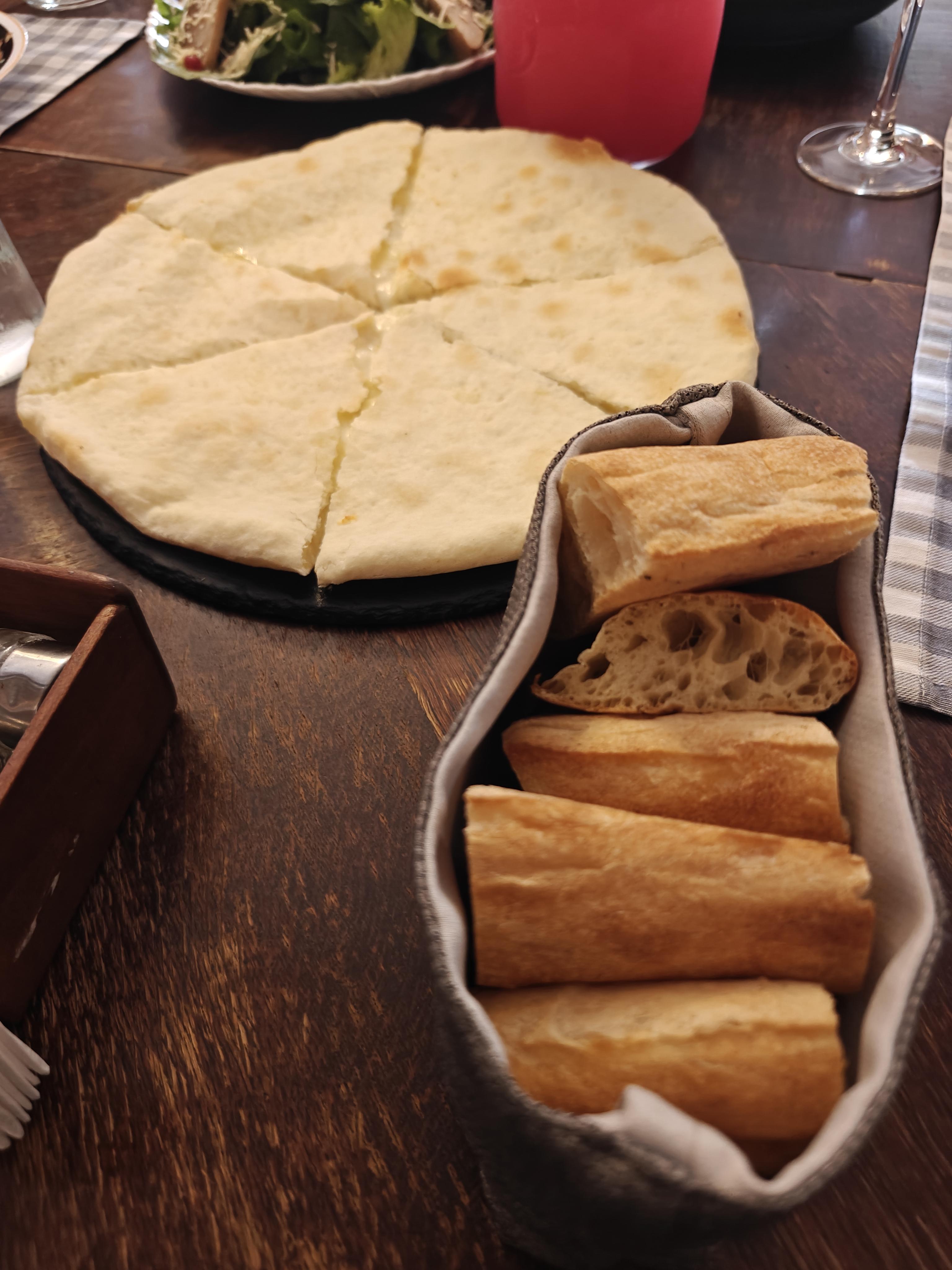
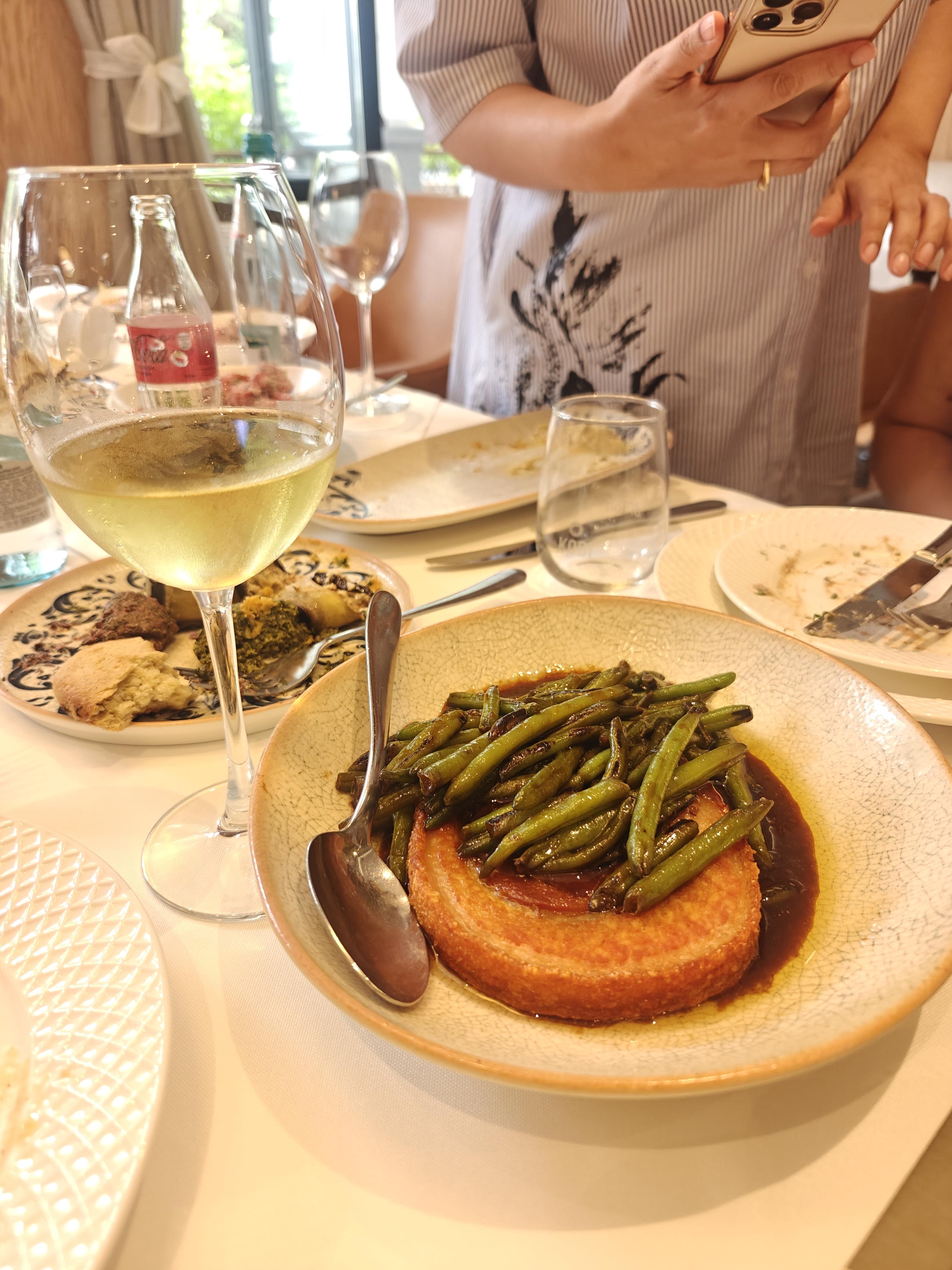
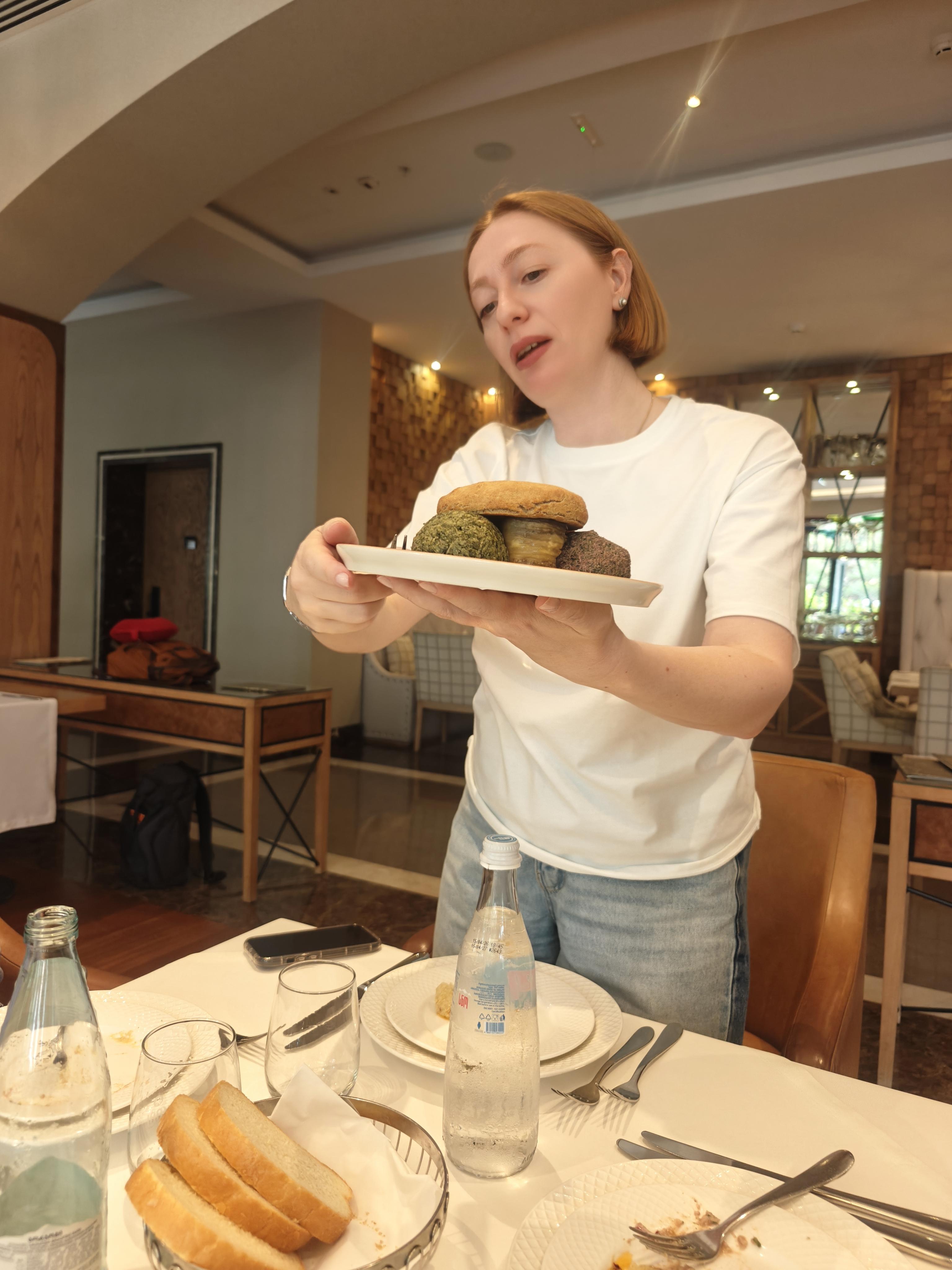
Food is another reason Tbilisi deserves attention. Even though the table spreads would keep you full and happy with the Khachapuri (the famous cheese-filled bread), Khinkali, fresh salads, vegetables, grilled meats, walnuts, there are dine-in places where the charm is as much in its story as in its food. One of our memorable food stops was Kneina, a family-run restaurant in the old city. The setting retains historic elements, including an old clay oven and ceramics spanning almost 600 years, giving the meal a sense of continuity with the place’s past and a home-like character to the restaurant.
Another fitting place to experience the city's blend of past and present is The Telegraph Hotel, housed in the restored former central post and telegraph building on Rustaveli Avenue. Designed in the 1960s and recognised as a Soviet-era architectural landmark, the building has been given a contemporary hospitality makeover while retaining its modernist character and is now among the Leading Hotels of the World. Today, the hotel sits alongside restaurants, bars, casino, a Jazz Club and rooftop spaces, making the property as much a part of Tbilisi's evolving social landscape as it is a place to stay.
Wine, but the Georgian way!
In Georgia, wine is not simply something you order with dinner. It is woven into family life, agriculture, celebration and identity.
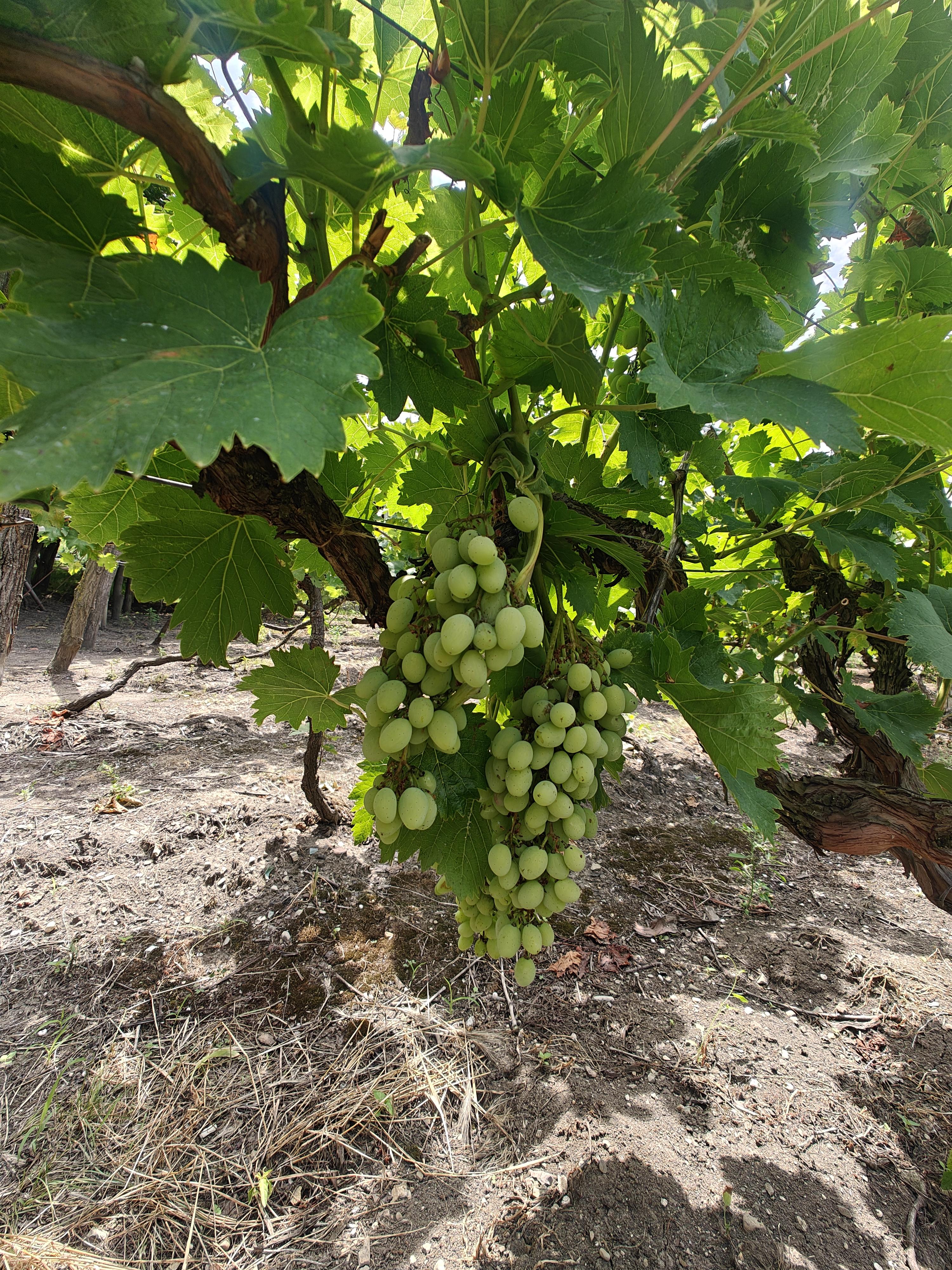
The country is widely regarded as one of the oldest wine-making regions in the world, with evidence of winemaking dating back around 8,000 years. In Georgian villages, winemaking continues to be passed down from one generation to the next. Families grow grapes, make wine and maintain their own wine cellars, with harvesting and winemaking often becoming communal occasions and competitions. The vineyards themselves stretch across Georgia, with grapes for premium wines coming from selected plots. Mostly, the harvesting takes place at the end of October and is still done entirely by hand.
What makes the wine tradition particularly distinctive is the qvevri – large, egg-shaped clay vessels buried underground, in which wine is fermented, aged and stored. The traditional qvevri method was inscribed on UNESCO’s Representative List of the Intangible Cultural Heritage of Humanity in 2013. Qvevri wines are generally dry, partly because temperature cannot be precisely controlled in the underground vessels and they work particularly well with cheese.
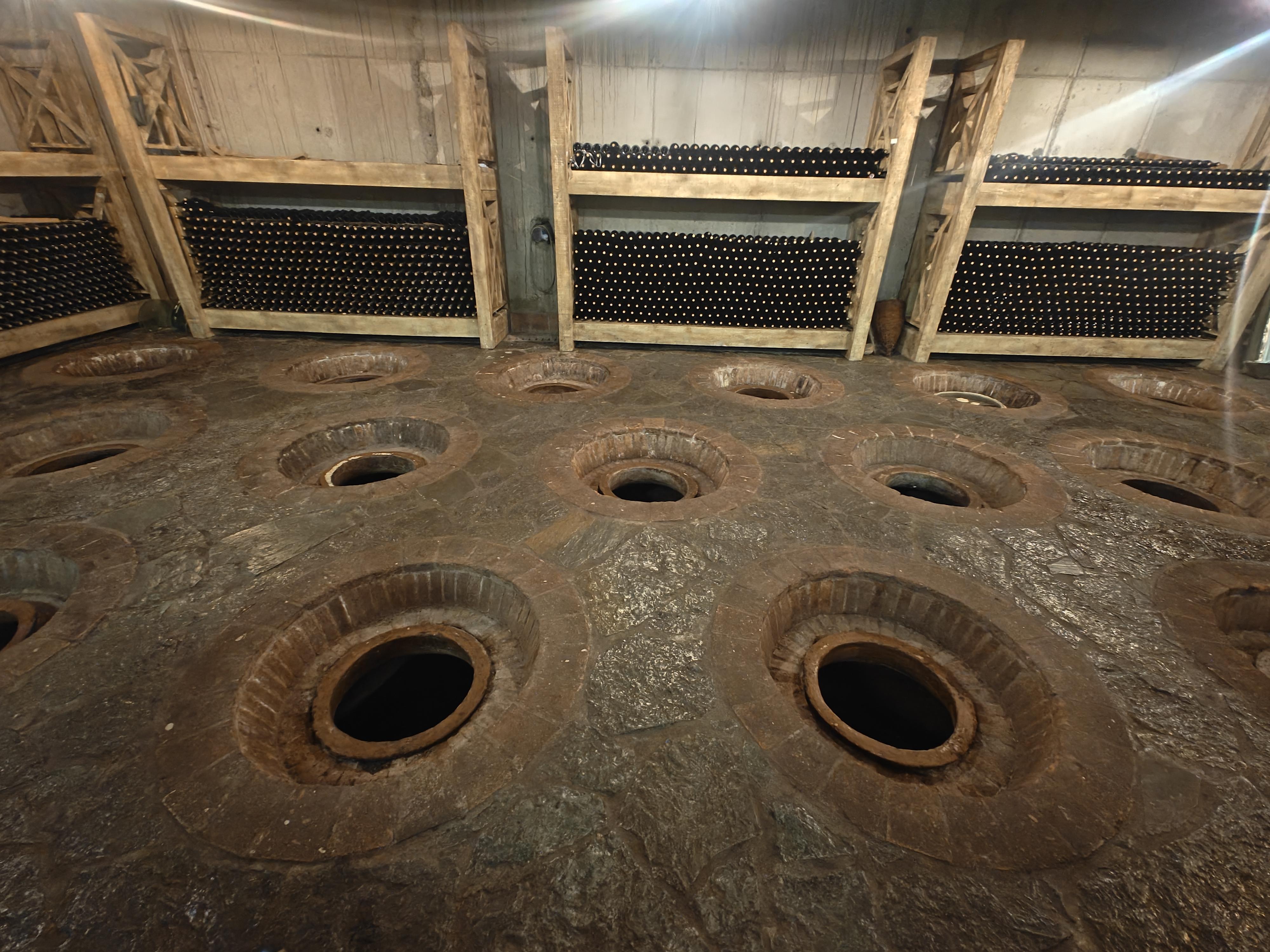
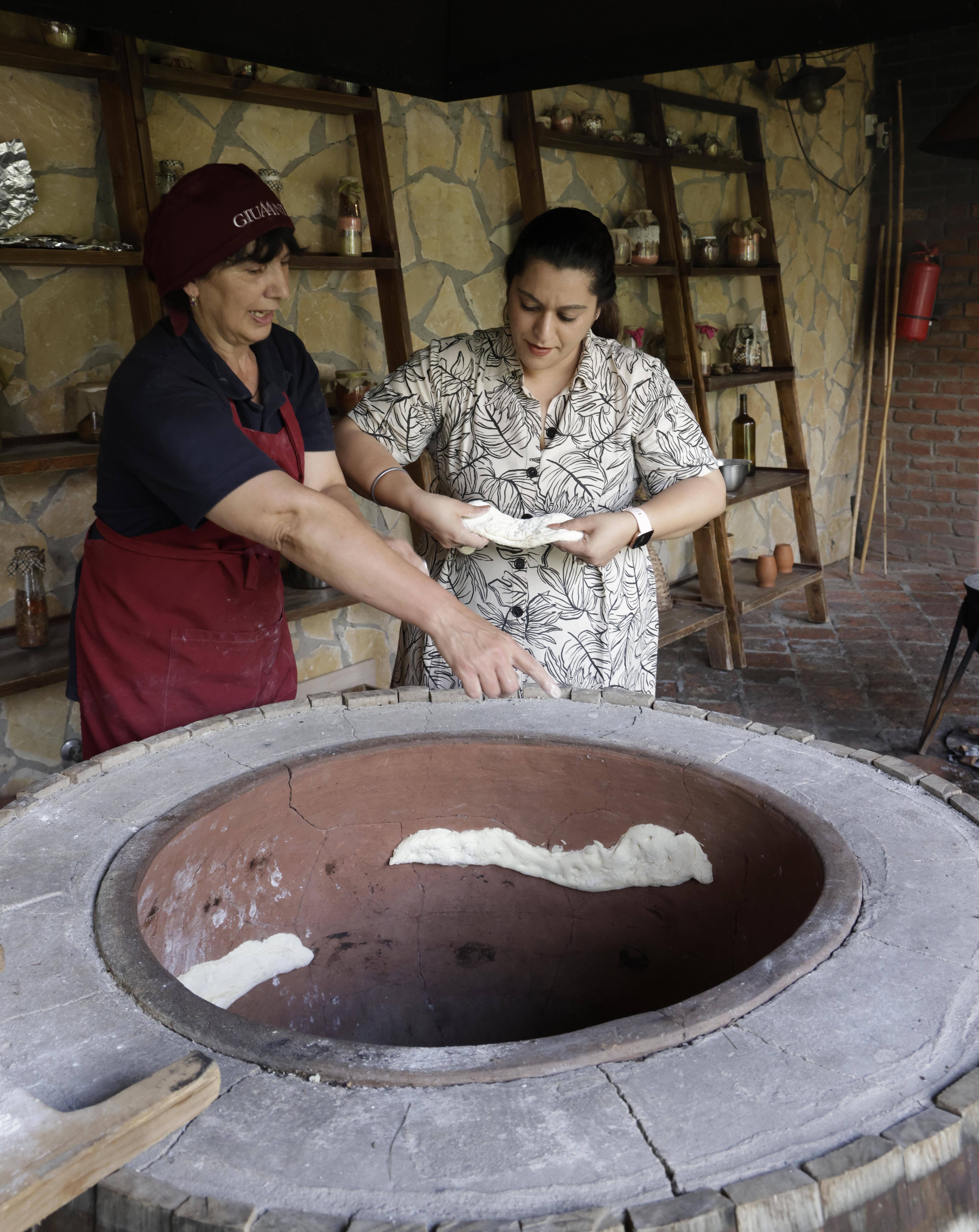
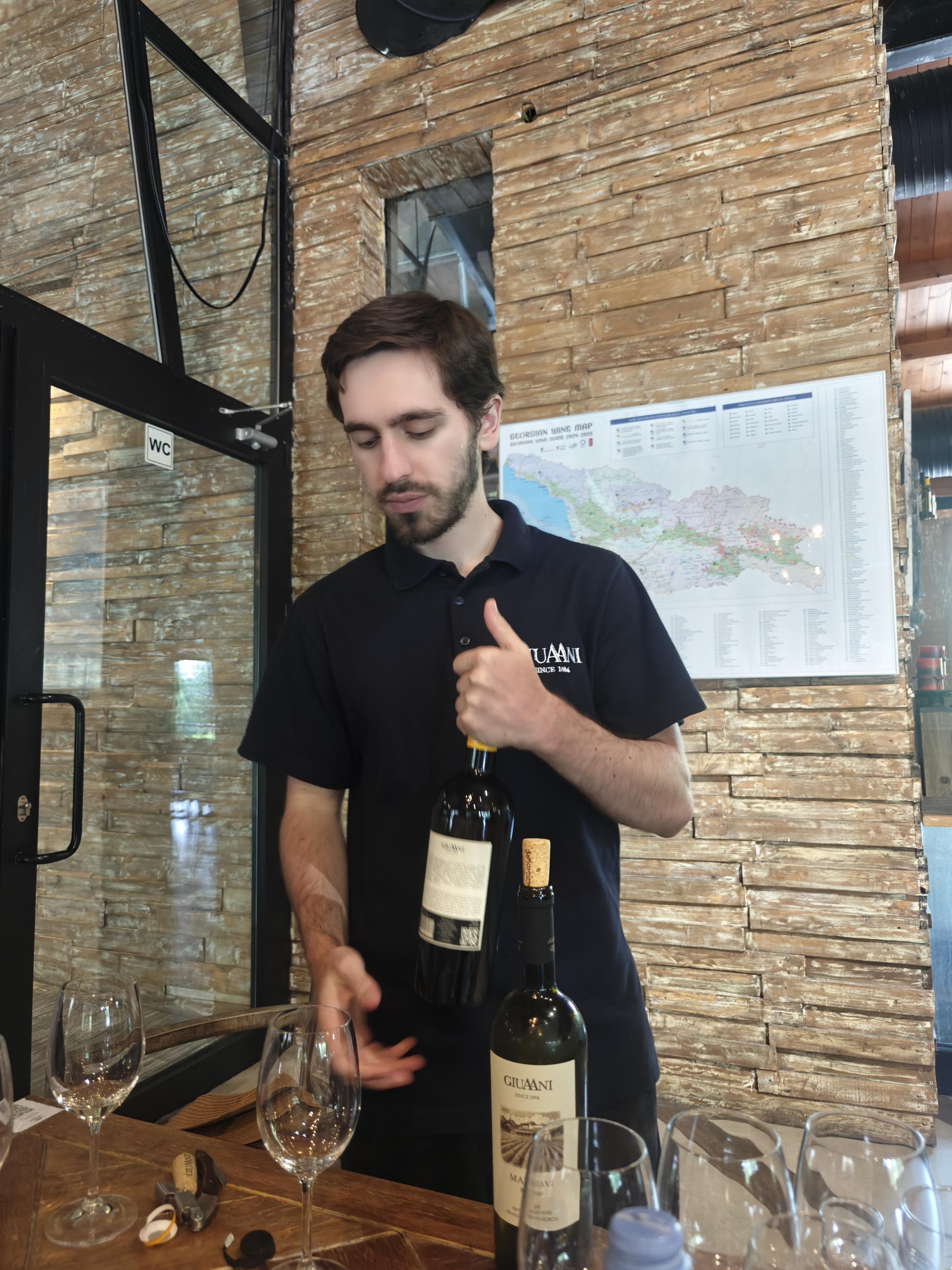
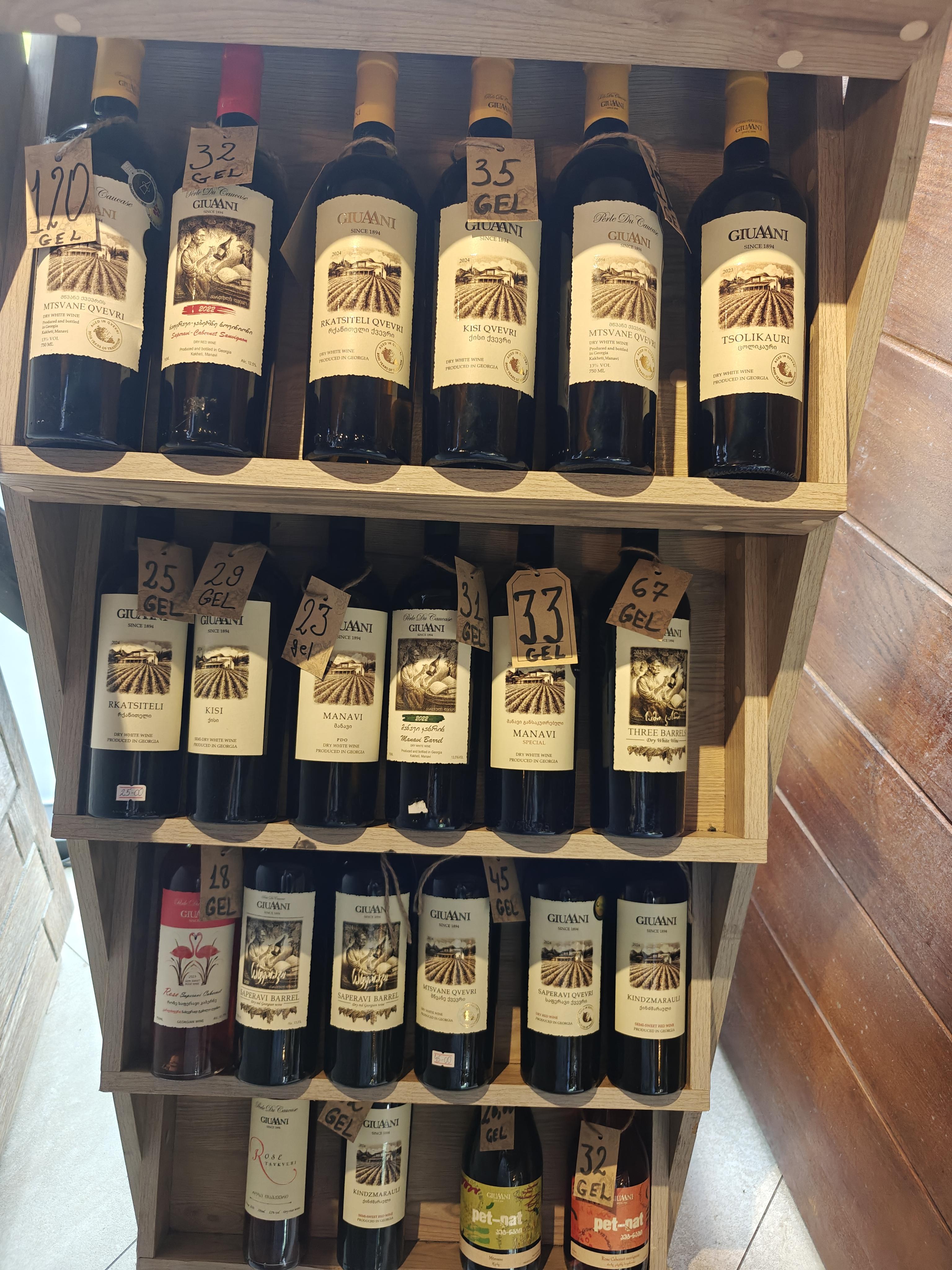
Kakheti is at the heart of Georgia’s wine culture. The region is home to vineyards, family cellars and wine estates, with places such as Manavi offering visitors the opportunity to experience both the landscape and the traditions behind the bottle. At wineries such as Giuaani (dating back to 1894), the traditional qvevri method coexists with European-style production, while vineyard visits, family cellars, harvests, cooking and shared meals offer travellers a closer look at Georgia's wine culture. This winery now exports to more than 16 countries and added a hotel in 2014, transforming what was once a small family operation into a broader wine-and-hospitality experience.
Besides the different kinds of wines (definitely the whites) that you must try here, there is a Wine Festival happening every October to look out for.
And for travellers, that opens up a compelling experiential, wine tourism proposition: wine routes here can mean much more than cellar-door tastings. They can involve vineyard visits, qvevri demonstrations, local cooking, harvest experiences, family meals and conversations with the people who make the wine.
And did I forget to mention Chacha, Georgia's famous local vodka? Perfect one to try and take back home.
Georgia’s legendary mineral water town
Georgia's tourism proposition becomes even more interesting when the journey moves from wine to wellness.
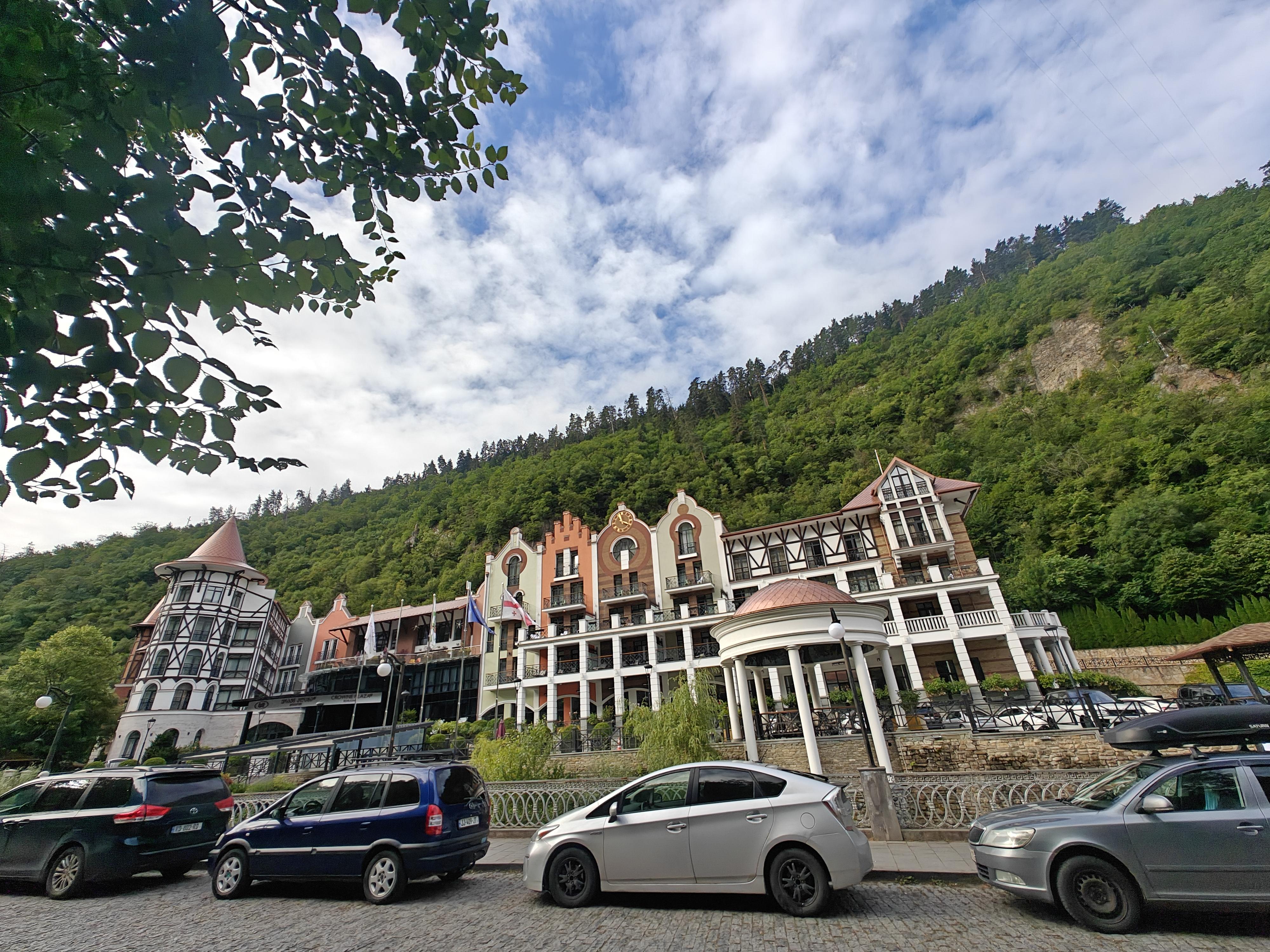
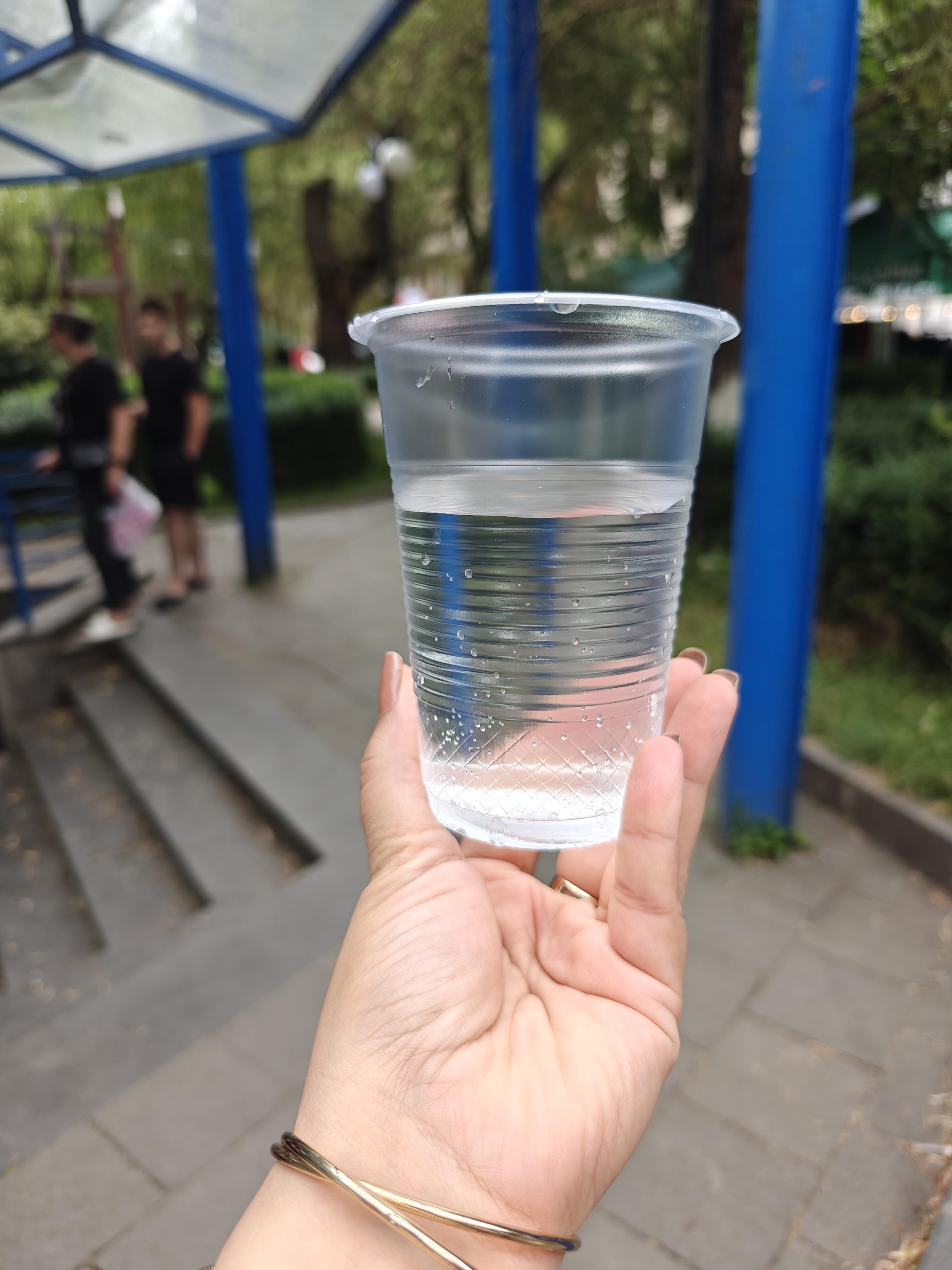
In Borjomi, the star attraction comes from beneath the ground rather than above it. The town, which has now become a historic health resort, is famous for its mineral waters, which emerge from deep underground (depths of around 8,000 metres) in the Lesser Caucasus and become enriched with over 60 minerals before reaching the surface. Locals say that the water is particularly associated with digestive health and skin-related benefits and the experience of drinking the water (a soda-like taste) straight from the spring remains part of the town's wellness culture.
But Borjomi is not simply a place to fill a bottle.
The experience extends beyond drinking from its famous springs, with spa stays, the Borjomi-Kharagauli National Park and nature-based experiences adding a wellness dimension. A stay at Crowne Plaza Borjomi, famous for its mineral baths, specialised spa treatments and the experiences built around salt therapies, is highly recommended.

Vardzia: a medieval city carved into the mountains
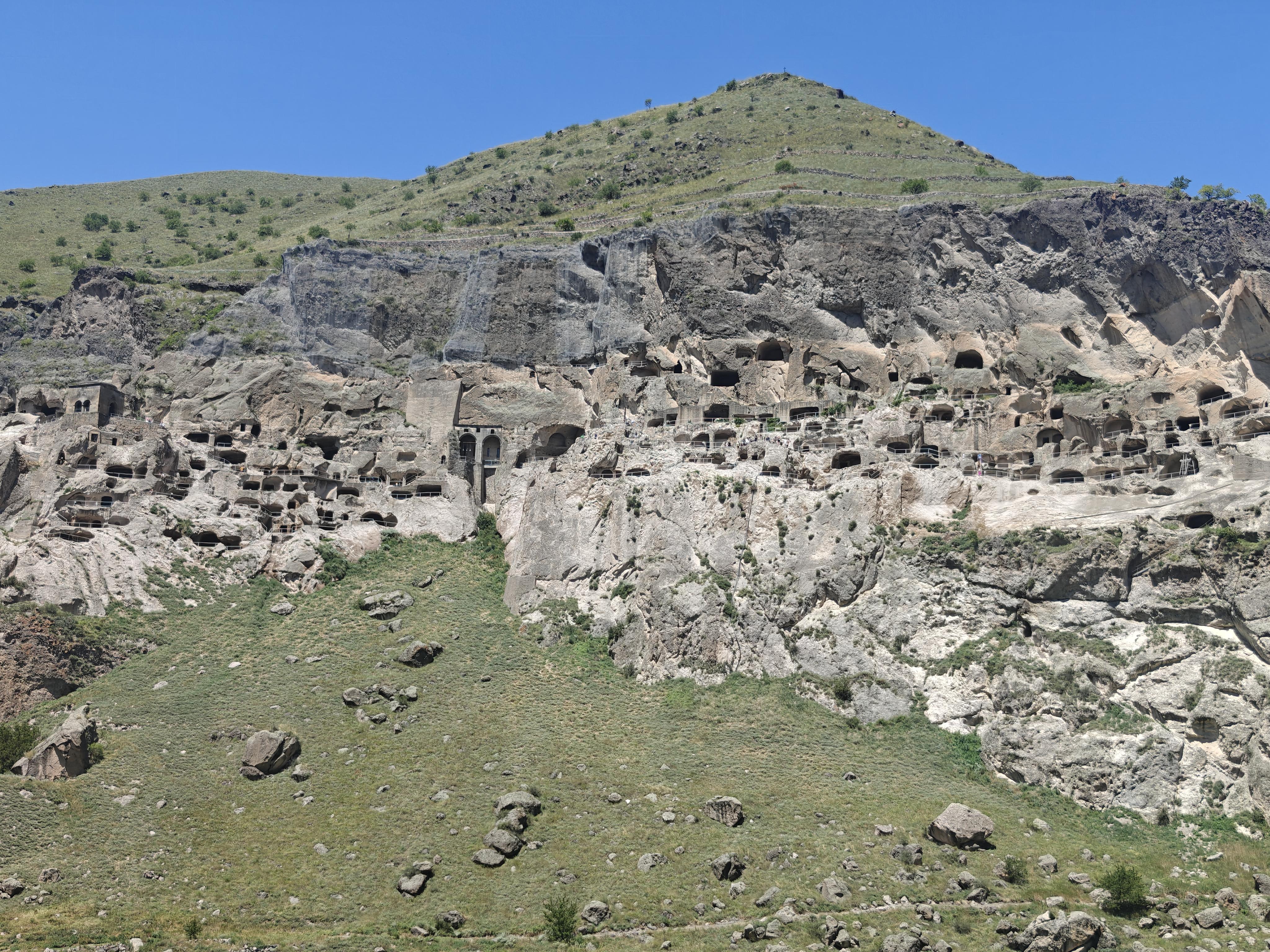
If Tbilisi introduces Georgia's urban personality, Vardzia introduces its extraordinary medieval past. Further south, carved into a cliff in the Samtskhe-Javakheti region, Vardzia was created primarily during the 12th century under King Giorgi III and Queen Tamar. At its height, it functioned not simply as a monastery but as a major political, cultural and religious centre. The cliff city stretched for around 900 metres and its different levels were connected by tunnels.
The complex originally contained hundreds of chambers and extensive infrastructure, including wine cellars. Of around 640 caves originally forming the complex, 242 remain accessible today, as per the local guide. Within them are living spaces, passages and churches or chapels.
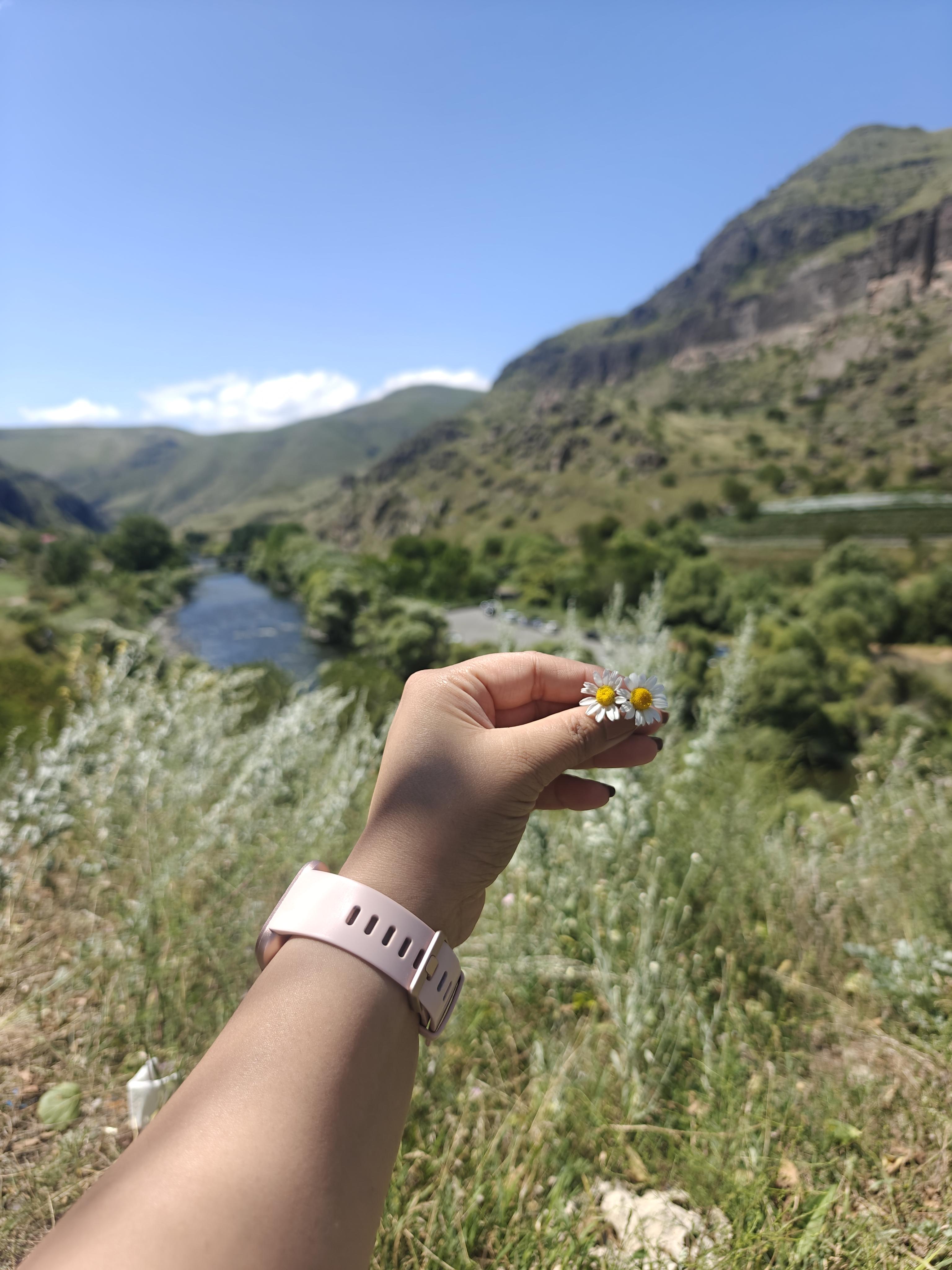
A devastating earthquake in the 13th century destroyed much of the outer section of Vardzia, exposing many of the chambers that had once been concealed within the mountain. What remains today is therefore both a historical site and an extraordinary geological theatre. Today, the site draws 1,500 visitors a day on average, according to the official figure shared with T3.
After exploring the caves, Vardzia Resort, about 2 km away, offers a comfortable, peaceful base surrounded by mountain scenery, with the rooms, cottages and infinity pool overlooking the cave town. Particularly suited to travellers looking to slow down after a day of exploring.
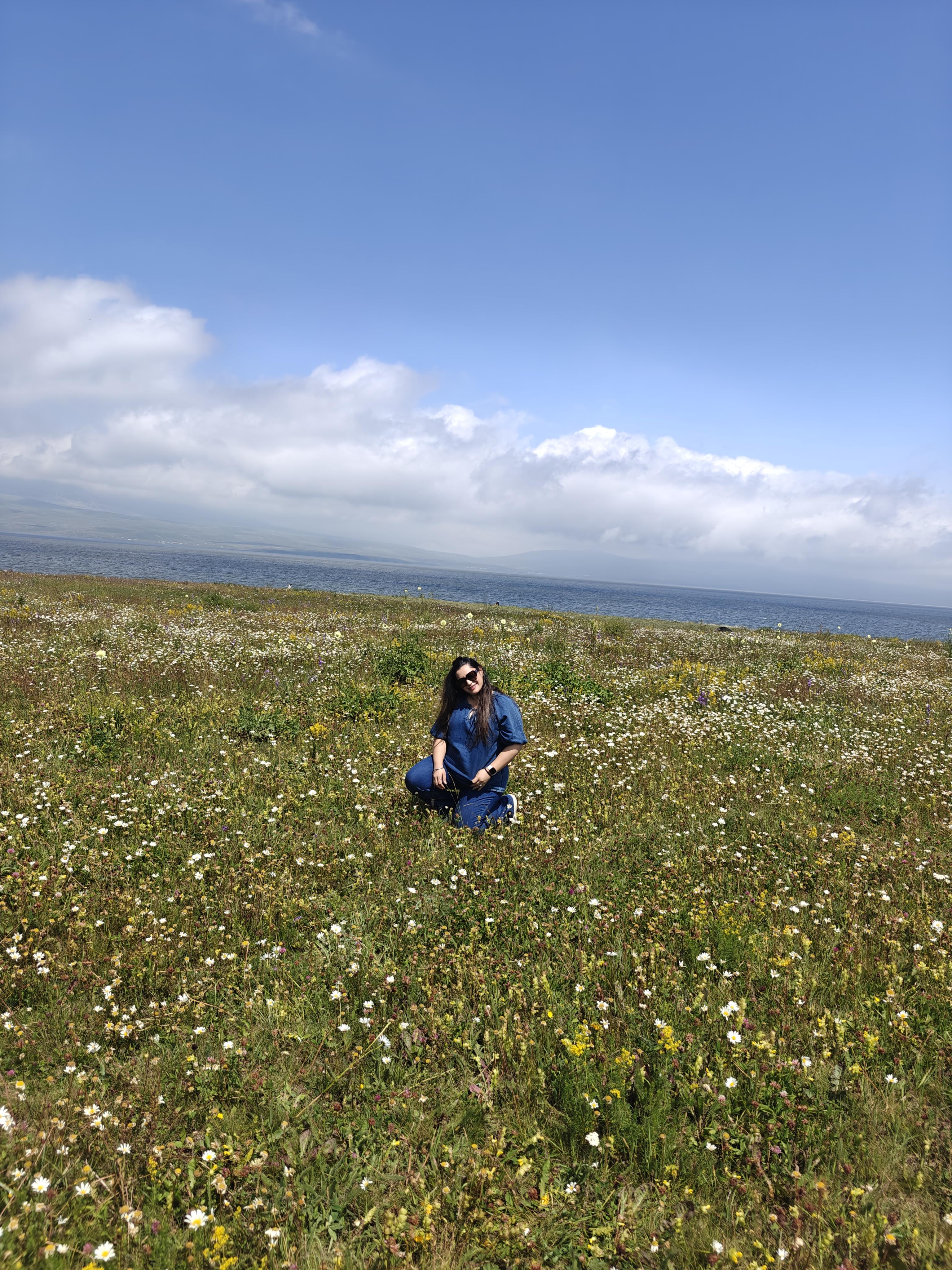
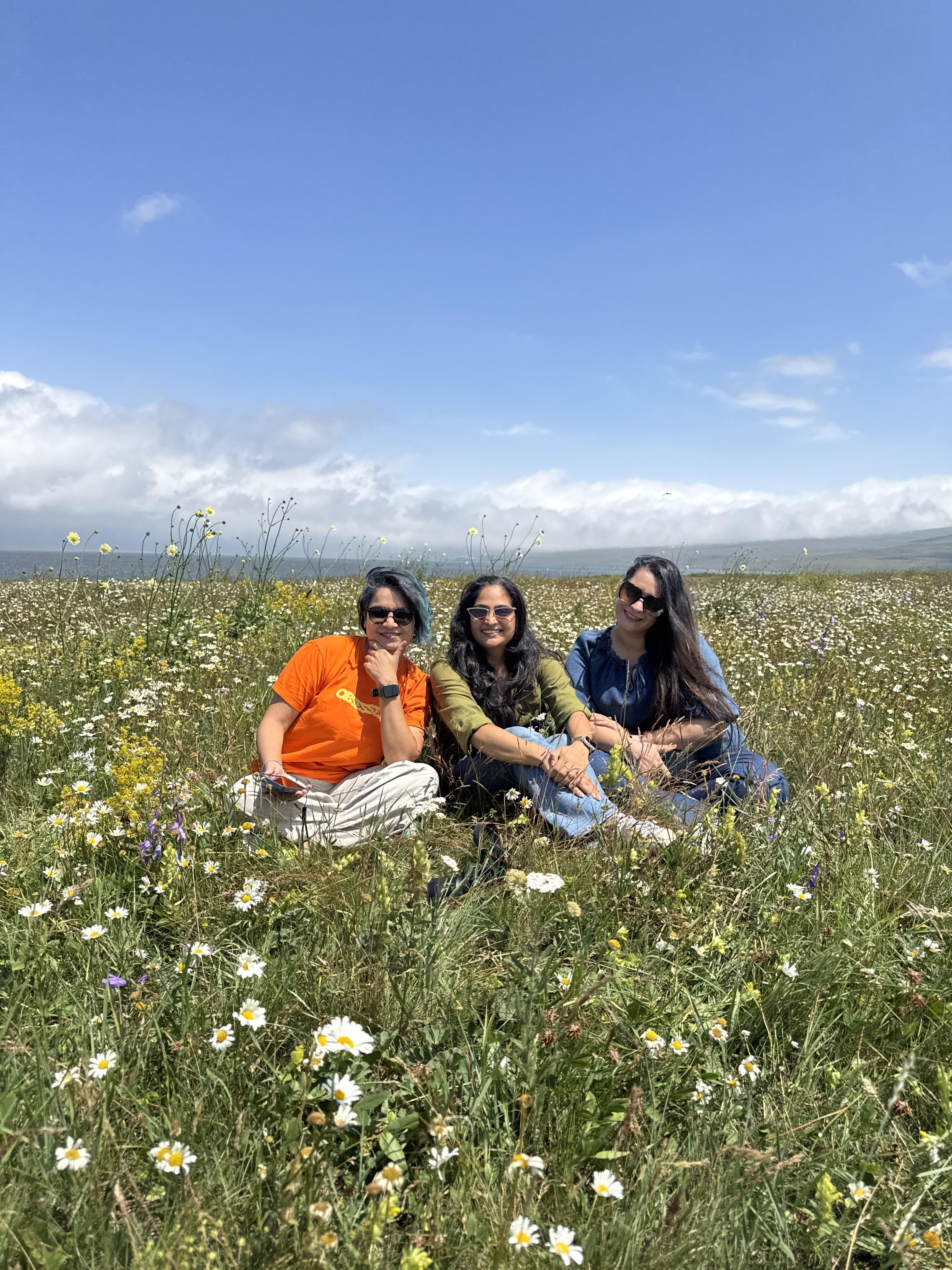
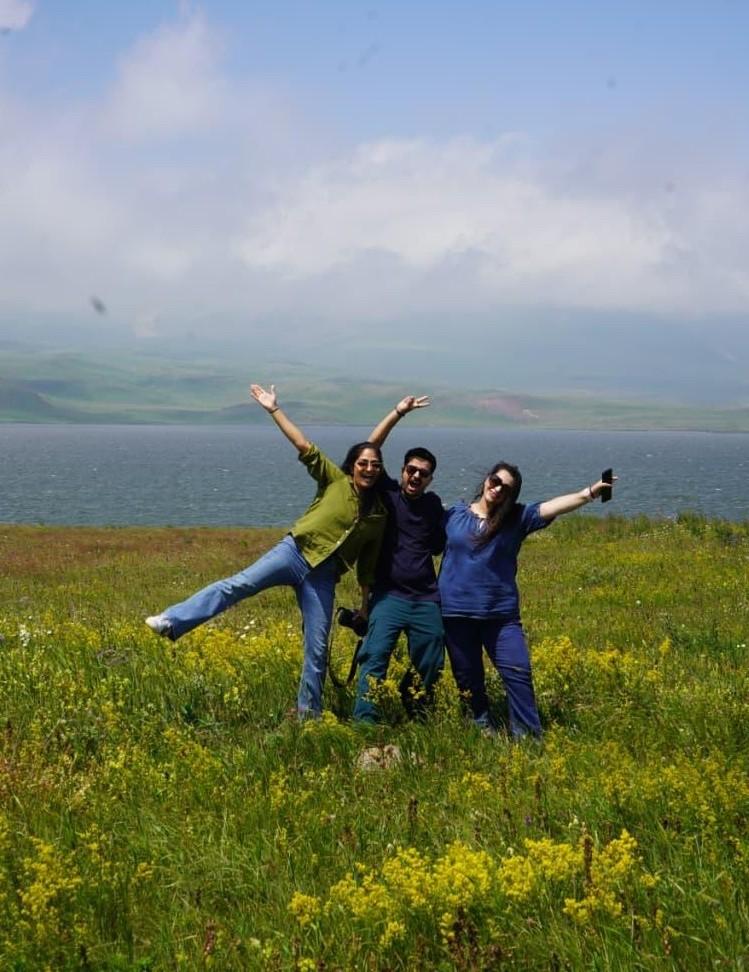
On the way back, a stopover at the Parvani Lake and Dashbashi Canyon, is a must. The Diamond Glass Bridge suspended above a dramatic gorge, the slingshot slide, a sky bike ziplining for the adventurous, and trails that descend towards waterfalls below: indeed, a place where the adrenaline turns up dramatically. The Parvani Lake, on the other hand is definitely a place that becomes a part of your happy memories and wins you over with silence. Endless stretches of shimmering blue, rolling grasslands, distant mountains and the kind of stillness that makes you pause without even realising it. Standing by its shores, time seemed to slow down. There was no rush, no noise—just the wind, the water and views that felt almost unreal.
The Georgia that travellers are beginning to discover 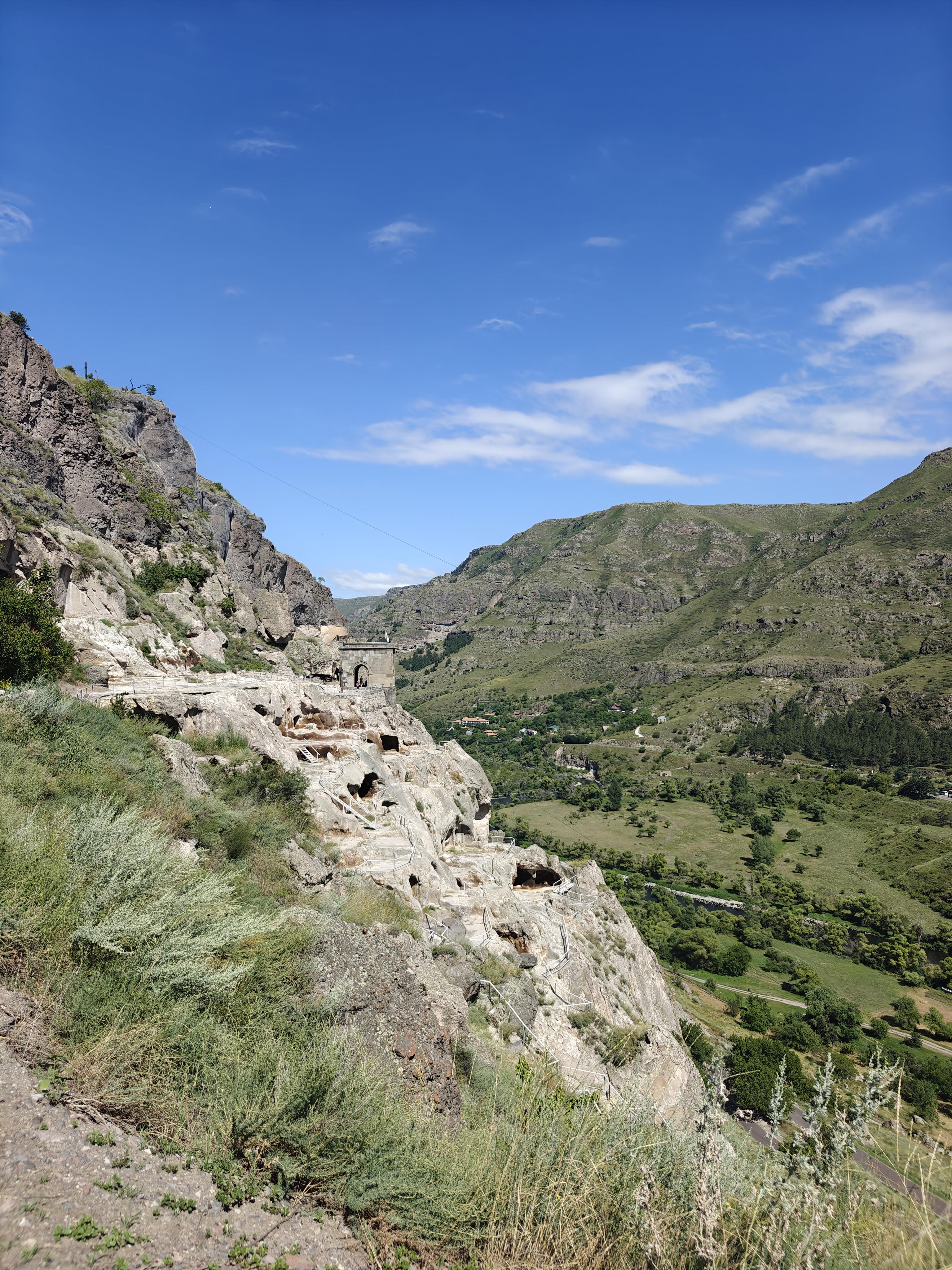 The numbers suggest that Georgia's appeal is moving well beyond its traditional markets. Georgia recorded 6,856,809 international visits in 2025, according to data from the National Tourism Administration under the Ministry of Economy. In 2025, the country recorded a record 5,521,866 tourist visits, up 8.4% from the previous year.
India is already among Georgia's top 15 source markets, with 142,476 visits in 2025, up 14.6% year-on-year. For the market, the opportunity lies in the sheer variety of experiences that can be packaged into one destination.
Even though India–Georgia connectivity has seen some fluctuations post-geopolitical situations, IndiGo is expected to resume the non-stop routes from Delhi and Mumbai to Tbilisi in October 2026. Until the expected resumption of IndiGo's Delhi and Mumbai–Tbilisi non-stop services in October, travellers can connect via regional hubs with airlines like Turkish Airlines, Air Arabia and more.
For entry, Indian travellers need a Georgian e-Visa for eligible short stays, but local immigration authorities are very particular about checking the supporting documents on arrival, including hotel bookings, return tickets, proof of funds, travel purpose and insurance. Travellers holding valid visas or residence permits from the US, UK, and Schengen countries can enter visa-free.
Madloba, for the memories!
For Indian travellers, the variety is perhaps Georgia's biggest advantage: one journey can combine culture, wine, food, wellness, heritage, mountains, adventure, relaxation, without requiring a sprawling itinerary.
Even though Georgia's postcard beauty may be what first draws the traveller in, it is the stories behind those postcards that make you want to stay a little longer. And perhaps that is its greatest charm: it doesn't simply ask you to visit. It gives you reasons to linger, and then, quietly, to return.
Also, a heartfelt thanks to our wonderful & professional tour guide, Ia Gebrandze , whose warmth and wealth of knowledge made our journey through the country all the more memorable.
Madloba (Thank you), for all the memories…
To Georgia, with love!