

Tanzania records 2.4 Mn international arrivals in 2025; India among top 6 markets
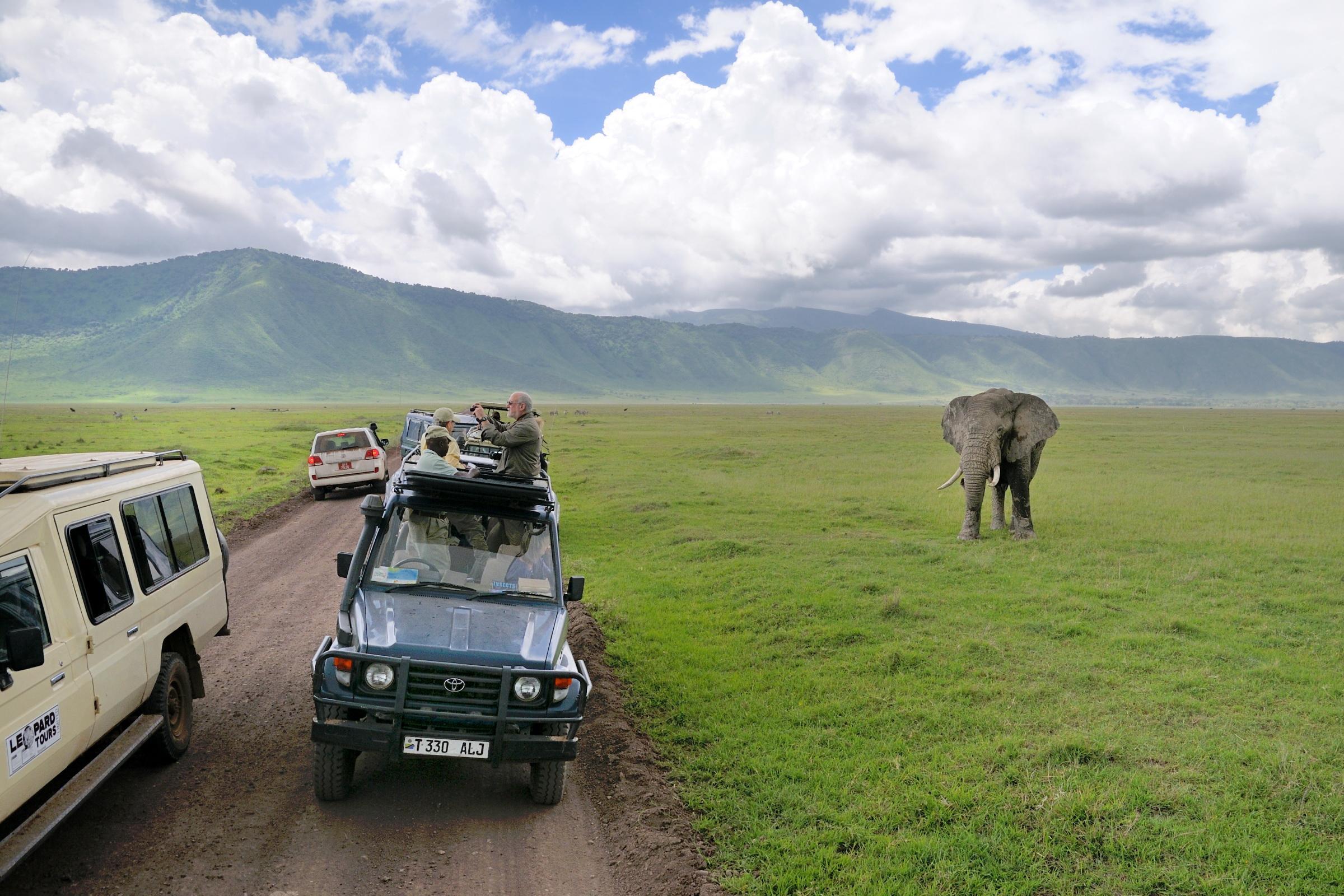 Tanzania tourism representative image
Tanzania is witnessing steady momentum recording 10-12% YoY growth in arrivals from India. The destination is now sharpening its focus on Tier II cities while actively tapping high-potential segments such as MICE, destination weddings.
As Indian travellers increasingly seek immersive, wellness-focused and nature-driven holidays, Tanzania is witnessing growing traction from the Indian market. In an exclusive interaction with T3, Rajiv Desai, CEO, Swahili Safaris, Coordinator Tanzania Tourism in India, shared insights into Tanzania’s evolving positioning in India, and more.
Tanzania’s global tourism growth
“We have crossed 5.6 million travellers globally and recorded 2.4 million international travellers in 2025 and are growing at around 13% globally. By 2030, we are targeting 8 million travellers,” Desai said.

India contributed around 64,000 visitors to Tanzania in the 5 million figure, making it one of the country’s top 6 source markets globally.
Despite Tanzania traditionally focusing its tourism promotion efforts on Western markets, Desai revealed, “The U.S. remains our number one source market, followed by several European countries such as the Netherlands and the U.K., which continue to contribute significantly. China is currently in the fifth position, while India has already moved into the sixth spot,” he shared.
“India is still at a very nascent stage for us, but we are optimistic. We want to increase Indian arrivals by at least 40% because the traction we are seeing is very encouraging,” Desai stated.
Awareness in India
Desai noted that awareness about Tanzania among Indian travellers was relatively low before the pandemic, but the scenario has changed significantly in recent years. “Pre-COVID, there wasn’t much awareness about Tanzania in India. Post-pandemic, the Indian traveller’s mindset has changed, and thanks to social media, Tanzania has gone viral at the moment. We now want to take that awareness to the next level over the next three to five years,” he said.
According to him, Tanzania has been consistently engaging with the Indian travel trade through curated events, roadshows and exhibitions.
“There has definitely been growth. We are not saying it is exponential, but year-on-year we are seeing around 10-12% growth. Last year, it was even higher, crossing nearly 25%,” he shared.
Tanzania’s unique edge for Indian market
Desai believes Indian travellers are increasingly prioritising authentic experiences, wellness and nature over traditional sightseeing. “The Indian traveller is evolving. They want to be closer to nature and wildlife rather than spending time in buildings or artificial attractions. Tanzania offers that perfectly with a mix of bush and beach experiences,” he explained.
Highlighting the destination’s unique offerings, he pointed out that Tanzania is home to 21 national parks, while Zanzibar is emerging as a fresh island destination for Indian travellers. “Mauritius, Seychelles and the Maldives are already well explored by Indians. Zanzibar remains one of the few Indian Ocean island destinations still relatively untapped for the Indian market,” he said.
According to Desai, Tanzania’s biggest strength lies in offering wildlife, marine experiences and cultural immersion within a single destination. “There is no other place on earth where you can experience immersive wildlife on the mainland and rich marine life on an island destination in one trip,” he said.
He further explained that unlike India, where wildlife experiences are spread across multiple regions, Tanzania offers travellers the opportunity to witness a wide variety of wildlife experiences within one hub.
Culture also forms a major part of Tanzania’s tourism appeal. The country is home to over 120 tribes, including the globally recognised Maasai communities and the increasingly popular Hadzabe tribe, known for their nomadic lifestyle.
“There is also a very close connection between Tanzania and India. We have Indian restaurants serving vegetarian and Jain food, and interestingly, the oldest Jain temple outside India is located in Zanzibar. There are many cultural similarities between the two countries,” Desai stated.
Positioning strategy in India
Comparing Tanzania’s visibility with destinations such as Kenya and Uganda, Desai acknowledged that awareness creation remains a priority. “We didn’t want to rush into the market without understanding it properly. Now we have a roadmap and strategy in place, and very soon there will be a lot of campaigns showcasing Tanzania’s wellness, nature, culture and heritage offerings,” he said.
Sustainability and eco-tourism are also central to Tanzania’s positioning strategy. “We are probably one of the only destinations in the world using very little concrete infrastructure. Most camps are eco-friendly luxury tented camps using wood and solar power. Fencing is not allowed around many camps, allowing guests to remain fully immersed in nature,” he explained.
Desai added that Tanzania’s tourism experiences are designed to help travellers disconnect from technology and reconnect with nature. “We do not want travellers to spend their time on phones. We want them to detox completely and experience nature in its purest form,” he said.
On challenges side, Desai said Tanzania’s USD 50 visa fee remains reasonable, although comparisons with Kenya continue to influence traveller perceptions. “Initially, many Indian travellers believed Kenya was cheaper, but Tanzania offers greater value through multiple national parks and Zanzibar within a similar package range,” he added.
Segments in focus
Desai revealed that Tanzania is attracting couples, small families, photographers, solo travellers, content creators and increasingly larger friend groups and extended families. “We are seeing more millennials travelling to Tanzania. Families are also travelling with retired parents because they too want to experience this kind of travel,” he shared.
The destination is also actively exploring opportunities in the MICE and destination wedding segments. “Indian weddings are among the biggest spenders globally, especially destination weddings. We can curate the exact flavour of Indian weddings in Tanzania because we have everything. Tanzania can offer lavish wedding experiences with beautiful backdrops and customised arrangements,” he said. The typical group size of weddings groups is close from 70 to 200, Desai shared.
Tier II Indian cities as key markets
Beyond metro cities, Tanzania Tourism is now focusing strongly on Tier II markets across India. “In the last one-and-a-half years, I have personally visited 12 Indian cities. We see strong potential from markets such as Chandigarh, Pune, Ahmedabad, Bengaluru, Indore and Lucknow,” Desai noted. According to him, these cities possess strong spending power and are expected to generate significant traction for Tanzania in the coming years.
Desai shared that the average off-season Tanzania package costs around USD 2,000 per person excluding flights, while peak season itineraries range between USD 2,500 and USD 2,800 for seven nights and eight days.