

Star Air relaunches 6 weekly flights connecting Hyderabad, Jharsuguda & Bhubaneswar
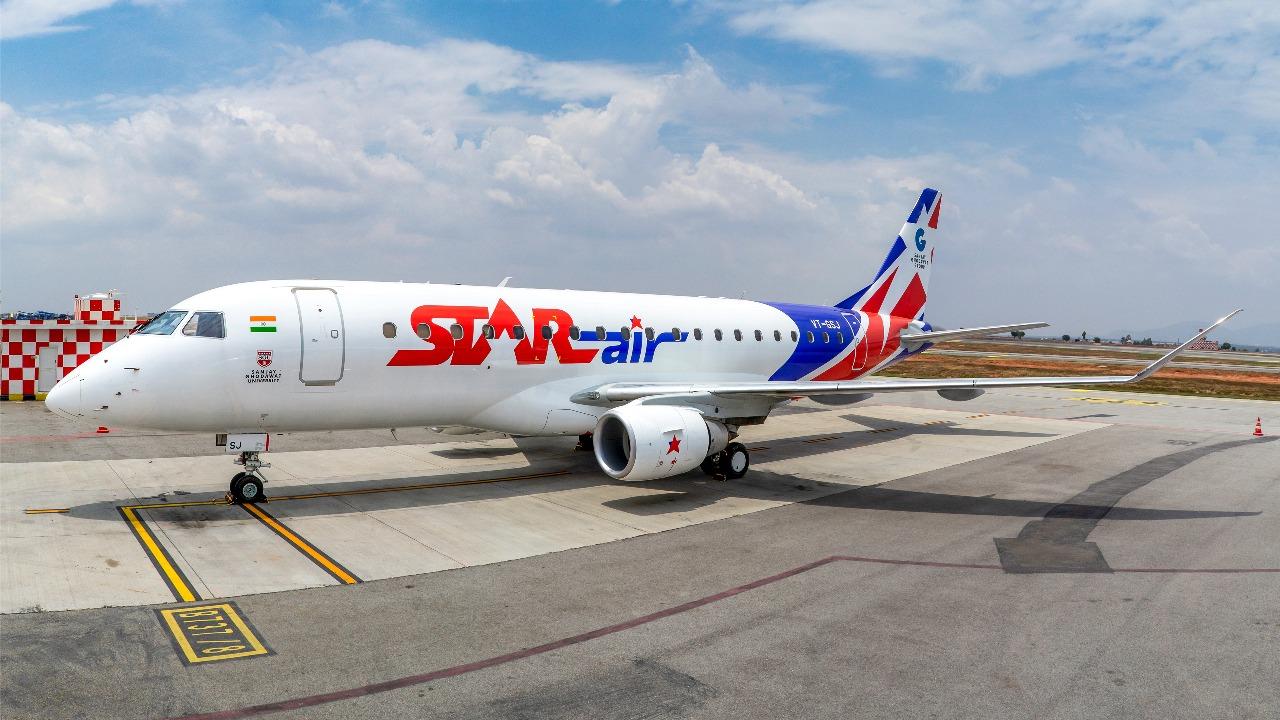 Representative Image (3)-4
The airline has completed 7 years of uninterrupted operations, carried nearly 3 million passengers while maintained a robust schedule of 455 weekly flights, set to increase to 550 weekly flights this summer.
Star Air has announced the relaunch of its direct flight service with six weekly flights connecting Hyderabad, Jharsuguda, and Bhubaneswar, further strengthening its regional network and enhancing air links between key economic and cultural centres in South and East India.
The corridor is expected to significantly benefit business and corporate travellers, industrial stakeholders, tourists and residents alike by improving accessibility, supporting regional trade, and reducing overall travel times between these high-growth destinations.
The airline said in a statement that this South-East air corridor is poised to unlock new economic and business opportunities. Enhanced connectivity will make it easier for companies to expand, attract investment, and for people to travel for work, business, or leisure, ultimately fuelling local economies and fostering stronger ties between Telangana and Odisha.
Capt. Simran Singh Tiwana, CEO, Star Air, said, “This route is more than a flight connection, it’s a strategic link for commerce and opportunity between South and East India. By restoring direct access between Hyderabad, Jharsuguda, and Bhubaneswar, we are enabling faster business, attracting new investment, and supporting the vibrant industries and communities that drive these regions forward. Star Air remains committed to delivering reliable, quality service that helps power India’s next phase of regional growth.”
A participant in the Government of India’s UDAN (Ude Desh ka Aam Nagrik) initiative, Star Air has completed seven years of uninterrupted operations, carried nearly 3 million passengers while maintained a schedule of 455 weekly flights, set to increase to 550 weekly flights this summer. The airline continues to move beyond UDAN routes, venturing into new commercial city pairs while bridging unserved and underserved Tier 2 and 3 cities.