
Ramee Group targets 50 hotels by 2027; bullish on branded room demand
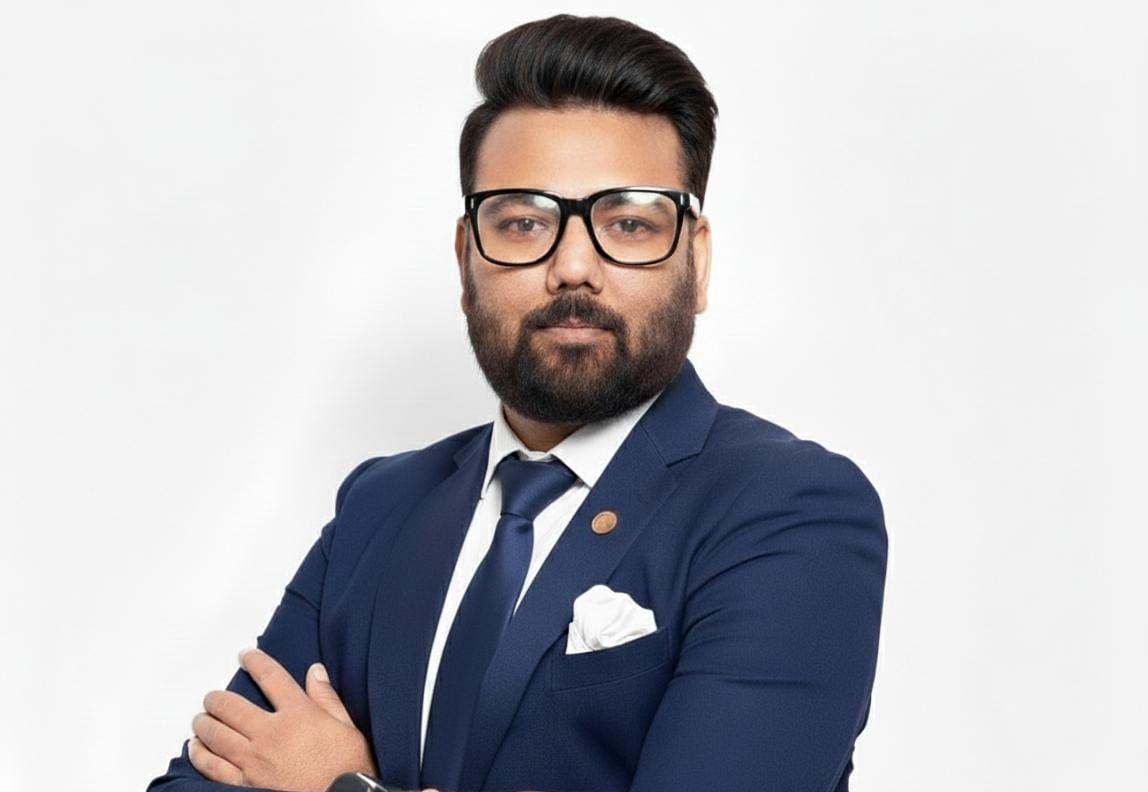 Saurabh Gahoi
Bets on asset-light expansion, emerging cities and evolving travel patterns; reports occupancies above 70%.
India’s hospitality sector is in the midst of a strong growth cycle, driven by changing travel behaviour, rising demand from emerging cities and a growing preference for branded accommodation, according to Saurabh Gahoi, Senior Vice President – India, Ramee Group.
Speaking exclusively to T3, Gahoi said the country’s hotel industry continues to enjoy robust demand and remains significantly underpenetrated when compared with mature global markets. “I think Indian hospitality is definitely on an upcycle,” he said. “The kind of demand that we are seeing in tier-II and tier-III cities continues to grow with each passing day.”
Comparing India with Western markets, Gahoi pointed out that the country has a relatively small inventory of branded hotel rooms, concentrated largely in the upscale and midscale segments, while a large portion of the market remains fragmented and unorganised. He shared that travellers increasingly prefer branded accommodation because of the consistency and reliability it offers.
Expressing confidence in the sector’s long-term prospects, Gahoi added, “There is so much demand in the country, especially for branded rooms, that even if we double the rooms that we currently have, we will still be doing fairly well.”
Turning trends into opportunities
According to Gahoi, before pandemic, Indian travellers generally planned longer holidays every few years. Today, however, travellers are increasingly opting for shorter and more frequent breaks. “People realised that life is uncertain and that they should spend quality time with their families,” he said.
“Weekend getaways, staycations and remote working have all evolved after COVID. People are also becoming more aware of hotel brands and what they should expect from different categories,” he said.
He noted that the emergence of these travel segments has added a new layer of demand to the hospitality industry and contributed significantly to the sector’s optimism.
Ramee Group’s growth strategy is centred on identifying destinations that align with specific travel demand patterns, whether driven by spirituality, leisure or business travel. “We are trying to be present across all these segments wherever possible,” Gahoi explained. “For every location and every traveller requirement, we have a brand that fits.”
The company evaluates expansion opportunities using a simple framework, with three checkboxes. Destinations connected by air and accessible within a short travel duration, probably in 2 hours around; weekend getaway markets near major metropolitan cities like Pune, Delhi, Bangalore, Chennai, Hyderabad, etc; and thirdly strong corporate hubs where people travel for work. “If any two of our three criteria are met, we actively look at entering that market,” he said.
Gahoi added that the company remains highly opportunity-driven and views the entire Indian market as a potential growth landscape. “Entire India is our playground because there is so much of expansion happening, in terms of hotels, we try to capitalise on that try to be able to give a unique blend of F&B and room operations, which few brands are able to offer,” he said.
The road to 50 hotels - scaling up, staying light
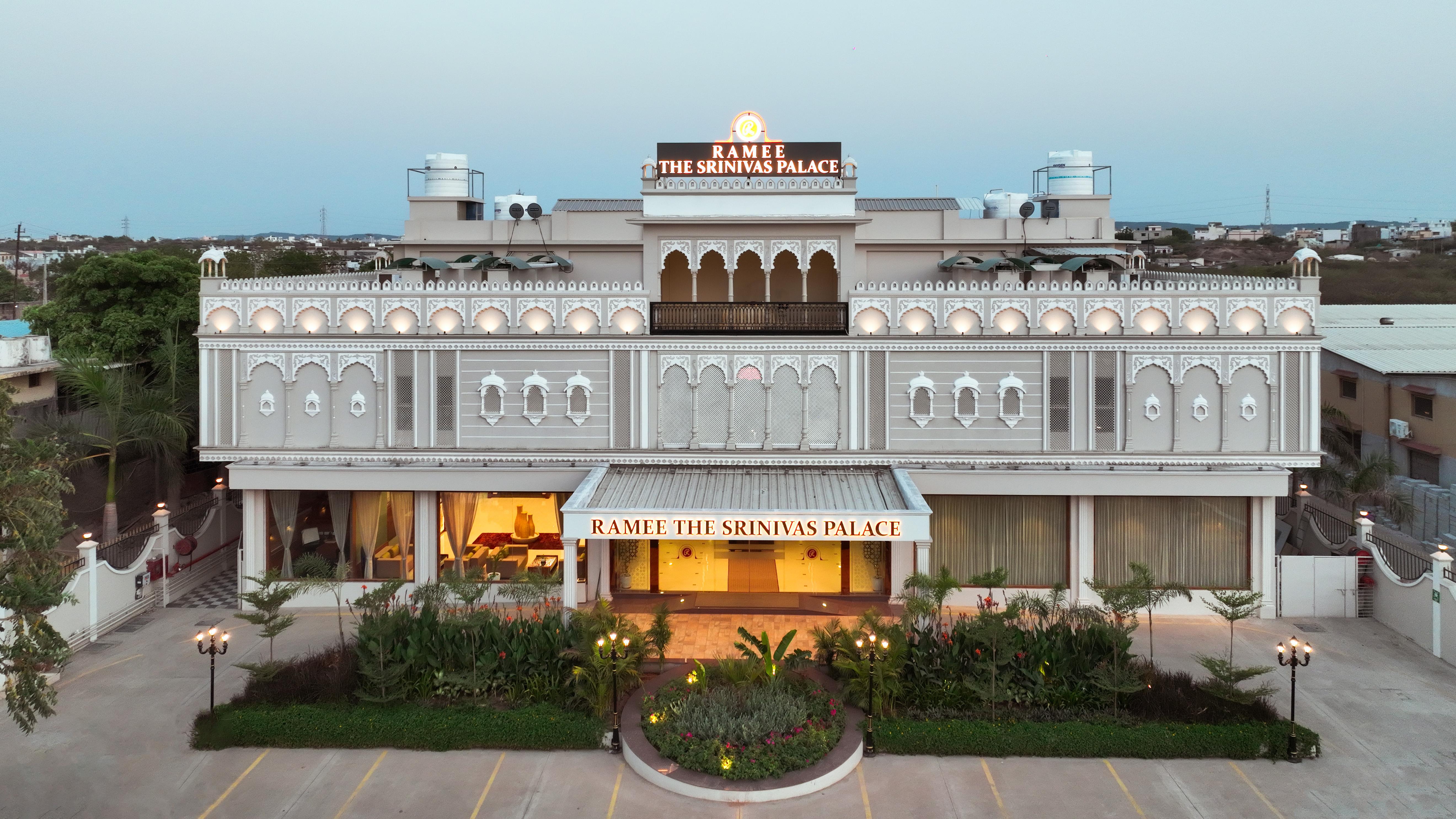
Ramee Group has significantly accelerated its growth trajectory since 2022, primarily through an asset-light expansion model. Prior to the pandemic, the company operated around 9 hotels in India. By 2022, the portfolio had grown to 11 properties following two additional signings.
“After 2022, we started capitalising on the opportunities that came our way and became very aggressive with our asset-light strategy,” said Gahoi. Today, the company operates 15 hotels in India and has another 10 properties in the pipeline, taking its total portfolio to 25 hotels. “From 2022 onwards, we have multiplied our presence,” he said.
The company is targeting a portfolio of 35 operating and signed hotels by the end of calendar year 2026 and plans to expand further to 50 hotels by the end of 2027. “Once we reach 50, I do not think 100 will be very far away. Within the following two to three years, we should be able to reach that milestone as well,” he added.
While seven of the company’s Indian hotels are owned assets, the remainder operate under management agreements. Internationally, however, the group’s hotels are predominantly owned properties. “We are looking at how to move forward with asset light strategy in the international markets,” shared Gahoi.
In terms of profitability, Gahoi added that although owned hotels remain the strongest contributors, as the company retains the full GOP from these assets. Managed hotels, meanwhile, generate a smaller revenue share through management contracts, but with low-capital nature, adding all, make an important contributor to revenues.
Occupancy, rates and revenue
“At a chain level, we are achieving over 70% overall occupancy,” he revealed. “Even in new markets, after an incubation period of six months to one year, we are able to achieve occupancy levels above 70%.”
Gahoi also added, “We just don't want to fill hotels just for the sake of filling. We consciously look at our ARRs.” The company has also recorded substantial growth in average room rates over the past three to four years. “Across our portfolio, average room rates have increased by 30 – 40%. In cities such as Pune and Surat, we have seen ARR growth of around 30 – 35%,” he said.
When asked about revenue mix, Gahoi mentioned that OTAs currently account for approximately 30% of the group’s bookings, while direct website bookings contribute between 3 – 5%. Direct bookings at the property level generate around 10% of reservations.
Corporate business also remains a key contributor, mostly in tier-I cities, where the company aims to source around 30-35% of bookings, from local corporates. Gahoi also shared the wedding group contribution aspect. The company’s Udaipur property alone hosts between 50 - 60 weddings annually, highlighting the growing importance of the celebrations and events segment within its overall business mix. “These weddings are also driven through travel agents locally or the event management companies. That is a significant amount, at a company average, that will be around 5-7%,” he concluded.
Tapping the Metros of tomorrow
While Ramee Group currently derives a significant share of its revenue from major metropolitan markets such as Mumbai, Pune and Bengaluru, Gahoi sees substantial long-term opportunity in emerging cities.
“Tier-II and tier-III cities are developing rapidly and many of them will become the metros of tomorrow,” he said. According to him, these markets not only offer strong growth potential but can also deliver superior returns relative to investment costs.
“You may achieve higher average room rates in Mumbai, but the investment required is significantly higher. In many tier-II and tier-III cities, the investment is far lower, making them more profitable despite lower room rates,” he explained. The company therefore intends to increase its focus on emerging destinations as branded hotel penetration grows beyond traditional metropolitan centres.
Looking beyond India
Despite ongoing geopolitical uncertainty, particularly in the Middle East where Ramee Group has a significant operational presence, Gahoi remains optimistic about international growth.
“There is certainly turmoil at the moment and it does affect us because a significant portion of our operations is in the Middle East,” he said. “However, sooner or later these issues will be resolved.”
The company is actively evaluating expansion opportunities across several international markets, including Saudi Arabia, Kuwait, South Africa and Morocco. Within Asia, destinations such as Bangkok, Indonesia, Kuala Lumpur and Singapore are also being considered. “There are a lot of Indian travellers visiting these destinations, which makes them attractive markets for us,” Gahoi noted.