

OTOAI’s next chapter: Building a stronger outbound travel ecosystem
 OTOAI
OTOAI
India’s outbound travel industry is entering a new phase of maturity. The agenda has now shifted from rising traveller numbers and trends, to deeper global partnerships, stronger policy advocacy, professional capability and the ability to position India as one of the world’s most influential outbound source markets.
At the centre of the India outbound transition, is the Outbound Tour Operators Association of India (OTOAI), which is increasingly redefining its role beyond industry representation, to becoming an ecosystem builder that connects travel agents, tourism boards, airlines, destinations and policymakers.
Under the leadership of Himanshu Kesari Patil for the 2024–2026 term, the association is focusing on strengthening global partnerships, addressing operational challenges such as air connectivity and visa delays, and creating greater opportunities for member growth through regional engagement, knowledge-sharing and international collaboration.
A sneak peek into OTOAI’s next phase of growth
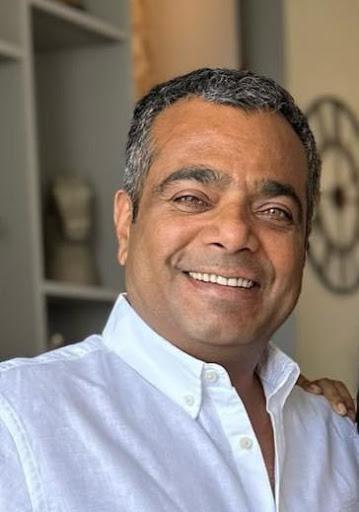
For Patil, the priority is clear: building a stronger, more connected and future-ready outbound travel ecosystem.
“Our focus will be on advocacy, professional excellence, knowledge-sharing, technology adoption and deeper global partnerships, while creating greater opportunities for our members,” he shared with T3.
Patil sees OTOAI evolving into a powerful bridge between India’s outbound travel community and the global tourism ecosystem, bringing together industry stakeholders, opening new markets, encouraging innovation and empowering our members to grow with confidence. “Our goal is not just to represent the industry, but to shape its future - together,” he added.
With a membership base of over 600 travel professionals, Patil expects growth of 10 - 12% over the next year, aiming to positioning OTOAI as a platform that connects Indian outbound travel with the global tourism ecosystem.
OTOAI’s transition as a strategic voice for industry
As India’s outbound market gains greater global significance, OTOAI’s role is also becoming more strategic.
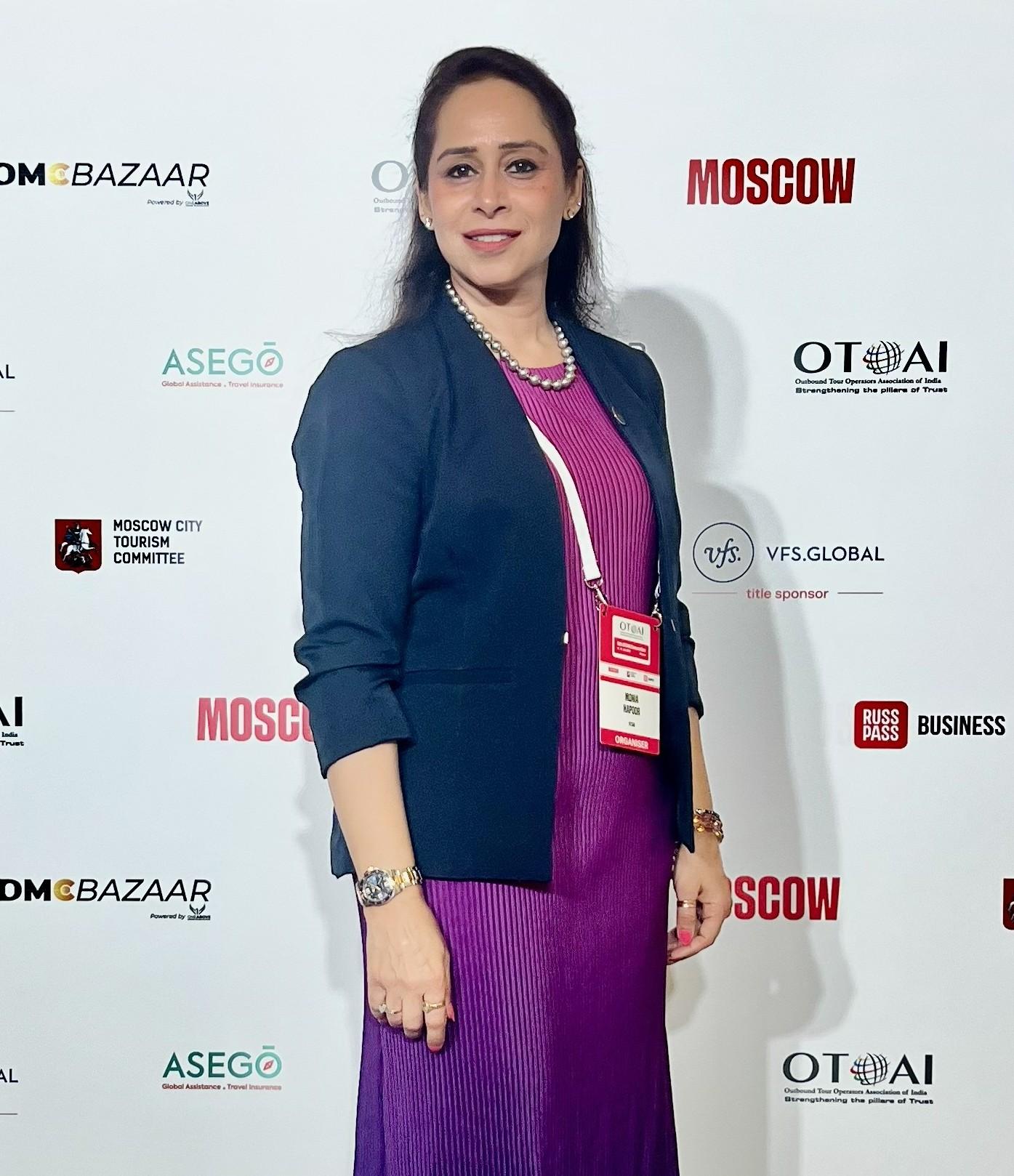
Monia Kapoor, Joint Secretary of OTOAI, believes India is no longer simply an emerging outbound market, it is becoming one of the world’s most influential source markets. “This is a defining moment for our industry, and with that comes a greater responsibility for OTOAI to lead, innovate and inspire,” she shared.
She believes the association’s immediate priority is strengthening the outbound tourism ecosystem by fostering deeper collaboration between government, global destinations, airlines, tourism boards, hospitality partners and travel professionals. “We are looking at creating opportunities where our members are equipped with knowledge and global partnerships to deliver the best travel experiences to their clients,” Kapoor added.
Advocacy remains central to that agenda. Kapoor further shared OTOAI continues to serve as the unified voice of India’s outbound travel fraternity, advocating for policies that facilitate ease of international travel, improve connectivity, simplify visa processes and support sustainable industry growth.

Shravan Bhalla, Vice President, OTOAI, believes that working closely with the Government is critical, as policy support remains central to the long-term growth of the outbound travel sector, and that is where OTOAI has a significant role to play.
Bhalla also noted that continuous learning will be essential for the industry’s next phase of growth. He said the association continues investing in regular updates, destination training workshops, knowledge enhancement, AI adoption and a deeper understanding of evolving travel patterns.
Visa facilitation, he added, has emerged as another major area where OTOAI creates tangible value for its members. “We are working closely with various embassies and acting as an intermediary between consulates and travel agents by organising one-to-one sessions to help make visa processes faster and address the challenges faced by travellers,” he said.
Global partnerships & industry engagement

One of OTOAI’s most visible strengths has been its focus on continuous engagement with international tourism stakeholders.
Gurdeep Singh Gujral, Treasurer of OTOAI, shared that since the pandemic, the association has consistently focused on strengthening the outbound tourism ecosystem through seminars, workshops, trade shows, destination presentations and international conventions in collaboration with tourism boards from around the world.
“These initiatives are designed to equip our travel partners with deeper market knowledge, stronger destination expertise and meaningful business opportunities,” he added. In addition, quarterly members’ meetings provide a platform for networking, knowledge-sharing and collective problem-solving.
However, Gujral believes the industry’s resilience has become one of its greatest strengths.
“The travel industry will always remain vulnerable to external factors such as geopolitical tensions, economic uncertainties or global health crises. However, one thing that has remained constant is people’s desire to travel,” he expressed.
According to him, while trips may be postponed or plans may change during periods of uncertainty, the aspiration to explore the world continues to grow, and the industry has repeatedly demonstrated its ability to recover.
He believes OTOAI’s role will increasingly evolve from industry representation to becoming a stronger knowledge-driven and advocacy-led institution. He further noted, “A stable geopolitical environment is essential for a healthy tourism sector, but equally important is sustained collaboration between the Government, tourism boards and industry stakeholders to ensure that India’s outbound travel ecosystem continues to grow in a responsible, resilient and future-ready manner.”
How are Indian outbound travellers changing?
The outbound traveller has evolved significantly over the past few years, and that transformation is forcing tour operators to rethink their role.
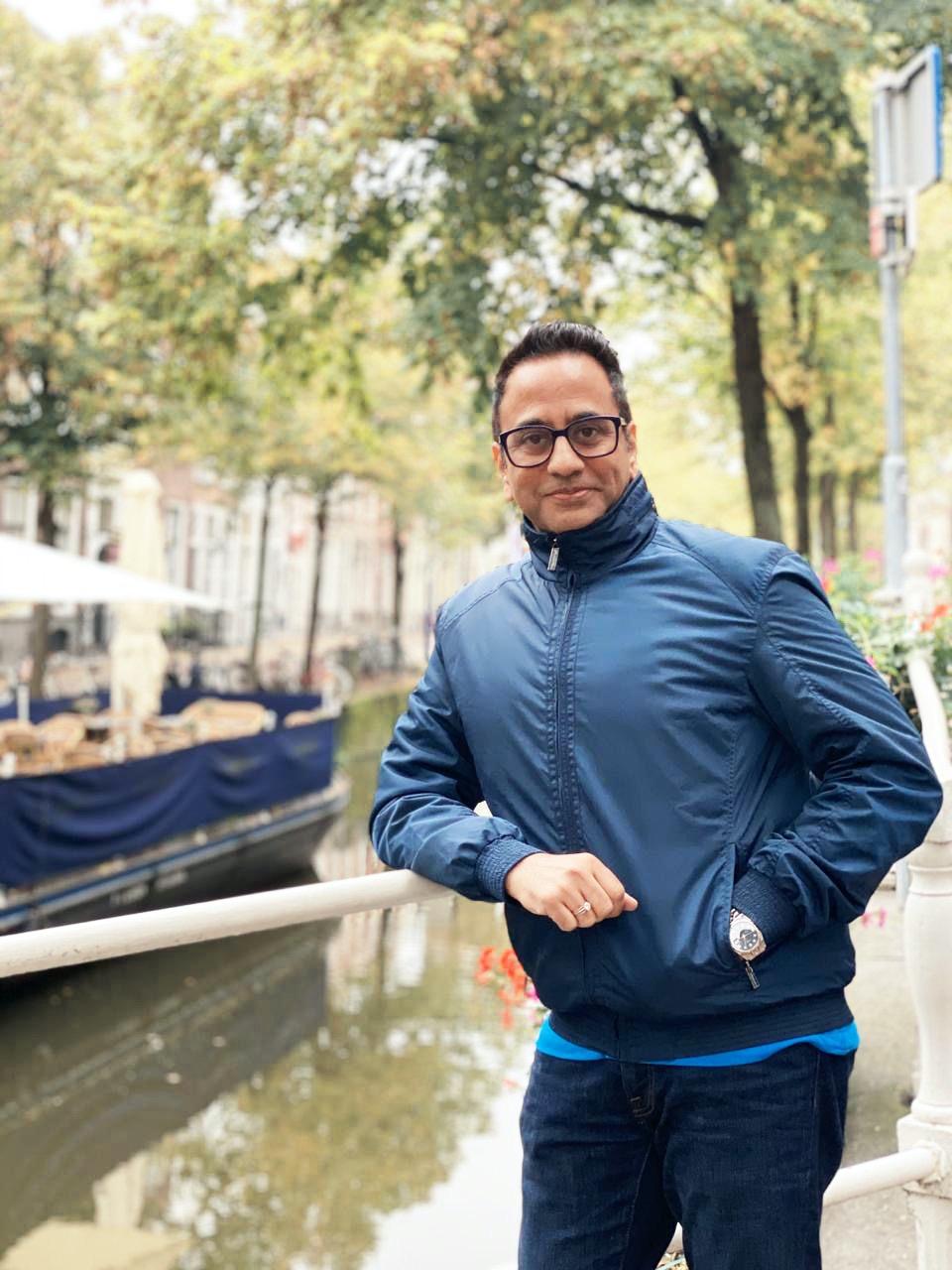
Riaz Munshi, Executive Committee Member and Past President of OTOAI, identifies three fundamental shifts in traveller behaviour.
The first is the move from destination-driven to experience-driven travel. “Travellers are no longer simply looking to ‘visit’ a destination; they want to experience it,” he noted. Demand for authentic, immersive and personalised experiences - from culinary and cultural journeys to wellness, adventure, luxury and offbeat travel - is steadily rising.
The second shift is the growing demand for value, flexibility and personalisation. According to him, today’s traveller is more informed, digitally empowered and increasingly expects transparency, customisation and seamless service rather than simply the lowest price.
The third is the emergence of a far more diverse outbound market. Growth is now coming from multigenerational families, luxury travellers, special-interest groups, solo travellers, young professionals and repeat international travellers seeking newer destinations.
Munshi believes that over the next five years, operators will need to reinvent themselves from transaction-based intermediaries into trusted travel advisors and experience creators. He further added, “Technology and AI will certainly play a larger role in research, personalisation and operational efficiency, but human expertise, destination knowledge, relationships and the ability to handle the unexpected will remain critical.”
For OTOAI, he believes the larger responsibility is to help the industry evolve through professionalism, knowledge-sharing, training, advocacy and higher service standards.
The next chapter of outbound travel
Looking ahead, Kapoor sees the association evolving into a thought leader that helps anticipate change, encourage innovation and shape the future direction of outbound tourism in India.
“The future of travel is built on partnerships, shared knowledge and collective growth, and OTOAI is uniquely positioned to bring all stakeholders together under one common vision,” she added.
She also believes that greater participation by women in leadership will bring fresh perspectives, stronger innovation and a more resilient industry. “Diversity is no longer a conversation about representation - it is a strategic advantage,” she explained.
According to Gujral, one of OTOAI’s key priorities going forward should be creating greater awareness and recognition of the outbound tourism sector while continuing to engage constructively with the Government on policy matters affecting the industry.
He pointed out the association’s advocacy on Tax Collected at Source (TCS) as an example of the value of sustained industry engagement. “We have already demonstrated the value of constructive engagement by advocating for the reduction of TCS from 5% to 2% for eligible overseas tour packages, providing much-needed relief to travellers and the trade,” he added.
Together, these priorities suggest that OTOAI is positioning itself not only as a representative body, but as a policy advocate, knowledge platform and industry, aiming that Indian outbound tourism is recognised worldwide for its professionalism, credibility, and excellence. facilitator capable of strengthening India’s outbound travel ecosystem at multiple levels.