

NITI Aayog & MoT launch report; call for sweeping reforms to close India's global competitiveness gap
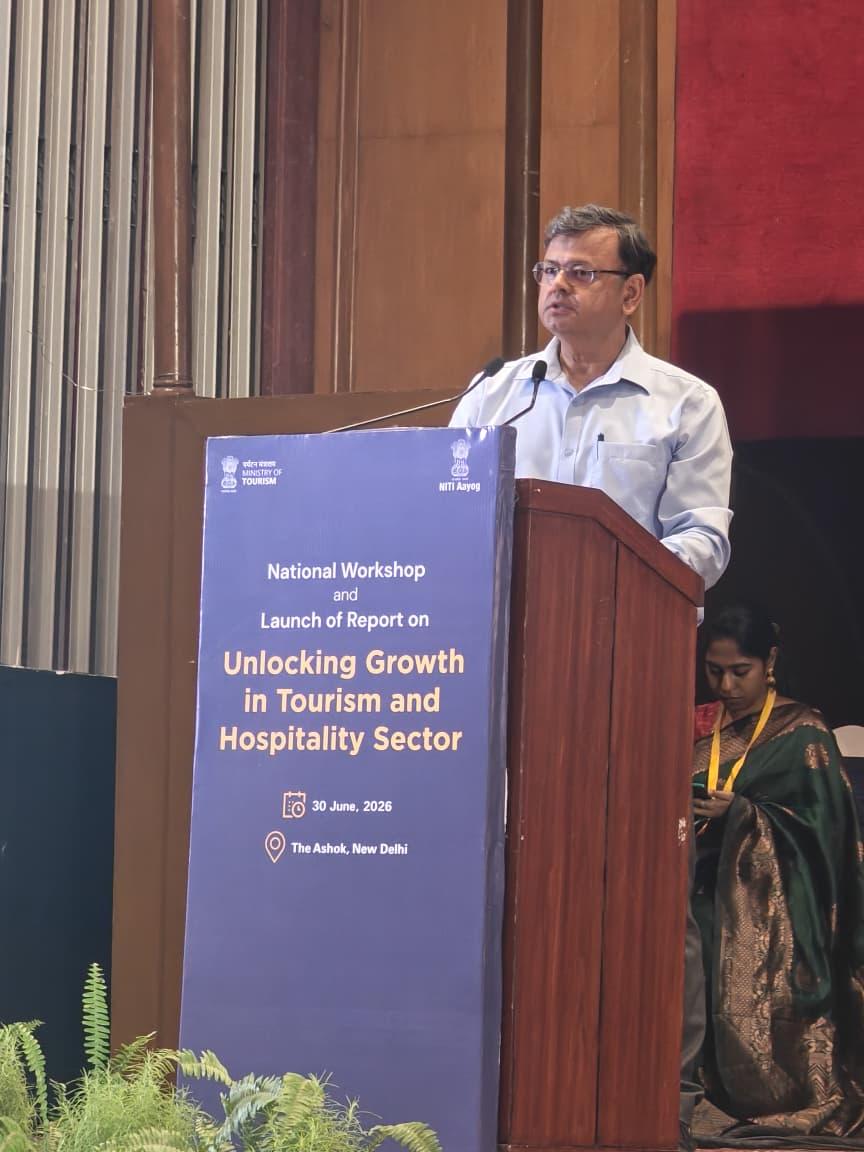
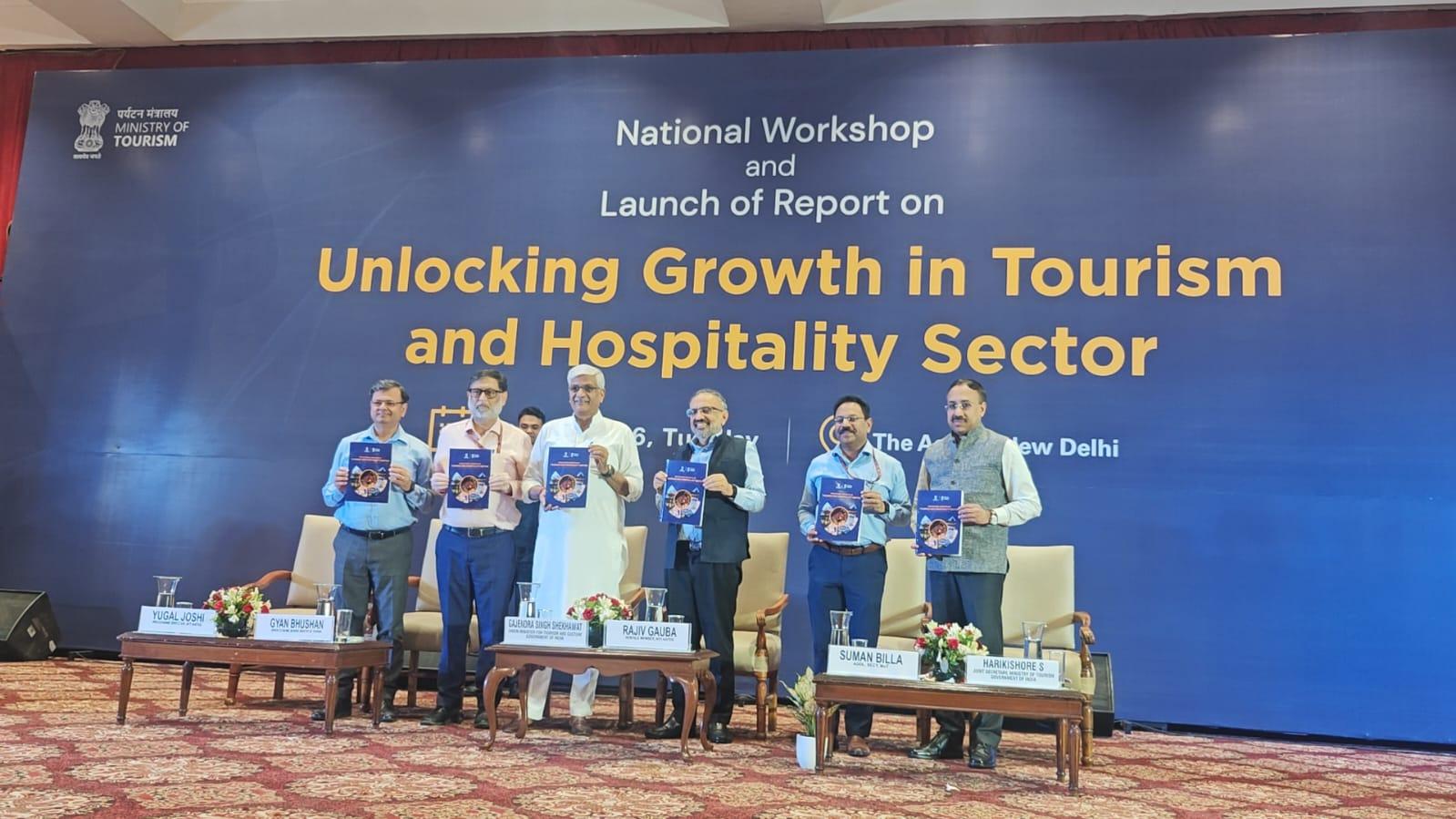 Snapshot from the report launch event_The Ashok
The launch took place alongside a day-long workshop focusing on four key themes aimed at improving India's tourism ecosystem. Discussions centred around single-window clearances, addressing visa challenges, sustainable development, digitised approvals and streamlined project timelines, among others.
NITI Aayog, in collaboration with the Ministry of Tourism, organised a national workshop on June 30 and launched its report, “Unlocking Growth in Tourism and Hospitality Sector”, at The Ashok, New Delhi, bringing together policymakers, industry associations and state governments to deliberate on reforms needed to accelerate tourism-led growth.
The newly released report identifies several policy and regulatory bottlenecks and recommends targeted reforms across visa facilitation, infrastructure development, investment approvals and ease of doing business.
Calling tourism a critical pillar of India's economic growth strategy rather than a peripheral sector, Rajiv Gauba, Member, NITI Aayog, urged states to undertake wide-ranging regulatory reforms to unlock the country's vast tourism potential. Speaking at the event, Gauba said India continues to underperform despite possessing one of the world's richest tourism offerings.
Highlighting the economic significance of the sector, Gauba noted that travel and tourism contributed nearly 10% to global GDP in 2024 and supported one in every 10 jobs worldwide. In contrast, tourism accounted for only around 5.2% of India's GDP, indicating a significant gap between India's potential and actual performance.
He pointed out that India attracted just 20.6 million international arrivals in 2024, contributing less than 1.5% of global tourist arrivals. Of these, fewer than half were foreign tourists, with the remaining comprising Non-Resident Indians (NRIs). The country's international visitor numbers also remain around 10% below pre-pandemic levels and trail destinations such as Thailand, Malaysia and Vietnam.
Drawing comparisons with global destinations, Gauba said cities like Paris receive more international visitors annually than India as a whole, despite India's unmatched diversity of landscapes, heritage, wildlife and cultural attractions. He stressed that the country possesses all the ingredients required to become a global tourism powerhouse but has failed to fully capitalise on them.
While acknowledging the strength of domestic tourism, he observed that domestic travel generates comparatively lower economic value than international tourism and includes travel across multiple purposes beyond leisure. This, he said, reinforces the need to substantially increase high-value inbound tourism.
Among the key recommendations in the report is simplifying entry procedures for international visitors. While India currently offers e-visas to citizens of 175 countries, Gauba suggested improving the user experience of the portal, reducing processing times, expanding multiple-entry visas with longer validity and selectively widening visa-on-arrival provisions to make India more competitive against rival destinations.
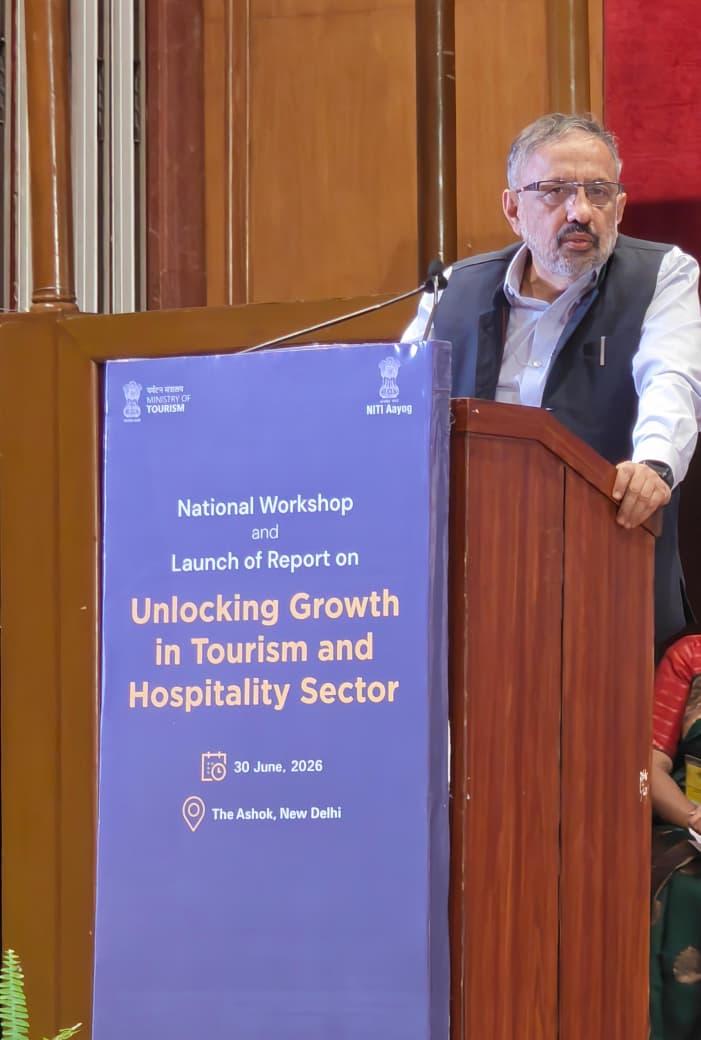
On the investment front, he highlighted lengthy approval timelines for hotel projects, noting that hospitality developments in India often require three to four years for approvals and commissioning compared to one to one-and-a-half years in several competing destinations. The NITI Aayog report shows a hotel takes nearly 3x longer to be built in India as compared to ASEAN destinations complete similar projects in 12-18 months of time. Plus, there are almost 60+ licenses needing approvals for hotel to be built. According to Gauba, such delays significantly increase project costs and discourage private investment.
The report also recommends rationalising approval processes by reducing the number of clearances required across land acquisition, construction and operations. It also proposes revisiting planning norms such as floor area ratio (FAR), height restrictions, parking requirements, minimum road widths and plot size regulations to encourage hotel development.
Gauba also called for simplifying regulations governing homestays by easing room caps, reducing mandatory no-objection certificates and streamlining registration procedures to support the growth of the alternative accommodation sector.
He also critiqued the proliferation of multiple licences and approvals across states, saying many requirements, including repeated health and trade licences, annual renewals and separate permissions for individual business units, have become barriers rather than safeguards. He advocated replacing such fragmented systems with simpler, enterprise-level approvals wherever possible.
On seamless interstate travel, Gauba said that despite the introduction of the All India Tourist Permit Rules, 2023, tourist vehicle operators continue to face multiple permits, state-level fees and regulatory hurdles. He recommended extending the validity of All India Tourist Permits from 90 days to one year while eliminating entry taxes and duplicate fees imposed by states.
Gauba further emphasised that while many of the reforms fall within the jurisdiction of state governments and urban local bodies, their implementation could unlock substantial economic gains through higher tourist arrivals, increased private investment, job creation and greater prosperity for local communities.
Seamless coordination between states & centre and time-bound execution critical for growth
Speaking at the event, Tourism Minister Gajendra Singh Shekhawat stressed that India's next tourism boom would be driven by better governance, ease of doing business and investor confidence, adding that institutional efficiency and faster decision-making are now more important than capital alone.
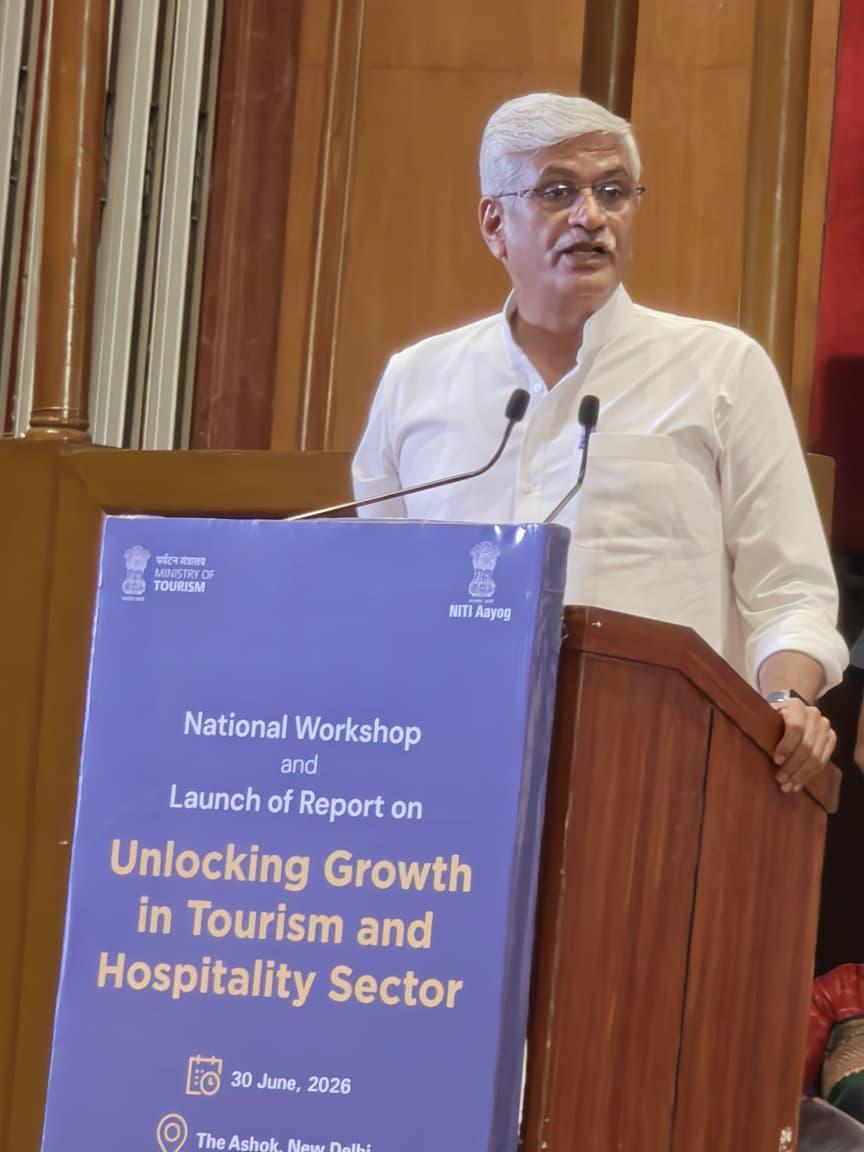
Highlighting India's strengths, the Minister said the country possesses unmatched advantages in wellness, hospitality, cultural heritage and natural diversity, making it ideally placed to benefit from the global shift towards experience-led travel.
Shekhawat urged both the Centre and state governments to review existing regulations and asked whether India's regulatory framework truly matches its tourism potential. He argued that investors value predictable approvals and transparency more than subsidies.
“The tourism industry's biggest expectation from government is ease of doing business. Investors need simplicity, transparency, timely approvals and a supportive regulatory environment—not complex licensing systems,” he said.
Calling for a shift from ‘single-window clearance to a single investor experience,’ the Minister said centre and states should jointly work towards trust-based regulation, greater inter-departmental coordination and time-bound approvals.
He also reiterated the government's aspiration to raise tourism's contribution to India's GDP from around 6% to 10%, saying reforms, not marketing alone, would be the biggest catalyst for achieving that target.
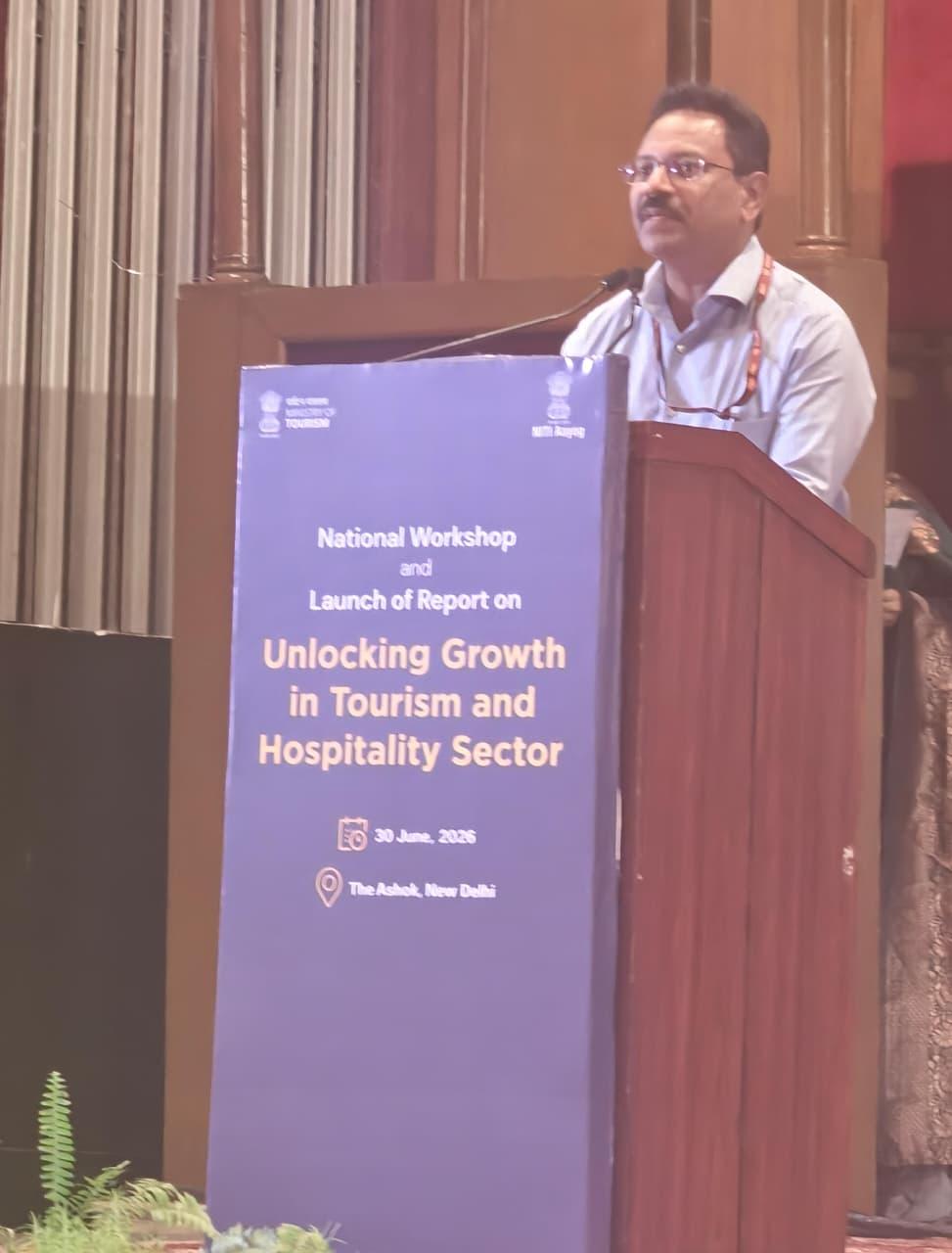
Asserting on the takeaways, Suman Billa IAS, Addtl. Secretary & DG, Ministry of Tourism said the success of the tourism and hospitality reform agenda will depend on how effectively state governments adopt and implement the recommendations. Stressing that policy reforms alone are not enough, he said the focus must now shift to time-bound execution to unlock the sector's full potential. He also recalled that the deliberations throughout the day long workshop underscored the importance of ensuring reforms are implemented within prescribed timelines so that they translate into tangible outcomes on the ground.
Billa also said the consultation served as an important platform to bring together the Centre, state governments, industry stakeholders and multiple ministries, many of whom had previously been working in silos.
Simpler rules, faster clearances: A few report recommendations
The NITI Aayog report makes a strong case that India's next phase of tourism growth depends not only on new infrastructure but also on fixing the regulatory environment. Rather than proposing financial incentives, it recommends simplifying approvals, reducing compliance burdens, digitising government processes and harmonising regulations across departments and states. By focusing on non-financial reforms, the report seeks to improve the ease of doing business, shorten project timelines and encourage greater private investment across hotels, resorts, homestays and other tourism enterprises. By large, sustainability, investment facilitation and improved visitor experience are identified as core pillars for making India globally competitive.
The report's central message is that regulatory certainty can become a competitive advantage for India's tourism sector. Its 49 recommendations across 14 reform areas aim to create a more predictable, transparent and investor-friendly ecosystem while supporting sustainable tourism development. If implemented collaboratively by the Centre and states, these reforms could help unlock faster investment, improve visitor experiences and strengthen India's position as a globally competitive tourism destination, says the report.
This report was prepared as a collaborative effort by NITI Aayog with support from the Ministry of Tourism and extensive consultations with state governments, industry associations and private stakeholders.
Prior to the report's release, multiple sessions were held and were chaired by the senior officials from MoT, NITI Aayog, state governments, and industry associations like FHRAI, FAITH, HAI, RTSOI, IATO, and ADTOI. Representatives from various state departments, including Maharashtra, Uttarakhand, and Uttar Pradesh, also presented policy reforms and key takeaways.