
MORE TOURISTS OR MORE VALUE? - Tourism ministers debate the price of growth & the importance of public–private partnerships
 Cover Story Image - T3 November Issue
Tourism growth is often measured in arrivals, hotel occupancy, foreign exchange earnings and investment commitments. But as destinations grapple with mounting infrastructure pressures, uneven visitor distribution, environmental concerns, and local communities’ expectations, a more fundamental question stands right at the middle of these conversations: what does it take to make tourism growth work for everyone?
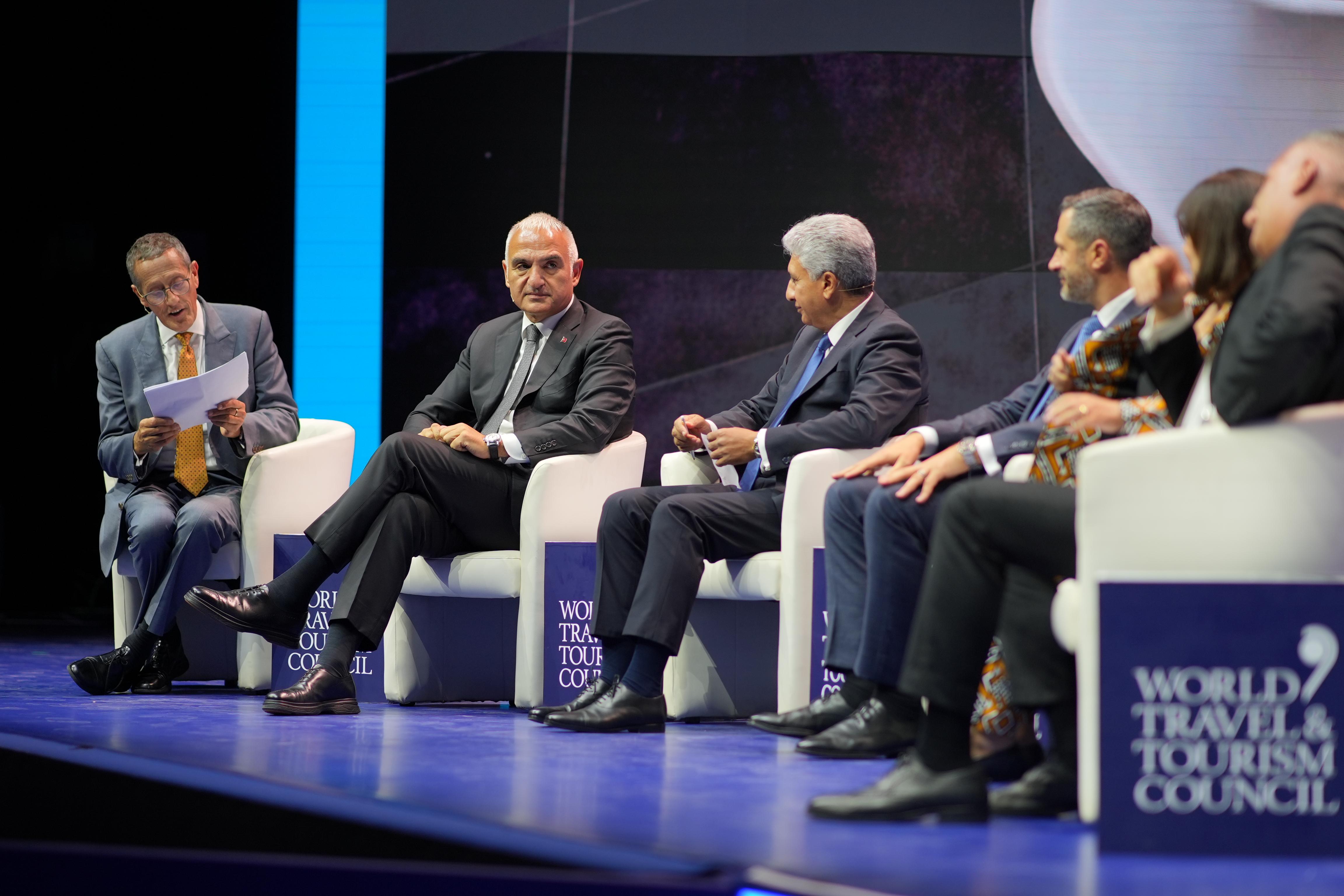
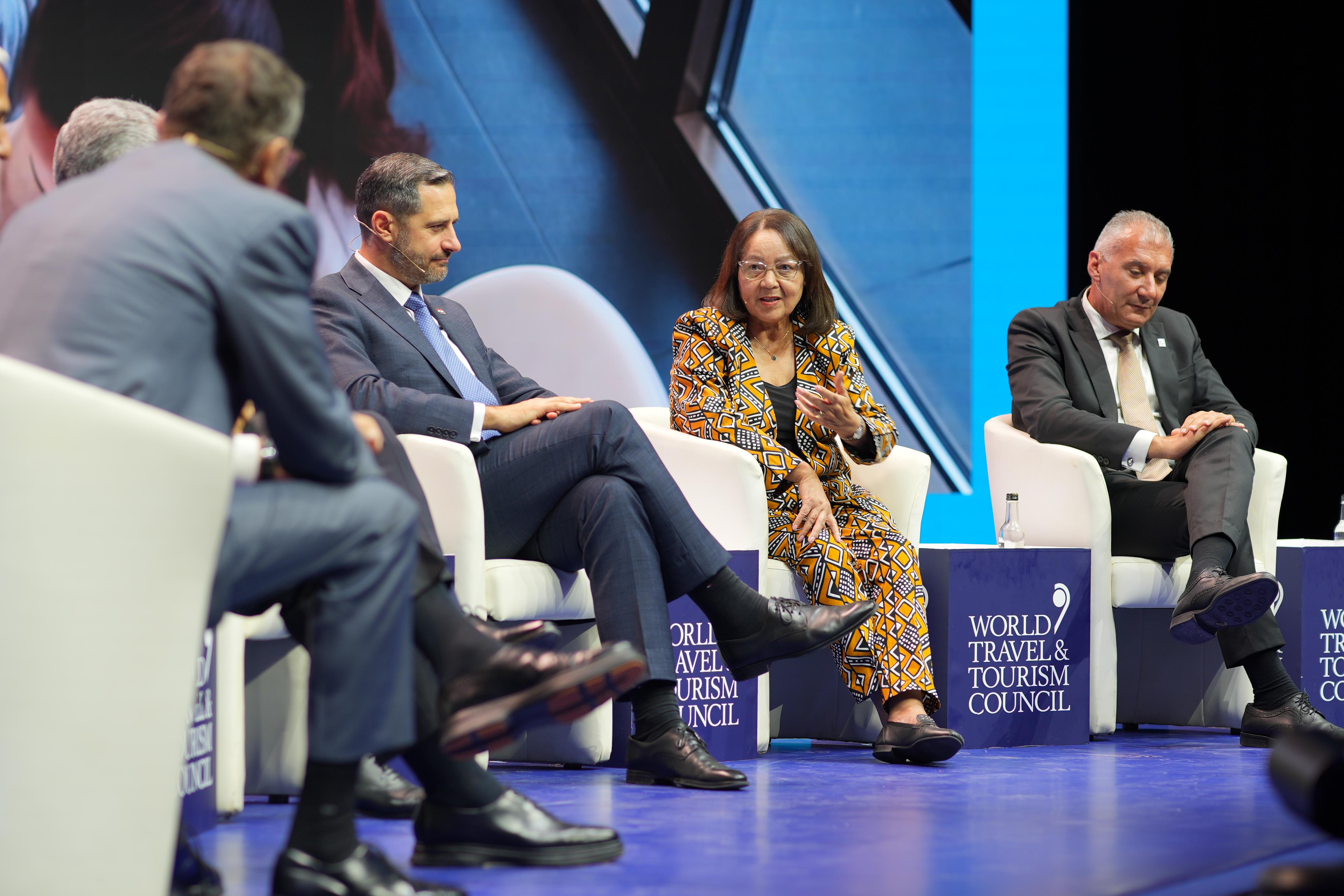
The answer, as per the destination leaders, lies not simply in attracting more visitors or building more hotels, but in creating an ecosystem in which governments, private businesses and destination communities share responsibility for tourism’s long-term success. This was the central thread running through a discussion on enabling growth through public–private collaboration at a recent forum, where Tourism Ministers from Malta, Croatia, Egypt, Turkiye and South Africa examined the policy choices, investment priorities and regulatory interventions that will shape the next phase of global tourism.

Moderated by Richard Quest, anchor and correspondent & Editor at Large at CNN Business, the discussion moved beyond the familiar calls for greater collaboration to confront the difficult choices governments must make. The debate examined how tourism cannot deliver its full economic potential when it operates in isolation from transport, infrastructure, finance, environmental management, urban planning and the needs of residents.
The ministers brought different perspectives to the table. Egypt and Turkiye pinned their hopes on a substantial increase in visitor numbers by unlocking more destinations and diversifying tourism products. Croatia emphasised shifting towards higher-value tourism and stronger controls on destination capacity. Malta is confronting the challenge of balancing a thriving visitor economy with residents’ quality of life, while South Africa is working to strengthen connectivity, improve international perceptions and secure greater recognition of tourism within government.
Amidst these discussions, their experiences sharply pointed to how the public–private alliance must evolve into a framework for managing the entire tourism economy.
TOURISM MUST EARN THE RESPECT AT THE ECONOMIC POLICY TABLE
One of the most significant issues raised during the discussion was not how to attract tourists, but how to persuade governments to treat tourism as a strategic economic sector rather than a secondary portfolio.
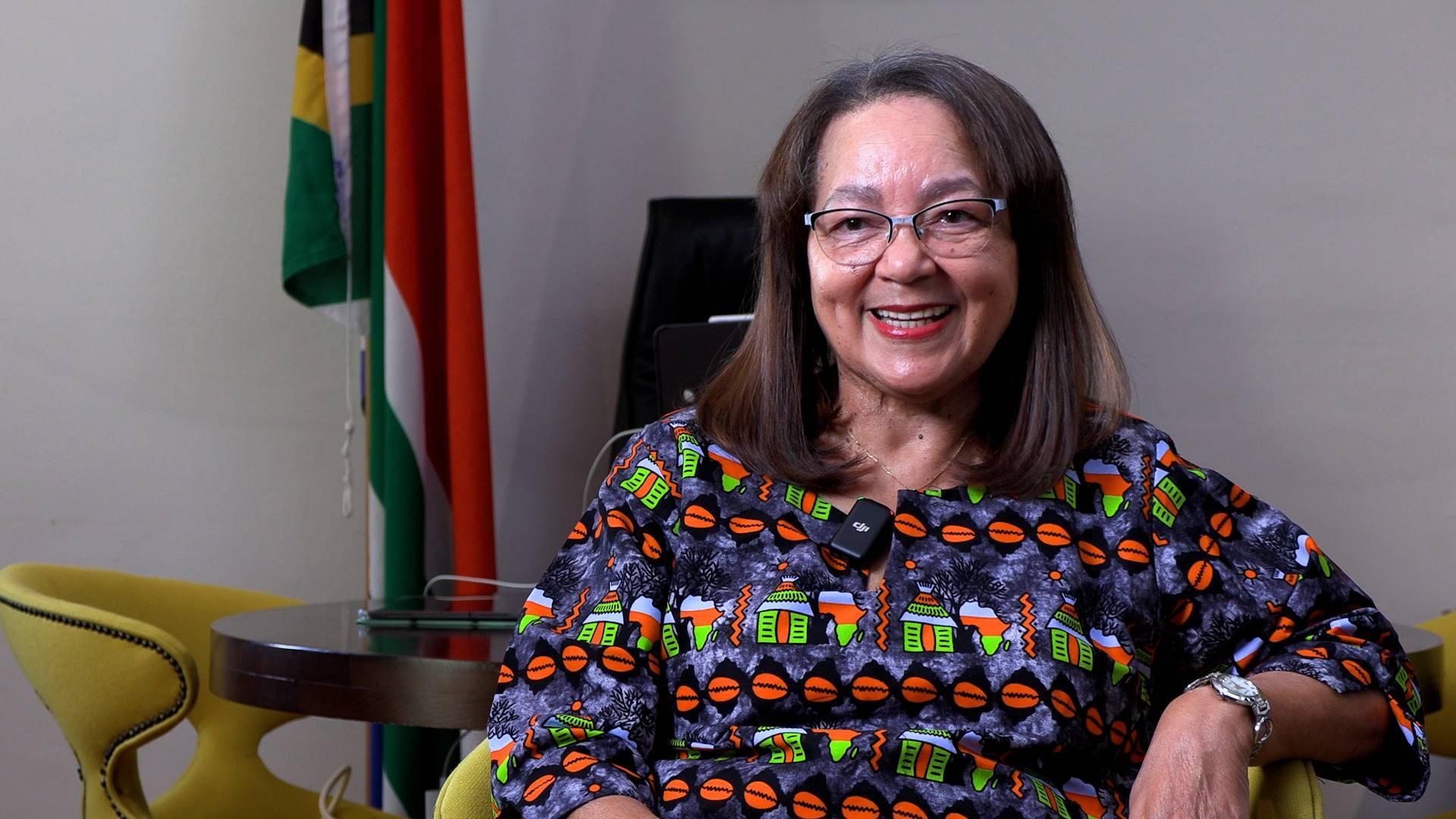
For Patricia de Lille, Minister of Tourism, South Africa, the challenge is one of recognition and sustained advocacy. Tourism’s contribution to employment, economic activity and national image, she argued, must be communicated repeatedly to policymakers who often prioritise manufacturing, industrialisation and other traditional economic sectors.
“I have started a campaign to teach my government, because I think all tourism ministers must do that. You must repeat the same message, in volume and over time, until it sticks. People think about the economy in terms of industrialisation and manufacturing. We must continue to show them the value of tourism and teach our governments that tourism is a public good and we are slowly getting there,” de Lille said, stressing that the value of the sector needs to be demonstrated consistently, further citing the World Bank’s recognition of tourism as one of the five important sectors.
She also called for tourism to be recognised as a public good, with benefits extending beyond businesses to the wider destination economy. De Lille also cited tourism’s contribution of 4.9% to South Africa’s GDP and the creation of almost one million jobs in 2024. She also referred to the country’s recognition of tourism, agriculture, mining and infrastructure as sectors capable of driving massive economic growth.
She also described tourism as a form of soft power that can help counter negative perceptions of a country. Visitors who experience a destination firsthand, she argued, can become repeat travellers and help reshape its image. On connectivity being a constraint, de Lille also referred to the United States as South Africa’s fastest-growing source market at the time of the discussion and said additional flight frequencies had been introduced on services connecting the two countries.
Her comments rightly demonstrate why tourism policy cannot be confined to the tourism ministry. Air connectivity depends on decisions involving aviation authorities, transport ministries, airports, airlines and commercial route economics. For public–private collaboration to be effective, governments need to create a supportive environment for connectivity, while airlines and airports need credible evidence of demand and the commercial viability of new services.
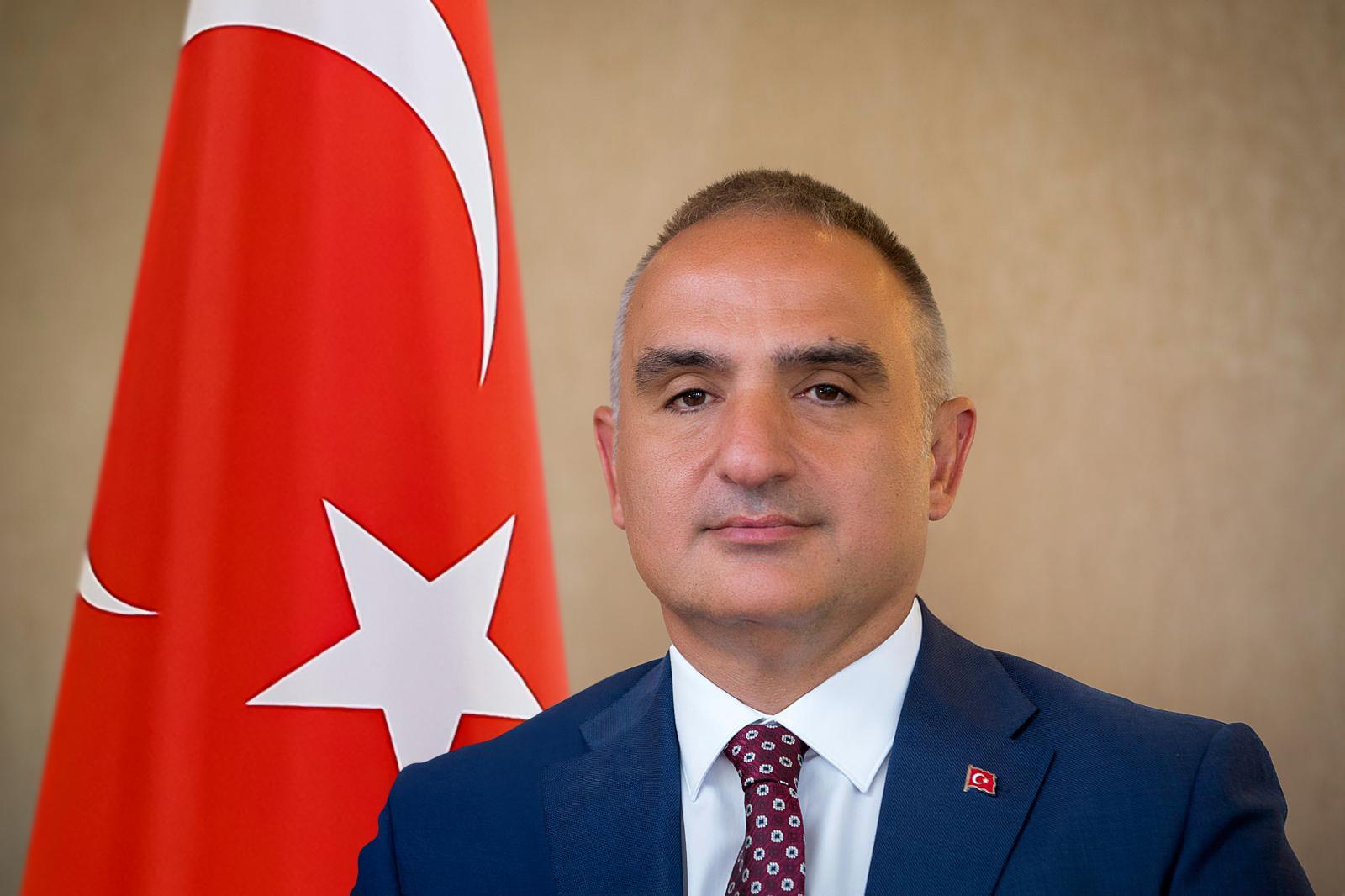
Turkiye’s Minister of Culture and Tourism, Mehmet Nuri Ersoy, described their decision to make tourism a strategic sector in 2018 as a turning point. Ersoy said the change brought a more coordinated approach across government, with other ministries expected to support the sector. He also highlighted the significance of appointing a minister from the private sector, bringing industry experience into the policymaking process.
“I think it is our responsibility to explain the importance of tourism to our people. If they understand what it means for their economy and their future, they will also try to support it,” he added. According to Ersoy, tourism activity that was once concentrated in around 10 to 15 cities had spread across all 81 provinces, with more cities seeking tourism investment and visitor spending.
Croatia’s Tourism Minister Tonči Glavina stressed that the economic benefits of tourism must be felt by local communities without compromising their quality of life. When Quest cited the backlash against tourism in parts of Europe, Glavina further cautioned that public dissatisfaction could eventually lead to policy decisions that adversely affect the industry. “First, what you have to do is find a way that tourism brings a lot of money to the local communities. They actually feel it in their quality of life, and at the same time, you don’t deteriorate the quality of life in the destination,” he said.
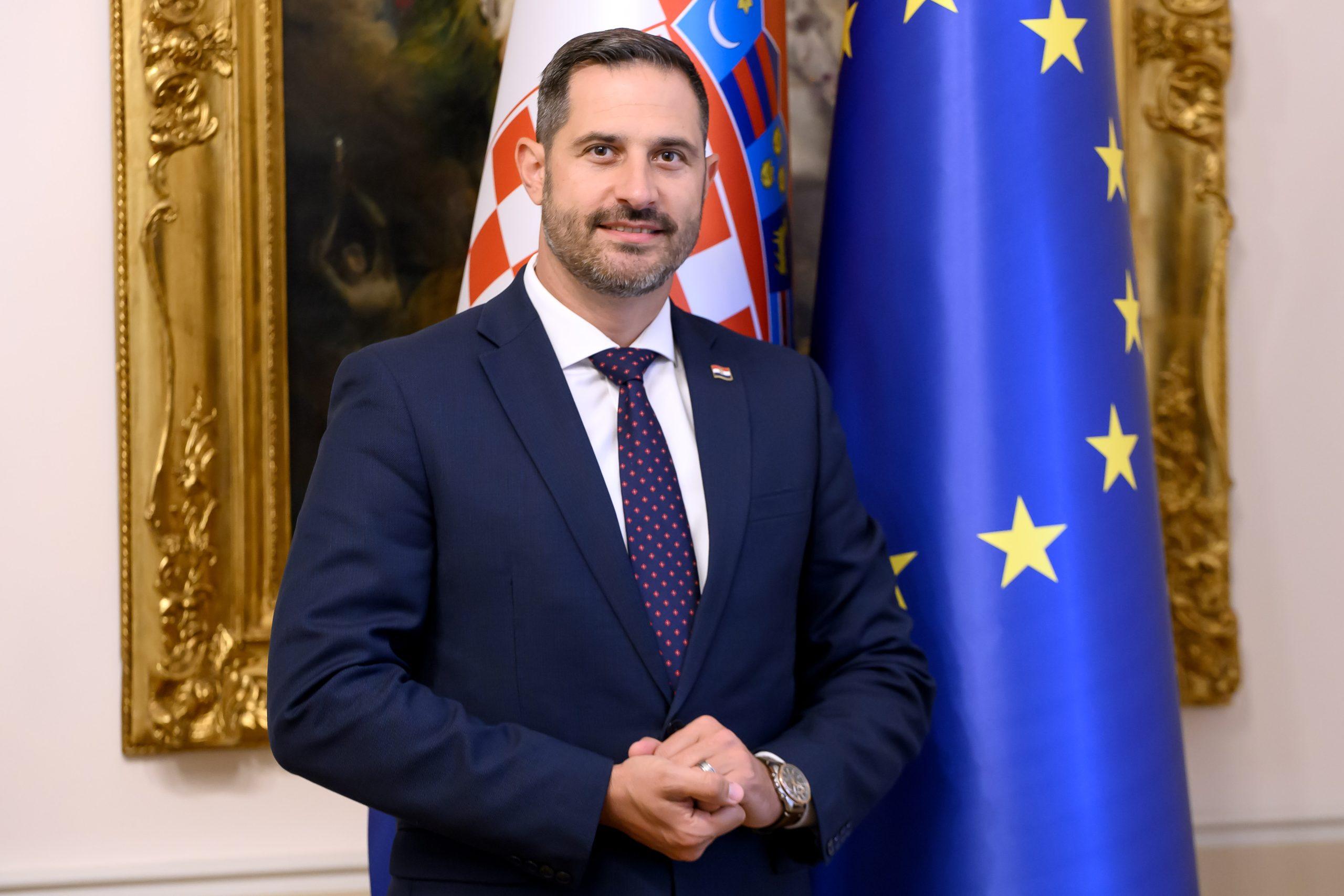
Glavina emphasised that sustainability is not a fixed target but an ongoing exercise in balancing tourism’s economic contribution with the needs of residents. “It’s always about continuing to find that balance and making sure that you’re ahead of time,” he said. As part of Croatia’s approach, he pointed to legally mandated destination plans that measure tourism quality and visitor satisfaction, enabling authorities to make decisions based on local needs.
Malta’s Tourism Minister, Jo Etienne Abela, noted that tourism accounts for about 17% of GDP, making the sector inseparable from the wider economy. “Tourism is an all government enterprise. Whatever works for society will work for and support tourism.” Roads, airports, public transport, utilities, waste management and urban services are not merely tourism infrastructure; they are shared assets, he said. However, their capacity, quality and planning directly influence a destination’s competitiveness and its ability to accommodate visitors.
GROWTH HAS DIFFERENT MEANINGS FOR DIFFERENT DESTINATIONS
Egypt’s Minister of Tourism and Antiquities, Sherif Fathy Attia, emphasised the country’s ambition to expand visitor numbers substantially. Asked about overtourism, he said Egypt would need to triple its existing numbers before reaching the stage of worrying about the issue at a national level. “We have a very well-diversified tourism experience, and we can direct tourists to different parts of the country through marketing, engagement with tour operators and, in the future, artificial intelligence,” he said.
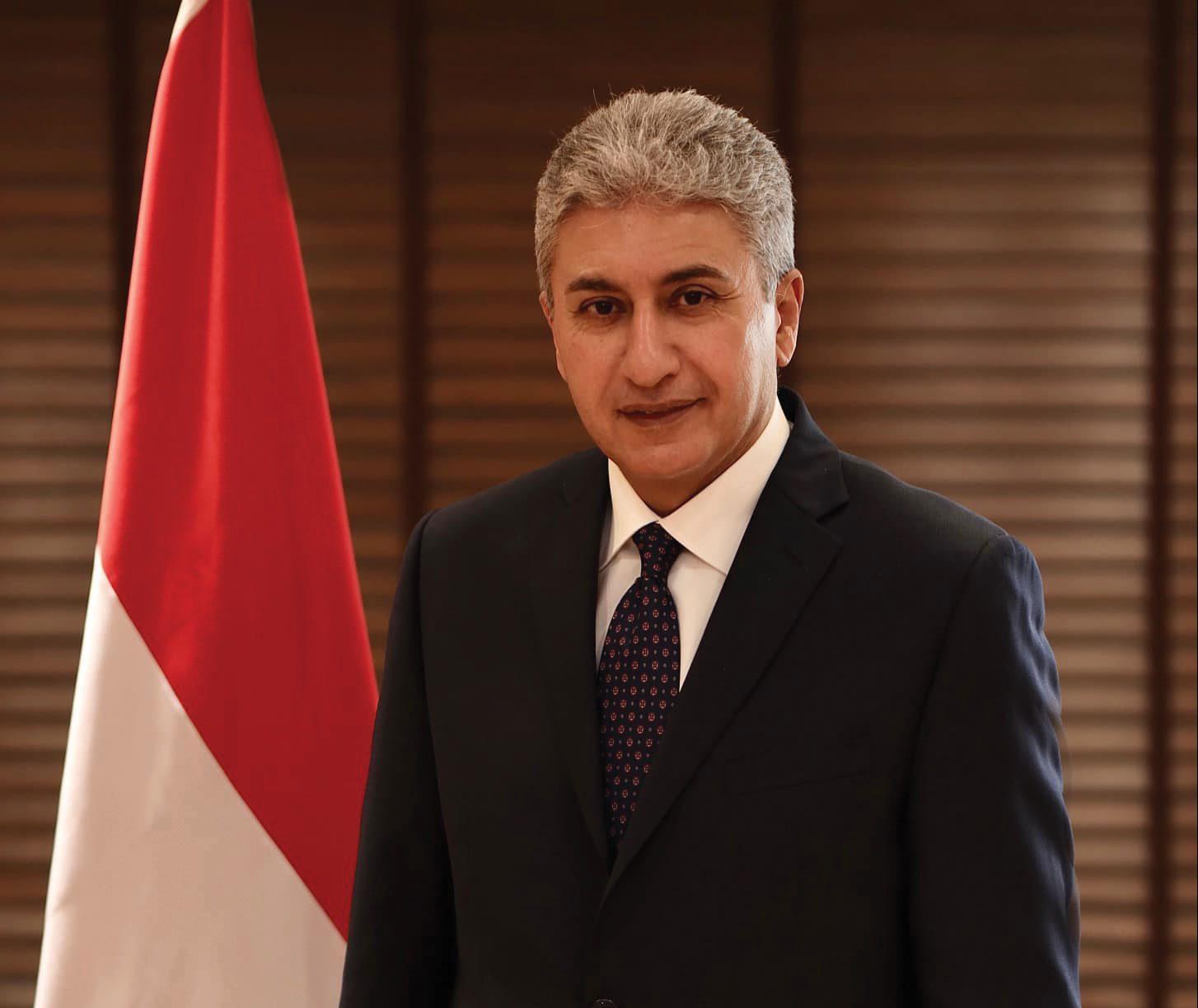
Turkiye similarly sees considerable room for expansion. Ersoy cited 64 million visitors in the previous year and said the country could aim to exceed 100 million, given its geographic scale, four seas, varied seasons and diverse tourism products. He acknowledged that some destinations were approaching their limits but argued that others retained capacity for growth.
These ambitions underline the importance of coordinated planning too. Marketing a destination successfully is only one part of the equation. New and emerging destinations also need appropriate accommodation, transport links, trained workers, utilities, investment and effective local governance.
This is where the public and private sectors need a shared development agenda. Governments can identify infrastructure gaps, streamline approvals, provide policy certainty and establish destination-management frameworks. Businesses can bring capital, operational expertise, distribution networks and an understanding of changing traveller demand.
Neither side can deliver the full outcome independently. The objective, therefore, should not be to maximise investment announcements or visitor arrivals in isolation. It should be to align investment with the capacity of destinations to absorb growth and generate enduring economic benefits.
TAXING TOURISM: A SHORT-TERM GAIN OR A LONG-TERM COST?
Tourism taxes are increasingly being used by governments to generate revenue for infrastructure, heritage conservation and destination management. However, while such levies can help fund the public services that tourism depends on, is raising taxes really a straightforward solution? Higher costs can affect destination competitiveness, influence travel decisions and place additional pressure on tourism businesses. The challenge for governments, therefore, is to strike a balance.
Against this backdrop, Quest challenged the ministers on whether governments sometimes view tourism primarily as a convenient source of tax revenue.
Calling it an anti-tourism sentiment, Egypt minister said that a country will lose income if there are a lot of added taxes. He said that there was a growing understanding at his cabinet and leadership levels of the direct and indirect benefits generated by tourism and antiquities; therefore, adding tax may affect the chain of supply and demand.
South Africa’s De Lille offered a practical example of the tension between generating revenue and facilitating travel. The country had introduced a paperless digital visa system designed to provide one application and one decision within 24 hours. However, the proposed visa fee became a point of disagreement with the finance ministry.
“I want to make tourism seamless, and people should not be taxed by levies and that,” de Lille said, explaining her position during the negotiations. She said the final fee was brought down to less than USD 20 from a proposal of almost USD 500. The episode also illustrates how visa facilitation can become a competitive tool, provided governments resist the temptation to treat every stage of the visitor journey as an additional source of revenue.
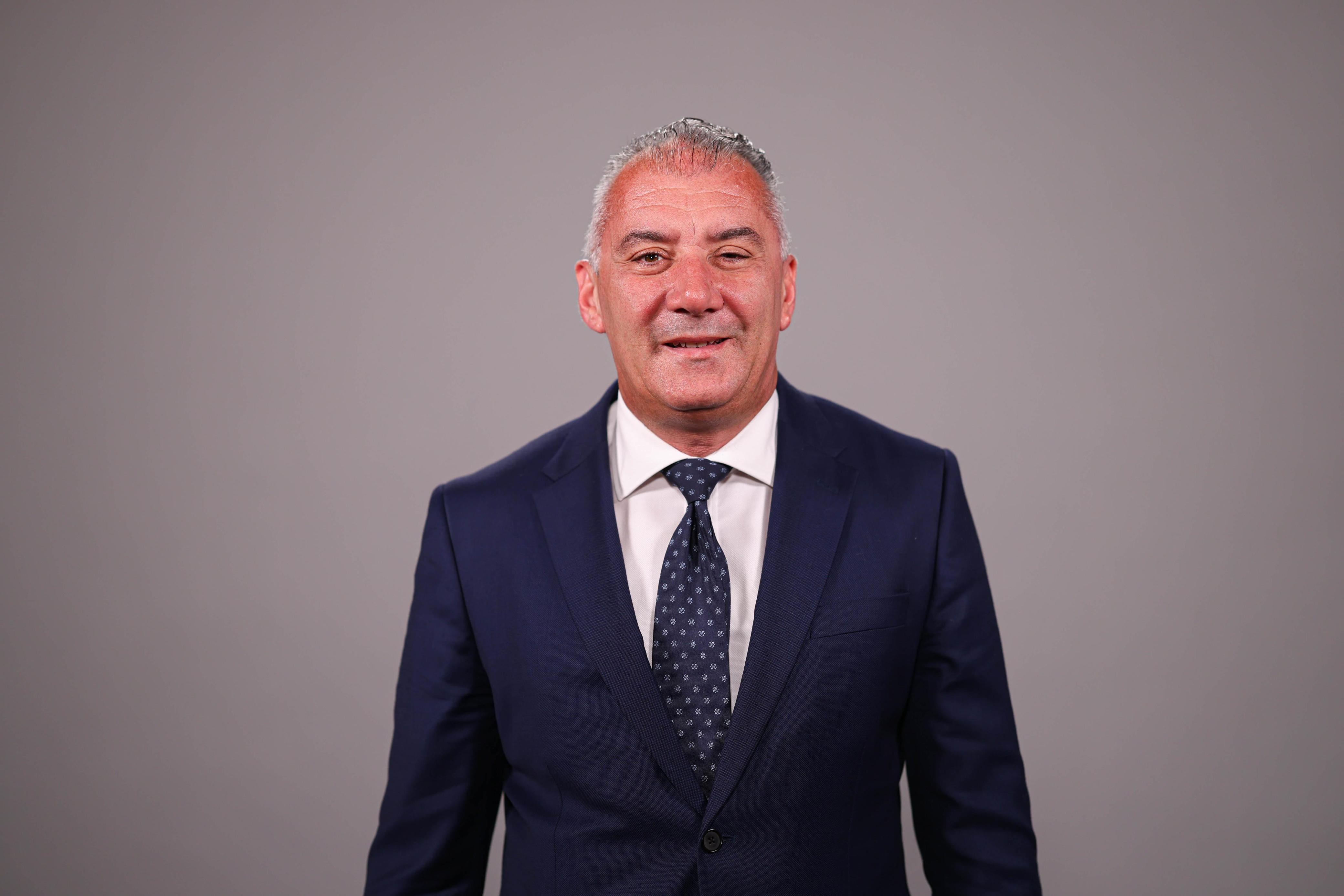
Malta’s minister further emphasised that even if taxes are levied, they must be fair and predictable, with visitors receiving value for what they pay. “I don’t think there’s anything wrong with this, except that it has to be fair, transparent, and predictable. Whatever our visitors are paying in terms of taxes, they deserve to know — we have a responsibility to explain and tell them what they’re paying for. And when they pay that, they expect to get the value for it.”
For Malta, the government currently levies an Environmental Contribution (eco-tax) of EUR 1.50 per person, per night, on all guests aged 18 and older, capped at EUR 22.50 per person for stays of up to 15 nights. The tax applies across licensed hotels, guesthouses, apartments, host families, and other commercial accommodations in Malta and Gozo.
Ersoy added that his Tourism Ministry has been closely involved in government discussions on taxation to ensure that revenue considerations do not undermine the sector’s growth. He explained that while the government seeks to increase tax revenues from tourism, the Tourism Ministry is consulted to assess the potential impact of any proposed increase before a decision is taken. Notably, the Turkish government had officially halved its accommodation tax, from 2% to 1%, in a move to boost the tourism and hospitality sector. As per the Official Gazette, the new rate took effect May 1, 2026, and will remain in force through December 31, 2026, offering travellers temporary relief.
WHEN GROWTH REACHES ITS LIMITS
Croatia Minister’s Glavina challenged the assumption that destinations must continue increasing visitor numbers to remain successful. Croatia, he said, had made a conscious decision that it did not need more tourists during the peak season.
“We don’t need any more tourists in peak season,” he said, explaining that the country’s priority was to secure the economic benefits of tourism throughout the year rather than concentrate activity in already busy periods. Croatia is working to restructure its accommodation model and the wider business environment, with the aim of extending tourism activity across 365 days of the year. This approach seeks to improve the distribution of visitor demand, support employment beyond the main season and increase the value generated by tourism without placing ever-greater pressure on popular destinations, as per Glavina.
More importantly, he also pointed to a regulatory mechanism that moves destination management beyond broad sustainability commitments.
Glavina also stressed that destinations must establish clear limits to growth based on their capacity to manage visitors and their impact. Croatia has made carrying-capacity studies a legal requirement for its main destinations, assessing constraints related to energy, waste, traffic, parking and employment. “There is actually a way to calculate that, and we have done this through a carrying-capacity model,” he said, explaining that destinations must determine the point beyond which further growth could put pressure on local resources and infrastructure. Once those limits are reached, destinations need to take measures to ensure visitor numbers remain within manageable levels.
This is an important development for public–private collaboration. Once the capacity of a destination is understood, governments can use that evidence to guide infrastructure spending, land-use decisions and tourism policy, while businesses can make better-informed investment decisions. Carrying-capacity assessments can also help prevent a familiar policy failure: encouraging investment and visitor growth without accounting for the cumulative impact of multiple projects on a destination.
Glavina reiterated: “The benefits of tourism must reach local communities and improve their quality of life without undermining the places in which they live.”
Malta’s minister Abela acknowledged that concerns about overtourism often arise when residents feel that their quality of life is under pressure. While he described problematic visitor behaviour as an issue, he stressed that even a relatively small number of incidents can generate wider public concern. The government’s responsibility, he said, is to listen to residents, monitor conditions and enforce rules before problems escalate.
Abela also argued that contemporary travel patterns increasingly involve shorter, more frequent breaks, creating opportunities for destinations to complement rather than displace one another. The implication is that cooperation between destinations, businesses and governments could help distribute demand more effectively, while allowing travellers to discover a wider range of places.
This is an important distinction for destinations that continue to attract strong demand. Overtourism is not determined solely by the number of arrivals. It is also shaped by where visitors concentrate, when they travel, how they behave and whether local infrastructure and services can accommodate them. A destination may be able to welcome more visitors in aggregate while particular neighbourhoods, heritage sites or transport systems are under considerable strain. Without local-level monitoring, national arrival figures can definitely conceal these pressures.
For Turkiye, Ersoy stressed that sustainable tourism requires governments to make difficult decisions on visitor numbers and regulate tourism activity, even when such measures may upset investors. He pointed to the impact of tourism-led development on housing affordability, explaining that Turkiye introduced stringent restrictions on tourism rentals to help stabilise rents. “Sometimes investors get angry with us because we start limiting them. But the definition of sustainability is very important. When a city becomes a tourism destination, rental prices increase. In Turkiye, we introduced strict rules on tourism house rentals, reducing the number of rental properties by 70–80% to keep rents stable,” he said.
Ersoy also underlined that sustainability measures must be backed by enforceable regulations rather than voluntary commitments. Citing Turkiye’s collaboration with the Global Sustainable Tourism Council (GSTC), he said the country had introduced 42 criteria across three stages, making certification mandatory for accommodation establishments. He said 15% of hotels had completed all three stages, while 85% of the approximately 17,000 hotels covered by the programme had completed the second stage. The remaining establishments were required to complete the third stage by the end of 2030, failing which they would not be permitted to operate.
He added that tourism revenues were also being reinvested in heritage protection. “We earn good money from tourism, and we invest it in protecting our culture and nature,” he said, noting that Turkiye had increased its archaeological excavation budget tenfold over the previous five years.
South Africa’s De Lille argued that sustainability needed a more clearly defined meaning within the tourism sector, adding that the term is ‘abused and overused’. She pointed to aviation emissions and the need to develop cleaner sources of jet fuel, citing the production of jet fuel from greener sources in South Africa as an example of the action required.
De Lille also suggested that destinations struggling with excess demand could direct some visitors towards countries with room to grow. Her proposal was to call upon the tourism bodies to explore opportunities to work together rather than treating every visitor as a prize that must be won from another destination.
GROWTH MUST WORK FOR DESTINATIONS AS WELL AS BUSINESSES
When asked what WTTC should prioritise in the global sectoral agenda, the ministers called for stronger investment advocacy, industry-led skills development and closer collaboration between governments and businesses. Malta’s minister stressed the need to push for tourism investment and the jobs it supports, while South Africa’s De Lille urged WTTC to help shape skills and training programmes that respond to the sector’s evolving needs, including technology, creating more jobs eventually.

Egypt minister Attia highlighted the importance of preserving destination diversity and authenticity, while Croatia’s Glavina called for closer cooperation to make tourism policies and business practices more acceptable to local communities.
The closing exchange brought the discussion back to how the tourism growth must work for destinations as well as businesses. In doing so, it also offered a valuable compound of lessons for India from both sides of the tourism growth debate. On one hand, the country needs to strengthen its international competitiveness, make connectivity & accessibility better, and attract more inbound visitors, a debate that has been on the table for years. On the other, it must draw on models from these countries to ensure that such growth is accompanied by better destination planning, investment, and management.