
Manipur gets set for tourism comeback even as PAP remains a hurdle for inbound
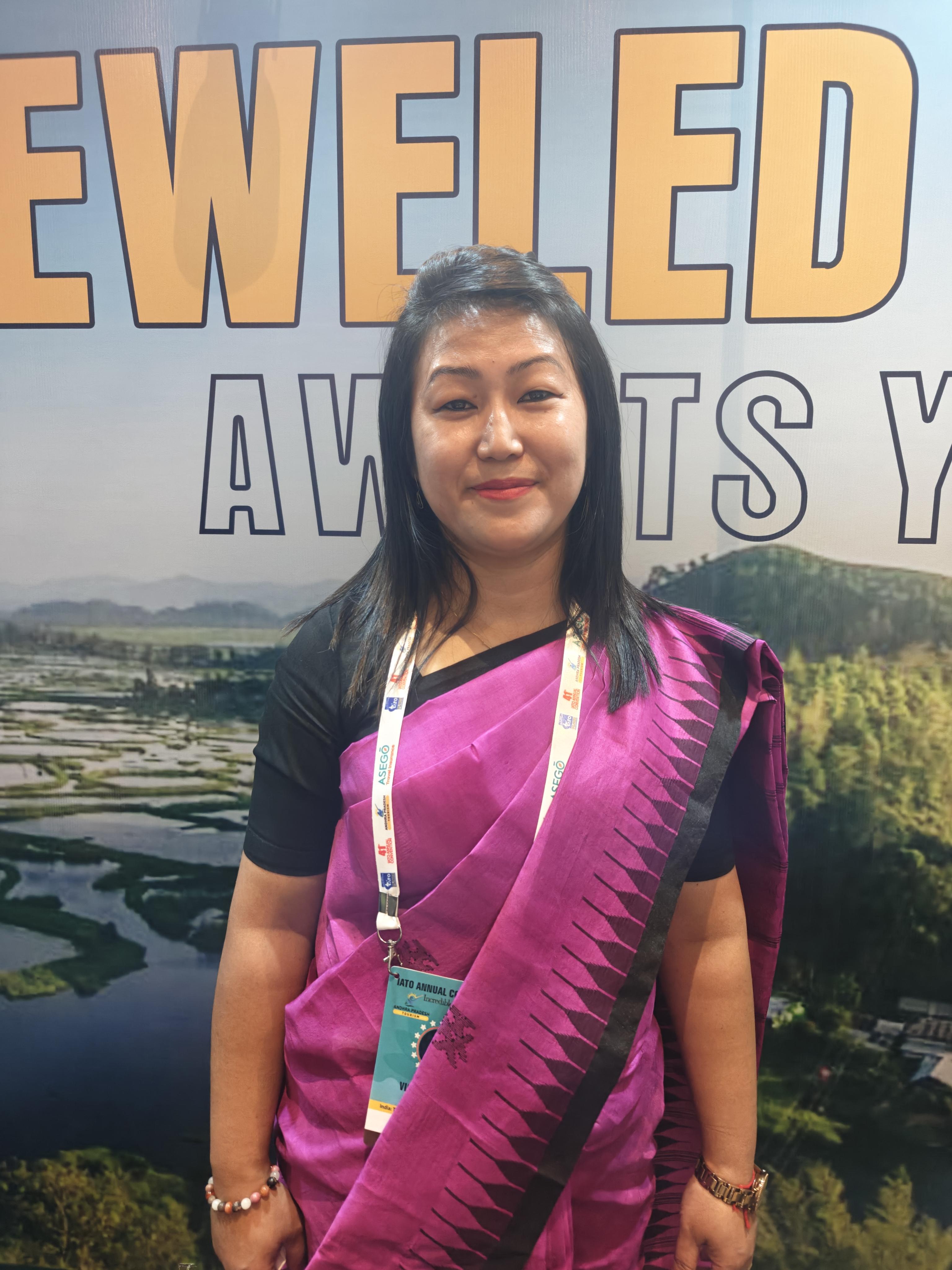 Sonia Elangbam, MCS, Joint Secretary (Tourism), Government of Manipur
The state is prioritising domestic tourism, homestays, and community-led growth while pushing the Loktak project and Polo as global tourism draws. T3 speaks with a senior tourism authority official.
Sonia Elangbam, MCS, Joint Secretary (Tourism), Government of Manipur, said the state, which has everything to offer, is currently in a “preparatory” phase, with the government continuing to build infrastructure so that the destination is ready to operate at full capacity once conditions improve.
In terms of numbers, Manipur recorded 29,375 tourist visits in 2025-26, comprising 26,528 domestic and 2,847 foreign tourist visits, up from a combined 25,519 visits in 2024-25. However, the latest data from the state tourist board also shows that April-July 2026 recorded 11,142 visits, including 10,421 domestic and 721 foreign visits, indicating that the FTA recovery remains uneven.
The subdued international numbers come against a backdrop of continued access challenges, with the Protected Area Permit (PAP) requirement remaining a hurdle for foreign-tourist movement for a few years now.
For the domestic market, Elangbam sees the Inner Line Permit (ILP) as relatively easier to manage, while the PAP required for foreign visitors remains more complicated and time-consuming and is also emerging as a practical challenge.
“Foreign interest in Manipur remains strong, particularly around polo and World War II heritage. Visitors continue to show interest in the Japanese War Memorial and visit the site annually to pay tribute. However, the PAP permit regime has been a particular hurdle for travel operators since December 2023,” she told T3.
Elangbam said the tourism department has been working with the Ministry of Home Affairs to facilitate PAPs for eligible foreign tourists and that permits have been issued to tourists holding valid tourist visas.
Building for the revival
Rather than putting tourism development on hold, the state is using the current period to strengthen its tourism infrastructure. A key focus is the development around Loktak, with a project already approved by the Ministry of Tourism. Loktak Lake, Manipur’s iconic freshwater lake and home to the world’s only floating national park, is emerging as one of the state’s key tourism assets.
Also, another focus area is polo. It is not a new tourism proposition for Manipur but part of the state's sporting and cultural heritage. The traditional Manipuri game of Sagol Kangjei, played on the indigenous Manipuri pony, is widely regarded as the precursor to modern polo; British officers encountered the game in the 19th century and subsequently helped take it beyond the region. Imphal's historic Mapal Kangjeibung, promoted as the world's oldest living polo ground, remains a centrepiece of that legacy.
The state has already begun promoting the two products, particularly as part of its effort to attract visitors looking for distinctive experiences.
Elangbam further shared that the hotel infrastructure is also being expanded, with five-star developments in the works. While one project, in collaboration with Radisson Group, is being taken forward, another hotel project is currently at the tendering stage.
“We are doing our best so that whenever we open, we open with the full carrying capacity of our state,” the JS said.
Connectivity within the state is another area where the government believes it can respond quickly to tourist demand. Given Manipur’s relatively compact size, the Tourism Department is working with the Transport Department to arrange buses, cars and other modes of transport for tourists as required.
The state also sees potential in MICE tourism. Imphal already has facilities capable of hosting meetings, conventions and conferences, although MICE tourism remains at an early stage. However, the state's experience of hosting events such as G20 and B20 has also demonstrated its ability to handle sizeable delegations and organise transportation and logistics, said Elangbam, adding the government is looking at leveraging existing infrastructure and logistics to pursue MICE opportunities whenever they arise.
Homestays at the heart of sustainable tourism
The state's tourism strategy is increasingly centred on sustainable tourism and ensuring that local communities derive direct economic benefits from visitor activity.
“Homestays will be our priority, with sustainable tourism and economic empowerment of local communities being the key areas of focus,” the Joint Secretary said, adding that the department wants local communities to have a direct stake in tourism growth.
The state currently has a tourism policy in place and does not have an immediate plan for a separate segment-specific policy for homestays, although a review could be considered depending on changing demand and supply, Elangbam said.
Festival & Film tourism
Festival tourism has always emerged as another route to building bookable tourism products around Manipur’s cultural assets.
The state has already explored packages linking the Sangai Festival with the Hornbill Festival (held in Nagaland), allowing visitors to combine the two experiences. The Sangai Festival is held from November 21–30, with the Hornbill Festival following it, creating an opportunity to extend visitor stays and build multi-experience itineraries.
Speaking against the backdrop of the IATO Convention in Vizag, she also encouraged the travel agent community and operators to work closely with the local government to spread the word out loud, aimed at aiding inbound numbers.
Film tourism is another potential area, although a dedicated policy or incentive framework is still at the discussion stage. Elangbam shared that a film tourism framework is under discussion, with the department examining models from other states that have existing film boards/ policies, considering ways to attract filmmakers to Manipur.