
Malaysia Airports & MAG deepen collaboration on aviation sustainability
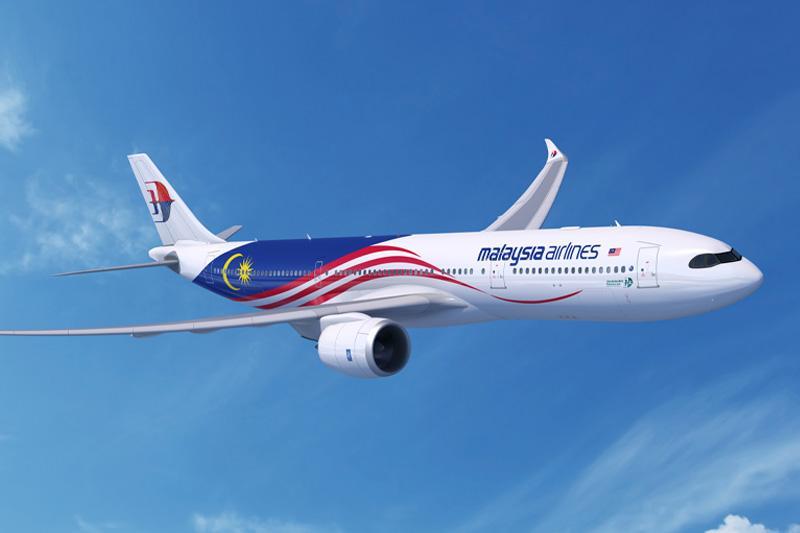 Malaysia Airlines-1
The two organisations jointly hosted Aviation Sustainability Day 2026 at Sama-Sama Hotel, KL International Airport (KLIA), bringing together representatives from government agencies, regulators and industry partners to discuss practical approaches to decarbonisation.
Malaysia Airports and Malaysia Aviation Group (MAG) are reportedly strengthening their collaboration to advance aviation sustainability, recognising the need for closer alignment between airports and airlines in supporting Malaysia's transition towards net-zero carbon emissions by 2050.
The two organisations jointly hosted Aviation Sustainability Day 2026 at Sama-Sama Hotel, KL International Airport (KLIA), bringing together representatives from government agencies, regulators and industry partners to discuss practical approaches to decarbonisation, including adoption of cleaner energy, circular economy initiatives and waste reduction, Sustainable Aviation Fuel (SAF) and more sustainable airport and airline operations.
Malaysia Airports Managing Director Mohd Izani Ghani said the transition would require airports and airlines to align their priorities, infrastructure planning and long-term investments. “Malaysia Airports and Malaysia Aviation Group have long played complementary roles in shaping Malaysia’s aviation landscape, with KLIA serving as MAG’s home base and the country’s principal international gateway. Our shared commitment to strengthening Malaysia’s connectivity must now extend to advancing a more sustainable aviation future. Our respective decarbonisation journeys cannot progress independently. We must ensure that our investments and operational priorities complement one another so that we can achieve meaningful progress together.”
Captain Nasaruddin A. Bakar, President and Group Chief Executive Officer of MAG, said, “Our Mid-Term Sustainability Roadmap translates MAG’s net-zero commitment into a clear direction for the next decade. In line with its priorities, we recently became the first airline group in ASEAN certified under the Sustainable Procurement module of IATA’s Integrated Sustainability Program, and the first in Malaysia to retire CORSIA-eligible emissions units (EEUs), with 80,100 units retired towards our Phase 1 compliance obligations. We are proud of these milestones, which demonstrate the roadmap in action, with further initiatives underway to deliver its targets and advance our long-term sustainability ambitions across our operations and value chain.”
Meanwhile, MAG’s Mid-Term Sustainability Roadmap outlines the Group’s priorities aligning with its Long-Term Business Plan 3.0 (LTBP3.0) across operations, facilities, the value chain, people and governance. The Group targets to reduce emissions intensity to 30%-35% by 2030 and 40%-45% by 2035, reduce building energy intensity by 20% and achieve a 55% waste diversion rate by 2030. Supporting these priorities, MAG’s collaboration with Malaysia Airports on sustainable aviation fuel (SAF), renewable energy, ground electrification and resource efficiency seeks to advance Malaysia’s aviation decarbonisation agenda and strengthen Kuala Lumpur’s competitiveness as a premier regional aviation hub.
These commitments said to support the Malaysia Aviation Decarbonisation Blueprint and Malaysia's national ambition to achieve net-zero greenhouse gas emissions as early as 2050, while contributing to the United Nations Sustainable Development Goals on clean energy, sustainable infrastructure, climate action and partnerships.
The event also provided an opportunity for industry stakeholders to explore closer cooperation in addressing the investment, infrastructure and operational challenges associated with aviation decarbonisation.