

India’s alternative accommodation market to reach INR 415 billion by FY29 as demand expands
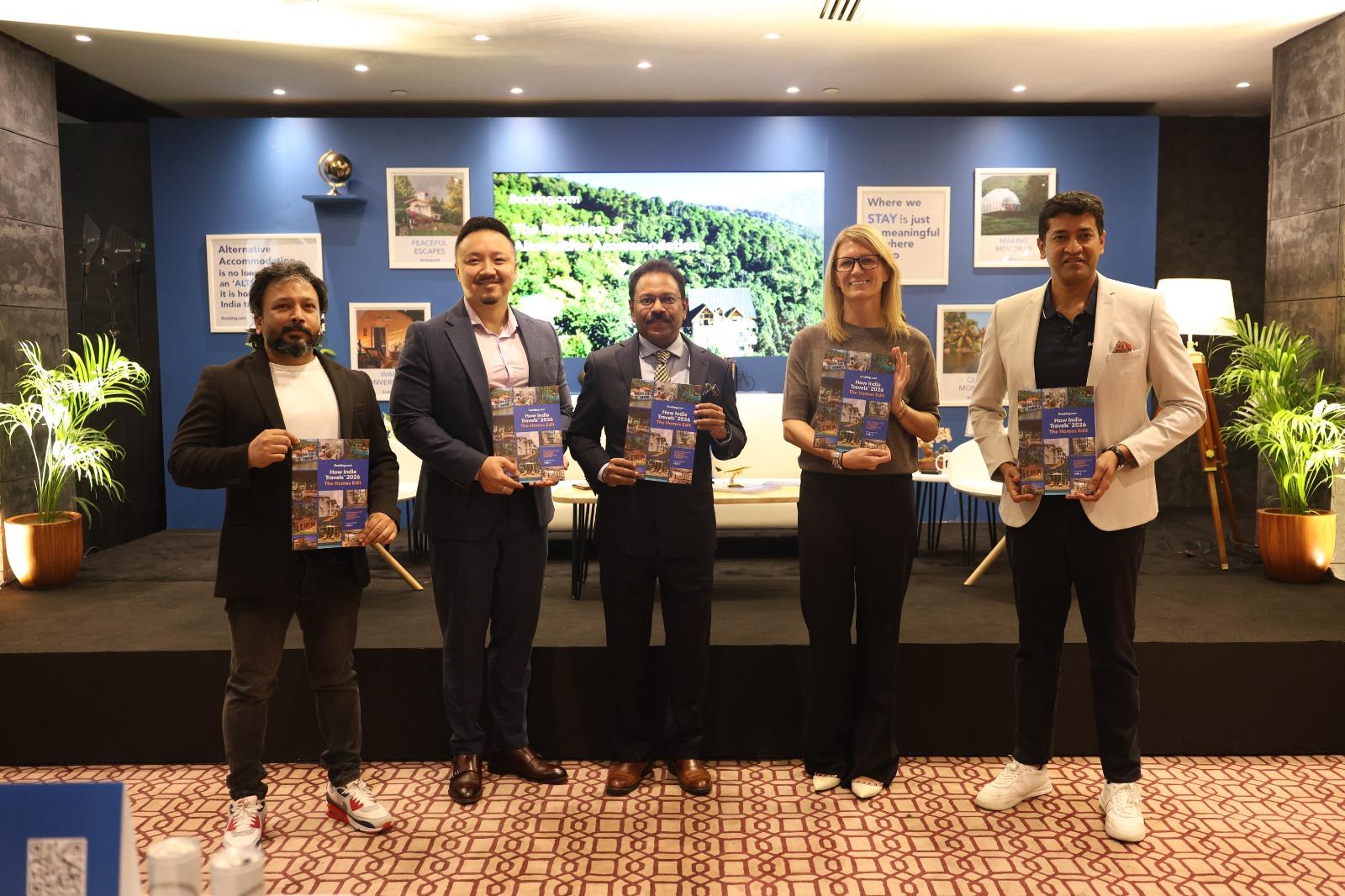 Launch event_Booking.com & VIDEC report titled ‘How India Travels 2026 The Homes Edit’ (2)
Image caption: (L-R): Virendra Jain, Co-Founder & CEO at Videc Consultants; Yang Li, Head, Public Affairs, APAC at Booking.com; Suman Billa, IAS, Additional Secretary & Director General, Ministry of Tourism, Government of India; Laura Houldsworth, Managing Director, APAC at Booking.com; Santosh Kumar, Regional Head, South Asia at Booking.com
The ‘How India Travels 2026: The Homes Edit’ study projects alternative accommodation to grow at a 21.2% CAGR through FY29, as demand for villas, homestays and apartments expands beyond traditional leisure hotspots. Tourism Ministry also pointed to the segment needing stronger quality assurance and regulatory frameworks to reach its utmost potential.
India’s alternative accommodation market is expected to grow to INR 41,510 crore (415 billion) by FY29, backed by supply expanding rapidly in the past few years, according to Booking.com’s How India Travels 2026: The Homes Edit, launched on October 14.
The report’s fourth edition, prepared in collaboration with VIDEC Consultants, estimates that the total alternative accommodation market’s gross booking value (GBV) rose from INR 68.9 billion in FY23 to INR 233.1 billion in FY26. It is projected to reach INR 415.1 billion by FY29, implying a compound annual growth rate (CAGR) of 21.2% between FY26 and FY29. This also reflects its growing contribution to India’s broader INR 8,200 billion travel market.
“Alternative accommodation is no longer an 'alternative'; it has become a core driver of modern travel culture across the country. The overall growth of alternative accommodation marks a major inflection point in India’s travel economy. We see a fundamental shift where alternative accommodation is no longer just supplementary inventory; it is actively driving tourism expansion in non-metro markets and regional hubs. As local hosts adopt tech-driven tools, they are not only meeting the diverse demands of modern travellers, but are also building sustainable, scalable business models that contribute directly to local economies,” said Santosh Kumar, Regional Head, South Asia at Booking.com.
The projections in the survey point to a rapidly expanding segment encompassing homestays, villas, apartments, serviced apartments, guesthouses, bed and breakfasts and other non-hotel accommodation formats. However, the category continues to account for around 13% of lodging gross booking value, indicating that rising consumer interest has yet to translate into a proportionate share of bookings. The study shows how the segment is rapidly transforming from a niche preference into an increasingly important part of India’s travel economy.
According to VIDEC Consultants' cited research, villas are primarily chosen for leisure travel, with 95% of stayed nights attributed to leisure and 5% to business travel. The corresponding leisure-business split is 94% and 6% for holiday homes, 93% and 7% for homestays, 89% and 11% for bed and breakfasts, 86% and 14% for apartments, and 80% and 20% for aparthotels, respectively, in 1H26. Booking behaviour is also becoming increasingly last-minute across most alternative accommodation categories, with the average booking window shortening from 15 to 12 days. Villas buck this trend, with booking windows remaining marginally higher, suggesting that group and occasion-driven stays continue to require more planning.
Digitally listed inventory crosses 2 lakh
India’s digitally distributed alternative accommodation inventory crossed 2 lakh listings in FY26, up 26% from FY25, according to the report, citing VIDEC’s India Travel Market Opportunity Study, FY23–FY29. The digitally distributed listings increased from 102,200 in FY23 to 215,000 in FY26. The study notes that branded hotel room supply grew in single digits over the same period.
The broader accommodation market is projected to grow at an 11.2% CAGR between FY26 and FY29, compared with 21.2% for total alternative accommodation. Online alternative accommodation is expected to grow at a faster 25.9% CAGR over the same period.
Its online GBV is projected to increase from INR 9,340 crore in FY26 to INR 18,660 crore in FY29, compared with INR 2,160 crore in FY23. The figures suggest that digital distribution will play an increasingly important role in connecting fragmented property supply with travellers.
The report also points to a wider shift in demand. Online searches for alternative accommodation increased 6% between FY24 and FY25, against 2% growth for hotels.
Demand beyond traditional hotspots
Alternative accommodation is gaining ground beyond established beach and hill destinations, with the report identifying growing supply and interest across cities, religious centres, secondary towns and emerging leisure corridors.
Nearly half of the category’s listings were concentrated in cities and metros in FY26. The report’s regional breakdown places 27% of listings in hill destinations, 23% in metros, 23% in cities and towns, 18% in beach destinations and 10% in religious centres.
As per Virendra Jain, Co-Founder & CEO, VIDEC Consultants, the expansion is also reaching tier-II markets. Greater Noida, Ghaziabad, Indore and Ayodhya recorded more than a doubling of alternative accommodation listings in June 2026 compared with June 2025, according to the report’s travel intermediary aggregated data.
Improved road connectivity, shorter drive times and the expansion of leisure travel beyond conventional destinations are among the factors supporting this growth. The report notes that properties in destinations within a two-to-five-hour drive of major source cities are increasingly viable for weekend travel.
However, the expansion has not been uniform. While some established markets face pressure on rates and rental yields as supply increases, premium operators continue to encounter shortages of properties that meet their operational and quality requirements, as per the report.
“The opportunity now lies in strengthening the foundations of this growth through greater formalisation, technology adoption, consistent quality and destination-level infrastructure, while ensuring that the diversity and local character of these stays remain at the heart of the experience,” added Jain.
Formalisation & quality emerge as key priorities
Despite strong growth, the report identifies digital adoption, service consistency, quality and formalisation as areas requiring attention.
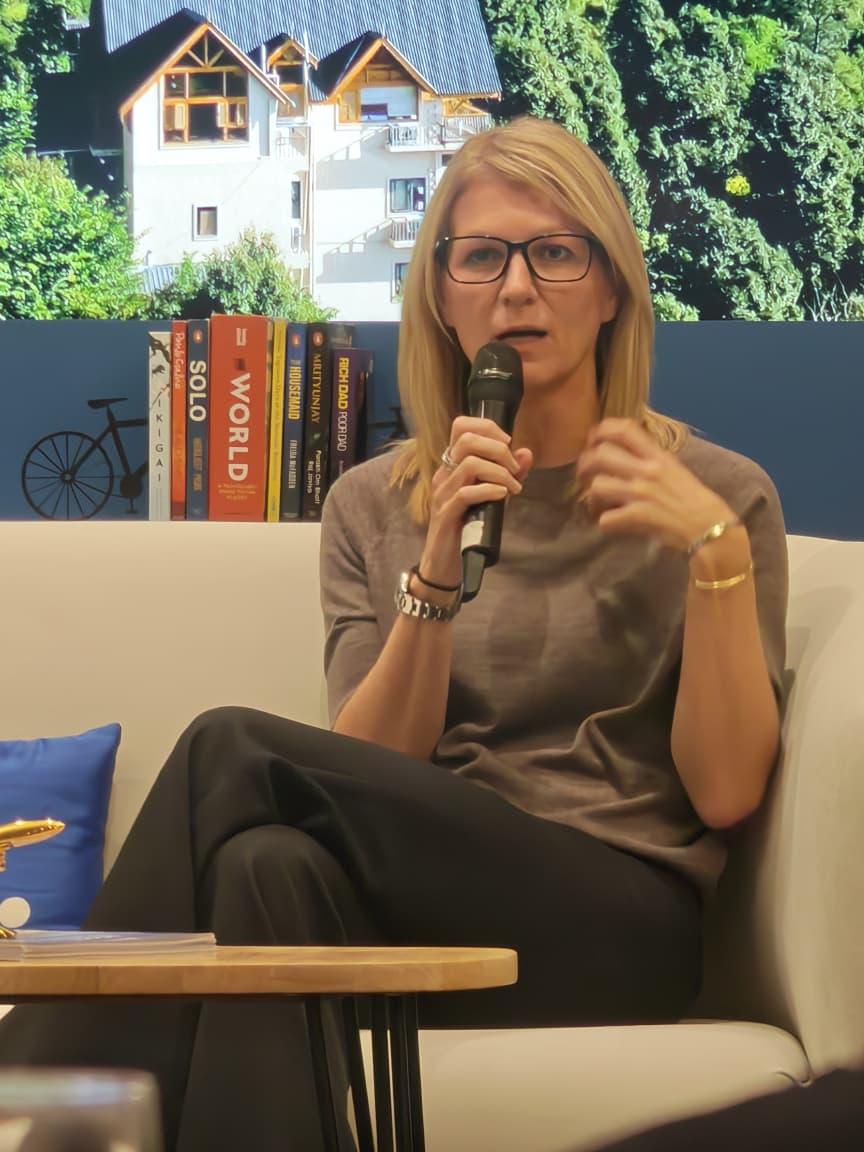
Bringing that into a discussion during the report launch in Delhi, Santosh Kumar, Regional Head, South Asia at Booking.com, moderated a fireside chat with Suman Billa, IAS, Addtl. Secretary & DG, Ministry of Tourism, Govt. of India and Laura Houldsworth, Managing Director, Asia Pacific, Booking.com. During the conversation, Billa called for stronger accreditation and quality standards as alternative accommodation emerges as a potential source of new capacity, local employment and more balanced tourism growth.
“Even if you start building all of the hotels today, there are several of them which are in the pipeline. But you will still require a lot of accommodation,” he said, pointing to the gap between rising demand and available supply.
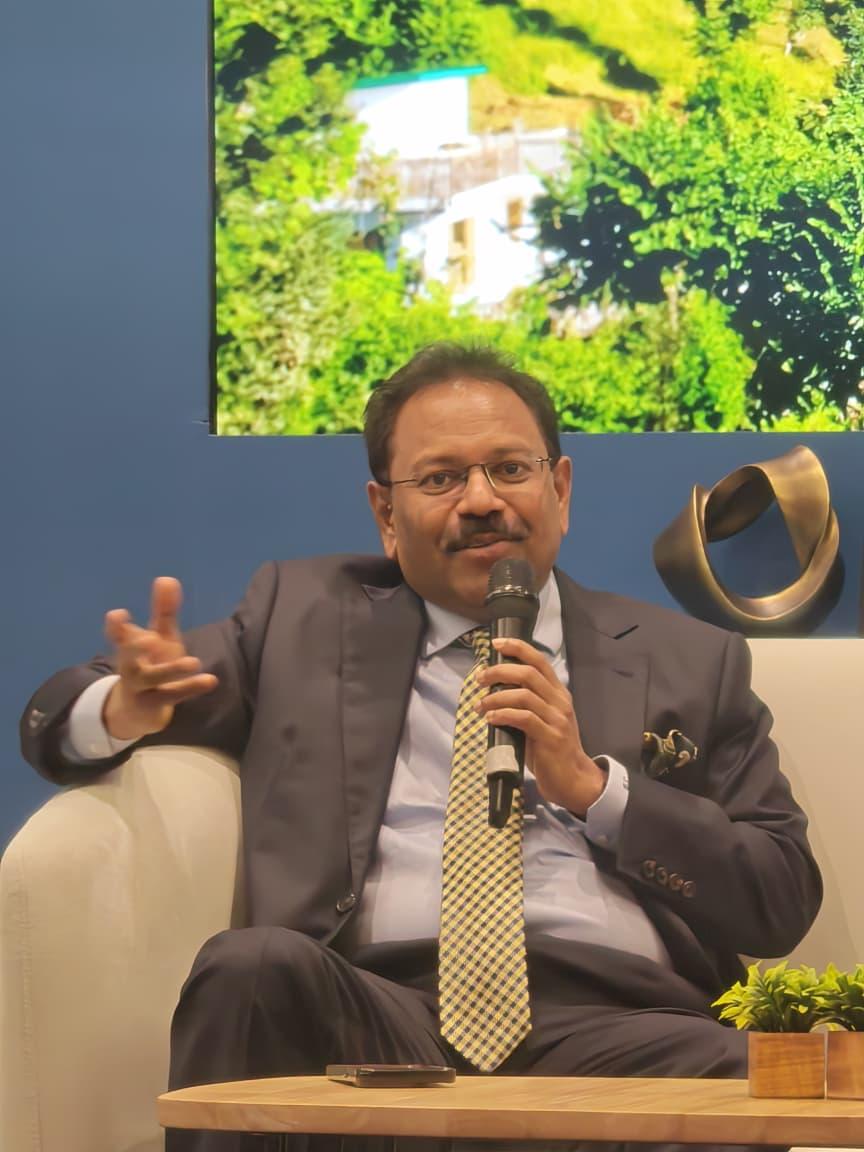
For Billa, the opportunity lies partly in bringing existing properties into productive use. He noted that many people invest in additional residential properties but do not necessarily rent them out, creating scope for alternative accommodation to add capacity without waiting for new hotels to come up.
“There is a big opportunity to bring homestays, bed and breakfast, the alternative accommodation, to step into this gap,” he said. The case for expanding the segment goes beyond meeting accommodation requirements. Billa said homestays could help tourism generate employment in smaller destinations, allowing people to earn a livelihood without moving to larger cities.
Alternative accommodation could also help manage demand during festivals, religious gatherings and major events, when existing hotel capacity comes under pressure, as per Billa. It offers destinations an additional source of supply while opening up areas that may not yet have enough conventional hotel infrastructure.
Despite the opportunity, Billa cautioned that the segment must address concerns around consistency, safety and the reliability of the guest experience. Unlike hotels, which typically operate with established systems and service standards, alternative accommodation can vary considerably from one property to another. Building confidence among travellers will therefore be central to its growth. He pointed to accreditation as one mechanism for improving standards, recalling the Ministry of Tourism’s Incredible India bed-and-breakfast initiative. Several states, including Kerala and Uttarakhand, have since developed their own frameworks, he added.
“We should let the states do it only and where the states are unable to do, say, in Bihar or Jharkhand, that is probably where Incredible India should step in and do,” he said.
Billa also flagged concerns among residents when short-term accommodation operates within apartment complexes. Complaints can arise over strangers using common facilities, late-night disturbances and a lack of clear protocols for guests. He distinguished homestays, where the owner lives on the property, from bed-and-breakfast establishments where the owner may not be present. In the latter case, the absence of a resident host can make it harder to manage guest behaviour and address neighbourhood concerns. These issues, he said, require a combination of institutional safeguards and a shift in how communities view tourism accommodation within residential areas.
The larger challenge is to ensure that travellers can book alternative stays with confidence and that platforms can provide meaningful recourse when a property fails to deliver the promised experience.
Another challenge is to make alternative accommodation easier to discover without compromising the local character and community relationships that often make these properties attractive in the first place. He further called for platforms and structures that allow more properties to reach potential visitors. He underlined the need for online aggregators to ensure quality and provide appropriate support when a guest's experience goes wrong.
Houldsworth, meanwhile, stressed that the segment's expansion must be sustainable. Properties often operate within residential neighbourhoods and local communities, making responsible management as important as commercial growth. Trust, professional management and smoother check-in processes will be essential as the segment expands, she added.
On Booking.com’s platform, alternative accommodation accounted for about 37% of bookings globally, according to Houldsworth, who described the category as one of the company’s fastest-growing segments. This growth, she reiterated, would require operators to professionalise their businesses and deliver consistently on what they advertise.
Business travel, a new growth driver
The report identifies business travel as another area of opportunity, particularly for apartments and aparthotels that offer separate living and working spaces, kitchens and flexibility for extended stays.
The business travellers now account for nearly 1 in 5 bookings (19% in FY26) at alternative accommodation (projected to reach 21% by FY27). Apartments and aparthotels are leading the charge as professionals look for spaces where they can seamlessly blend living, working and meeting in a single stay.
Half of the business travellers surveyed said they frequently chose alternative accommodation during work trips. Among the business travel occasions for which respondents were most likely to consider these stays, 59% cited group business travel with colleagues or team members, 53% extended business trips or relocations of five nights or more, and 50% short, solo client visits lasting one to two nights.
Space was the leading motivation: 41% cited additional living space and a separate bedroom or workspace. Another 40% valued the ability to accommodate family members or colleagues travelling with them, while 39% sought a more localised, neighbourhood-centric experience.
The report argues that distributed accommodation supply can help destinations absorb demand beyond established hotel districts and extend visitor spending to nearby areas. However, it also notes that alternative stays cannot replace the transport coordination, banquet infrastructure and dense room inventory required for very large gatherings.
To the next phase of growth
The report notes that policy and infrastructure development will continue to play an important role in supporting the sector's next phase of growth. National initiatives such as MUDRA, UDAN, PM Gati Shakti, Swadesh Darshan 2.0 and PRASHAD are improving connectivity, strengthening tourism infrastructure and expanding access to financing.
The broader travel payments ecosystem is evolving alongside these changes. PayU data shows online travel payments growing between 20% and 35% y-o-y, while flexible payment options such as Buy Now Pay Later and EMI products have increased their share of travel transactions from 6% to 15% over the past 18 months.
As alternative accommodation becomes a larger component of India's travel economy, the next phase of growth will depend not only on increasing supply, but also on building the digital, operational, financial and policy infrastructure required to make that supply more discoverable, trusted and commercially sustainable.
The report recommendations also include single-window digital registration, a defined set of approvals, coordination between tourism and local authorities, transparent timelines and baseline safety and hygiene standards. It further recommends linking registration with practical benefits for homeowners, including access to training, finance, insurance, marketing and digital distribution.