

Indian arrivals to Japan cross 3.2 lakh in 10 months; top 10 ranking in sight for 2027
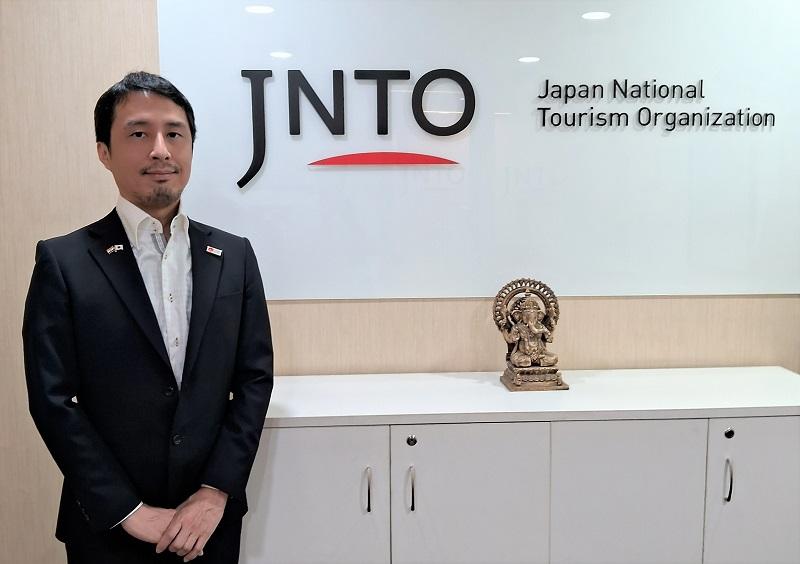 Ryo Bunno, Executive Director – New Delhi Office, JNTO
With Indian travellers increasingly seeking longer stays, new destinations and experiences beyond Japan’s established circuit, the Japan National Tourism Organization (JNTO) is stepping up its engagement with the Indian travel trade. At its latest roadshow in Mumbai, the organisation expanded its seller participation, highlighted regional destinations and identified emerging opportunities across leisure, school travel and MICE.
In an exclusive interaction with T3, Ryo Bunno, Executive Director – New Delhi Office, Japan National Tourism Organization, discusses the evolving India market.
Beyond the Golden Route
“Travel agencies want to understand Japan in greater detail as a destination. They are already familiar with the Golden Route, covering Tokyo, Kyoto, Osaka and Hiroshima. They also know destinations such as the Alpine Route and Hokkaido very well. I am recommending the Tohoku region in the north-eastern part of Japan, as well as Kyushu in the south-western part of the country. We are introducing new destinations with different sightseeing experiences. Essentially, the roadshow is about educating the travel trade and making them aware that Japan has several destinations beyond the Golden Route,” said Bunno.
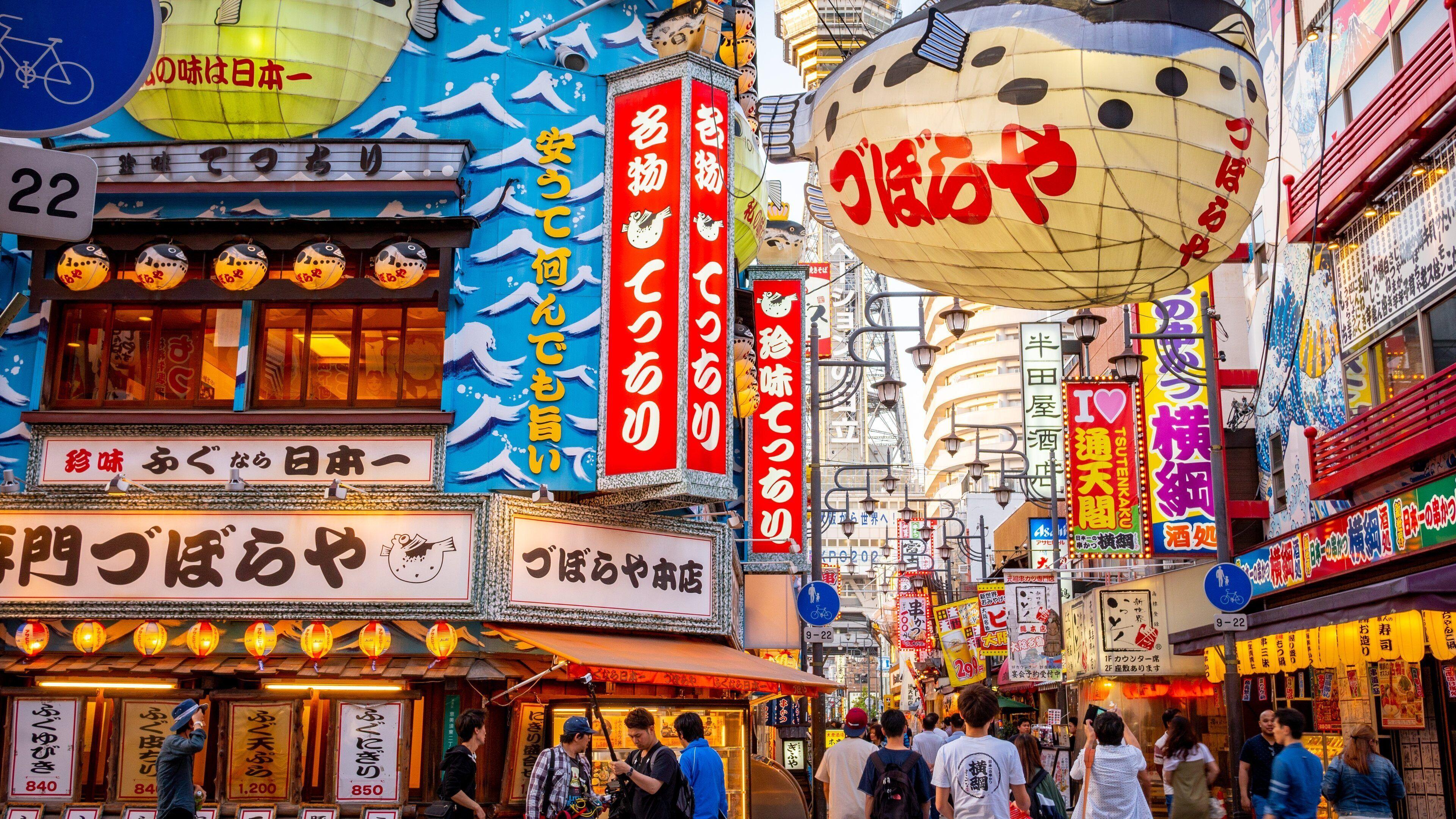
When asked about the purpose of the Mumbai roadshow, Bunno expressed that Mumbai continues to be a priority market for JNTO, given its position within India's tourism and travel industry, while the organisation is also extending its outreach to other key cities like Bengaluru and Delhi. “Mumbai has always been our highest priority because it is a hub of the sightseeing and tourism industry in the Indian market. However, we are now also reaching other Tier 1 cities such as Ahmedabad, Kolkata, Chennai, Hyderabad and Pune. Kochi is another very important market for us.”
Is India in Top 10 source markets?
Bunno acknowledged that India remains a relatively smaller source market for Japan when compared with its leading Asian markets. However, the pace of growth and the latest arrival figures suggest that India is moving closer to the leading source markets.
“Actually, the Indian market is still smaller. Japan’s biggest markets are China, Korea, Taiwan and Hong Kong, all from East Asia. Markets such as Singapore, the Philippines and Thailand are also significant, and the South-east Asian market is larger,” shared Bunno. He further added, “However, India is already ahead of markets such as Italy and Spain, and we are getting closer to Germany. We are not yet in the top 10.”
Putting the market in perspective, Bunno cited the annual visitor volumes from some of Japan’s major European source markets. “The UK market records around five lakh visitors a year, France around 4.5 lakh, and Germany around 4.1 lakh. India records around 3.1 lakh.
“Between January and October 2026, however, we have already reached 3.2 lakh visitors from India. I am now expecting India to be closer to the German market. I think we may see India enter the top 10 this year or in 2027,” Bunno noted.
2027- a milestone for India-Japan ties; Travel trends
The year 2027 will mark the 75th anniversary of diplomatic relations between India and Japan, a milestone that Bunno believes can provide an additional impetus to tourism promotion. “The most important thing is that 2027 marks the 75th anniversary between India and Japan. Not only JNTO, but all Japanese organisations are planning special events in India and Japan. We expect this to serve as a hook for everyone and help increase the number of travellers from India.”
Bunno also pointed to the distinct nature of the Indian market, where leisure travel accounts for a significant share of visitors to Japan. Bunno said, “We estimate that more than 50% of Indian visitors are travelling for leisure. This is quite unique because, in other markets, business demand is often higher than tourism demand. Families remain the main volume segment. However, younger travellers are increasingly visiting Japan with their partners or as couples, with friends, or in groups. We also see women-only groups travelling from Mumbai.”
Despite the growing interest in regional Japan, Bunno shared that the Golden Route continues to be the natural starting point for first-time Indian visitors. “Actually, around 70% of Indian travellers are still visiting the Golden Route because, for many, it is their first trip to Japan. Everyone wants to experience the Golden Route on their first visit. However, from their second trip onwards, they want to go beyond the Golden Route,” added Bunno.
The next growth drivers
Bunno said that JNTO is also looking at new travel segments, with school and educational travel emerging as an important opportunity.
“We are now focusing on school trips. Educational tours are a very large market in India, and schools traditionally visit the US and Europe,” said Bunno. “However, Japan is considered safe and is also easier to access in terms of visas. Many schools are now considering Japan as a destination for educational trips. We will therefore strengthen our promotion of school trips and educational travel in 2027.”
MICE is another segment showing signs of recovery. Bunno said activity had slowed between January and September this year, partly due to higher fuel costs and airfares, but demand has begun returning since September. He added, “Our growth rate in October was over 40%.”
The changing pattern of MICE itineraries is also creating an opportunity to take groups beyond the usual destinations. “Earlier, travellers would spend five nights in Tokyo. Nowadays, they may choose three nights in Tokyo and two nights in Osaka, or one night in Hiroshima, Hokkaido or another destination. We want to encourage this trend further and take MICE travellers into regional areas as well,” noted Bunno.
Longer stays, higher spending
Bunno believes the changing travel environment is influencing Indian travellers to reconsider their destination choices. Rising fuel surcharges and air ticket prices remain a concern, but Japan is increasingly being considered as an alternative to destinations in the West. “There are both merits and demerits to the current situation. After the Middle East crisis, Indian travellers are now considering Japan instead of travelling to the western part of the world.”
When asked how Japan distinguishes itself from established destinations such as Vietnam and Thailand, Bunno said Japan’s target audience is distinct from the markets of destinations such as Vietnam and Thailand, with the focus increasingly on high-spending travellers who have already travelled extensively in Europe.
“Now, consumers are looking for a new destination, and this trend is bringing them towards Japan. We are focusing on this segment. Our main competitors are Europe, as well as the US, Canada and Australia,” Bunno added.
The shift is also reflected in the length of stay and accommodation choices of Indian visitors. “The number of nights is longer than before. In 2023 or 2024, the average stay was around 7 or 8 nights. Now, it is more than 10 nights. Indian travellers also prefer to stay in luxury hotels. They are spending more on accommodation,” noted Bunno.
Addressing the vegetarian gap
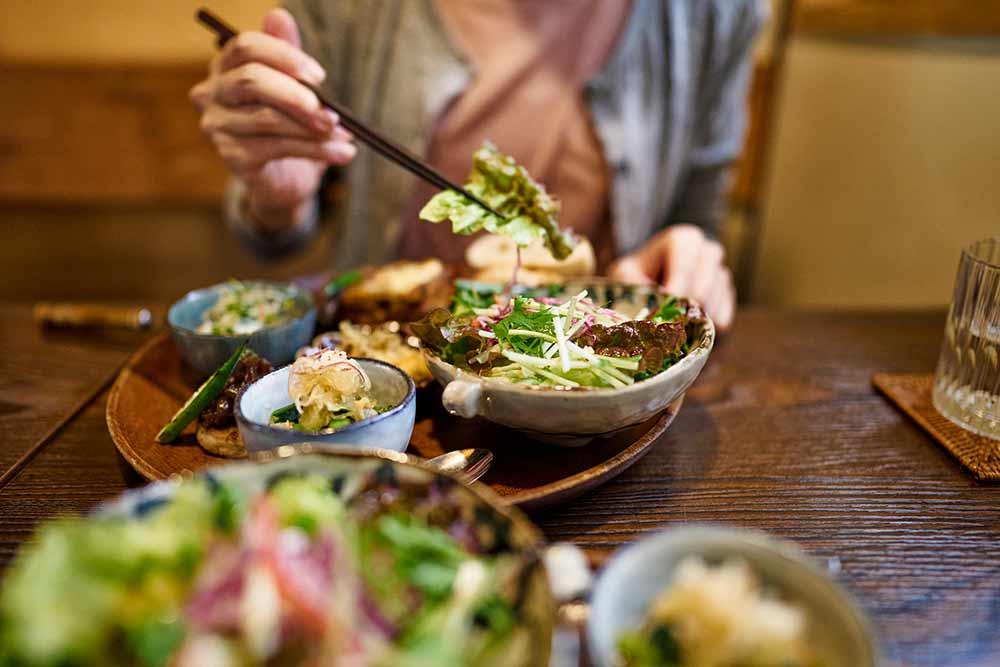
While Bunno does not identify any major challenge in the India-Japan travel relationship, he highlights vegetarian food requirements as an important area that needs continued attention, particularly in regional destinations.
“Japanese sellers are now learning how they can prepare vegetarian meals and cater to vegetarian travellers. Major cities such as Tokyo, Kyoto, Osaka and Hiroshima already have several Indian restaurants and vegetarian dining options. However, regional areas have only recently started learning about these requirements. That is why, I requested travel agencies to share their ideas with the Japanese sellers,” expressed Bunno.