

Hotels hold ground in a ‘World on Fire’
 Cover Image-3
Growth in hospitality has not stalled, it is being reshaped in real time by a convergence of forces: technological acceleration, geopolitical volatility, generational shifts, and a fundamental reset in both customer and workforce expectations.
Numbers reflect this growth. According to STR data, the global hospitality market continues its rapid expansion, growing from USD 4.67 trillion to USD 4.90 trillion in 2024, with projections pointing towards USD 7.01 trillion by 2029. Yet, beneath this scale, the operating environment is becoming far more complex.
An immediate pressure point lies in the Middle East, a region central to the global expansion strategies of hospitality majors. Ongoing conflicts are casting a long shadow over what has otherwise been a high-growth corridor, introducing a level of uncertainty that operators can no longer ignore. While long-term fundamentals remain intact, the near-term outlook for 2026 is far less predictable, with demand vulnerable to sudden shocks, shifting travel sentiment, and the need for constant operational recalibration.
On the other hand, profitability is no longer a straight-line outcome of scale. Occupancies remain uneven, as rates continue to climb, exposing the pricing power and unpredictable demand. Expansion is no longer just about adding keys, it is about decoding evolving traveller behaviour and identifying new demand pockets.
Besides, travellers are no longer homogenous, and growth is no longer evenly distributed. The rise of the “travel like a local” mindset is redefining consumption patterns, where travel is less about ticking off landmarks and more about immersive and exclusive experiences.
This complexity is now evidently visible in India. Metro markets such as Mumbai, Delhi, Chennai and Bengaluru are nearing saturation, prompting a strategic pivot towards Tier 2 and Tier 3 cities. According to JLL, nearly 42,071 key signings were recorded at branded hotels in 2024, with 77% concentrated in emerging markets, signalling a decisive pattern of where future growth lies.
This structural shift is driven by rising disposable incomes, infrastructure upgrades, and the surge of spiritual and experiential tourism. Midscale and luxury brands alike are accelerating their presence in cities such as Jaipur, Indore and Ayodhya, capitalising on the evolving demand patterns.
At a recent industry forum, global hospitality leaders confronted a defining question: how does industry worth trillions navigate a world defined by disruption? Because the story of hospitality today is no longer about whether it is growing, it is about how, and where that growth is being rewritten.
Geopolitical tensions test short-term demand
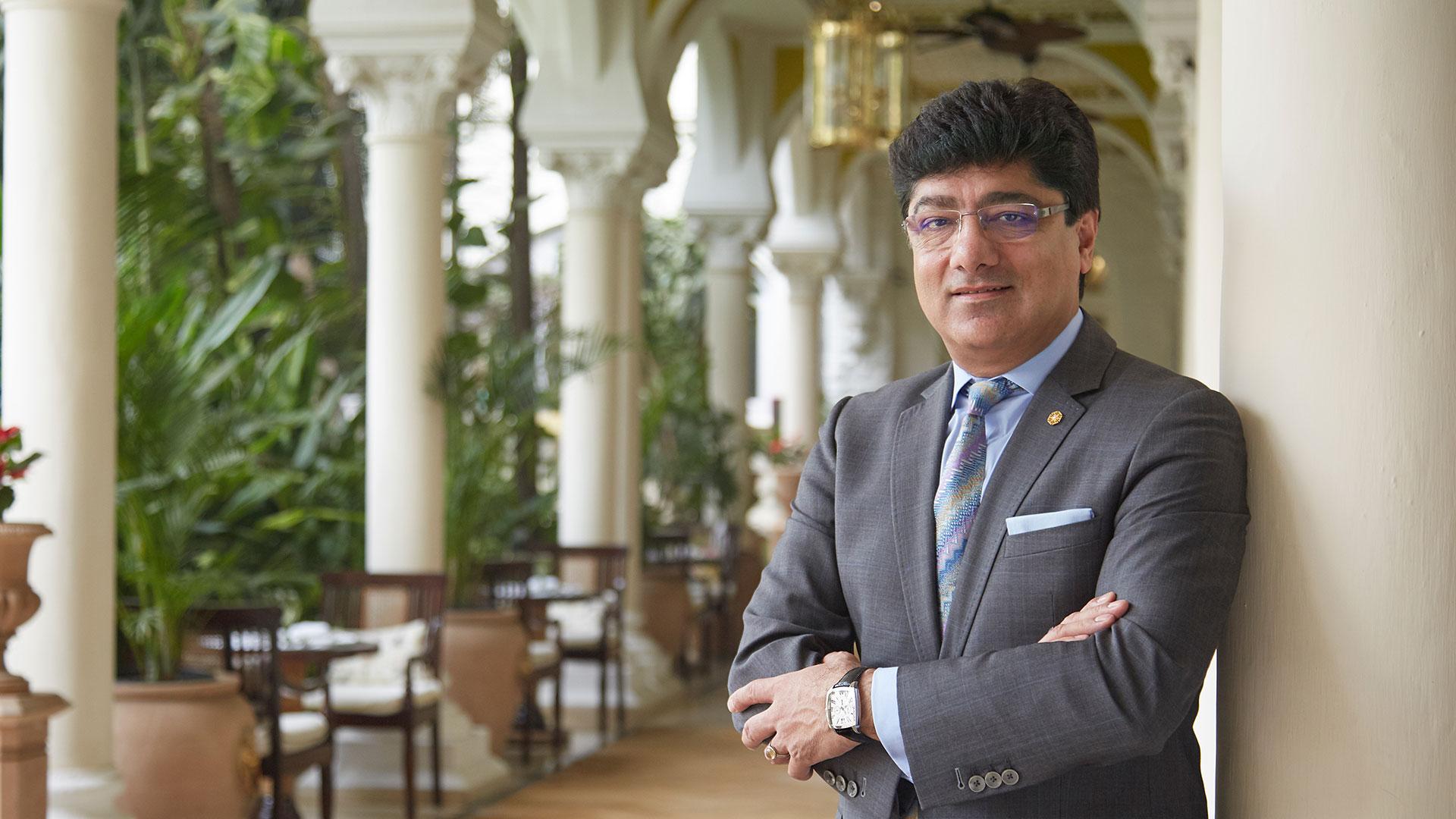
While the current global climate may appear turbulent, leaders argued that the industry has grown more adept at managing disruption over time.
Puneet Chhatwal, Managing Director & CEO, IHCL, noted that travel demand, particularly in markets such as Dubai, has seen a decline. “The situation in Dubai from 80 has declined to somewhere between 20 and 30. The world has become, unfortunately, a difficult place,” he said, pointing to ongoing geopolitical tensions.
While Dubai and the Middle East may take longer to return to previous occupancy and rate levels due to seasonal factors and Ramadan, he expects gradual stabilisation in the coming months. “September, October things will start becoming okay. But to go back to those rates and occupancies, it will take longer,” he added.
However, he emphasised that recovery cycles have become shorter over time. “If we scroll back 25 years, planes were empty for almost 18 months. Then it became a month, 15 days, seven days. My guess is by September or October, we should be in a fine place,” he added.

Alan Watts, Executive Vice President and President, Asia Pacific at Hilton, echoed the sentiment, noted that the sector has already endured far more severe challenges. “This is the industry that just navigated COVID when 60% of the world supply was closed. Every war, every stock market crisis, every hiccup – the industry has learnt to respond. In the context of what we have navigated in the past, this feels like a smouldering end. It is a challenge, but a short-term revenue disruption in the larger scheme of things,” Watts observed.
Volatility as the new operating model
Rajeev Menon, President, Asia Pacific (excluding China) at Marriott International, stated that volatility has become the new operating baseline for the industry. “As leaders, you focus on what you control versus what you don’t control, and you learn to pivot quickly.”
Menon pointed out that performance across markets remains uneven, requiring constant recalibration. “Many companies are focussed on Asia for Asia now. Just this last month, we've got markets in my part of the world that were showing RevPar growth of 40% and negative RevPar growth of 6%. You have to shift priorities quickly and focus on what is within your control,” he added, noting a growing trend of markets focusing on regional demand.
Serena Lim, Chief Growth Officer at The Ascott Limited, expressed, “The question should not be whether the industry is on fire, but whether we have built companies designed to cool down in the fire,” she said. Lim expressed, “Today, travel is part of our lifestyle. Our role is to ensure that wherever the guest wants to go, we are there. It is about building organisations that can absorb shocks and continue to evolve.”
Looking at the bigger picture
Despite short-term disruptions, industry leaders reinforced that hospitality remains fundamentally a long-term investment proposition. Dimitris Manikis, President – Europe, Middle East, Eurasia and Africa at Wyndham Hotels & Resorts, underscored the sector’s intrinsic role in connecting people.
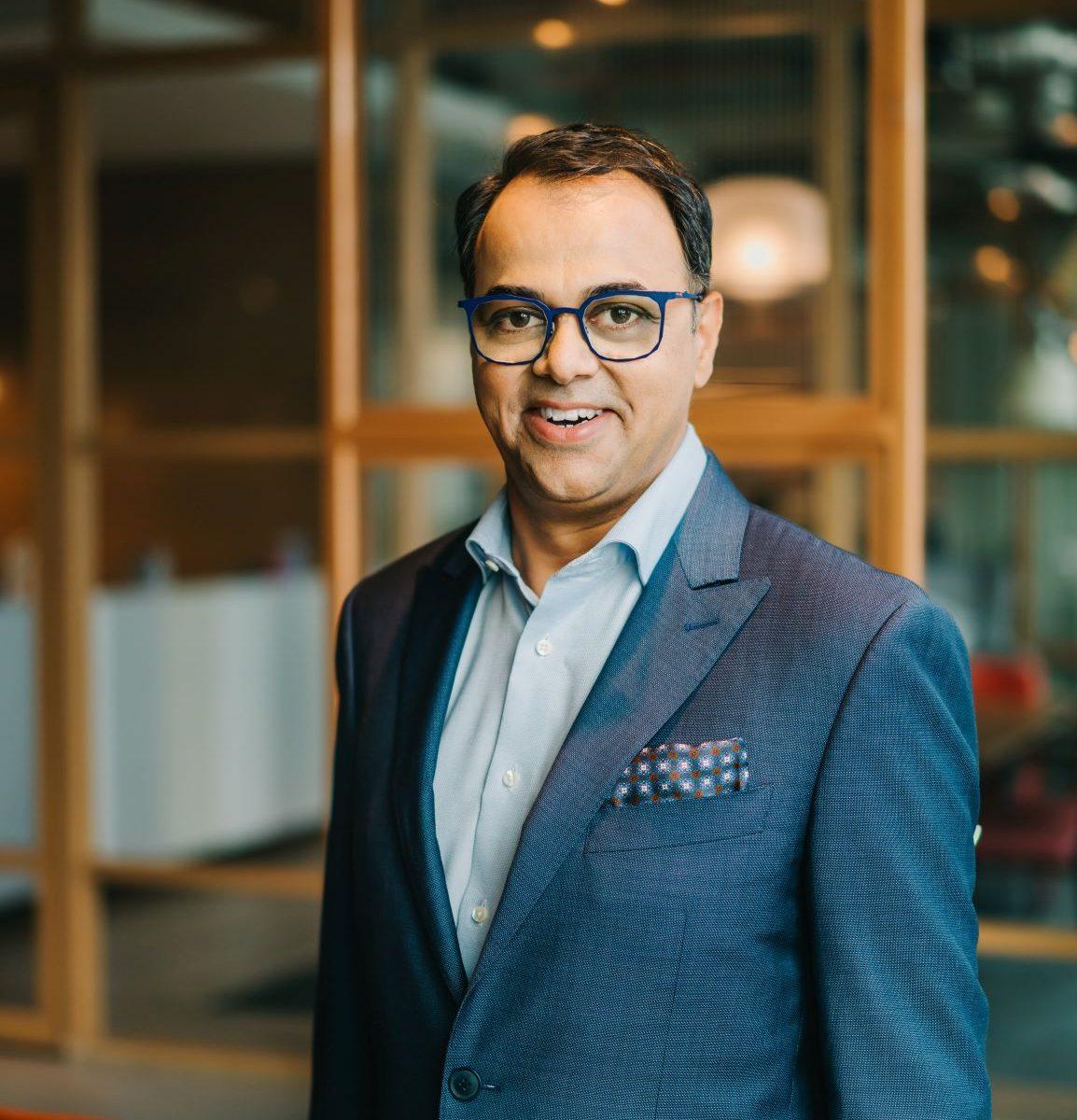
“We are the industry that brings people together. We are the industry of peace,” he said. “Travel connects cultures, religions and communities. No matter what happens globally, the need to reconnect cannot be taken away.”
Manikis highlighted that recovery cycles have consistently shortened over time, driven by an inherent human need to travel. “Every year when there is an event, rebound comes faster,” he shared.
He further underscored the deep emotional resonance of travel, noting, “When you look at your phone, perhaps 30% are images you’d rather forget, but nearly 70% capture moments tied to hospitality: holidays, weekend getaways, restaurants, because all of that, at its core, is hospitality.”
Manikis noted that hospitality requires patience. “This is a long-term game. If you expect returns in five years, you should choose something else. True value in hospitality is built over time,” he said.
India: A long-term growth engine
Positioning India as a long-term growth story, Chhatwal aligned his outlook with the broader vision of Viksit Bharat 2047. “India’s story is not a short-term story. There will always be headwinds, but India is in a better position to adjust than anybody else,” he said.
He underscored the need for higher economic growth to unlock the sector’s full potential. “7% GDP is not enough. We need to get to 8.5 or 9%. If we could reach 7 when the world is at 3, we can also go to 10%,” he stated, while acknowledging that policy execution takes time.

According to Chhatwal, rising airfares have significantly altered travel behaviour. “Tickets doubled, doesn’t matter whether it is economy, premium economy or business class. Because of that, long-haul travel became more regional and domestic,” he said.
Talking about multiple structural drivers supporting long-term growth in India, Chhatwal noted that infrastructure development, including highways, airports, railways and regional connectivity schemes, is unlocking demand. “The government’s push on infrastructure is tapping demand that was there but not fully realised,” he said.
He also pointed to the rising importance of spiritual tourism. “As people get richer, the need for spiritual travel increases. Spiritual tourism is booming like never before,” he noted, citing examples such as the Maha Kumbh in Uttar Pradesh, which significantly boosted the state’s GDP contribution from tourism.
Additionally, the expansion of the middle and affluent classes is expected to sustain demand. “People are living in the now. They want to spend, travel and experience, rather than just save,” he said.

Looking ahead, Chhatwal concluded that while short-term disruptions may continue, the long-term trajectory remains firmly positive. “Headwinds may come, but over the next 25 years, the growth story of tourism and hospitality in India is not going to change.”
Tier II & III markets top India’s expansion blueprint
In the current times, travel has shifted from just ticking off landmarks to seeking the feeling of a place. In India, this shift is reshaping investment strategy, no longer driven by traditional predictability alone, but by a sharper interplay of data, long-term value creation, increasingly extending into Tier II and Tier III markets.
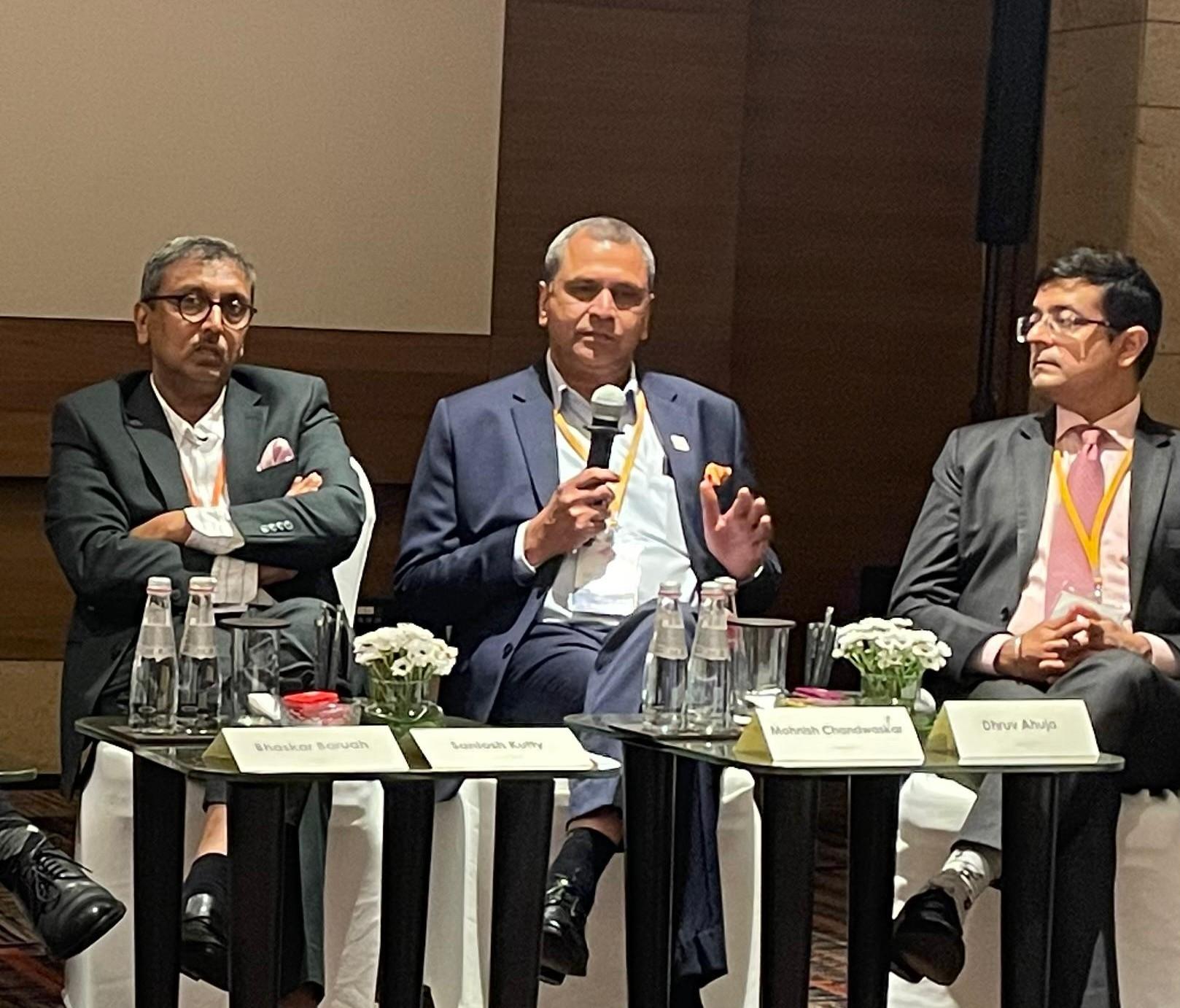
Bhaskar Baruah, Chief Development Officer, ITC Hotels Limited, noted that in recent years, ITC Hotels has begun working more closely with development partners while also gaining a deeper understanding of the business of managing hotels. With a strong footprint across India’s top 12 cities and destinations, Baruah pointed out that “chances are you will have at least four or five of our hotels operating there.”
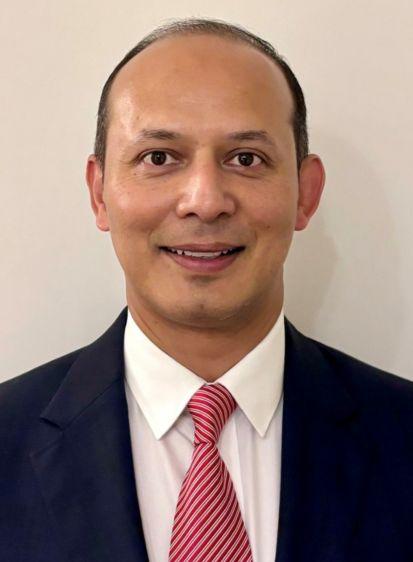
Referring to recent developments, Baruah cited the launch of a 15-room Storii property in Jawai. “Scale, positioning, privacy and experience are what we are pushing for,” he said, adding that while larger properties are possible, they require the right environment and setting.
At the same time, he stressed the continued focus on building strong assets in key locations. “Emerging destinations such as Vishakhapatnam are already on the radar, with new developments in the pipeline. Similarly, projects like Yashobhoomi in Delhi are being approached with a long-term perspective,” Baruah noted.
Santhosh Kutty, Chief Business Officer – Development, Mahindra Holidays & Resorts India Limited, outlined a layered approach to investment decisions, driven by both demand and strategic balance. With over 300,000 member families and around 60 resorts, the company benefits from deep insights into consumer behaviour, Kutty shared.
“We know where our members have travelled and where they are attempting to book. Member behaviour is a key data point for us,” he explained. Alongside this, the company tracks demand across 25 - 30 destinations where it offers inventory through partnerships, even if not directly managed. He highlighted the company’s role in pioneering destinations such as Kumbhalgarh, which had no branded presence when Mahindra Holidays entered 15 years ago. “Today, it is full of brands,” he said.
“At an investment level, we look at established destinations where there is already demand. But our responsibility is not to do only established destinations. We need to develop destinations and circuits,” Kutty added, underlining the brand’s broader responsibility towards tourism development.
Balancing the scales of demand
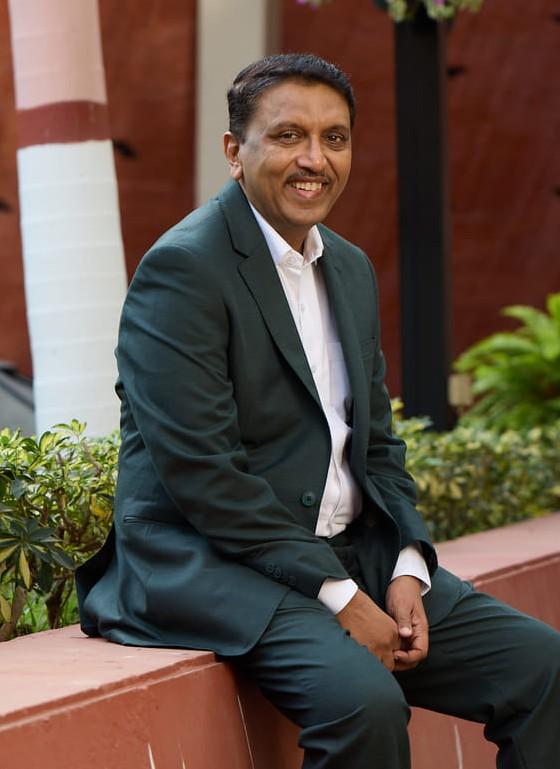
Expressing how Tier II markets are no longer purely just leisure driven, Mohnish Chandwaskar, EVP – Business Development, Sterling Holiday Resorts, shared, “There is a lot of business travel as well, so you have to balance weekday and weekend demand.” Therefore, the expectations of these segments differ significantly.
He stressed that success lies in tailoring offerings accordingly. “Understanding who is travelling and what they are travelling for is extremely important. Only then can you meet both needs.”
He also highlighted how changing travel patterns are influencing investment strategies. “Drive-to destinations within three to four hours are doing extremely well,” he said.
Echoing what Kutty shared, he added that there is a growing preference for circuit-based travel. “Standalone destinations will work, but circuits offer a more immersive experience and increase the length of stay,” he explained.
According to Chandwaskar, while standalone destinations may generate stays of 1.5 to 2 days, circuit-based itineraries can extend this to 7 - 10 days. “Guests are looking for flexibility and end-to-end solutions. That is where Sterling steps in and take care of everything,” he said.
Improved returns & capital inflows
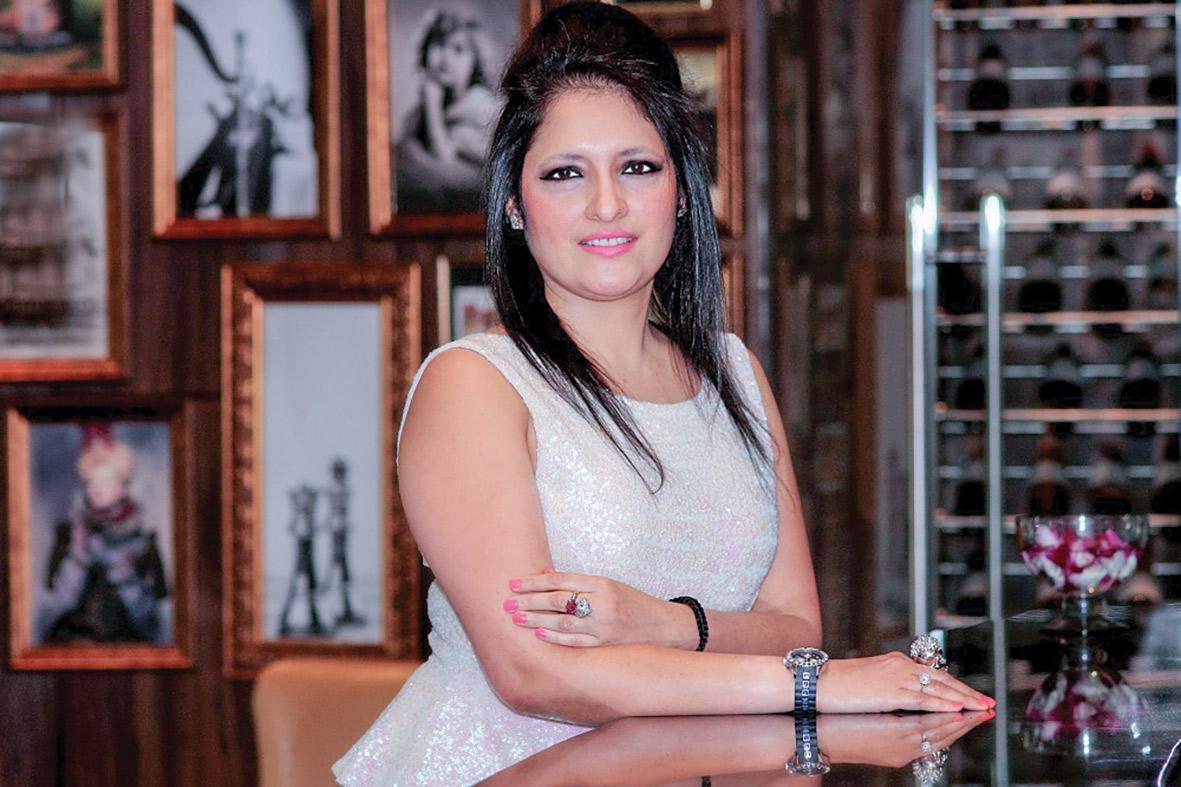
Sonica Malhotra, Joint Managing Director, MBD Group, addressed the impact of global uncertainties on investment outlook. “The war-like situation is unpredictable, and it is not appropriate to make short-term prognosis,” she said. “ROI decisions are always taken with a long-term perspective.”
She highlighted the strong performance of the hospitality sector in recent years. “The kind of ADRs, RGI and occupancies that hotels are seeing are phenomenal, with double-digit growth,” she noted.
Malhotra also pointed to a significant shift in capital availability. “Earlier, funds were hesitant about greenfield hotel projects due to execution risks. Today, there is capital chasing hotels,” she said.
She added that improved funding conditions and strong revenue performance have reduced return cycles. “Earlier, returns would take over 12 years. Now, well-performing assets are looking at 7 to 10 years, which is a significant shift.”
Is AI a disruptor or an enabler?
If there is one force redefining hospitality faster than any demand cycle or market shift, it is artificial intelligence, not as a distant promise, but as an embedded, operational reality. The industry is now entering the era of agentic AI: autonomous, goal-oriented systems capable of learning from data, and continuously optimising outcomes across both guest experience and backend operations.
For an industry built on human connection, this evolution brings both urgency and unease. According to the 2025 survey conducted by HES-SO Valais, most AI applications in hospitality use today focus on real-time revenue management (42%), guest personalisation (38%), and predictive analytics (37%).
Lim outlined a three-pronged approach to AI adoption. “First, automate the routine to free up time for guest engagement, and improve operating efficiency. Second, elevate moments that matter, such as personalisation in the guest journey. Third, protect key areas such as sustainability performance,” she said. “AI is here to be embraced, not feared.”
Watts emphasised that the human element of hospitality remains irreplaceable. “AI is not in the business of serving drinks or selling hotel beds. It’s certainly not a threat to the industry,” he said, adding that technology must be used to enhance both guest experience and operational efficiency.
“Every tool in the toolkit should enable best-in-class owner returns or better returns on assets, and for the industry to reach its rightful place as a major sector in India. If AI helps create more loyal customers and improves profitability, then we are using it effectively. If not, we are not leveraging its full potential,” he added.
Menon highlighted AI’s broader impact on efficiency and growth. “AI has the potential to supercharge our industry. It can enhance customer experience, reduce repetitive tasks and even accelerate hotel development timelines,” he said, noting that construction timelines in markets like India could reduce significantly with technological intervention.
He, however, cautioned that boundaries must be clearly defined. “We have to embrace AI, but also be clear about where to draw the line,” Menon said.
The road ahead
Beyond all its transformation, the hospitality industry remains defined by a central paradox.
- It is growing, but unevenly.
- Expanding, but under pressure.
- More resilient, yet more exposed than ever before.
In a world defined by disruption, the sector has proven its ability to adapt, absorb shocks, and recover faster than ever. Travel demand, deeply embedded in human behaviour, continues to return, even when temporarily displaced. But the rules of growth change. Scale alone is no longer enough. Predictability is no longer guaranteed. And resilience is no longer optional: it is designed, built, and constantly tested.