

Golden period ahead for India’s hospitality sector, but inbound reforms remain crucial: Radisson
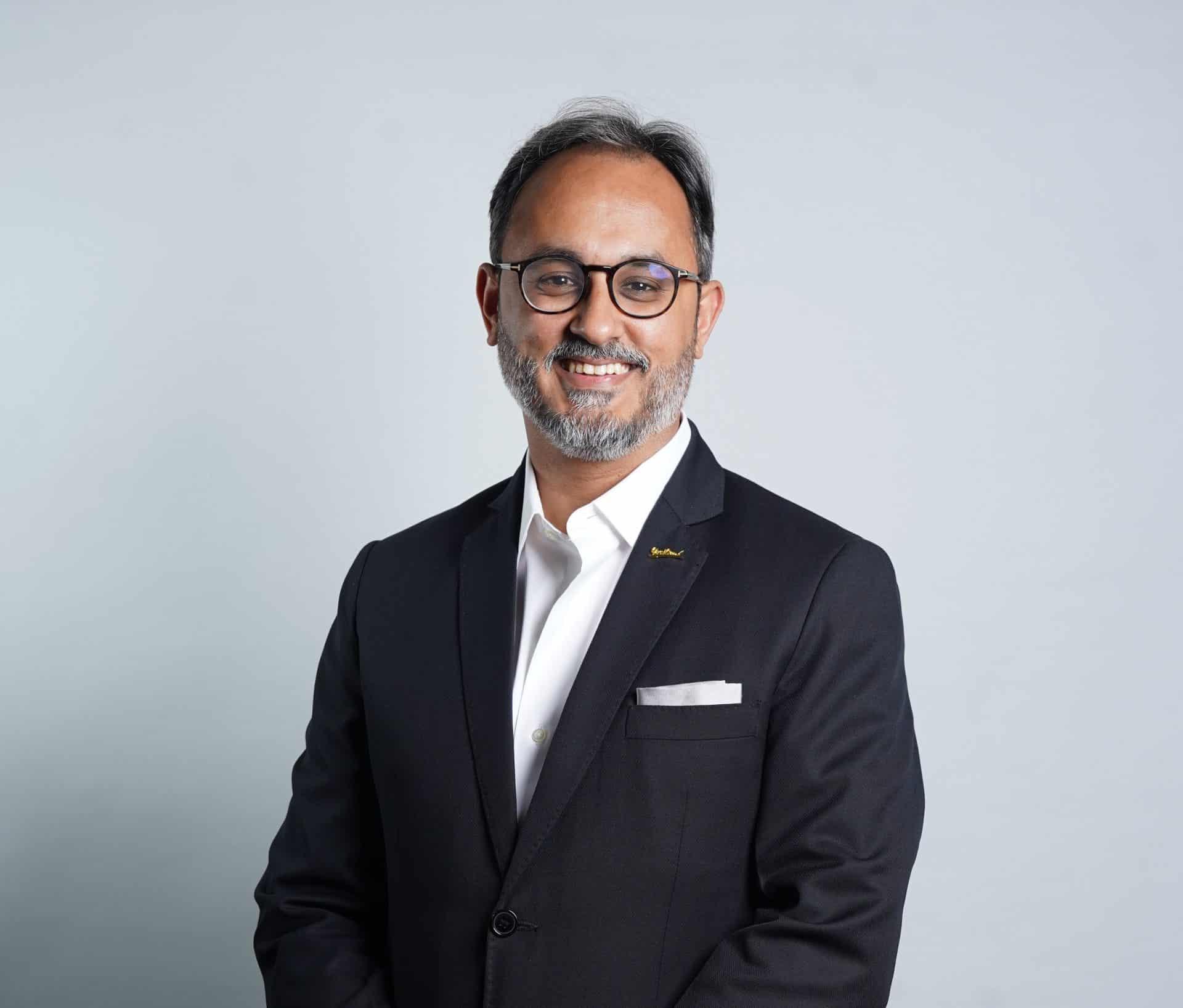 Nikhil Sharma, MD & COO, South Asia, Radisson Hotel Group
Nikhil Sharma, MD & COO, South Asia, Radisson Hotel Group sees Tier II and III markets, spiritual tourism and improved infrastructure driving the next wave of growth, while he also urges for easier visas, stronger destination marketing and better last-mile connectivity to unlock India's tourism potential. Notably, the group plans to open 20 hotels this calendar year.
As hotel companies race into Tier II and III cities, Radisson Hotel Group's Managing Director & COO, South Asia, Nikhil Sharma strongly believes India's strongest hospitality growth lies exactly beyond the metros. Yet, despite the optimism around domestic tourism on all-time high, he argues that achieving the country's ambitious inbound tourism goals will require easier visas, stronger destination marketing and better infrastructure.
Speaking exclusively to Travel Trends Today, Sharma said Radisson's confidence stems from years of investing early in destinations before they became mainstream. “The real growth of India is in Bharat—and that is Tier II, Tier III and Tier IV cities.” According to him, stronger GDP growth, massive infrastructure investments, improved road and airport connectivity, and easier last-mile access are fundamentally reshaping travel demand across the country. Destinations once considered difficult to reach are now attracting year-round visitors, giving hotel brands confidence to expand beyond traditional gateway cities.
That confidence is also reflected in Radisson's own pipeline as the company plans to open 20 hotels this calendar year. Its 2026 signings include a 350-key Radisson Collection Navi Mumbai, 175-key Radisson Collection Mysore, 82-key Radisson Individuals Namakkal, 61-key Radisson Individuals Goa, 150-key Radisson property in Kishangarh, 100-key Radisson property in Kalimpong, 46-key Park Inn & Suites Meerut, 72-key Park Inn & Suites Roorkee, and 75-key Park Inn & Suites Asansol.
Domestic remains the engine, but inbound cannot be ignored
While India's domestic tourism continues to fuel hotel demand, Sharma cautions against overlooking inbound tourism if the country hopes to meet its long-term tourism ambitions.
Calling India “a net exporter of tourism”, he believes international arrivals can grow substantially, but only if structural issues are addressed.
Among the priorities he highlighted are a simpler tourist visa process, lower aviation costs, revival of global destination marketing under the Incredible India brand, cleaner heritage destinations, better municipal infrastructure and improved last-mile connectivity. Sharma also stressed that expanding highway hospitality infrastructure will become increasingly important as India's road network improves.
Despite concerns over geopolitical uncertainty and a wave of new hotel supply, Sharma remains bullish about the industry's long-term outlook.
He believes India remains significantly underpenetrated in branded hotel inventory and expects classified hotel rooms to grow dramatically over the coming years.
“The next five to ten years... is the golden period for Indian hospitality.”
While some smaller markets may experience temporary pricing pressure as new hotels open, Sharma does not expect nationwide room rates to soften significantly given the strength of demand.
He also believes three long-standing policy issues require immediate attention if India wants to fully unlock its hospitality potential: granting infrastructure status to the hospitality sector, rationalising GST to improve economics for hotels in smaller cities and significantly strengthening hospitality skilling programmes to address future workforce requirements.
With tourism and hospitality already among India's largest employers, he argues that workforce development will become just as critical as building new hotels.
Faith tourism evolving
Among the strongest growth drivers, Sharma points to India's rapidly evolving spiritual tourism market. The company operates across an impressive network of 90 plus unique destinations. Among these, approximately 12 to 13 locations are dedicated to high-end spiritual tourism. These premier pilgrimage destinations include renowned sites like Katra, Ayodhya, Amritsar, and Ujjain.
The group is also expanding its presence in high-potential spiritual destinations such as Ayodhya, Ujjain, Guruvayur, Palakkad, Puri and Deoghar.
The company has observed two compelling trends reshaping spiritual tourism. First, multi-generational travel has become increasingly common. Second, destination weddings at pilgrimage sites have gained tremendous popularity, adding another revenue stream to the spiritual tourism business, as per Sharma.
Besides, the business travel from sectors such as FMCG, pharmaceuticals and automobiles is also helping sustain occupancy levels beyond religious seasons, reducing dependence on traditional pilgrimage peaks.
Sports, concerts emerge as next growth engines
Beyond faith tourism, Sharma identifies sports tourism and the concert economy as the next major demand generators. Radisson's upcoming hotel integrated within a stadium complex in Udaipur reflects this strategy, inspired by successful international stadium-hotel concepts.
He cited Ahmedabad as India's strongest example of event-led hospitality demand, where major cricket matches and concerts have delivered dramatic spikes in occupancies and room rates. “You can sell rooms at literally five to ten times the price and still be sold out.”
As India attracts more global sporting events and entertainment spectacles, Sharma expects event-driven travel to become an increasingly important contributor to hotel performance going forward.