

Dubai airport reports 28.1% dip in passenger traffic amid regional disruptions
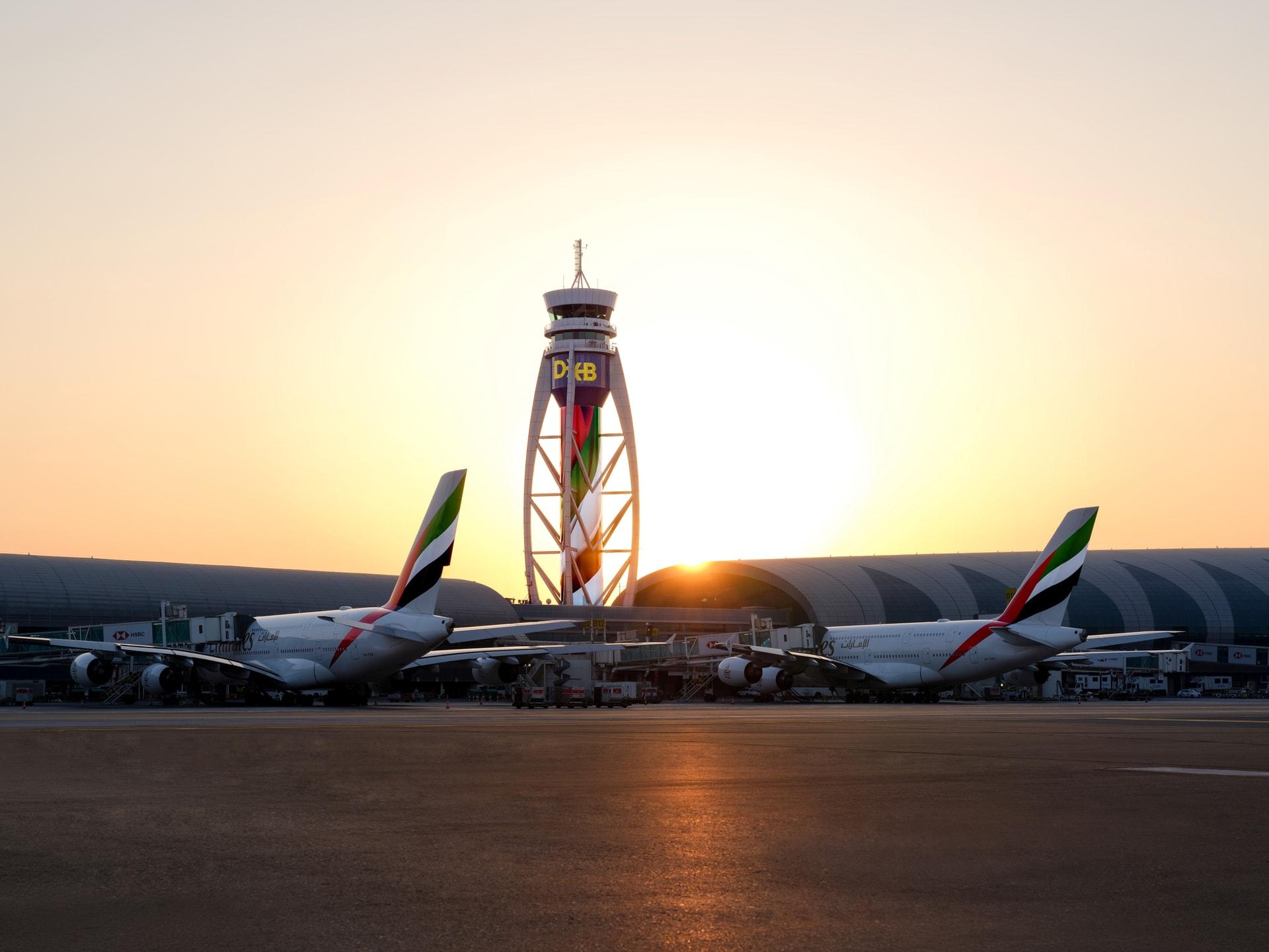 1920_dscf6468
Despite these headwinds, Dubai Airports CEO Paul Griffiths expressed optimism regarding early signals of market recovery across key travel corridors; India remains DXB’s largest country market during Q3, with 2.6 mn guests.
Impacted by ongoing airspace closures and geopolitical instability in the Middle East, Dubai International Airport (DXB) recorded a 28.1% decline in passenger volume during the first nine months of the year. Despite these headwinds, Dubai Airports CEO Paul Griffiths expressed optimism regarding early signals of market recovery across key travel corridors.
The airport welcomed 50.4 million guests in the first nine months of 2026, sustaining vital connections for tourism, trade and business as Dubai Airports continued to invest in technology and innovation to support the hub’s future growth. DXB welcomed 18.8 million guests during the third quarter, with August as its busiest month with 6.6 million in traffic. The Q3 volumes contracted 22.1%
As per the airline, direct and transfer traffic remained broadly balanced during the year. In September, guests travelling directly to and from Dubai accounted for 49% of traffic, with connecting guests representing 51%. The balance varies seasonally, with direct traffic typically increasing during winter as Dubai’s tourism and events calendar draws more international visitors.
Griffiths said: “We expect to welcome more than 70 million guests this year. As more airlines return to Dubai and our network strengthens, we are focused on continuing to accommodate future growth while making journeys simpler and more seamless. Innovation is central to that approach. Every process we simplify and every bottleneck we remove helps us use our existing facilities more efficiently. By combining technology with better ways of working, we can unlock additional capacity without expanding the airport’s footprint, while improving the experience for our guests.”
DXB is currently served by 57 airlines connecting Dubai to 235 airport destinations across 101 countries. British Airways resumed services earlier this month, joining returning carriers including Royal Air Maroc, SunExpress and Cebu Pacific among others. Other airlines are scheduled to resume operations in the weeks ahead.
India was DXB’s largest country market during Q3, with 2.6 million guests, followed by Saudi Arabia with 1.4 million and the UK with 1.3 million. Pakistan accounted for 800,000 guests, the US for 640,000 and Germany for 480,000 guests.
London was the leading city destination with 784,000 guests, followed by Mumbai with 528,000, New Delhi with 525,000, Riyadh with 500,000, and Jeddah with 490,000 guests.
Outbound tourism was reflected in growth across several popular leisure destinations during the quarter. Milan recorded a 20% increase in traffic, followed by Phuket at 17%, Cape Town at 14%, Barcelona at 13% and Denpasar at 11%.
Dubai Airports is investing in technology to anticipate operational performance. Through its ongoing digitalisation initiatives, Dubai Airports is bringing together data and visual feeds from systems across DXB to build a shared, continuously updated view of airport operations. Insights into airport spaces, guest flows and aircraft activity help teams anticipate demand, respond to changing conditions and coordinate decisions more effectively.
AI and predictive analytics help teams identify potential pressure points and take action before they affect operations. Combined with expanded self-service options and the continued development of biometric processes, these capabilities are reducing manual steps and improving guest flow through existing facilities.
Aircraft movements totalled 243,000 during the first nine months, down 27.6% year on year. This included 92,800 movements during Q3.