
Delhi hotel rates jump up to 88.39% driven by BRICS Summit security & diplomatic arrivals
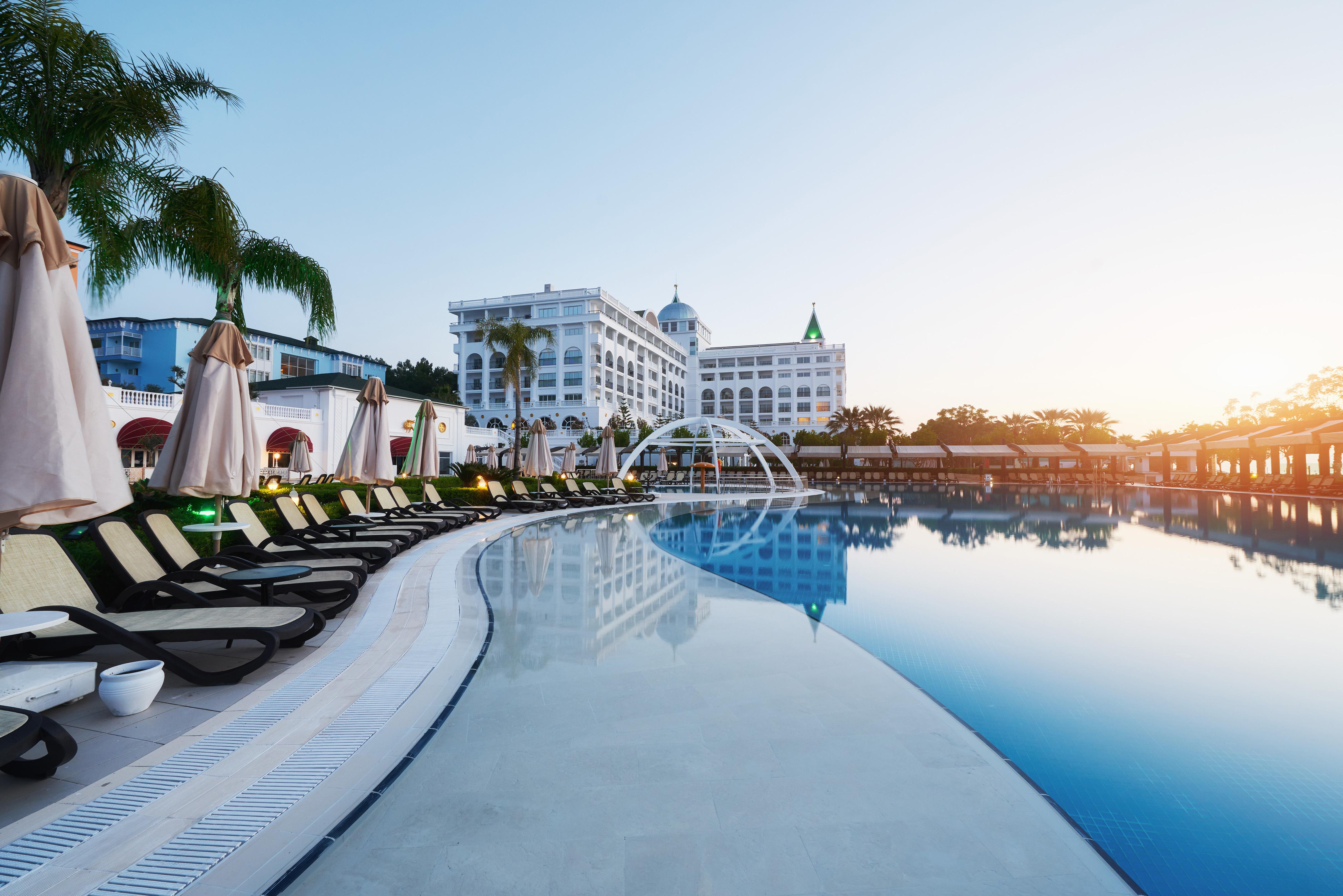 Representative Image...
According to the analysis shared by Sciative Solutions, the steepest increase in average Delhi hotel rates was witnessed between September 10-12, when rates were recording year-on-year increases of 82.97% to 88.39%, coinciding with the arrival of foreign ministers, state leaders and senior delegates.
The 18th BRICS Summit, held at Bharat Mandapam in New Delhi on September 12–13, has triggered a sharp surge in hotel room rates across the capital, with the average room rates across the analysed Delhi hotel sample rising by as much as 88.39% year-on-year before of the summit.
According to the analysis shared by Sciative Solutions, the pricing spike was driven by a concentrated demand surge from high-security requirements, international diplomatic arrivals, media delegations and advance event teams, creating a localised supply crunch across key hospitality markets in Delhi. According to the analysis, the steepest increase in average Delhi hotel rates was witnessed between September 10-12, when rates were recording year-on-year increases of 82.97% to 88.39%, coinciding with the arrival of foreign ministers, state leaders and senior delegates.
“The sharp increase in Delhi hotel rates demonstrates how quickly concentrated, high-value demand can reshape a hospitality market,” said Dr. Anshu Jalora, Founder, Sciative Solutions. “What we are seeing is not simply a two-day demand spike. The summit is generating a wider pricing ripple that begins with advance teams and security personnel, peaks with delegate arrivals and continues through post-summit meetings and departures. For hotel operators, this makes real-time demand sensing, inventory visibility and dynamic pricing especially important.”
The impact of the summit extended well beyond the two-day event itself. Hotel rates were already tracking 25% to 45% higher year-on-year between September 6 -9, as security teams, media crews and event managers began arriving for advance preparations. Rates are expected to remain elevated at 35% to 55% above year-ago levels through September 16, as envoys, bilateral negotiators and departing delegations continue to use hotel inventory following the summit.
“The most significant insight is the duration and geographic concentration of the impact,” added Vijeta Soni, Co-Founder & CEO, Sciative Solutions. “Central Delhi and Aerocity are experiencing the strongest pressure because they combine proximity, connectivity and premium inventory. When a substantial share of rooms is blocked or absorbed by summit-related demand, the effect extends beyond headline rates to availability, displacement of regular business travellers and pricing across adjacent markets.”
The pricing movement is particularly pronounced in Central Delhi and Aerocity, the two hospitality zones witnessing the strongest summit-linked demand. Central Delhi is benefiting from its proximity to Bharat Mandapam, while Aerocity is attracting demand because of its connectivity and transit access. Premium 4 and 5-star properties in these corridors are facing significant inventory blockouts, further restricting publicly available rooms and pushing conventional business travel demand towards other parts of the city.
The current movement reflects how large-scale diplomatic events can temporarily alter the economics of an urban hospitality market. Unlike a conventional two-day demand spike, the BRICS Summit is creating a broader 10-day commercial ripple, with pricing pressure beginning ahead of delegate arrivals and continuing after the formal summit dates as bilateral engagements and departures take place.
The trend also underlines the sensitivity of premium hotel inventory to sudden, geographically concentrated demand. With a large share of 4 and 5-star inventory absorbed by summit-linked requirements, even relatively short-duration diplomatic gatherings can produce pronounced changes in room pricing and availability across specific hospitality corridors.