
Dekho Apna Desh version 2 to be out soon; MoT eyes industry-led push for lesser-known destinations: Billa
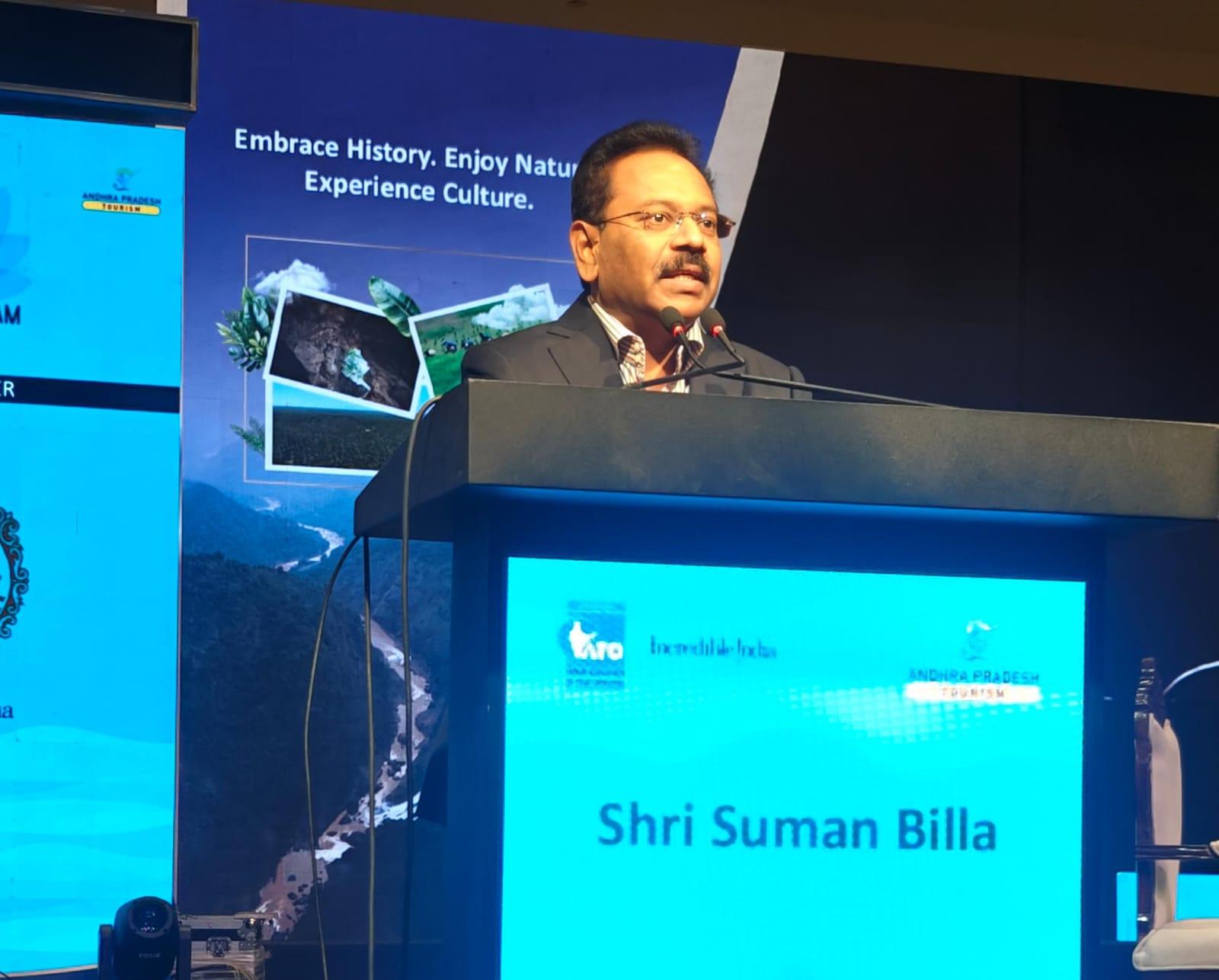 Suman Billa IAS, AS & Director General, MoT, Govt of India
Under the planned version, the shortlisted destinations will be developed into marketable packages by the industry, with the government, state governments and industry jointly promoting them. The Ministry of Tourism is also working on creating a Digital Tourism Stack that could allow international visitors to navigate India with fewer touchpoints and less friction.
The Ministry of Tourism is working on a new iteration of its Dekho Apna Desh initiative, keeping a sharper focus on taking tourism beyond India’s saturated destinations and turning lesser-known places into marketable tourism products through a government-industry partnership.
Announcing this at a recent IATO Convention in Vizag, Ministry of Tourism’s Additional Secretary and Director General, Suman Billa (IAS), said states would be invited to nominate lesser-known destinations, which would subsequently be identified and shortlisted jointly by the Centre and the tourism industry for promotion. The industry would then be encouraged to build packages around these destinations and take them to the market.
“We should stop chasing demand and we should start thinking about how to unlock the demand that is already there in the country,” he said and pointed to India having both the attractions and the potential travellers. The bigger challenge, he said, is converting that appetite into a viable tourism economy.
Under the proposed second version of Dekho Apna Desh, states will nominate lesser-known destinations while the Centre and industry will work together to identify those with potential for promotion. The shortlisted destinations will then be developed into marketable packages by the industry, with the government, state governments and industry jointly promoting them.
Billa indicated that the initiative could create a performance-linked pathway for government support. Destinations that perform well could qualify for further assistance in areas such as infrastructure and technology. “The idea is: how can we create champions which take the pressure away from the established destinations. The idea for us should be how can we make the size of the pie itself larger so that all of us can benefit.”
Notably, the Dekho Apna Desh campaign, launched in 2020, is the Ministry of Tourism’s domestic tourism initiative aimed at encouraging fellow Indians to explore the country’s diverse destinations, cultural heritage and experiences. The campaign seeks to promote lesser-known and emerging destinations alongside established tourist hotspots, encourage year-round travel and deepen travellers’ engagement with India’s rich cultural, natural and experiential offerings.
Creating a digitally connected tourism ecosystem
While the proposed India Digital Tourism Stack is not a new announcement, Billa provided further detail on the architecture the Ministry is working towards.
The proposed stack is built around four broad components, shared Billa. The first involves digitising and tokenising information already submitted by international travellers during the e-visa process. The idea is to generate a QR code that could be carried by the traveller and used for services such as hotel check-ins, reducing the need for repeated handling of passports.
Billa said the initiative was part of a larger rethink of India’s tourism strategy, arguing that the country does not lack either attractions or potential travellers, but needs to address the friction that prevents that demand from translating into economic activity.
The second component involves extending the convenience of UPI to international visitors through a digital wallet linked to a traveller’s credit card. Billa said this could allow foreign tourists to make even small-value purchases from street-side vendors and other merchants who may not accept international cards.
The transaction trail, he added, could eventually help create the data infrastructure needed to introduce GST refunds for international tourists shopping in India.
The third element is the potential use of facial recognition technology at monuments and attractions, similar to DigiYatra at airports. Travellers who have booked tickets in advance could potentially enter attractions at their designated time through facial authentication rather than spending time in queues. The objective is straightforward: less queuing, faster entry and a more predictable visitor experience.
The fourth is the onboarding of tourism products and service providers onto ONDC, allowing tour operators to discover and incorporate a wider range of vetted experiences and services into their packages without having to individually onboard every supplier.
The emphasis, he said, is moving towards dispersing tourist flows, developing experiences, improving utilisation of existing assets, reducing friction and creating a digitally connected tourism ecosystem.
At the end, he emphasised that there was no fundamental reason why India’s tourism economy could not become 10 times its current size over the next five years, provided the industry and government act on the gaps between existing infrastructure, visitor demand and the actual tourism experience.