

CGH Earth rides domestic travel boom as business mix shifts from 95% inbound to 60:40
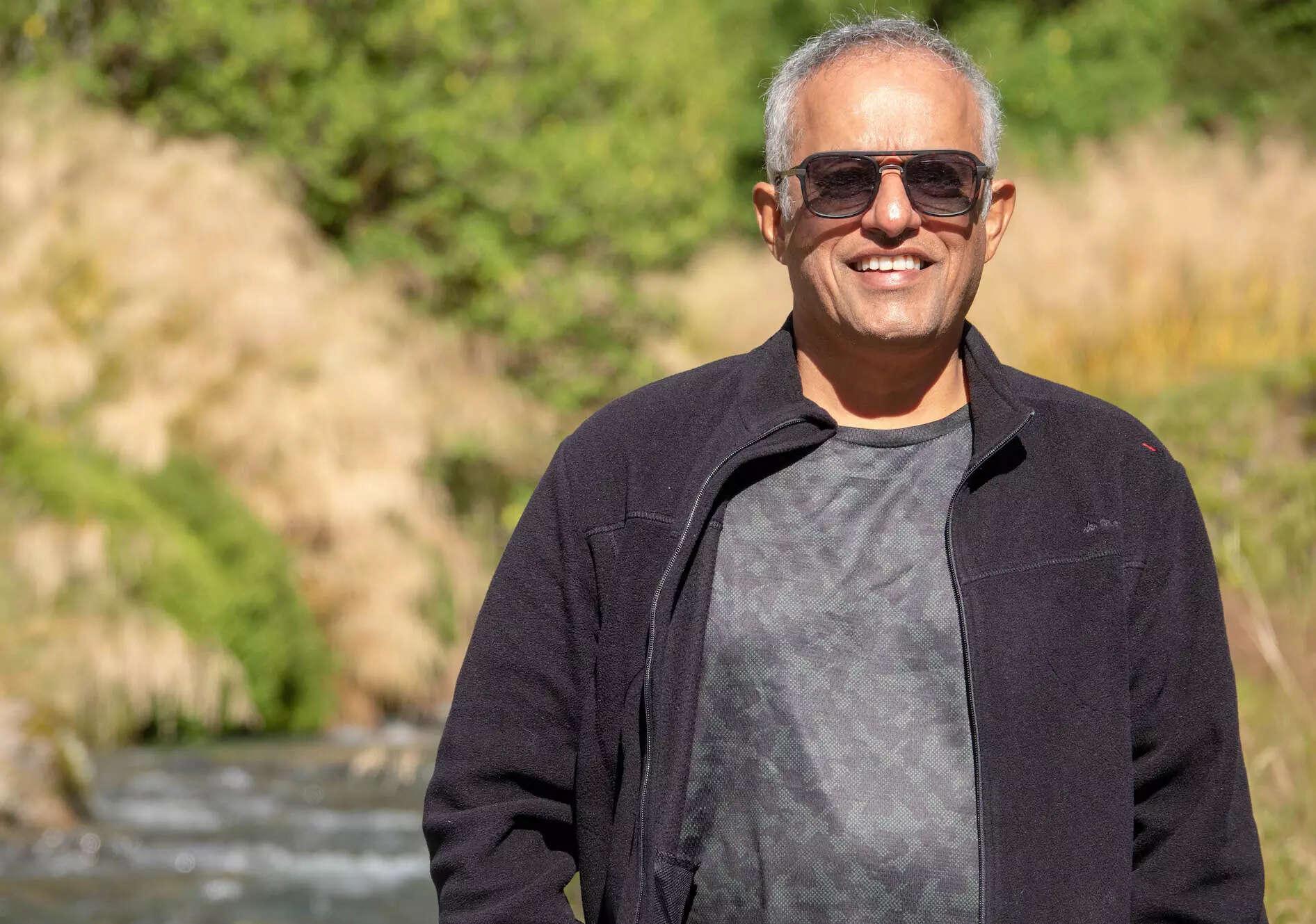 Michael Dominic, Managing Director, CGH Earth
The group aims to be known as a pan-Indian hotel group with plans to double its Saha portfolio annually, sees stronger spending, growing demand for intimate experiences.
Long before sustainability became a defining theme in hospitality, CGH Earth was already experimenting with a different model, one that placed experiences, communities and destinations at the centre of the guest journey.
Michael Dominic, Managing Director, CGH Earth, shared during an exclusive interaction with T3, that the foundations of the group's philosophy can be traced back to its early experiment at Bangaram Island in Lakshadweep, a property that helped shape the company's outlook on hospitality.
Celebrating difference, not similarity
Dominic believes CGH Earth's biggest differentiator lies in its refusal to follow a standardised hospitality model.
"Our priority is understanding how we differentiate ourselves. Large brands are built around similarity. Whether you are in New York, Mumbai or Kochi, once you enter the property it feels familiar because the brand identity is consistent."
CGH Earth, however, follows the opposite philosophy. “For us, every property has to be unique. Take Spice Village as an example. Its identity is rooted in tribal communities, forests and plantations. That definition cannot be replicated elsewhere.”
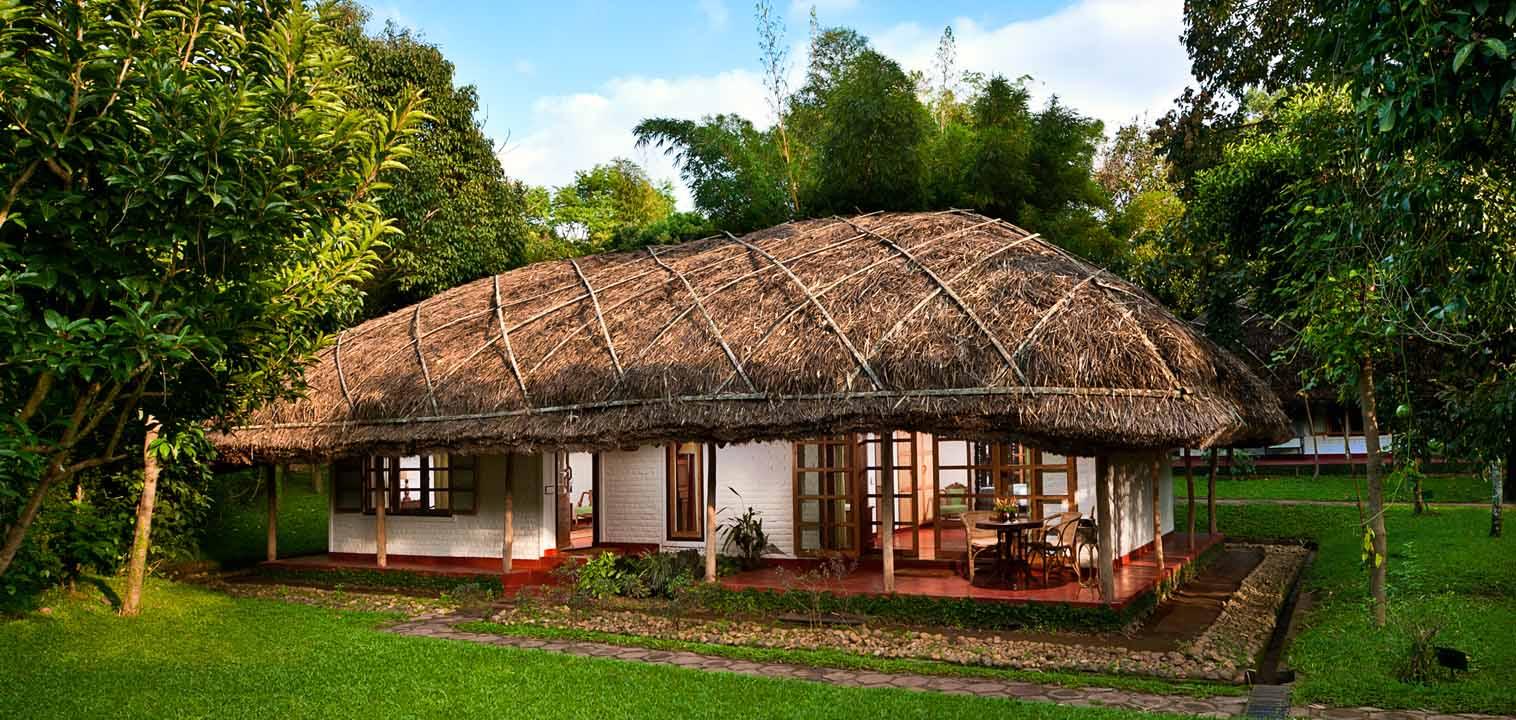
He stressed that it is about how to connect with local people, the land, the local community and local ethos. “Every property becomes unique and different from the others, there is no similarity. That is what we celebrate."
Growth powered by domestic travel
Discussing CGH Earth's business performance, Dominic said revenues growing significantly compared to the pre-COVID period. "If you look at our pure revenue, pre-COVID we were looking at almost 15-20%. Then, in the year immediately after COVID, we almost doubled the revenue," he said. According to him, the biggest driver of growth has been the evolution of the domestic market.
"The international market has reached the same value compared to pre-COVID levels, but the big growth came because our summer business has really gone up," he explained. He cited Visalam in Tamil Nadu as an example of how domestic travel patterns have changed. “In the 90s, when CGH was just starting, our business was about 95% inbound and rest domestic. Today, that has changed roughly to a ratio of 60:40.”
When asked about CGH Earth's top domestic markets, Dominic said southern Indian cities continue to dominate demand. "Bengaluru, Hyderabad and Chennai are among our biggest markets. Gujarat as a whole is also important, along with Mumbai. Delhi is slightly farther away, so the contribution is lower," he said. For Kerala properties specifically, he noted that local demand remains extremely strong.
Among international markets, the UK remains the largest contributor. "The UK is our biggest international market, followed by the US, and then Western European countries such as France and Germany."
Rise of driving holidays; quick travel decisions
Dominic sees a marked shift in traveller behaviour following the pandemic. "The domestic traveller today is more experienced. They want to experiment more and are willing to take chances." According to him, Indian travellers have moved away from rigid travel patterns and are embracing new formats.
"Now people are looking for smaller holidays, smaller properties and even private bungalows instead of traditional hotels. Driving holidays have become much more popular."
Dominic also highlighted a significant change in spending behaviour. "In today's domestic market, the most expensive rooms are often sold first. Earlier people would have a fixed budget in mind, but now they ask for the best room available. People realised that there is no point in keeping money, and are more willing to spend on experiences today than they were before."
Another major trend observed by CGH Earth is the growing spontaneity of travel planning. "People are discovering their own states and taking shorter breaks more frequently. The decision-making process has changed. Earlier people planned one major holiday a year. Today, after a few months of work, they simply decide to take a break or make use of a long weekend."
When asked about the booking landscape, Dominic mentioned that CGH Earth currently sees roughly 30% of bookings coming through direct channels and a similar proportion through OTAs.
Growing rapidly with Saha
Dominic said Saha began as an experiment, CGH Earth's newer hospitality vertical, with the company initially taking opportunities as they emerged. "Saha is about not being a hotel. It is almost the opposite of what a hotel or resort is. We try to make it more homely, more intimate and more centred around the guest. Now, we are developing a strategy around where we actually want to be."
He said destinations in the hills, near forests and close to beaches are currently attracting the strongest interest. "Saha is primarily a domestic-driven market, so we are focusing on what appeals to the Indian traveller."
The portfolio currently comprises around 12 properties, but the ambition is far larger. "For the model to become truly successful, we need to grow rapidly. Over the next couple of years, we aim to keep doubling the portfolio each year."
The capital investment comes from property owners rather than CGH Earth, scale becomes critical.
Building a pan-India hospitality brand
Dominic said that CGH Earth is no longer confined to Kerala or South India. "We have plans for Gujarat, Madhya Pradesh, Uttarakhand, West Bengal and the Northeast." The ambition, he said, is clear. "We want to be known as a pan-Indian hotel group."
About expanding footprint internationally, Dominic said international expansion is not ruled out. "I would not discount the possibility that we will definitely go international. Opportunities are emerging from neighbouring countries such as Sri Lanka and Bhutan."
However, he believes the opportunity within India remains enormous. “We do not want to dilute our energies by going all over the world. CGH is about creating experiences rooted in local culture, and doing that in another country is a very different challenge.”
Preserving the CGH Earth ethos
Dominic said every decision at CGH Earth is guided by three equally important pillars: the customer, the environment and the local community.
"Each of them is important. We cannot compromise one for the other. Without taking care of all three, the CGH philosophy will not succeed."
One of the biggest challenges, Dominic said, is preserving the company's culture as it expands. To address this, the group has strengthened training and internal processes.
"When we start a property in a new location, we don’t want to simply hire people there and leave them. We want to bring them to an existing CGH property, help them understand the CGH philosophy and culture, and then send them back."
He acknowledged that the process is demanding but said it is essential. "It is difficult, but at least the people who come to work with us understand what CGH is all about."
Sustainability - from niche to mainstream
Dominic acknowledged that sustainability, once viewed as an unconventional concept, has now become a mainstream expectation across the hospitality sector.
"Today, everybody talks about sustainability. Every chain, every hotel and every independent property wants to be seen as sustainable. It has become part of the industry's language."
Dominic admitted that promoting the concept was more challenging in the early years. "Initially it was difficult. Especially domestic travellers would ask, 'Why am I paying good money when there is no television in the room?'"
However, perceptions began to change once guests experienced the properties. "When they stayed with us, they realised that the absence of television actually improved their holiday. Instead of sitting in front of a screen, families spent time together, participated in activities and engaged with nature."
According to Dominic, guests increasingly appreciated the value of disconnecting from everyday distractions. "They realised it was a different experience and began to value it,” Dominic said. He believes travellers today are increasingly prioritising meaningful experiences over purely infrastructure-led luxury.
The rise of intimate weddings
Dominic also sees a clear shift in the wedding market. "Young couples with small children are becoming the fastest-growing travel segment.”
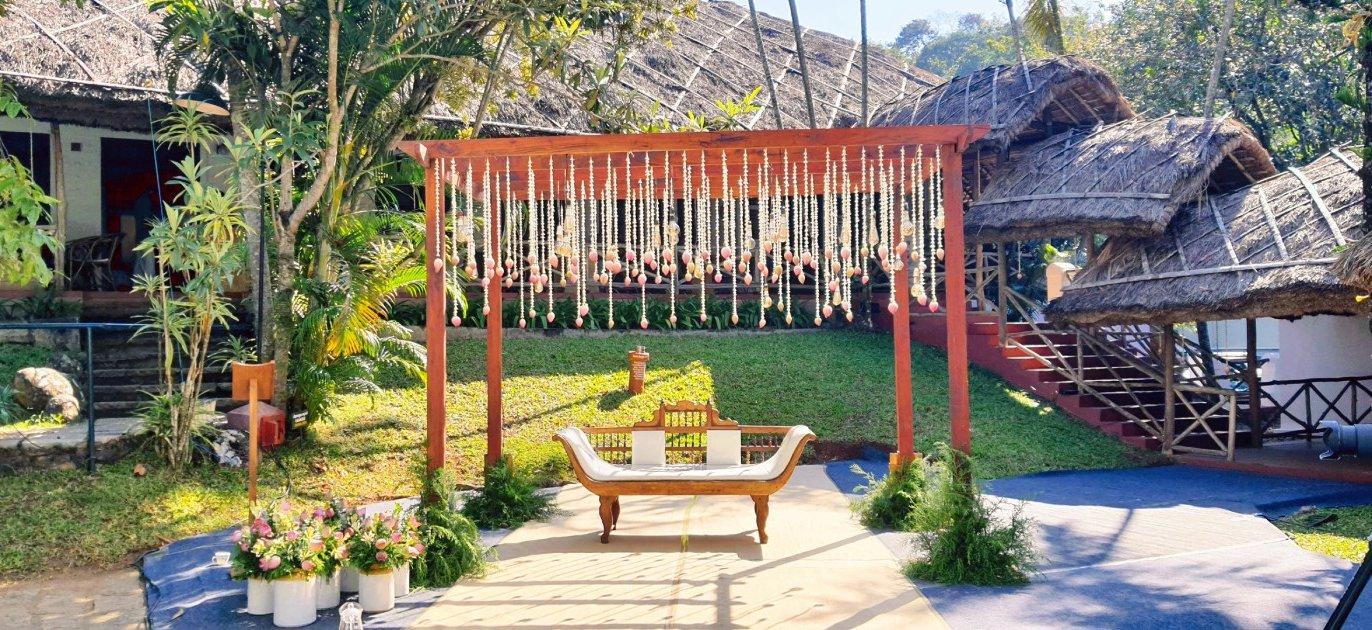
While CGH Earth is not focused on large MICE events, the company is increasingly seeing demand for resort buyouts and intimate weddings. "We have had weddings where guests take over the entire resort. Around 100-120 guests is a size we are comfortable with."
Dominic believes Indian weddings are gradually moving away from large-scale gatherings. “Millennials and Gen Z are increasingly looking for intimate setups. Instead of thousands of guests, they prefer a few hundred people and a meaningful holiday along with the wedding, and that is something that we look at.”