

Beyond the domestic boom: Why India's biggest tourism opportunity may still lie overseas
 Cover Image-5
In a world where travellers are actively seeking culturally rich, authentic and experience-led destinations, many believe India is missing a rare opportunity to position itself as a safe and value-driven destination at a time when several competing regions are grappling with instability. The larger question, therefore, is not whether domestic tourism should grow — it undoubtedly will. The real debate is whether India can simultaneously leverage its massive domestic market, sharpen its niche sectors, finally correct its long-standing inbound tourism deficit, and address the gaps. Because while Indians are travelling more than ever before, the bigger challenge may be convincing the world to do the same.
For decades, global crisis have followed a predictable script for the tourism sector: uncertainty rises, bookings fall, businesses struggle and travellers postpone holidays. Yet the current geopolitical disruptions across West Asia appear to be producing a different outcome for the Indian travellers, showing that they are not travelling less; they are travelling differently.
From spiralling airfares and disrupted aviation corridors to heightened concerns around safety and accessibility, a combination of geopolitical and economic pressures is forcing travellers to reassess their choices. The result is a noticeable shift towards destinations that offer familiarity, flexibility, value and convenience. While the Indians haven’t put a full stop on their inbound travel, this shift presents a paradox for the Indian tourism industry back home.
On one hand, Prime Minister Narendra Modi’s call to prioritise domestic travel has found resonance at a time when international travel is becoming more expensive and uncertain. And undoubtedly, domestic tourism is no longer being viewed merely as a substitute for outbound travel; it is emerging as a powerful economic stabiliser capable of sustaining demand even during periods of global turbulence.
On the other hand, several industry leaders caution against celebrating domestic growth at the cost of inbound tourism. While Indians may be travelling more within the country, foreign tourist arrivals remain well below India’s long-term growth potential. In a world where travellers are actively seeking culturally rich, authentic and experience-led destinations, many believe India is missing a rare opportunity to position itself as a safe, diverse and value-driven
destination at a time when several competing regions are grappling with instability.
The larger question, therefore, is not whether domestic tourism should grow — it undoubtedly will. The real debate is whether India can simultaneously leverage its massive domestic market, finally correct its long-standing inbound tourism deficit, and address the gaps.
Let’s first discuss the one clear beneficiary of current global uncertainty: domestic tourism.
The Modi Effect: Domestic Tourism as India’s Shock Absorber?
Prime Minister Narendra Modi’s call to prioritise domestic tourism has coincided with a period of geopolitical uncertainty and soaring international travel costs, creating a perfect push for India’s already booming domestic tourism economy. While it may be difficult to quantify the direct impact of the Prime Minister’s appeal, the industry believes this is turning domestic into the country’s biggest tourism safety net, capable of cushioning external shocks while creating new opportunities for destinations.

Ravi Gosain, President, IATO, believes that Prime Minister Narendra Modi’s repeated call to explore India has further strengthened awareness around domestic tourism. With one of the world’s largest domestic travel markets, India possesses a natural cushion against global disruptions, positioning domestic travel as a key driver of tourism growth in the years ahead.
He also observes that domestic tourism is increasingly benefiting from travellers’ preference for accessibility, familiarity and authentic experiences. According to him, destinations connected through short-haul flights, road networks and improved regional connectivity are witnessing growing demand, particularly spiritual centres, wellness retreats, hill stations, heritage cities and rural tourism circuits.
Agoda’s data reinforces the trend. “We have seen continued overall travel interest, especially with domestic travel. Agoda’s domestic accommodation searches in India increased 23% year-on-year in the first quarter of this year, with Northeast destinations such as Gangtok, Guwahati, and Cherrapunji each seeing over 50% growth in searches. In the South, Pondicherry and Ooty both saw growth in searches of over 60%,” stated Gaurav Malik, Country Director, Indian Subcontinent and Indian Ocean Islands at Agoda.

Booking.com’s summer search trends reveal strong interest in domestic destinations too, such as Ooty, Munnar, Darjeeling and Manali. More notably, spiritual destinations are climbing rapidly. Rishikesh has moved from ninth to fourth position in rankings, while Varanasi has jumped from twenty-eighth to thirteenth compared with last year.
According to Santosh Kumar, Regional Head, South Asia at Booking. com, Indian travellers are increasingly choosing destinations that offer convenience, accessibility and meaningful experiences. This sentiment was echoed by most of the stakeholders we spoke with.
TAAI President Sunil Kumar noted that soaring international airfares to traditionally affordable destinations such as Bangkok, Singapore, Colombo and Bali have significantly altered traveller behaviour. As a result, domestic tourism is witnessing a clear surge, aided further by the Prime Minister’s appeal to explore India.
“It will be a boom time for Indian hospitality to grab this opportunity. Domestic airlines, too, will benefit. A BIG need for tourism infrastructure to be upsized to grab attention,” he advised.
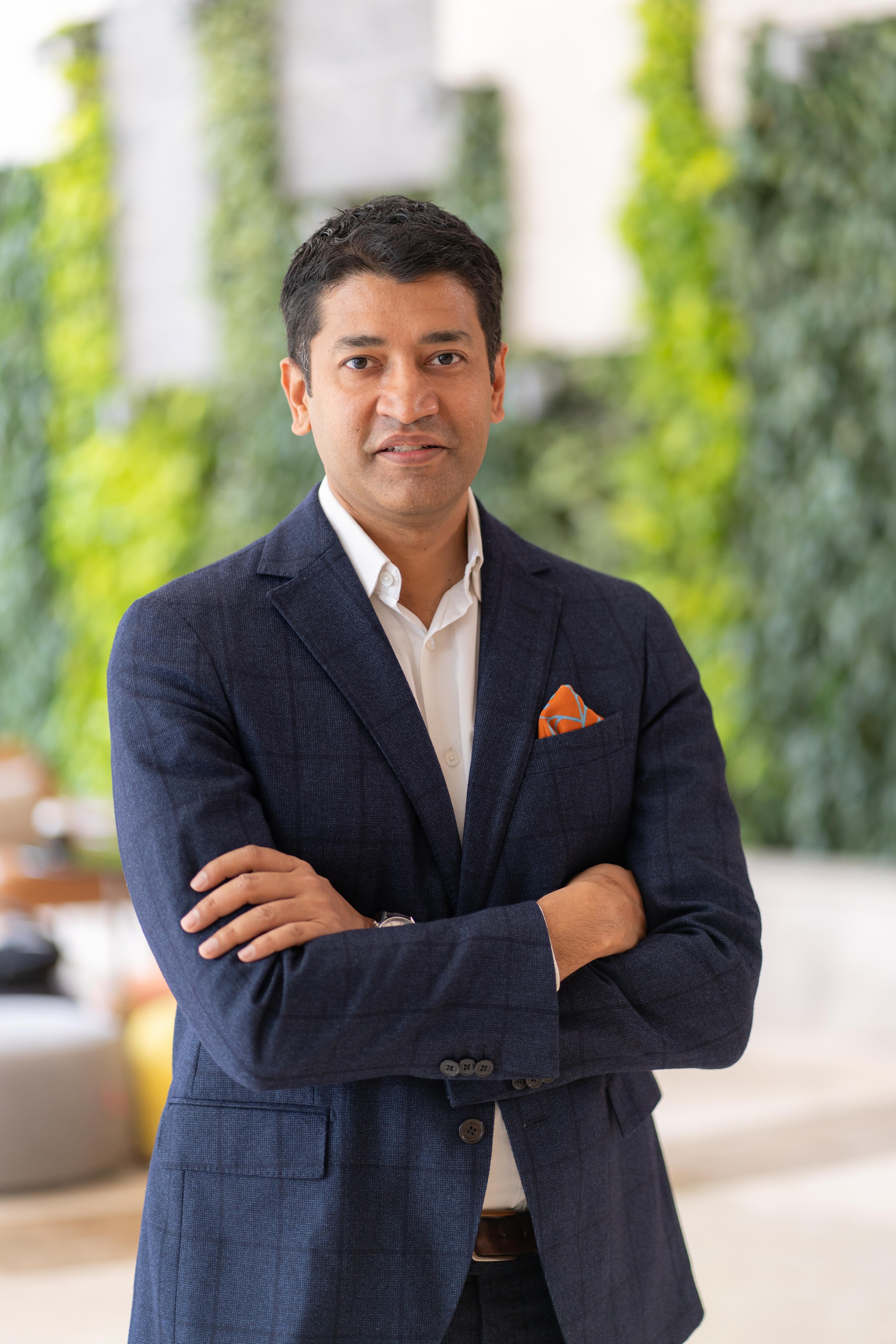
For Runeep Sangha, Executive Director of PATA India Chapter, domestic tourism remains the enduring backbone of India’s travel economy. He points out that the country’s vast diversity, rich cultural heritage and abundance of holiday options continue to resonate strongly with Indian travellers, particularly a younger and increasingly affluent generation willing to spend on travel experiences.
Improved accessibility, varied accommodation choices and the comfort of travelling within a familiar environment, he said, are further strengthening the appeal of domestic tourism and supporting its long-term growth trajectory.
Notably, for travel companies, domestic tourism is no longer viewed as merely a fallback option. Krishna Mohan Alapati, Managing Director, Southern Travels, says domestic travel has evolved into a strong and sustainable growth pillar for his company. “Domestic tourism has gained tremendous momentum, especially across spiritual circuits, hill stations, wellness retreats, drivable holidays and culturally immersive experiences. We are witnessing increasing traction towards tier-II and III destinations, spiritual tourism and regional cultural circuits,” he added.
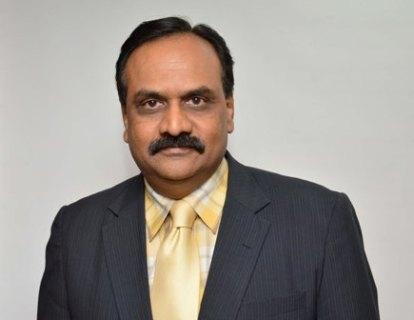
Similarly, for Rajat Sawhney, Sr. Vice President, ADTOI, domestic tourism today stands alongside outbound and inbound travel as a strategic growth segment in its own right. “Indian travellers are increasingly discovering the diversity of destinations within the country. We are witnessing strong demand for premium domestic holidays, destination weddings, MICE travel, wellness tourism and experiential journeys across India,” he said.
Rajiv Mehra, General Secretary-FAITH, also shared how the domestic tourism business has increased substantially over the past few years. Coupled with increasing investments by state governments in tourism infrastructure and destination promotion, Mehra argued that domestic tourism is now emerging as a powerful standalone growth engine capable of sustaining year-round demand across diverse traveller segments.
IATO’s Sr Vice President, Rajnish Kaistha echoes, saying that domestic tourism, especially during the summer months, continues to move strongly and numbers remain encouraging.
Kaistha believes domestic tourism providing a demand cushion can be particularly valuable in today’s environment. “Increased domestic tourism will not only save valuable foreign exchange but also support the Indian tourism ecosystem — hotels, transporters, airlines, guides and local communities.” Kaistha also specifically highlighted emerging destinations such as Khajuraho, Mandu, Rishikesh and Pondicherry as future growth centres.
Domestic growth is strong. But why is nobody talking INBOUND?
If there is one issue on which every stakeholder appears united, it is that India cannot afford to become complacent about inbound tourism. In fact, many believe this is precisely the moment India should intensify its global tourism positioning.
A recent T3 social media poll also indicated strong industry sentiment in favour of strengthening India’s inbound tourism efforts alongside the ongoing domestic tourism push. Of the respondents, 75% believe this is the right time for India to aggressively promote inbound tourism, while 25% remain cautiously optimistic, suggesting that certain gaps in infrastructure, connectivity, destination readiness and global marketing still need to be addressed. Notably, none of the respondents opposed the idea, reflecting broad consensus that India must leverage the current global travel landscape to attract more international visitors.
Kaistha perhaps articulated the opportunity most directly when he argues that India should target 100 million inbound tourists annually. His logic is straightforward. At a time when outbound travel and oil imports exert pressure on foreign exchange, inbound tourism remains a “smokeless industry” capable of generating substantial forex earnings while creating employment across hotels, airlines, transport, guides and local communities.
“Measures such as reduction in aviation fuel taxes — already initiated by governments like Maharashtra and Delhi — can help airlines maintain more reasonable fares and improve India’s competitiveness as a destination. Similarly, government support through initiatives such as duty-free shopping incentives, tax rationalisation on foreign exchange earnings and tourism promotion incentives can further strengthen inbound tourism and forex earnings,” he said.
The challenge, he argued, is converting India’s perceived safety and diversity into a compelling global proposition. The Indian Association of Tour Operators (IATO) is already working actively on the “Swachh Paryatan Abhiyaan” to create awareness about keeping the monuments and tourist destinations clean. This is only the beginning of many positive steps required ahead, he said.
Others echo similar concerns. Gosain shared that India’s global tourism proposition is compelling but lacks sufficient international visibility. He points out that competing destinations continue to invest heavily in overseas promotion while India’s global marketing efforts remain relatively limited. The massive fall to almost INR 33 to 40 crore allocated for overseas marketing funds serves the case.
Gosain also stressed the need for stronger international air connectivity, improved cleanliness standards, tourist amenities, safety, digital services and trained tourism manpower, while cautioning that opportunistic pricing could damage India’s reputation and repeat visitation prospects.
“India has a unique opportunity to leverage its strong domestic tourism base while simultaneously positioning itself as a stable, diverse and experience-rich global destination,” he asserted.
Alapati of Southern Travels argues that India’s story is still underrepresented globally and needs far more aggressive campaigns that showcase the country not merely as a heritage destination but as a contemporary, diverse and experiential tourism market. “We need more aggressive international campaigns showcasing India not only as a heritage destination, but also as a modern, diverse and premium experiential market.”
“India has all the ingredients to emerge as one of the world’s most compelling tourism destinations. The opportunity now lies in packaging and positioning these experiences more strategically for international audiences while ensuring consistent service quality and destination readiness,” he added.
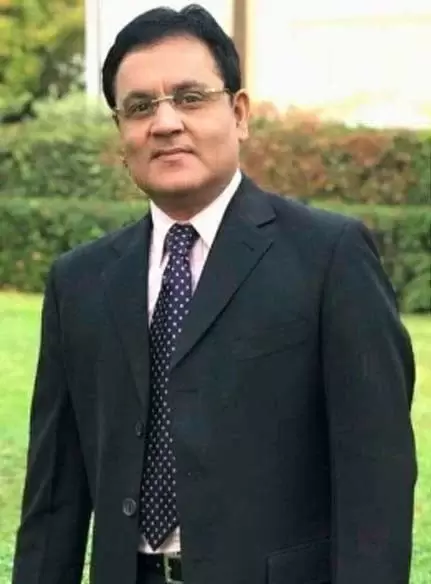
Adding his positive perspective, Rohit Kohli, Joint Managing Director of Creative Travel, agreed saying, “Absolutely, this is unequivocally a defining moment for India to sharpen its inbound tourism narrative. The global traveller is seeking destinations that offer depth, authenticity and emotional resonance, qualities that India possesses abundantly. However, converting this interest into sustained growth requires precision across several fronts.”
He identified consistency in service standards, seamless connectivity, destination management, preservation and visitor experience as critical factors if India wishes to attract high-value inbound travellers.
Similarly, Sawhney of ADTOI emphasised that India possesses an extraordinary convergence of tourism assets rarely found elsewhere, but also identifies ease of travel as the most immediate priority. “International travellers today compare destinations not only on attractions but on convenience,” he noted, arguing for simplified visa processes and expanded e-visa coverage.
He also highlighted the need for stronger connectivity, cleaner public spaces, improved signage, digital payment convenience and more focused destination branding. Most importantly, he argued that India must evolve from being perceived as a once-in-a-lifetime destination to becoming a repeat-visit destination, which may come from improved traveller comfort, curated experiences, safety, service standards and sustainability.
Mehra echoed many of these concerns too, as he believes India already possesses all the ingredients necessary to emerge as one of the world’s leading tourism destinations, but several structural issues remain unresolved.
Among these are visa accessibility, international air connectivity, cleanliness, public amenities, skilled manpower and pricing competitiveness. He also pointed to high hotel tariffs and taxation levels as issues that reduce India’s competitiveness compared to several Asian destinations.
Most importantly, he argued that India’s international marketing remains inadequate. “Campaigns must promote India not merely as a country of monuments, but as a destination for wellness, spirituality, culture, luxury, cuisine, adventure, wildlife, and immersive experiences. A coordinated public-private approach involving government, airlines, hospitality, and tour operators will be essential to convert India’s enormous tourism potential into sustained inbound growth,” he said.
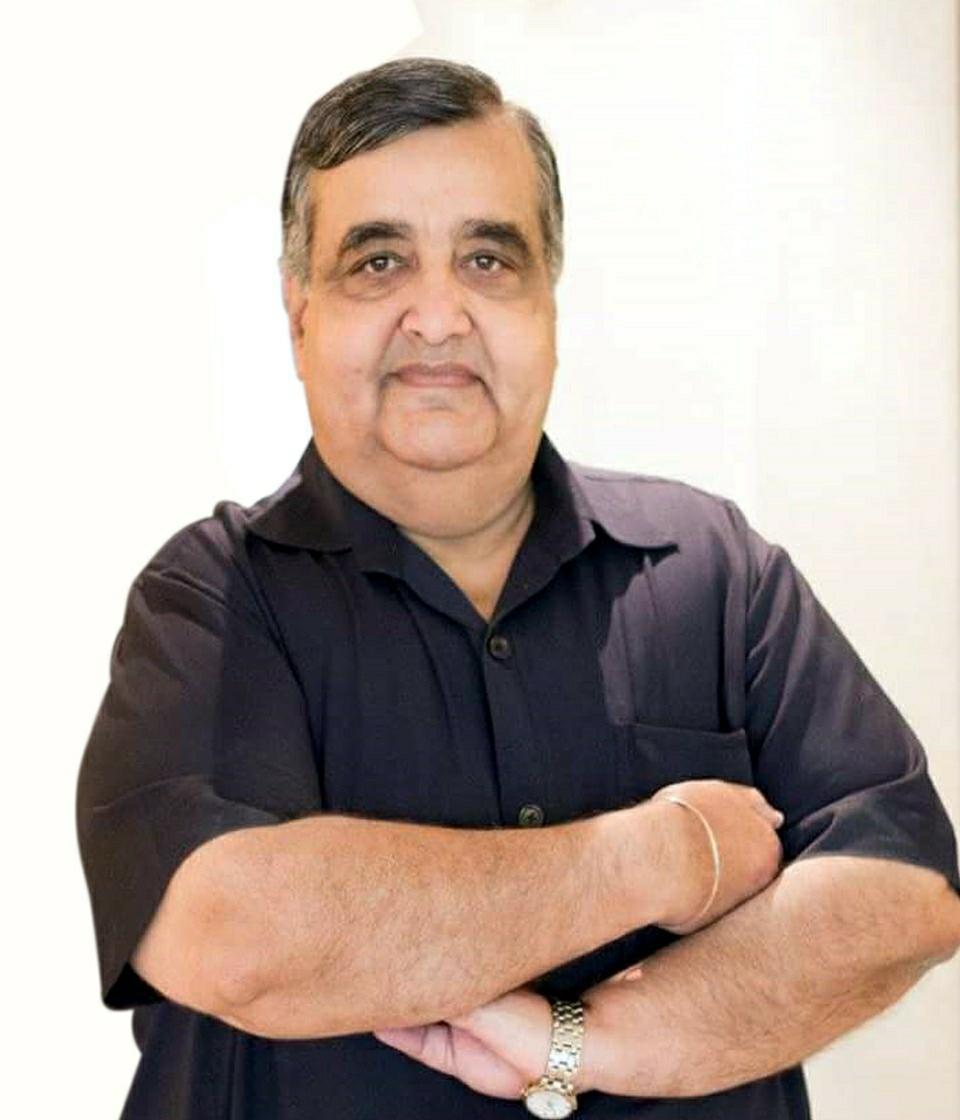
Sangha of PATA India Chapter offers perhaps one of the most candid assessments. “Let’s get started. We have been off the radar for too long. Since COVID. Out of sight, out of mind,” he added. Sangha is openly critical of India’s tourism promotion efforts, arguing that current budgets are insufficient for a country seeking to compete globally.
“Our budget for tourism promotion, both domestic and international, is an apology. Incredible India needs to be a household name in the top 10 source markets for tourism. Gone are the days of armchair marketing. We need to get visible,” he said.
He further warned about accommodation shortages, unaffordable airfares and deteriorating infrastructure at destinations suffering from overtourism. “Presently, quality room availability is 55% of the requirement. By the time we catch up in 3-5 years, the gap will be even higher.”
“Do we need foreign exchange earnings? If we do, no better source than tourism,” Sangha said, explaining the economic significance of tourism, adding it can contribute to sustainability, jobs, foreign exchange, impetus for infrastructure and more.
“Tourist destinations must have a welcoming aura around them. Quality food stalls, clean water, comfort areas and cleanliness are prerequisites. Over-tourism does not help; the infrastructure crumbles. A model needs to be developed to manage this both at a destination level and at an attraction level,” Sangha suggested.
While many respondents focused on gaps, Agoda’s Malik pointed towards encouraging developments already underway. According to him, policymakers have begun taking steps to strengthen inbound tourism through infrastructure investments, visa reforms and new initiatives designed to stimulate both domestic and international demand.
“Policymakers in India are already taking strong steps to address gaps and boost inbound tourism—including investing in tourism infrastructure, reconsidering visa policies to reduce inbound travel barriers, paving the way for the concert economy and more,” he said.

He also pointed to growing collaboration between tourism organisations and digital platforms as an important mechanism for attracting more international visitors.
Adding to this, Kumar from Booking.com said, “India has the opportunity to further strengthen both domestic and inbound tourism through continued investments in connectivity, infrastructure, destination readiness and sustainable tourism experiences that can support long-term, year-round growth.”
Briefly and aptly, TAAI President Kumar summed up, “This is a big time for India.”
Tourism boom possible amid the pricing trap?
Almost every stakeholder highlighted one major concern: pricing. As demand rises, so too do airfares and hotel rates. While higher demand is naturally expected to drive pricing, industry leaders repeatedly caution that India may be approaching a delicate inflection point where short-term revenue gains could begin undermining longterm tourism growth.
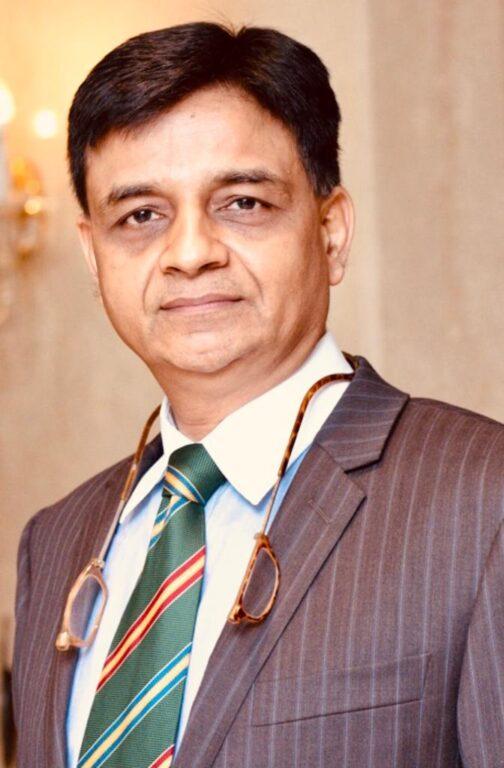
Gosain said traveller behaviour itself offers an important warning signal. While demand remains strong, today’s traveller is becoming increasingly value-conscious and expects transparency in pricing. According to him, travellers are willing to spend on meaningful experiences and quality accommodation, but they also expect fairness and consistency. That expectation becomes even more important as India seeks to attract repeat visitors.
“Pricing discipline across the tourism value chain is critical. While demand growth is welcome, excessive or opportunistic pricing can damage destination reputation and affect repeat visitation. Sustainable tourism growth requires a balanced approach that ensures profitability while maintaining competitiveness and traveller confidence,” he added.
For Alapati, responsible pricing is not merely a commercial consideration but a strategic necessity. “Responsible pricing will play a critical role in sustaining long-term traveller confidence. While strong demand naturally leads to higher pricing during peak periods, excessive airfare and hotel tariff increases can eventually impact sentiment and discourage repeat travel, particularly among middle-income families who form the backbone of India’s tourism economy,” he said.
He added that the tourism stakeholders must recognise that long-term success depends on travellers consistently feeling that they have received value for money, while he also called for greater affordability, transparency and accessibility across the tourism ecosystem.
Importantly, Alapati noted that travellers today are no longer evaluating travel decisions purely on price. Instead, they are assessing the complete experience—convenience, reliability, inclusions, flexibility and overall quality. Curated packages, bundled experiences and flexible payment options, he added, can help preserve traveller confidence even when costs rise.
Sawhney argued that responsible pricing will determine whether India’s tourism growth remains sustainable or becomes vulnerable to future slowdowns. His concern is that rising tariffs without corresponding improvements in service quality, infrastructure and visitor experience could ultimately reduce travel frequency, shorten trips and encourage travellers to explore alternatives.
“The real scale of Indian tourism comes from the expanding middle class, young professionals, families, senior citizens and regional travellers,” he noted. For that reason, investments in affordable accommodation, regional air connectivity, highways and rail infrastructure become just as important as premium tourism offerings.
He also called for the promotion of off-season packages and lesser-known destinations. “This helps reduce pressure on heavily peak-season markets while creating more balanced economic benefits across regions.”
For Kohli, the pricing conversation takes on a different dimension. Operating primarily in the luxury and inbound space, Kohli argued that price itself is rarely the determining factor for high-end travellers. What matters instead is perceived value. However, he is equally clear that opportunistic pricing carries risks even at the premium end of the market.
“Inconsistency or opportunistic pricing can erode trust even at the highest end of the market,” Kohli warned. “For India to sustain momentum, pricing must reflect integrity, transparency and a long-term view of brand India. Discerning global travellers are highly attuned to value, not in terms of cost, but in the coherence between price and experience. If prices surge without a corresponding elevation in service, design, access or exclusivity, confidence diminishes.”
For Kohli, responsible pricing is not simply a revenue strategy. It is a brand-building exercise for India itself. “Pricing must be aligned with thoughtfully enhanced experiences to reinforce India’s positioning as exceptional value within the global luxury landscape.”
While acknowledging the strength of current demand, Mehra argued that tourism growth cannot rely solely on premium segments. According to him, affordability and accessibility remain fundamental to long-term sustainability. If destinations become excessively expensive during peak seasons, travellers may postpone trips, travel less frequently or simply seek alternatives offering better value, he said.
Mehra advocated for balanced pricing strategies, improved regional connectivity and value-added experiences rather than continual tariff increases. Transparent pricing, stronger service standards, government policy for taxation rationalisation and integrated tourism packages, he believes, can significantly strengthen consumer trust.
Malik also pointed out that affordability and value remain central to traveller decision-making even as travel demand continues to grow.
According to him, today’s traveller seeks a combination of value, convenience and reassurance. “As the market evolves, clear pricing, a wide range of accommodation and travel options across different budgets, and flexible offers can all support healthy, sustainable growth in the sector and empower travel to secondary destinations,” he said.
TAAI’s Kumar pointed out that one of the primary reasons travellers have shifted towards domestic tourism in recent months is the sharp increase in international airfares. However, he warns that if domestic aviation follows the same trajectory, the consequences could be severe.
“The shift in favour of India is due to high prices on short sectors. But if the Indian airfares are not reasonable, this can negatively impact domestic tourism as well,” he said. Meanwhile, Sangha acknowledged that airfares and hotel costs are becoming increasingly prohibitive due to infrastructure constraints and supply-demand dynamics. However, he added that value is ultimately created through memorable experiences rather than low prices alone. Sangha warned that if we don’t invest in our destination ecosystems and engage communities who live around our attractions, we will spiral downwards.
“Tourists want to take back memories, which will come with quality experiences that are no longer limited to visiting a monument or game park. There are stories to be told to bring our tourism assets alive, to build a strong ‘word of mouth’ campaign about Incredible India. This responsibility rests with service providers, itinerary planners, guides and more to deliver a memorable, wholesome and inclusive experience,” he shared.
Niche, the New Powerhouses
For decades, India’s tourism industry has largely been marketed through places. Rajasthan’s palaces, Goa’s beaches, Kashmir’s mountains, Agra’s Taj Mahal and Kerala’s backwaters have dominated travel brochures and campaigns. But a quiet shift is underway. Increasingly, travellers are no longer choosing destinations first; they are choosing experiences.
When asked which niche segments could sustain year-round demand, responses from the industry revealed remarkable convergence.
Spiritual tourism emerged as the most unanimously endorsed segment by all the respondents. Agoda’s Travel Outlook Report found that 19% of Indian travellers are planning trips motivated by spiritual experiences, the highest share among surveyed Asian markets. The Maha Kumbh alone generated a 233% surge in accommodation searches for Prayagraj.
Beyond spirituality, wellness and Ayurveda are increasingly being viewed as India’s strongest global differentiators. Industry leaders believe India’s traditional strengths in yoga, holistic healing and preventive healthcare align perfectly with evolving international travel trends. This can attract both long-stay international travellers and affluent domestic consumers.
Other high-potential segments commonly highlighted include:
• MICE tourism & Destination weddings (smaller destinations like Khajuraho, Mandu, Pondicherry and Rishikesh are beginning to emerge as centres for events)
• Cruise and river tourism (with growing investments in coastal and river cruise infrastructure) • Wildlife and eco-tourism
• Curated heritage circuits, culinary tourism, textile trails, craft experiences and immersive cultural journeys • Adventure tourism, outdoor experiences generating strong demand while also helping distribute tourism benefits to local communities.
• Rural and community-based tourism
• Luxury experiential travel
With this, the industry’s message seems remarkably consistent: India’s next tourism boom will not be built by selling destinations alone. It will be driven by specialised/ thematic tourism products and packages capable of generating demand throughout the year while encouraging deeper engagement and longer stays.
The Verdict
PM Modi’s call may have accelerated domestic tourism, but the story unfolding today is far larger than a temporary domestic travel boom. India’s domestic tourism engine is clearly firing, but inbound tourism remains the multiplier
India cannot afford to ignore. Every foreign visitor generates export earnings without exporting a product. Every international arrival creates jobs that cannot be outsourced. Every additional tourist strengthens local economies while enhancing India’s global soft power.
The irony is that India may finally have the right product at exactly the right time. The world is looking for authenticity, spirituality, wellness, culture and transformative experiences. India already possesses them in abundance. What remains uncertain is whether the country can finally market, manage and monetise them at the scale required. If not now, industry leaders seem to be asking, then when?