

Beyond heritage, Lucknow now crafting experiential tourism offerings
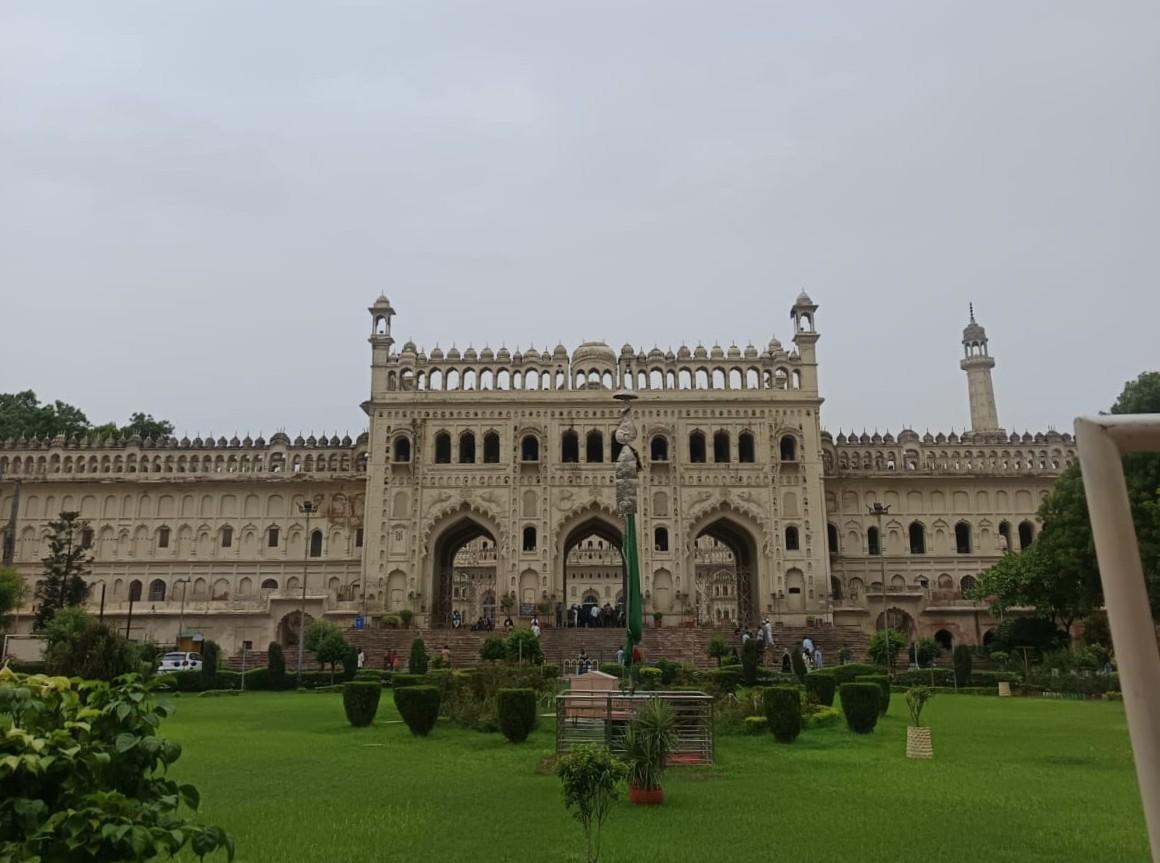 Bara Imambara
Through a familiarisation trip organised by Tornos India, T3 witnessed how the city is complementing its celebrated heritage with curated culinary trails, artisan interactions and rural experiences that have the potential to drive longer stays and attract higher-value travellers
For decades, Lucknow has been sold through its Nawabi heritage, chikankari and kebabs. Today, the city is attempting something a little more ambitious: transforming its cultural legacy into immersive experiences that encourage visitors to stay longer, spend more and engage deeper with the destination. This matters even more when the travellers today are increasingly seeking authentic local experiences and the destinations are gradually expanding beyond sightseeing into experiential tourism.
During a familiarisation trip organised by Tornos India in July, T3 explored how city’s new and emerging products are creating new opportunities for the travel trade while diversifying Uttar Pradesh's tourism offering beyond its established spiritual circuits.
Reimagining heritage
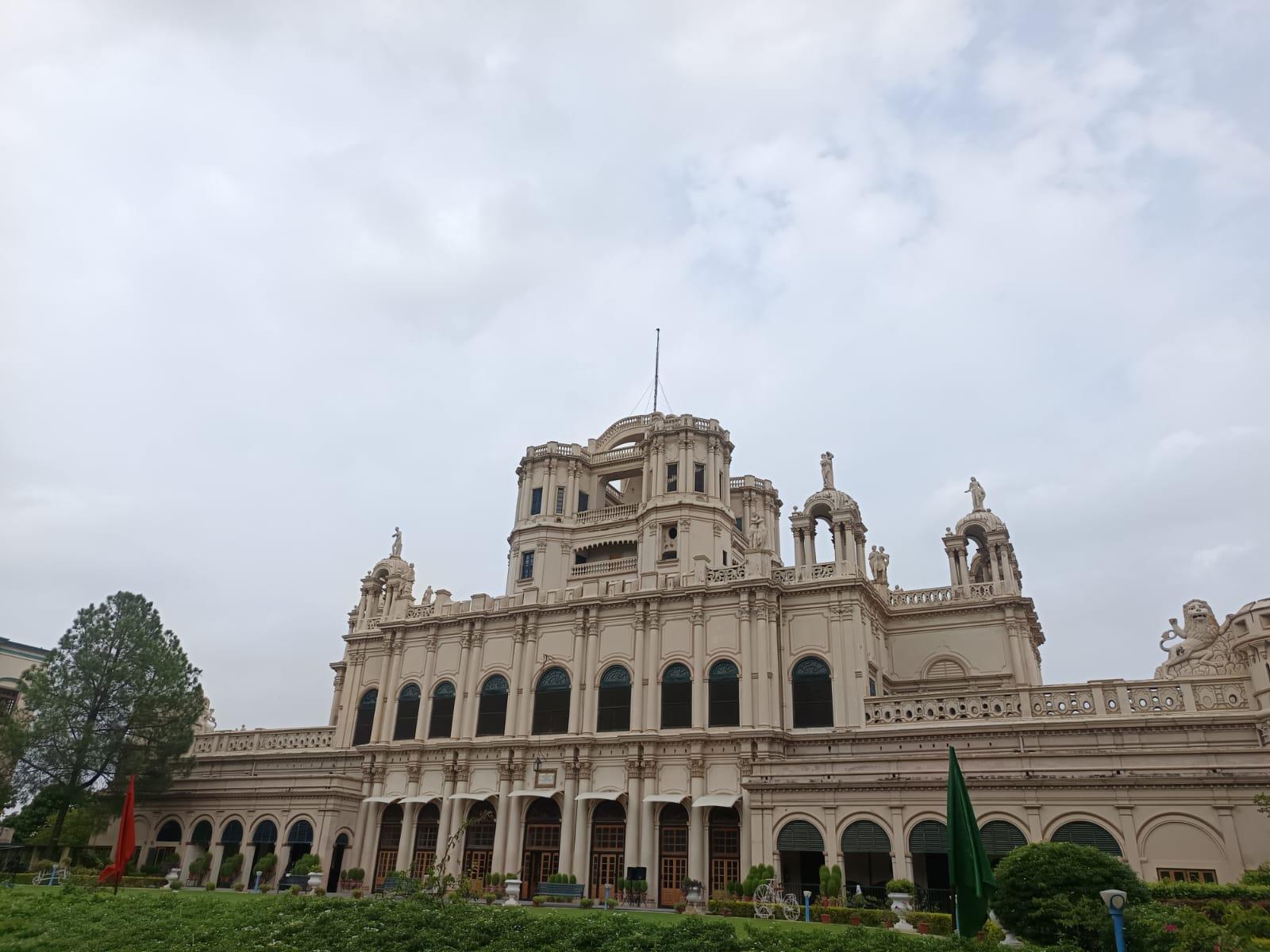
Heritage remains Lucknow's strongest tourism asset, but experiences are increasingly becoming the differentiator. Visits to La Martiniere, Kotwara House and Bara Imambara demonstrate how storytelling, royal lineage and artisan interactions can transform static monuments into immersive cultural experiences. La Martiniere is not just an educational institution but Indo-European architectural marvel. The colourful interiors and historical references of the campus underscore Lucknow’s rich design legacy.
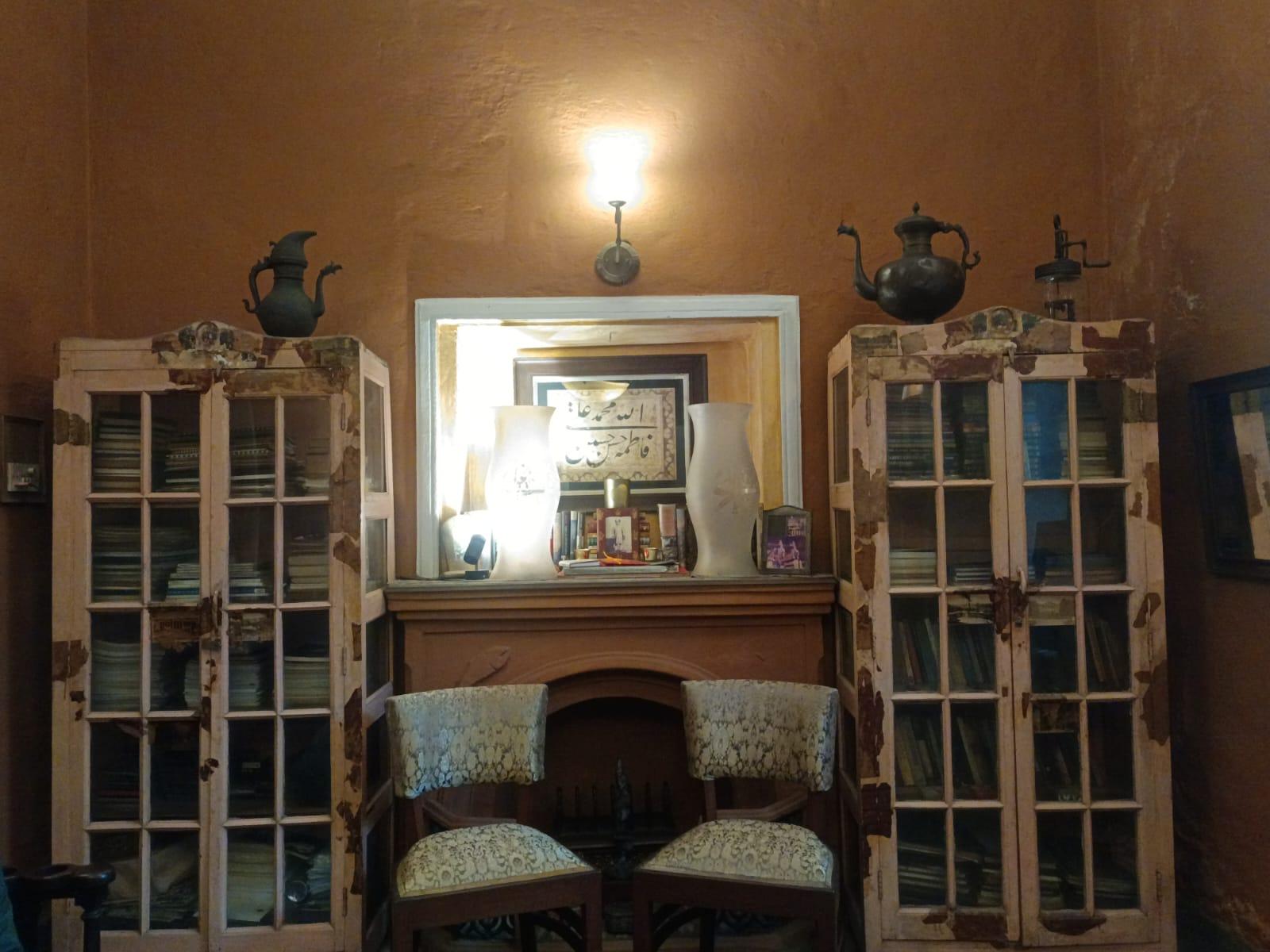
Our visit to the Kotwara House illustrated how living heritage can become a tourism product. Beyond showcasing the legacy of filmmaker Muzaffar Ali and designer Meera Ali, the residence offers visitors a rare opportunity to witness chikankari artisans at work, creating meaningful engagement with Lucknow's craft traditions rather than simply purchasing finished products. We attended a workshop too.
The afternoon centred on Asafi Imambara (Bara Imambara) where Nawab Masood Abdullah, a descendant of the royal family of Awadh, personally welcomed and guided the group for the quick tour of the complex. Guided by Nawab, the experience added a layer of authenticity and exclusivity, highlighting how thought provoking an expert-led heritage interpretation can be. Besides, the central hall here remains one of the world’s largest vaulted spaces without any support, an engineering achievement of its era. Above it lies the Bhool Bhulaiya, a famous dense maze and right outside of the monument is Rumi Darwaza (Turkish Gate).
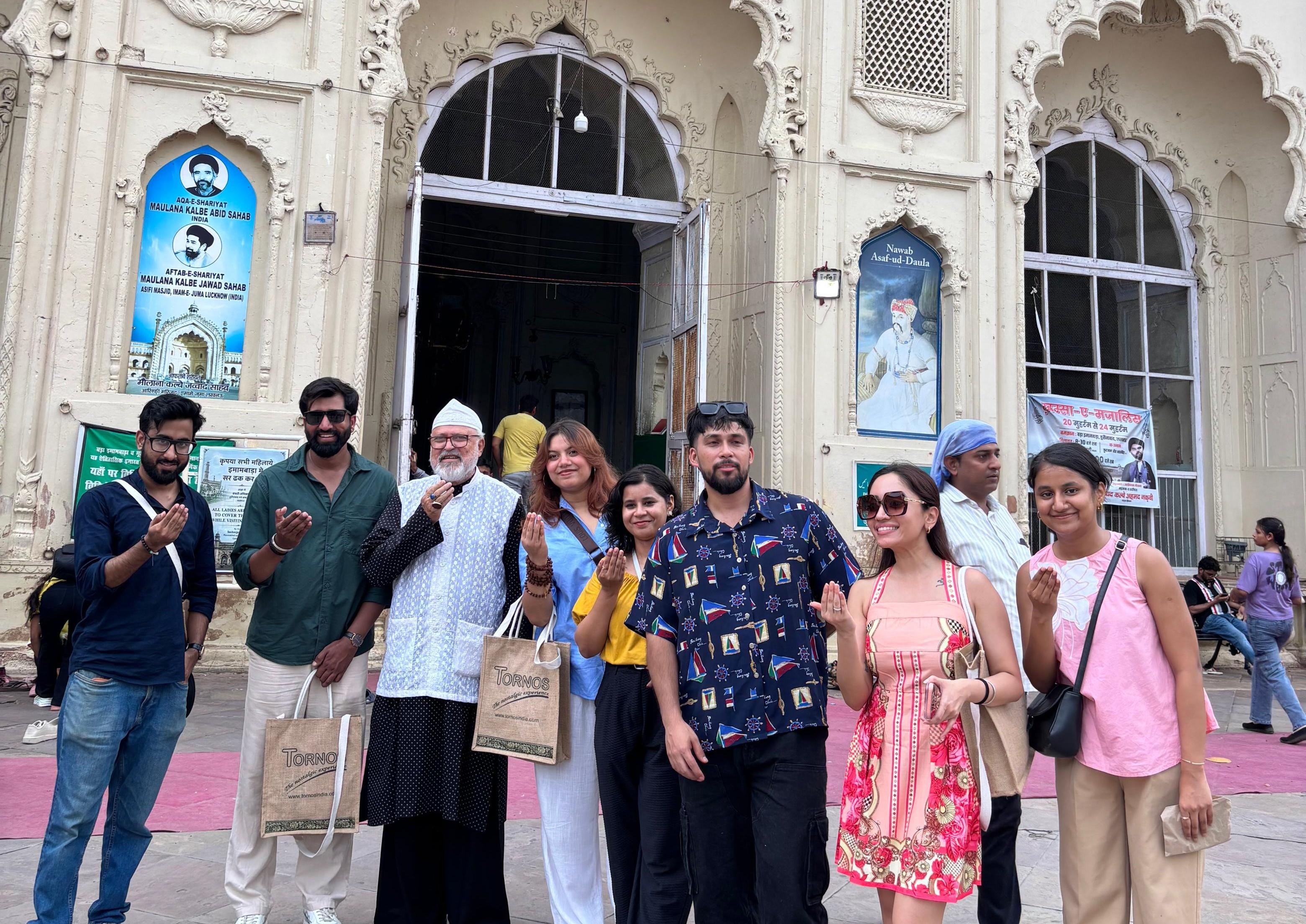
While Lucknow is not famous for its nightlife, the city lights up beautifully at night, making the vibrantly lit monuments incredibly special. We ended our day with curated food walk which reinforced Lucknow's potential as a gastronomy destination. Interestingly, the experience challenged the perception that the city caters primarily to non-vegetarian cuisine by highlighting a diverse vegetarian culinary trail, expanding its appeal across traveller segments.
‘Farm to Bottle’ experience
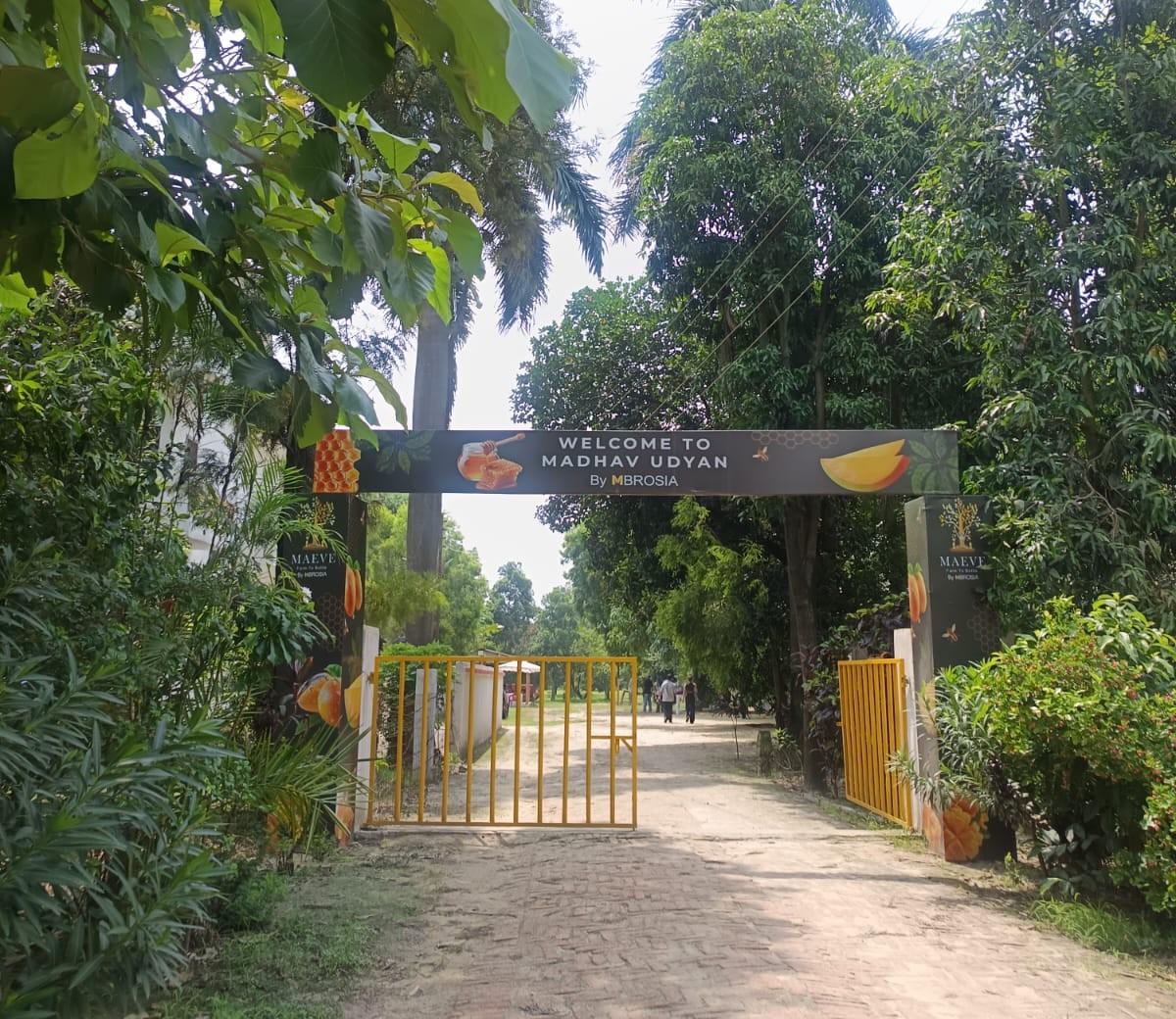
Experiences centred on food and beverages have become significant tourism drivers globally, and Lucknow's farm-integrated meadery introduces an entirely new product category for North India. The second morning shifted around 40 km outside the city to Madhav Udyan in the Malihabad mango belt. The estate, home to more than 400 varieties of mango, hosts Maeve Meadery - Uttar Pradesh’s first fully farm-integrated meadery. Here, fruits grown on the property, including mango, mulberry, banana, and mint, are combined with honey sourced from Katarnia Ghat.
Talking to T3, Madhavendra Deo Singh, horticulturalist at Madhav Udyan and Founder-Managing Director of Maeve Meadery, said, “The concept of ‘Farm to Bottle’ is not only supporting tourism but is also supporting the rural and the farmers of India by basically conceptualising and providing them jobs. We are using ingredients from the farms of Uttar Pradesh and infusing them with honey and making the world-class beverage known as mead.”
For the travel trade, these developments represent an opportunity to develop or package high-value itineraries while the concept seamlessly blends agriculture, rural tourism, craft beverages and experiential learning into a single visitor experience.
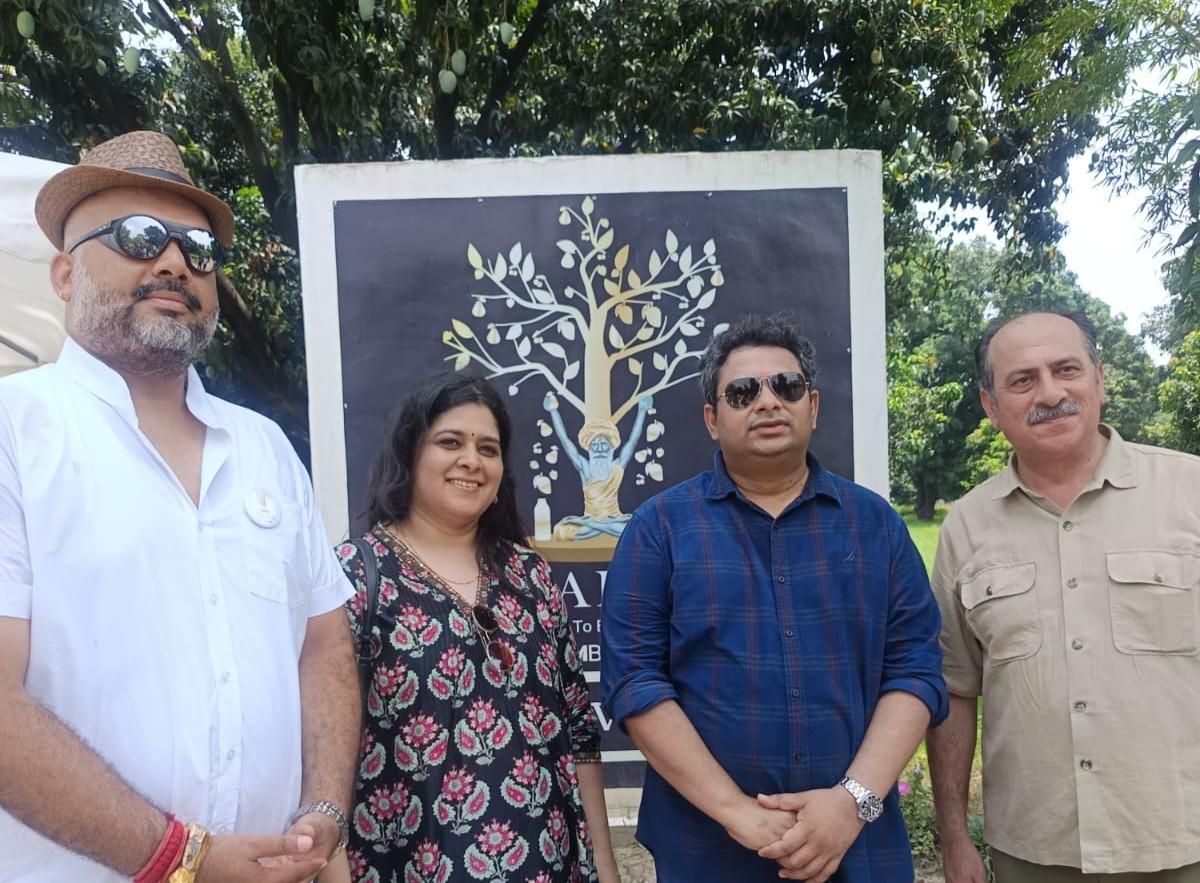
“Lucknow has always been known for its cuisine, but beverages were the missing link. Through our partnership with Mbrosia, we hope to create a distinctive offering that complements the city's culinary identity,” said the host and Founder-President of Tornos India, Prateek Hira.
Targeting high-spending tourists
Speaking on the sidelines, Hira also spoke of how the focus of Tornos now is on developing experiences that encourage visitors to spend more time and money in Lucknow rather than treating it as a stopover. He strongly believes products such as the farm-integrated meadery, curated gastronomy events and exclusive dining experiences can help position the city for premium travellers seeking authentic, immersive experiences.
Looking ahead, Tornos plans to build an experiential calendar around the meadery with curated food-pairing events, seasonal festivals and exclusive 'Moonshine Table' dinners under the open sky. Such initiatives, paired with heritage, gastronomy, rural and culinary immersion, if scaled successfully, could add a new dimension to Lucknow's tourism offerings while providing the travel trade with differentiated products for premium leisure travellers.