
Beyond bling, Dubai’s next act to be bigger, broader & more experiential
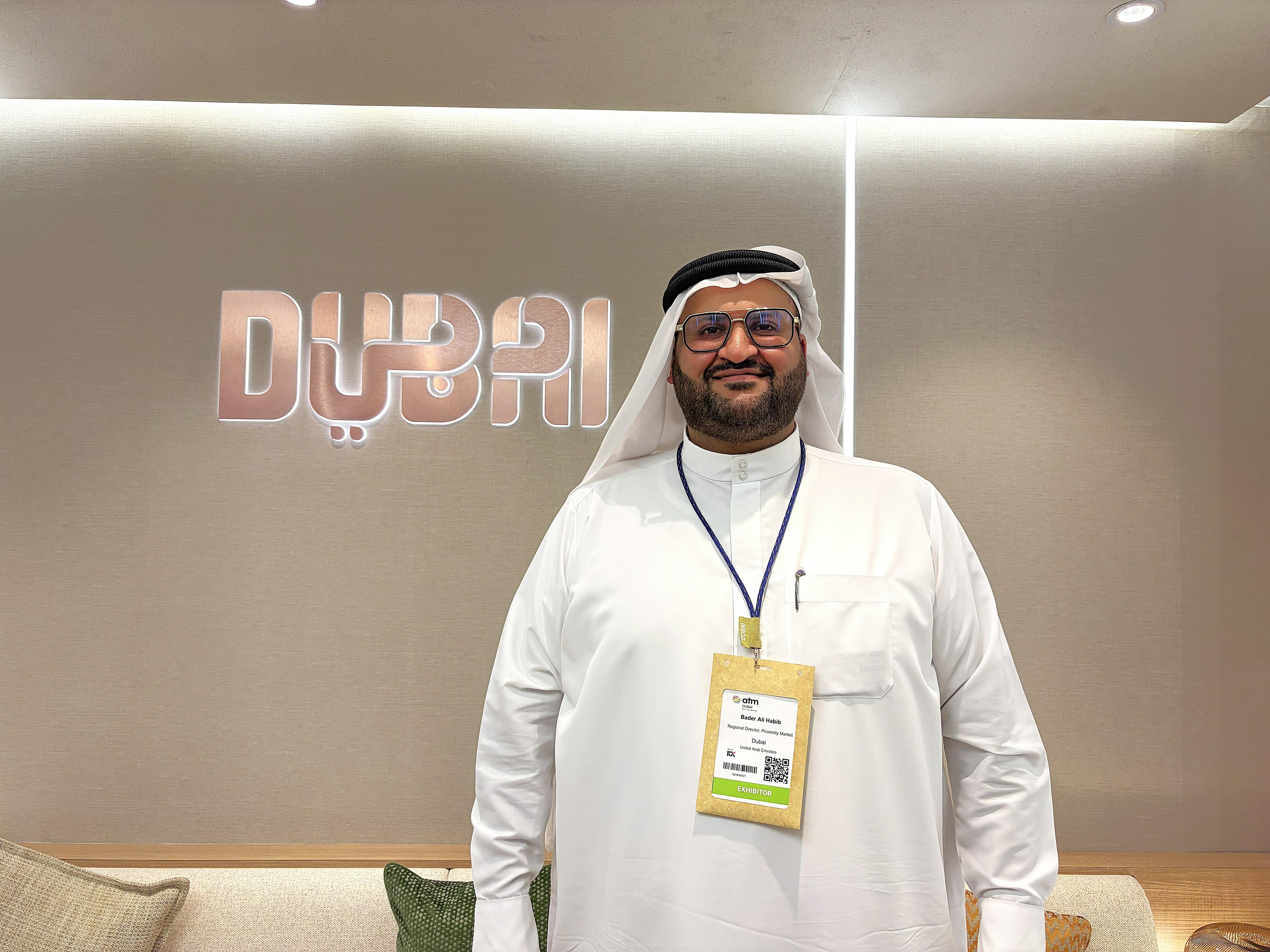 Bader Ali Habib, Regional Head of Proximity Markets, Dubai Department of Economy & Tourism
Dubai is rebuilding its tourism story block by block, after welcoming 6.97 million international overnight visitors in the first eight months of 2026. The destination is strengthening the foundations, using this next phase to broaden what the destination stands for, moving beyond its established strengths in luxury and iconic infrastructure towards wellness, sustainability, and much more.
“We have dreamt of things over the last decade, and we’ve been able to fulfil them. So, I think this is something that we now want to live by and we continue to make those promises and dreams,” shared Bader Ali Habib, Regional Head of Proximity Markets, Dubai Department of Economy and Tourism.
Growth backed by numbers
Dubai recorded 6.97 million international overnight international visitors between January and August 2026, with August alone contributing 869,000 visitors, its strongest month after February.
Western Europe remained the largest source region at 1.365 million visitors or 20% of total arrivals, followed by South Asia at 17% (1.143 million), GCC at 16% (1.134 million) and CIS & Eastern Europe at 14% (962,000). MENA contributed 10% (703,000), NE & SE Asia 9% (639,000), the Americas 7% (513,000), Africa 5% (370,000) and Australasia 2% (139,000).
South Asia remains particularly significant, with India accounting for the lion’s share of the region. “South Asia and India play a very crucial role and we will continue to work closely with the travel trade to ensure that more and more Indians start visiting Dubai in the coming seasons as well,” Habib expressed.
The accommodation base is expanding alongside demand. Dubai had 794 hotel establishments and 148,796 available rooms as of August 2026, with 21.6 million occupied room nights recorded year-to-date. Interestingly, five-star hotels represent the largest category, with 162 establishments and 51,846 rooms, followed by 194 four-star hotels with 43,464 rooms.
“One interesting fact about our numbers is that our five-star hotel happens to be the largest. Usually, destinations are the opposite and we purely work on supply and demand,” Habib shared, pointing to Dubai’s luxury positioning and the demand supporting its continued hotel expansion.
Beyond the shopping-mall image
Dubai is also seeking to change the way the destination is experienced. With more than 150 attractions, its proposition is increasingly centred on allowing visitors to combine multiple experiences within a short stay. The strategy also seeks to move Dubai beyond its long-standing perception as a destination of shopping malls and visually striking infrastructure.
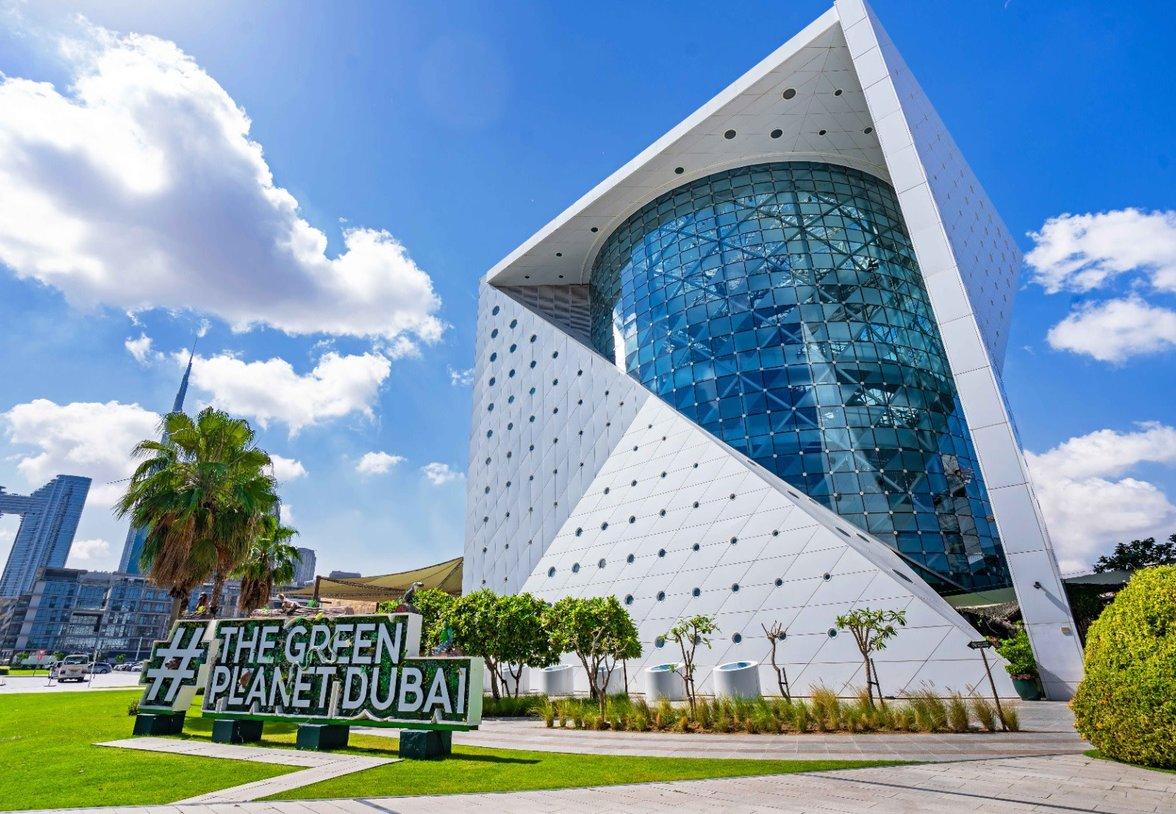
“We are proud to see that Indians today just don’t do one, they want to do multiple things and they can do all of it within the shortest period of time,” shared Habib. The seasonal proposition ranges from indoor attractions such as Green Planet, AYA Universe and IMG Worlds of Adventure in summer to Hatta during the cooler months.
Dubai’s objective is to offer something across multiple Indian traveller profiles, while ensuring that families can maximise the value of their time in the destination. Habib shared that the destination’s proposition is that wherever visitors stay, they can find around 15 attractions within a 10-kilometre radius.
“The notion is that Dubai is built a lot on shopping malls and I don’t think that’s true today. We have our own vision that really realises way beyond shopping malls and infrastructure that looks fancy. So, we’re going beyond the fancy tag and there’s more substance coming in as well.”
Connectivity remains the enabler
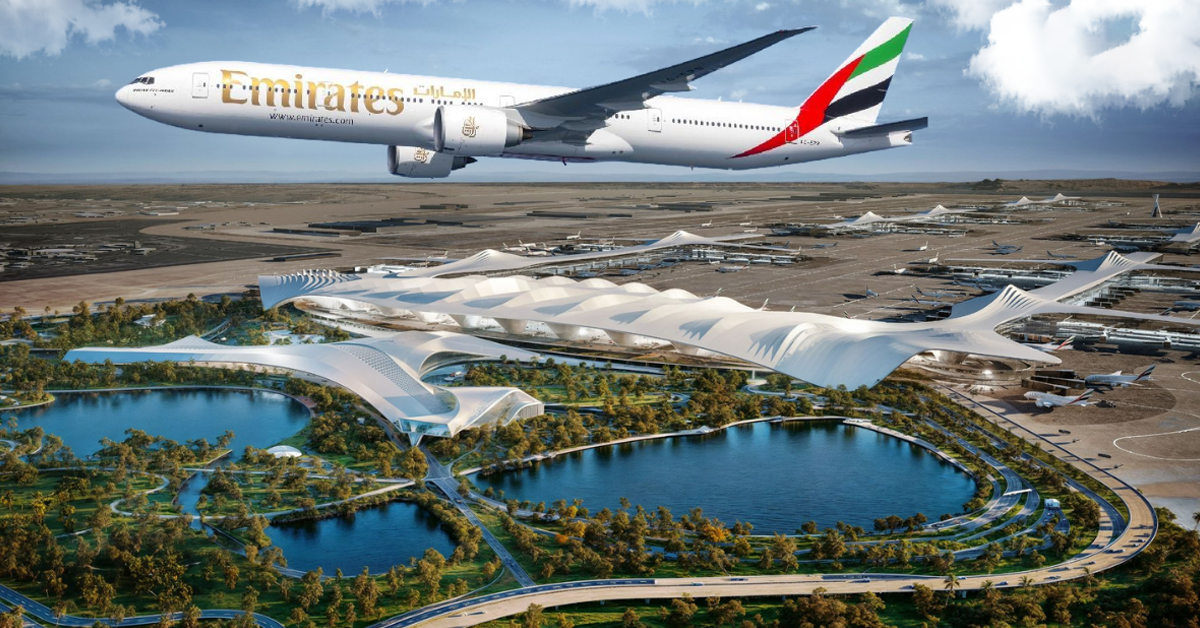
Aviation remains central to Dubai’s tourism success. Dubai International Airport handled around 95 million passengers last year, including almost 12 million Indians who either visited, arrived or transited through the airport. “It is a massive number,” Habib said.
The next major step will be the new Al Maktoum International Airport, with the first phase expected to open in 2032 with capacity for 150 million passengers. Further phases are planned thereafter.
Strong coordination has also enabled the UAE Government to respond effectively and support optimum connectivity. Habib added, “Emirates is currently operating at 97% of its capacity, serving 138 destinations across 72 countries with more than 1,600 weekly flights,” with Habib expecting this to return to 100%.
Connectivity within the city is being developed in parallel. Dubai’s metro network is expected to grow by around 80% by 2032, creating an opportunity for the travel trade to build more metro-led itineraries.
Hatta Master Plan taking shape
Hatta Master Development Plan is also being repositioned as a broader destination. Around an hour and a half from Dubai, it is being developed beyond its traditional trekking and hiking proposition. “It’s going to be a town. A destination.” With natural lakes, a Hatta master plan, planned cable cars and new F&B offerings, the objective is to create different ways for visitors to experience the area.
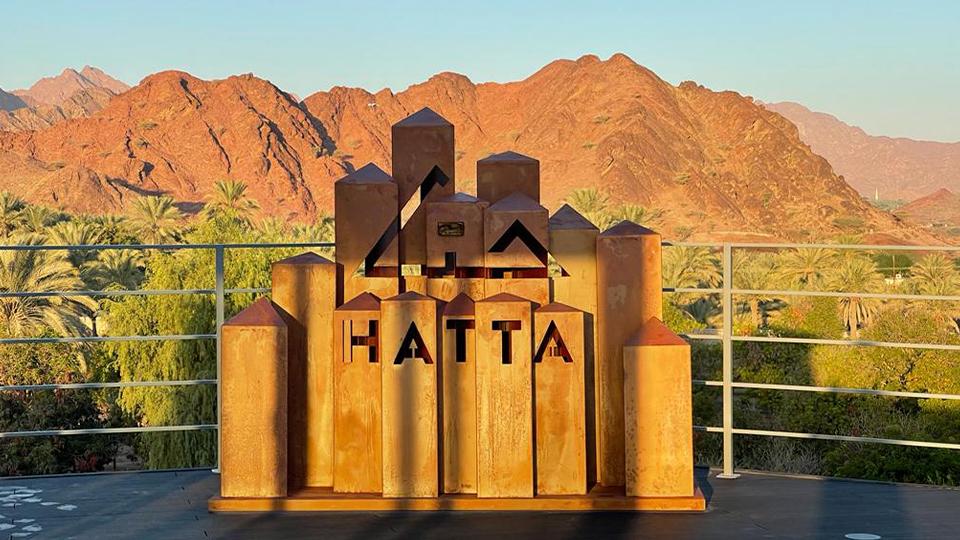
Habib expressed, “The commitment is that we don't stop. We continue to move forward. We find agility.”
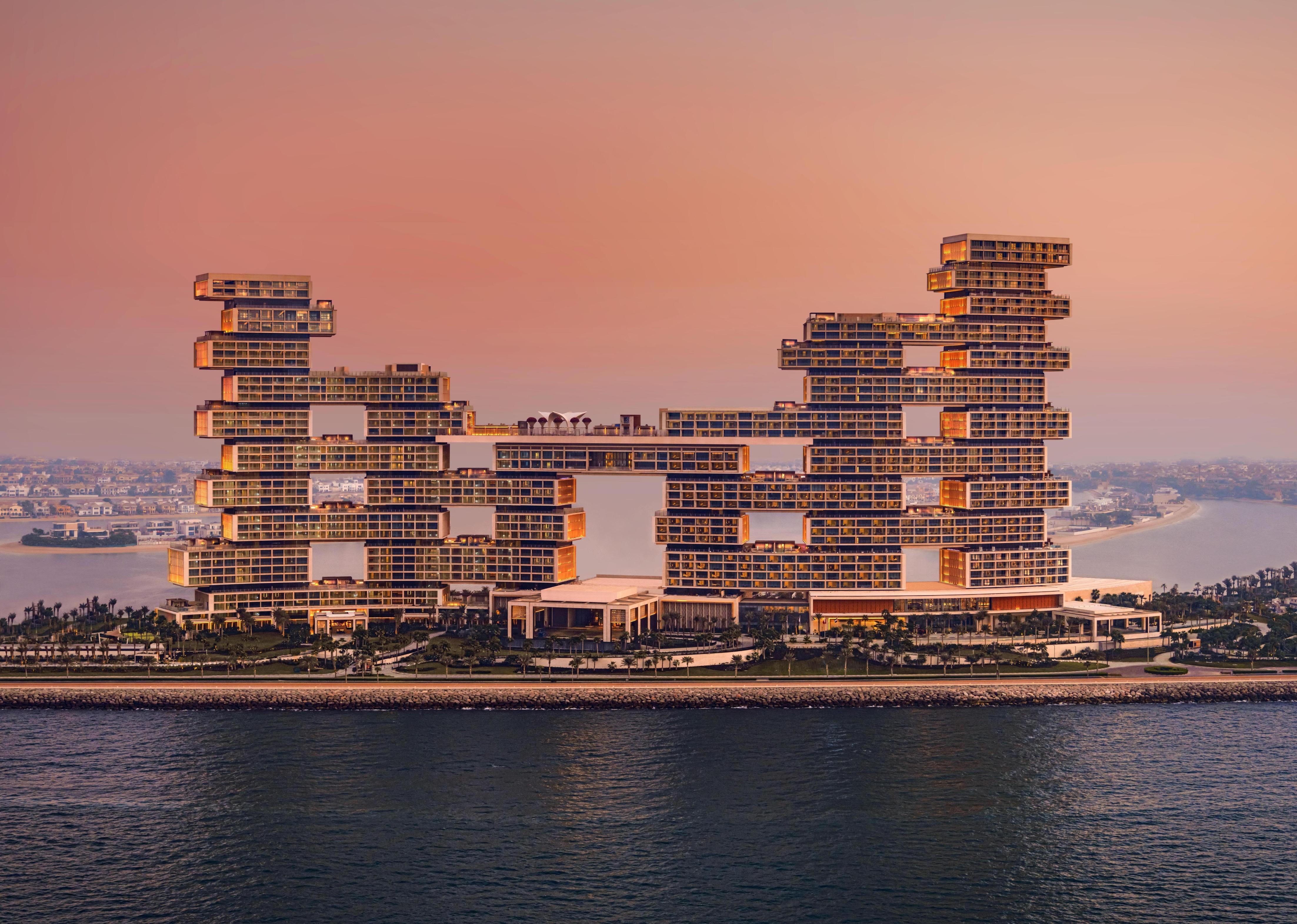
Dubai has also been placed fifth among the world’s best city brands, while three Dubai hotels: Atlantis The Royal, Jumeirah Marsa Al Arab and The Lana, Dorchester Collection, featured among the world’s top 50 hotels. The new Palm Jebel Ali and other developments are also part of the pipeline supporting Dubai’s long-term ambitions under Economic Agenda D33.
Digital capabilities; Dubai Invite scheme
Technology is another part of the visitor proposition. Dubai is expanding AI and digital enablement to make travel more seamless, including systems that allow eligible passengers to move through airport processes with minimal intervention.
“That's a big win because one of the challenges I sometimes face while travelling to different parts of the world is going through immigration and security. With Dubai, you're out within 15 minutes,” Habib noted, describing faster immigration and airport processing as an under-communicated USP. The objective is for travellers to reach their hotel, meeting or destination within roughly an hour of landing.
The Dubai Invite scheme is another initiative aimed at driving visitation through the city’s resident community. Residents can invite friends and family and access benefits worth up to INR 83,000, including attraction visits, F&B discounts and hotel benefits. Indians are expected to form a significant cohort, given that they represent the UAE’s largest expatriate population.
Inclusion, sustainability & wellness
The wider proposition is being shaped around inclusion and sustainability. Dubai has positioned itself as the first destination in the Eastern Hemisphere to recognise how to cater to autism-related travellers and, according to Habib, 70,000+ people trained in autism & sensory awareness.
The destination has also built a strong digital nomad proposition through its work from anywhere visa (Virtual Working Programme), launched in 2020. Habib shared many of the digital nomads who came to Dubai subsequently established businesses and are now thriving in the city.
Sustainability & wellness are also two important pillars. The Dubai Sustainable Tourism Stamp has already been awarded to 237 hotels, while the Quality-of-Life Strategy 2033 and Dubai 2040 Urban Plan 2040 aims to support a better quality of life.
“Dubai’s focus on wellness is not just limited to spas but in longevity. Dubai Longevity Authority aims to position Dubai as a global hub for longevity and wellness. We have strategies around that,” Habib said.
D33 and the luxury opportunity
Behind these developments is Dubai Economic Agenda D33, which Habib described as the destination’s “North Star”. “Everything we work, is we look towards that,” he added.
The forward-looking agenda is intended to reinforce Dubai’s position as a global leader for business and leisure and as a city to visit, live and work in. The “Dubai-it” philosophy is similarly inspired by the city’s development journey and its track record of turning bold ideas into reality, ambitions into achievements and visions into visible results.
The luxury segment remains central to the next phase, particularly in India. Habib described luxury as an important driver of aspiration across the wider market and divides the opportunity into aspirational, entry-level luxury and ultra-luxury.
“Luxury is a segment that we’re going to continue building in India. I think it’s extremely important because luxury is what I believe dictates the rest of the market.”
The top end, he believes, still offers room to unlock further demand, with several services and offerings yet to achieve wider visibility. “We’re confident that we have something for everybody, but that cohort right on top, I feel like there’s more that we can do to unlock because we have a lot of services and offerings that are still not fully out there.”