

Analysing how digital agenda & AI are redesigning tourism on World Tourism Day 2026
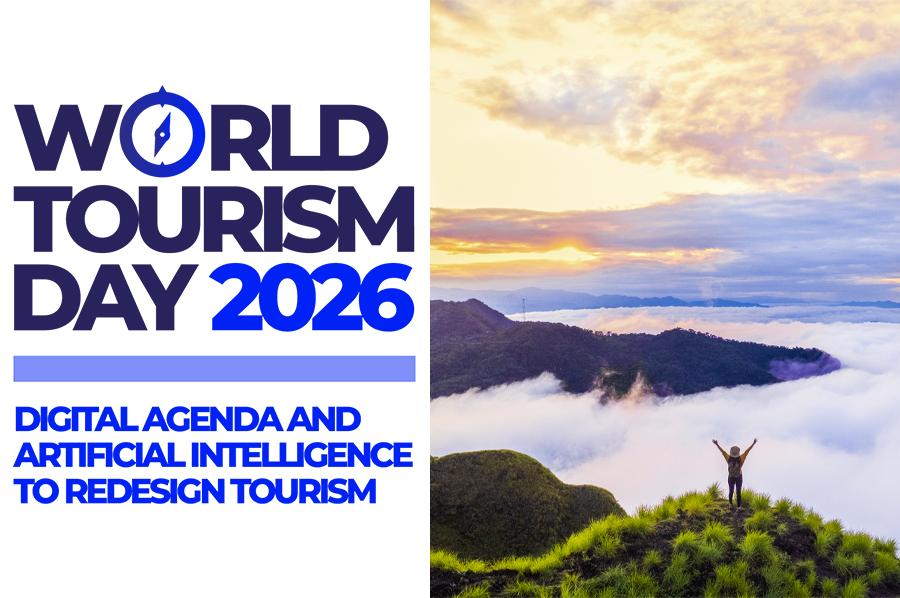 World Tourism Day 2026
As the world celebrates World Tourism Day on September 27, this year’s theme, ‘Digital Agenda and Artificial Intelligence to Redesign Tourism’, puts the spotlight on the sector’s accelerating digital transformation. From AI-powered trip planning and personalised itineraries to smart destination management and digital visitor services, technology is visibly reshaping how destinations operate and travellers experience the world.
According to Shaikha Al Nuwais, Secretary-General of UN Tourism, AI is rapidly shaping how we travel, how we work and how we connect. Well managed AI can help in making this sector more efficient and resilient, Nuwais believes. But she also acknowledged the risks if the changes are left unaddressed, as these changes risk widening the gap between those shaping the new digital rules and those simply expected to follow them. And yet, too often, the technology behind tourism does not work together; bookings, payments and data remain disconnected.
India is also strengthening its digital tourism ecosystem through e-Visa, the Incredible India Digital Platform and NIDHI+, with AI enabling more personalised and seamless travel experiences. Alongside digital innovation, initiatives such as Swadesh Darshan 2.0, PRASHAD, cruise tourism and tourism skill development are expanding destinations, improving visitor experiences and creating livelihood opportunities. India's World Tourism Day 2026 celebrations highlight the country's efforts to build a more connected, inclusive and sustainable tourism sector.
On this occasion, T3 brings together the perspectives of leading voices from the tourism industry to mark World Tourism Day 2026.
Rajesh Arya, President, Global Association of Events and Hospitality Professionals (GAEHP)
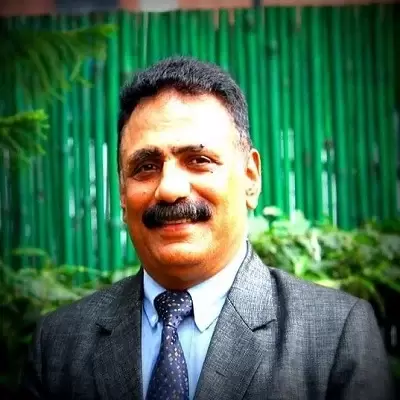
“As AI moves from experimentation to adoption, it has the potential to transform India’s tourism landscape by making travel more personalised, seamless and data-driven. AI can help travellers discover destinations based on their interests, create customised itineraries, provide multilingual assistance, improve customer service and enable real-time travel support.
For the tourism industry, AI can help travel agents, hotels, airlines, destinations and DMCs understand traveller behaviour, forecast demand, optimise operations and create more targeted marketing. It can also help promote lesser-known destinations, distribute tourist flows more effectively and support sustainable destination management.
However, technology alone will not be enough. India needs strong digital infrastructure, reliable tourismdata, responsible AI frameworks and, most importantly, widespread digital and AI skills across the tourism workforce. The future of Indian tourism will not be about technology replacing hospitality; it will be about technology making Indian hospitality more intelligent, personalised and globally accessible.”
Runeep Sangha, Executive Director, PATA
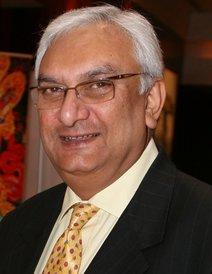
"AI will make Indian tourism more personalised, seamless and data-driven, transforming everything from how travellers discover and plan India to how they experience destinations. It can enable smarter destination marketing, personalised itineraries, multilingual assistance, real-time recommendations and better visitor-flow management. But AI should augment, not replace, the human side of Indian hospitality—our culture, warmth and diversity.
To leverage it effectively, we need to embrace this new technology and move away from our comfort zone of anchored relationships for business growth. Updated information on experiences is available at the mere click of a button. The traveller accesses multiple choice from the Internet and quickly decides what he wants to enjoy during a well deserved holiday.
India needs better tourism data, stronger digital infrastructure, AI skills across the ecosystem, responsible frameworks for privacy and accuracy, and deeper collaboration between government, industry and technology companies. If we get this right, AI can help India connect the right traveller with the right experience at scale, while making tourism more inclusive, efficient and globally competitive."
Rajiv Mehra, General Secretary, FAITH & Immediate Past President- IATO
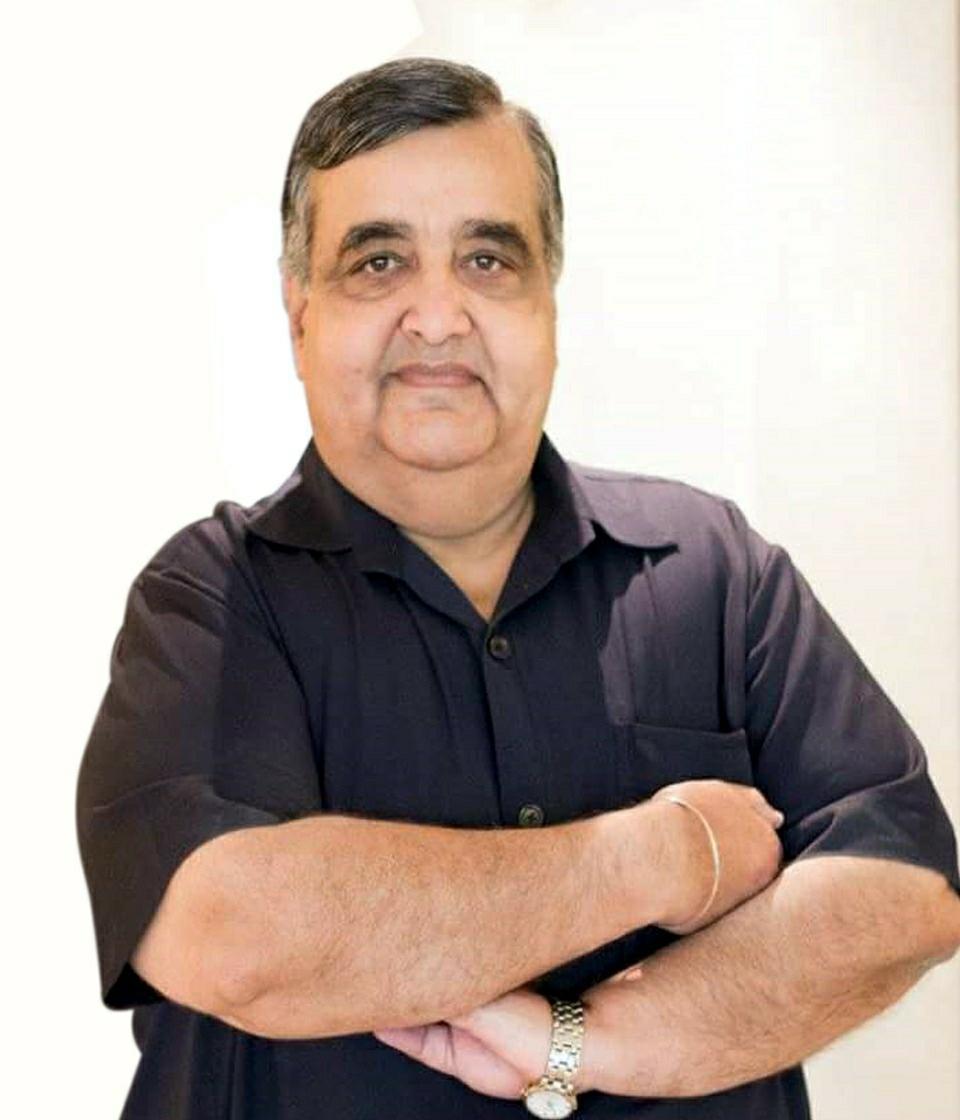
"Artificial Intelligence is set to transform India’s tourism landscape by making travel more personalised, seamless, efficient and experience-driven. AI-powered platforms can help travellers discover destinations, plan itineraries, obtain real-time information, translate languages and receive personalised recommendations. For tourism businesses, AI can improve demand forecasting, dynamic pricing, customer service, marketing, revenue management and operational efficiency. At destinations, AI can support crowd management, carrying-capacity monitoring, traffic management, sustainability and better allocation of tourism resources.
To leverage these technologies effectively, India needs a coordinated approach involving government, tourism boards, technology companies and the travel trade. Strong digital infrastructure, interoperable data systems, cybersecurity and responsible data governance will be essential. Equally important is building AI capabilities within tourism organisations and providing training and reskilling opportunities for industry professionals.
India should use AI not merely to automate existing processes but to create smarter destinations and richer visitor experiences. Combining India’s diverse cultural, spiritual, wellness, heritage, culinary and natural attractions with technology can enable more targeted global marketing and deeper engagement with international travellers. The objective should be a technology-enabled tourism ecosystem that remains human-centric, inclusive and sustainable. With the right investments and partnerships, AI can significantly strengthen India’s competitiveness and reinforce its position as a leading global tourism destination."
Ravi Gosain, President, IATO
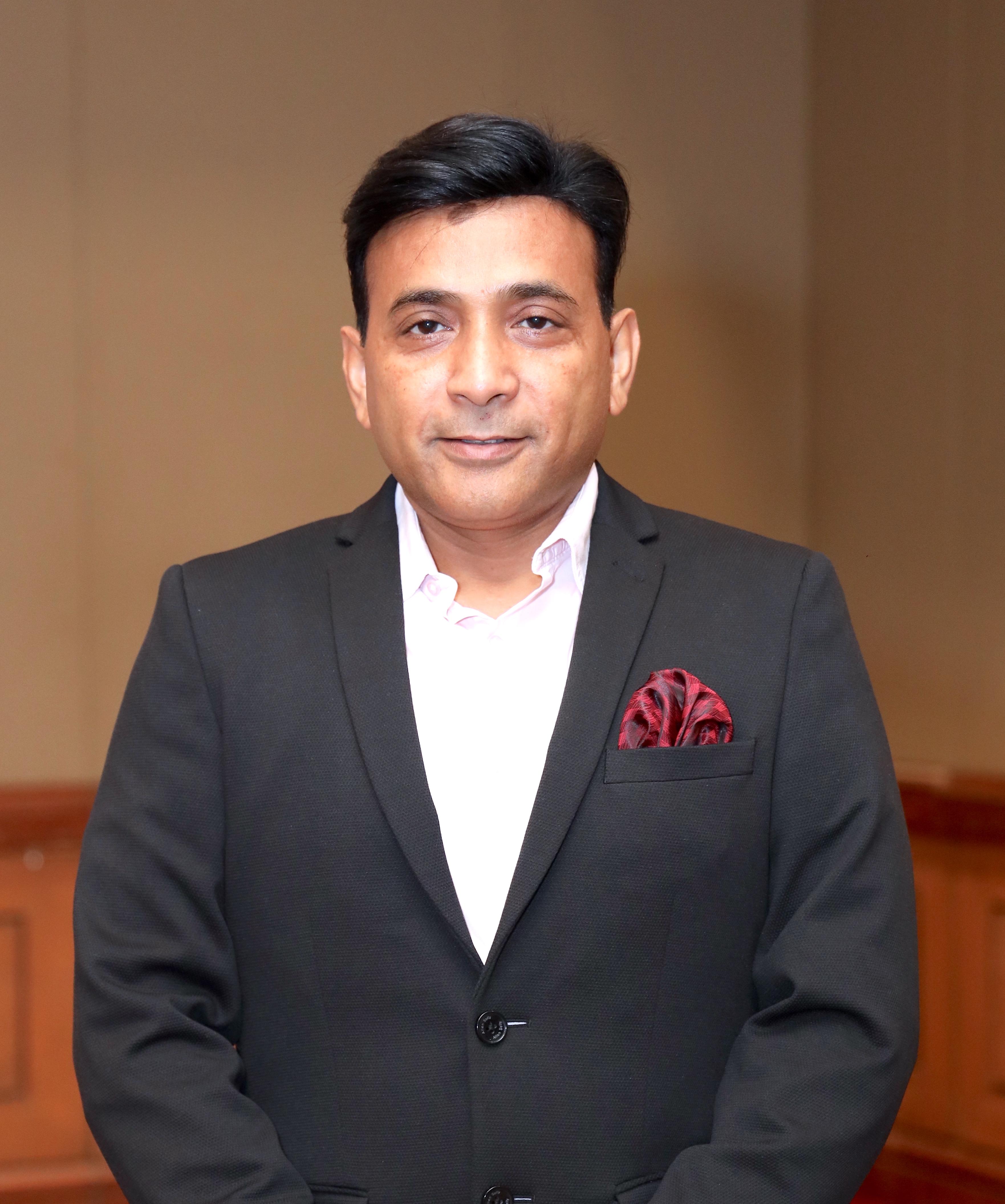
"AI will move tourism from mass marketing towards intelligent, personalised and seamless travel experiences. For India, it can help analyse traveller behaviour, target high-potential source markets, create multilingual content, design customised itineraries, forecast demand and assist visitors throughout their journey. Importantly, it can also give tourism MSMEs and tour operators access to capabilities that were earlier available only to large companies.
However, technology alone will not deliver results. India needs reliable and integrated tourism data, stronger digital connectivity at destinations, simplified digital visa processes, industry-wide skilling and clear safeguards for data privacy and cybersecurity. Government, industry, technology companies and academic institutions must work together.
AI should enhance not replace - the knowledge, judgement and warmth of tourism professionals. With responsible adoption and sustained digital international promotion, India can make its diverse tourism experiences more discoverable, bookable and globally competitive."
Jyoti Mayal, Chairperson, THSC

"As Chairperson of the Tourism & Hospitality Skill Council (THSC) and Past President of TAAI, I see AI not merely as a tech upgrade, but as a strategic force multiplier for India’s travel ecosystem. It is shifting us from reactive servicing to predictive, hyper-personalized engagement—enabling global travelers to experience India through real-time, multilingual, and culturally intuitive journeys. Operationally, predictive AI will help balance visitor loads at high-density heritage sites while showcasing unexplored, niche destinations across tier-2 and tier-3 regions.
To truly lead this global transformation, India must focus on three core pillars: Future-Proof Skilling: At THSC, our priority is preparing our workforce. We must bridge the digital gap by equipping youth, local guides, homestays, and MSMEs with accessible AI tools and digital literacy. Unified Digital Infrastructure: Establish seamless data interoperability across transport, hospitality, and civic nodes so AI can deliver unified, real-time traveler support. Human-Centric Authenticity: Ensure AI handles efficiency while our workforce delivers the warmth, empathy, and rich cultural storytelling that define Indian hospitality."
Jagdeep Bhagat, President, TIA
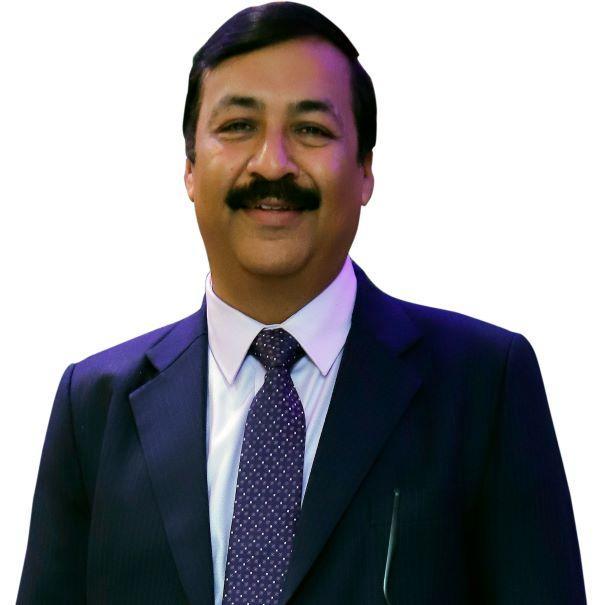
"Artificial Intelligence is poised to transform India’s tourism landscape from a speculative experiment into a core operational strategy. Over the next few years, AI adoption will shift from customer-facing interfaces to deep operational integration, fundamentally restructuring operational expenditure (OpEx) and revenue optimisation across the travel and hospitality value chain.
AI-driven predictive analytics will redefine demand forecasting, allowing airlines and hospitality providers to implement dynamic pricing strategies and optimize asset utilization. In customer experience, generative AI platforms will deliver frictionless, multi-lingual, and hyper-personalized itineraries, seamlessly unlocking India's diverse regional destinations for global travelers. Furthermore, AI-powered smart destination management will mitigate over-tourism at high-traffic heritage sites, preserving infrastructure and ensuring long-term environmental sustainability.
We are encouraging our members and other industry stakeholders for Upskilling the existing workforce and systematically integrating AI into their working models. This only can help them drive sustainable economic growth and capture market share in the highly competitive global travel market. From Governance framework perspective, as the industry we expect a robust cloud infrastructure and high-speed connectivity across tier-2 and tier-3 tourism clusters. A clear data governance and privacy policy to secure international traveler data will help in building cross-border trust."
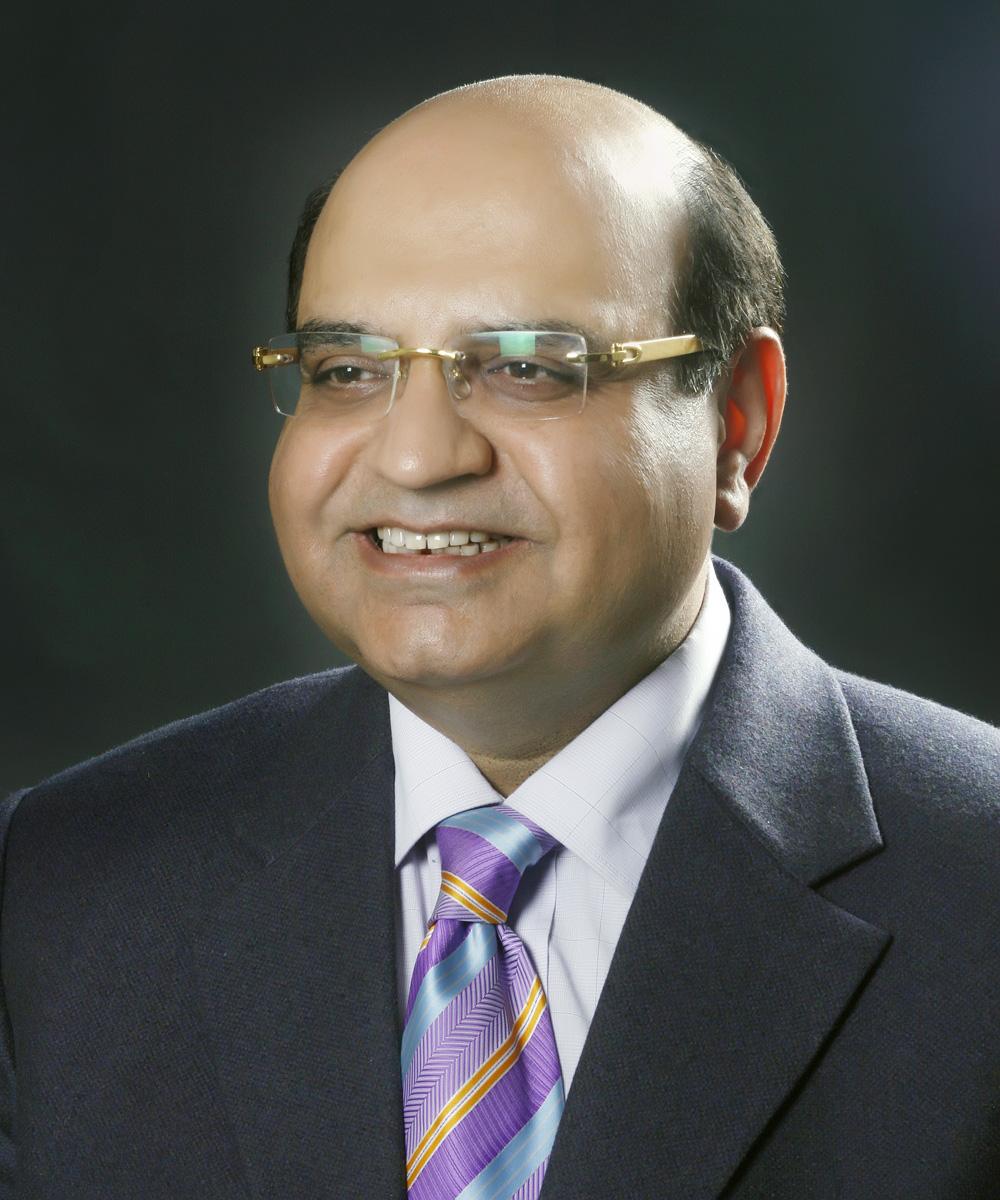
Anil Kalsi, Vice President, TAFI
"The face recognition and biometric airport entry and immigration systems are easing passenger wait time considerably. This is a very welcome sign and enables more passenger handling in lesser time.
The Indian e visa system 2.0 is underway and expected to role out before the year end. The new tech will
make the e-visa process faster and simpler. This will enable tourists better and easier e-visa enabling more arrivals into India. Tech enabled ease of access to India will definitely increase tourist arrivals that is much required."
Vikas Pansare (IAS), Director, Directorate of Tourism, Government of Maharashtra

"In line with this vision, the Maharashtra Tourism Department is working to leverage digital technology and artificial intelligence to provide tourists with a more seamless, safer, and personalised travel experience. The Department is undertaking several initiatives in this direction, including a digital dashboard, smart ticketing, the ‘MahaAtithi’ portal, a mobile app, the AI-powered ‘Mahamuni’ chatbot, smart parking, and digital capacity-building programmes.
On the occasion of World Tourism Day 2026, Maharashtra is harnessing digital technology and artificial intelligence to connect its rich heritage, culture, nature, spirituality, adventure, and local experiences with modern tourism systems. Through the combined strength of technology and human participation, the state is moving towards a more seamless, safer, inclusive, and enriching tourism experience."
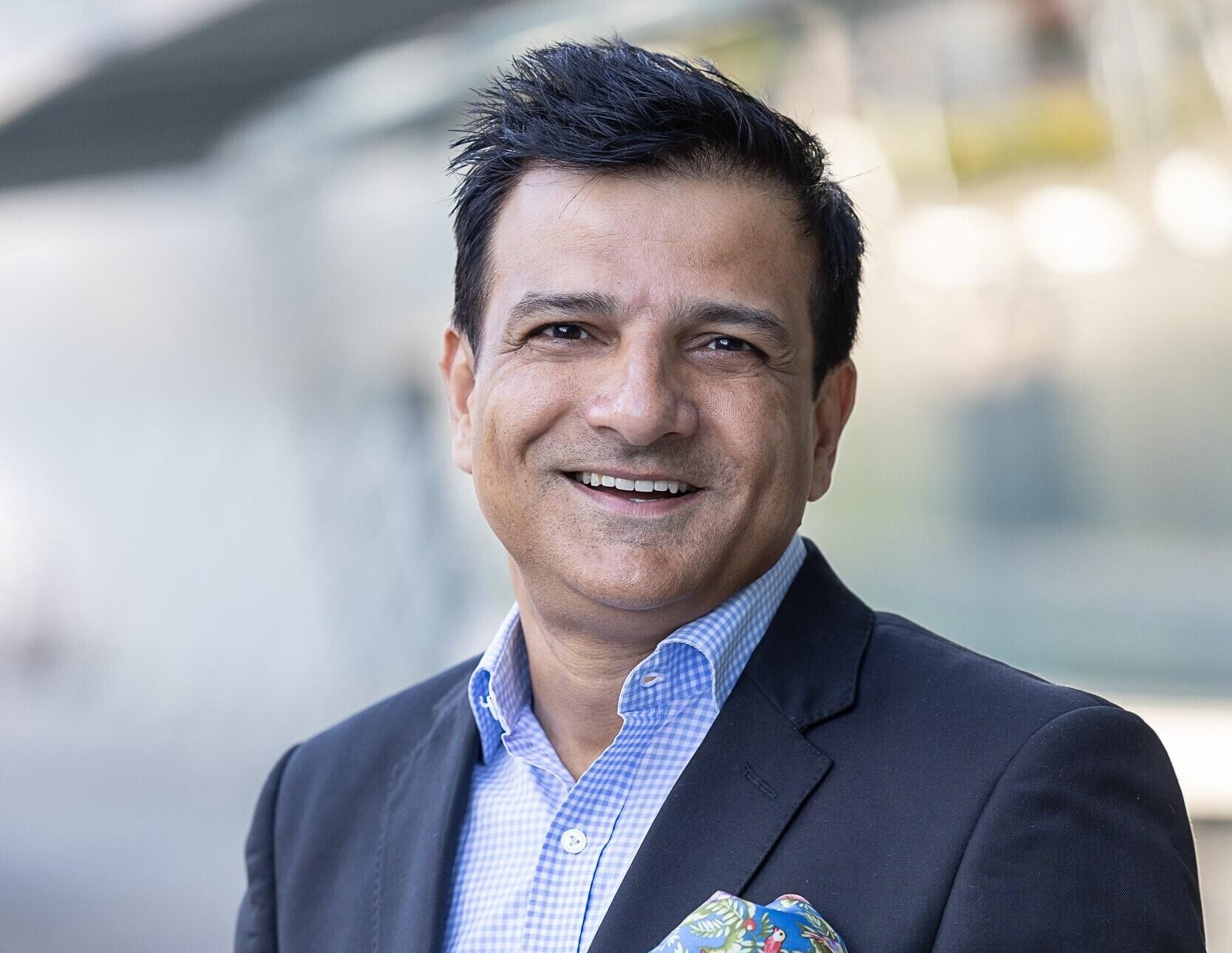
Nishant Kashikar, Country Manager, India & Gulf, Tourism Australia
"Indian travellers are moving beyond landmark hopping and are seeking out authentic, deeply personal experiences. Australia answers that shift in demand with its breathtaking nature, unique wildlife, and rich First Nations cultural tourism offering.
This World Tourism Day, we remain committed to delivering unforgettable journeys and creating memories for travellers that will last a lifetime, while driving sustainable growth that supports local communities."
Samir MC, CEO, Tamara Leisure Experiences (TLE)
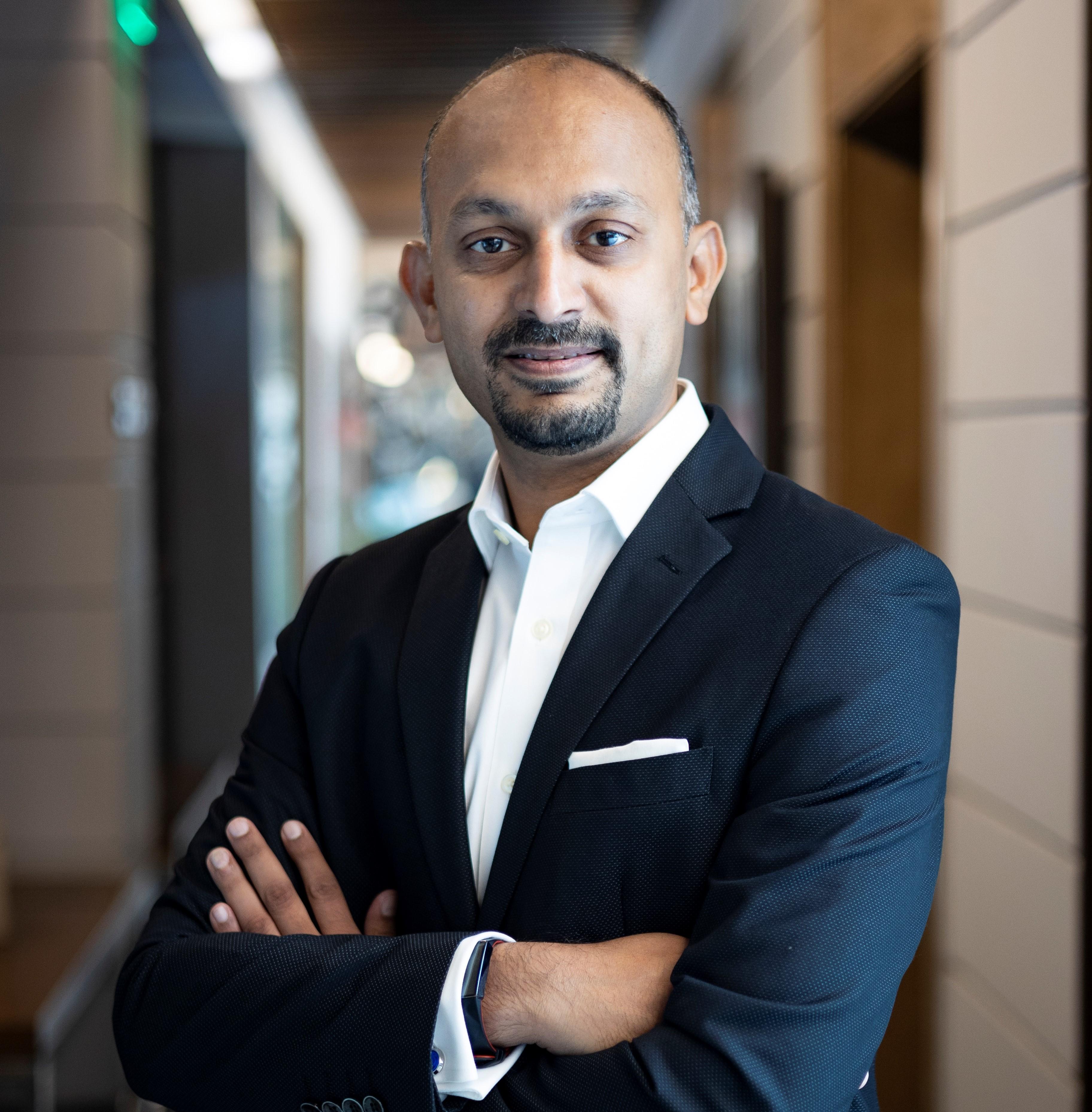
"India is entering a phase of tourism where depth of experience defines a journey's worth. This tourism story is being rewritten by two distinct but converging currents, quiet luxury and spiritual travel. Our luxury travel market is projected to grow at a CAGR of 10.8% by 2033, while faith-based travel is set to nearly triple to USD 46.8 billion by 2036. What ties them together is a shared appetite for meaning over spectacle.
Today's traveller, whether checking into a secluded retreat or walking a pilgrimage circuit, wants immersion, not itineraries. The luxury guest is choosing discretion over display, seeking stillness and a stronger sense of place rather than experiences built to be seen. Faith led journeys are seeing a similar shift, with travellers seeking curated, unhurried access to sacred spaces rather than crowded circuits.
This deepening pursuit of immersion needs infrastructure that can keep pace with it, and that is where technology is stepping in, differently for each stream. In quiet luxury, AI anticipates a guest's preferences before arrival, from room ambience to dietary choices, making service feel intuitive rather than scripted. In spiritual travel, digital darshan booking and AI led queue management are turning long waits into calmer, more dignified pilgrimages. Across both, personalisation is the constant, with itinerary design and on ground service adapting to traveller intent in real time. At TLE, we see the real opportunity in understanding a guest so well that we can meet them again across any journey they take with us, whether it is luxury, business, religious or budget."
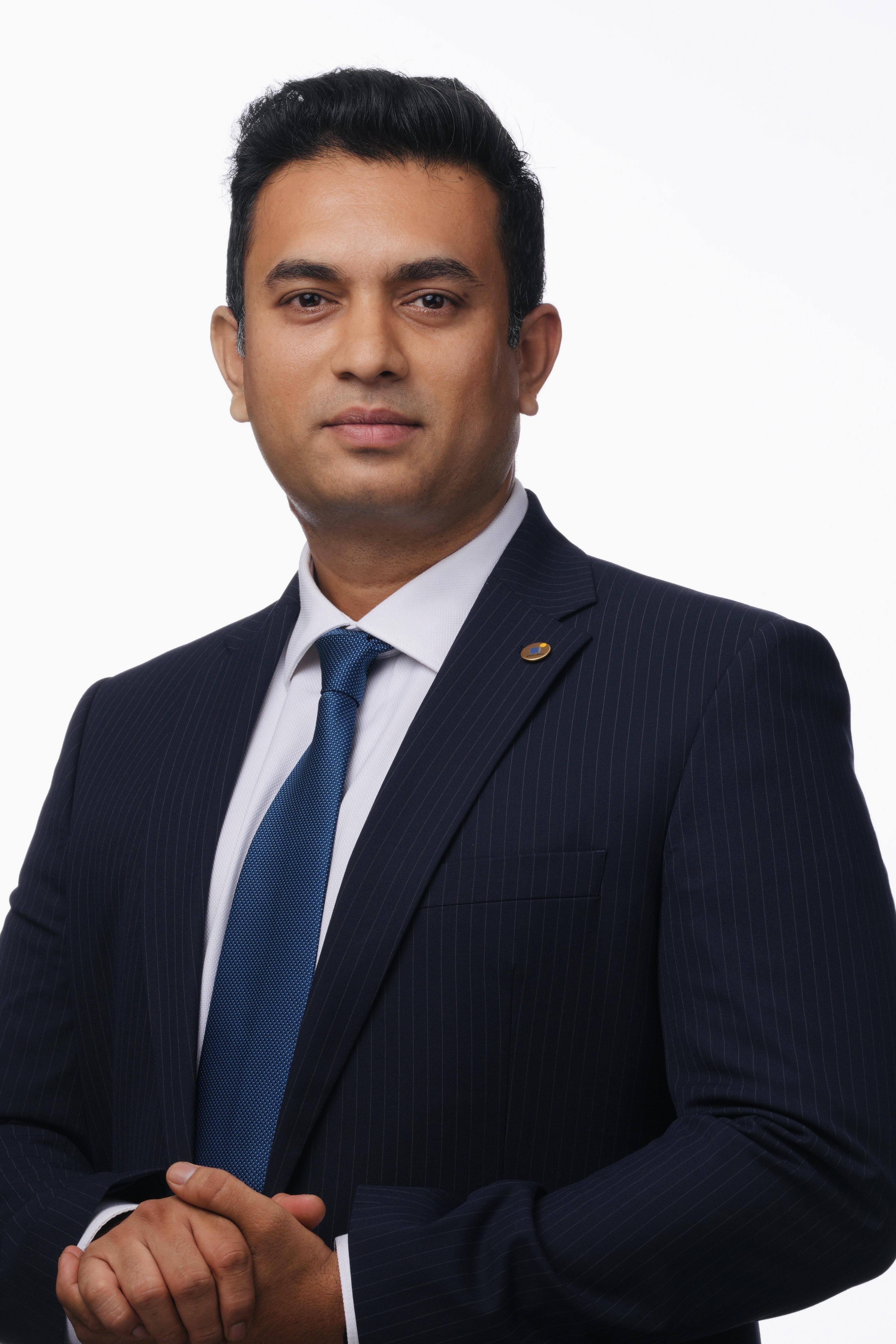
Rayan Aranha, Vice President, Brigade Hotel Ventures Limited
"Technology is a means to enhance hospitality, not define it. Today's traveller expects convenience, speed and personalization at every touchpoint, from discovering a destination to checking out after their stay. Digital tools and artificial intelligence give us the ability to better understand these evolving expectations and respond with greater efficiency and relevance. We must also keep in mind that hospitality will always remain a deeply human business.
A warm welcome, thoughtful service and genuine care cannot be automated. The real opportunity therefore lies in using technology to take care of routine processes so that focus can be more on creating memorable guest experiences and meaningful connections. Technology should be used to help us become more responsive, more sustainable and more intuitive, while preserving the essence of hospitality that guests continue to value most. As the tourism industry evolves, the future will belong to organisations that strike the right balance between digital innovation and human-centric service."
Hari Ganapathy, CEO & Co-Founder, Pickyourtrail
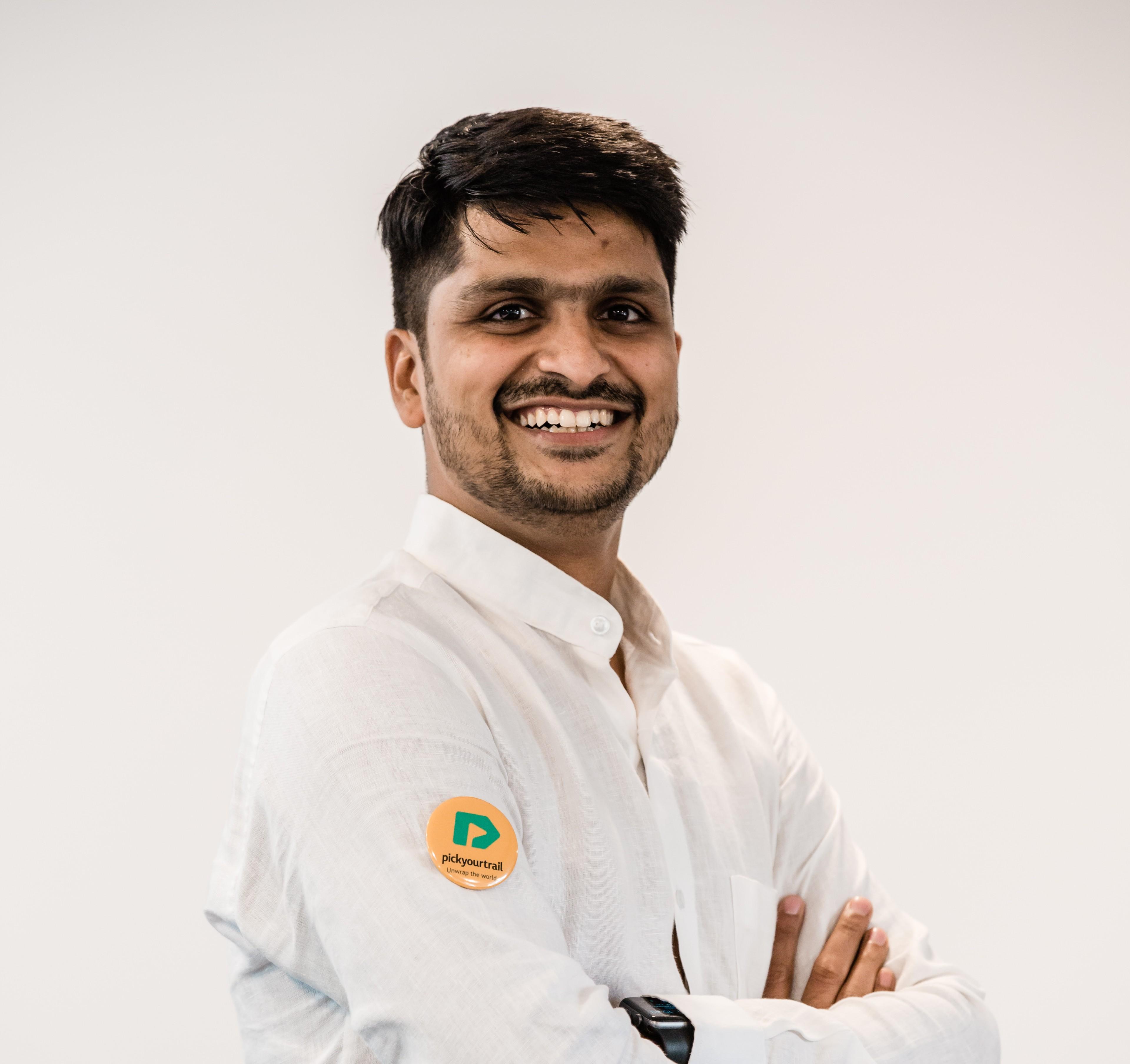
"Much of the conversation around AI in travel is focused on how it will change the product: better recommendations, smarter itineraries, more personalisation. I think its more fundamental impact will be on the economics of delivering all of that. AI will rewrite travel's P&L before it rewrites the holiday.
Travel has historically been difficult to scale because expertise takes years to build and servicing a single holiday can involve dozens of human interventions over several months. AI changes both. It allows destination knowledge to compound within a business, while taking away much of the coordination and repetitive work behind every trip. In a thin-margin industry, that fundamentally changes what it costs to deliver high-touch service at scale.
But that doesn't make the human less important. It changes where the human creates value. AI can compare, coordinate and increasingly execute, while the travel expert moves towards judgment, reassurance and accountability. That matters particularly in India, where an international holiday is often a honeymoon, a family's first trip to Europe or something someone has saved years to experience. The traveller doesn't just want an answer; they want someone to own that answer.
So when we talk about AI redesigning tourism, I think we should look beyond what changes on the traveller's screen. The bigger transformation may be underneath it: a fundamentally different operating model that allows the industry to deliver more expertise and attention to more travellers, without losing the human accountability that makes travel work.”
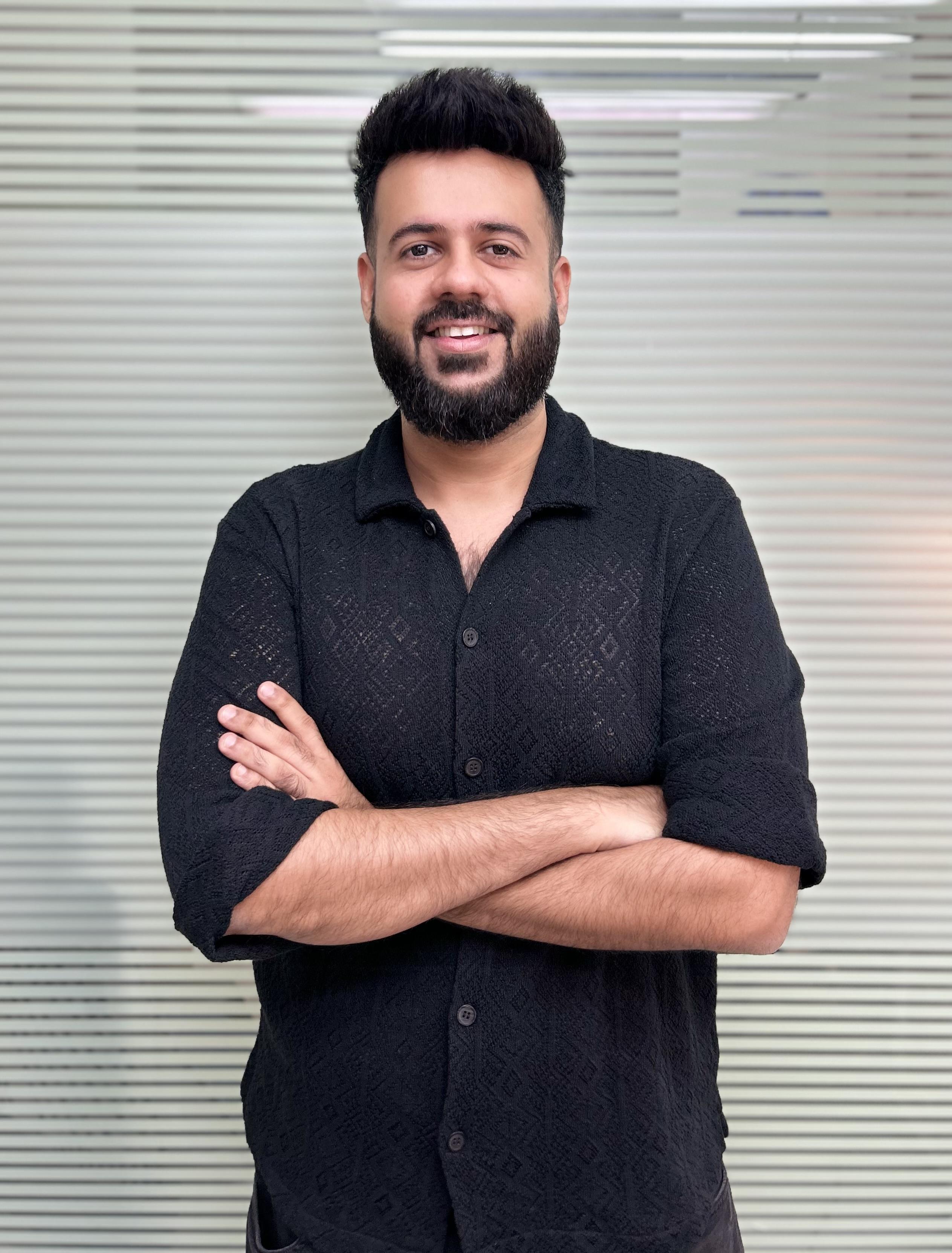
Sohail Mirchandani, Chief Operating Officer and Co Founder, EkoStay
“World Tourism Day this year is about how digital tools and AI can redesign travel, and for us that is not a theme, it is how we run the business every single day. But the bigger story in India right now is a simple one. Indians are travelling within the country at a scale we have never seen, and the supply of good places to stay has not kept pace.
As per NITI Aayog and the Ministry of Tourism's June 2026 report on unlocking growth in tourism and hospitality, India recorded 2.9 billion domestic tourist visits in 2024, well past the pre pandemic peak of 2.3 billion, while a typical hotel project still takes 36 to 48 months to go from approval to opening. The same report puts branded hotel inventory at under 8 percent of the country's total lodging rooms. That gap is where professionally managed homestays and villas come in.”
Renuka Natu, Founder, Africa with Renuka

"Technology can tell us where to go, but human experience tells us why, when and whether we should go. AI is transforming the way we discover the world, but it cannot replace the insight that comes from having experienced a destination firsthand.
When time is the ultimate luxury, travel is no longer just about finding the next place to visit; it is about making every journey count. Trends can influence what we discover, but human expertise helps us decide what is truly worth our time. In a world where every destination is merely a click away, true luxury lies in knowing which ones truly merit the journey."