

Alaska Air Group releases 2025 Impact Report & 2030 impact goals
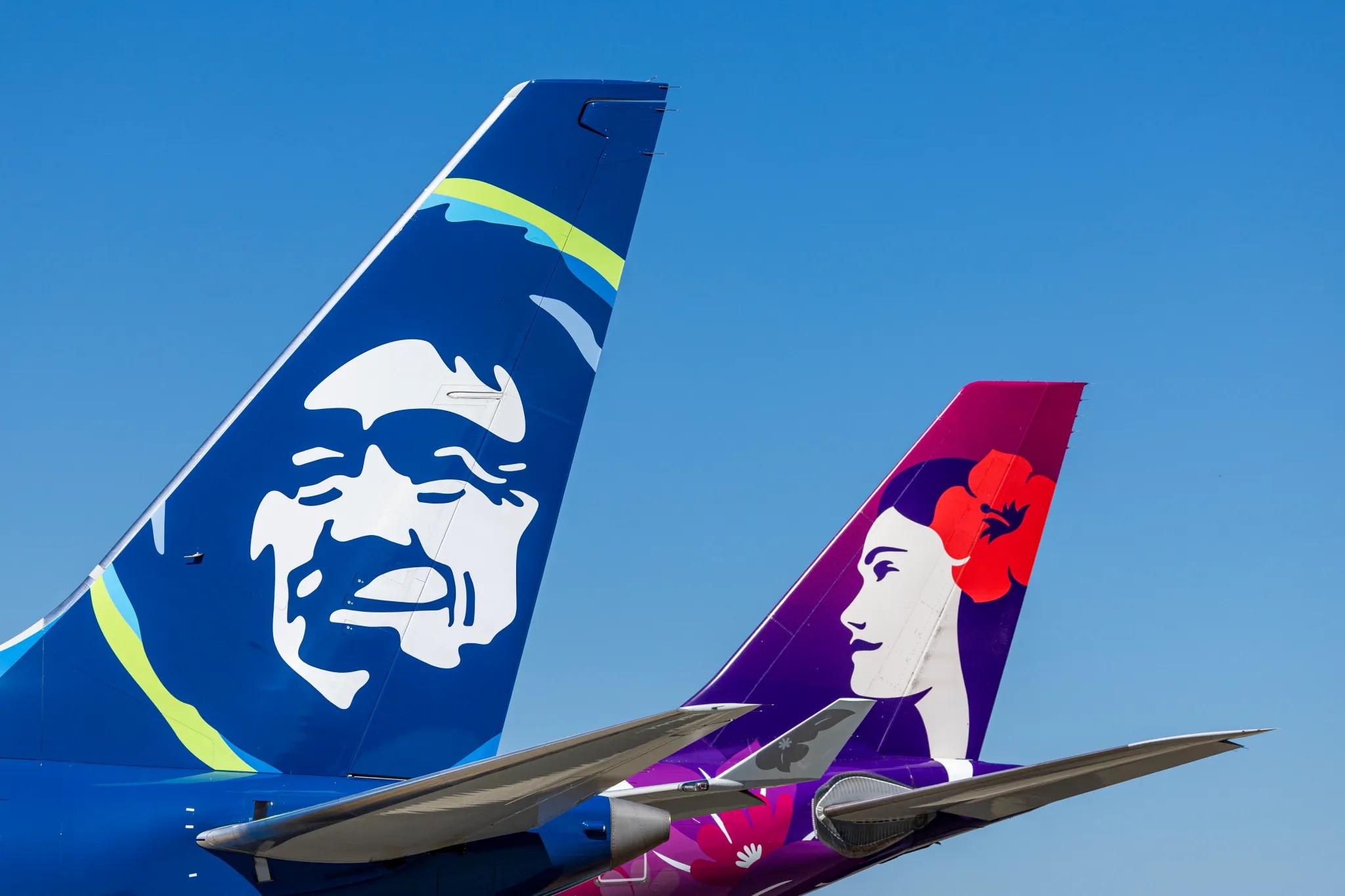 Representative Image (1)-3
New 2030 goals further unite Alaska Airlines, Hawaiian Airlines and Horizon Air under a shared impact framework.
Alaska Air Group released its 2025 Impact Report, establishing new 2030 impact goals that unify Alaska Airlines, Hawaiian Airlines and Horizon Air under a single sustainability strategy to become a more resilient global company while positively impacting its people, guests and communities.
“Across Alaska Airlines, Hawaiian Airlines and Horizon Air, our people have always understood that flying carries a responsibility — to the communities that rely on us, to the places that shape us and to the guests who trust us with their journeys. As we become a more global airline group, our responsibility grows too. Our unified 2030 impact goals build on the incredible progress of our teams and drive us to operate more sustainably and continue to uplift the communities we serve,” said Ryan Spies, Managing Director of Sustainability at Alaska Airlines and Hawaiian Airlines
The new five-year impact strategy comes during a pivotal period for the company, marked by major milestones in the Alaska-Hawaiian combination and significant investments in fleet, operations and guest experience. Key achievements over the past year include Alaska Airlines received a single operating certificate, enabling Alaska and Hawaiian to operate as two distinct brands under one company. Alaska and Hawaiian transitioned to a single passenger service system, improving the guest experience and providing employees with enhanced tools. Hawaiian joined the oneworld® alliance. The company made its largest fleet order, opened a new Global Training Center in Seattle and inaugurated international service to Europe. Alaska became a cornerstone investor in a new USD 150 million oneworld sustainable aviation fuel (SAF) investment fund in partnership with Breakthrough Energy Ventures. The company launched a USD 600 million‑plus Kahu‘ewai Hawai‘i Investment Plan to elevate the travel experience to, from and within the Hawaiian Islands.
In 2025, Alaska, Hawaiian and Horizon welcomed over 58 million guests on more than 543,000 flights. Amidst rapid growth and operational integration, Alaska achieved meaningful progress and obtained insight that enabled sustained momentum toward 2025 goals. Employees continued to view safety as a top priority, reflected in a 5% increase in safety reporting over the five-year period; aims to increase reporting by 10%.
Alaska remained the most fuel-efficient U.S. premium airline, saving more than 9.3 million gallons in 2025. It also reduced ground service equipment (GSE) fleet emissions average by nearly 50% from 2020 levels through electrification investments.
The carrier met its goals related to water stewardship and local sourcing, while its efforts toward waste reduction, recycling and inflight packaging remain underway as it navigates unique challenges of driving operational change at a global scale. In 2025, Alaska Air Group purchased nearly 11 million gallons of SAF — a 52% increase from 2024 — and more than 100,000 guests have contributed to SAF adoption since 2023.
Investments in privacy, cybersecurity, responsible public policy engagement and business resilience strengthened the foundation supporting our people, operations and stakeholders. Strong governance also helped navigate a period of significant transformation, reinforcing the value of investing in the systems, processes and safeguards that support long-term growth.
For more than 90 years, Alaska and Hawaiian have shared a mission to connect communities, support economic growth, innovate and care for the places they serve. As the combined organisation brings its unique brands of hospitality to more of the world, it will be guided by shared 2030 impact goals designed to accelerate progress and reflect its continued responsibility to guests, employees, communities and investors.
The 2030 impact goals include Reduce GHG emissions by 10-14% (MtCO₂e/1,000 RTM), inclusive of fuel efficiencies, fleet upgrades and SAF from our 2019 baseline; Enable the commercial‑scale delivery of blended SAF to Seattle-Tacoma International; Achieve 80% inflight recycling rate across Alaska and Horizon flights; Enhance recycling program aboard Hawaiian Airlines‑branded flights; Reduce Scope 2 emissions at facilities by 100%; Increase electric core GSE use to 60% across SEA/PDX/SFO/LAX/HNL; Develop and adopt an inflight sustainable sourcing policy that prioritizes products with credible third‑party certifications ; Sustain 40% local sourcing for Hawaiʻi‑originating onboard products on Hawaiian Airlines flights; Reduce or eliminate top five single‑use plastics (by weight) from Hawaiian Airlines flights; Balance 100% of our water consumption across AAG operations; Direct more than 50% of Alaska Star Ventures' investments in technology to reducing aviation emissions; Align with global United for Wildlife cargo standard and implement measures to prevent trafficking of illegal endangered species and illegal fishing; Update belonging index; Positively impact the career pathways of 250,000 youth; and Contribute 250,000 employee volunteer hours.