
90% of Hospitality CEOs see geopolitical instability as a major threat; 67% positive about 2027 growth: GHA
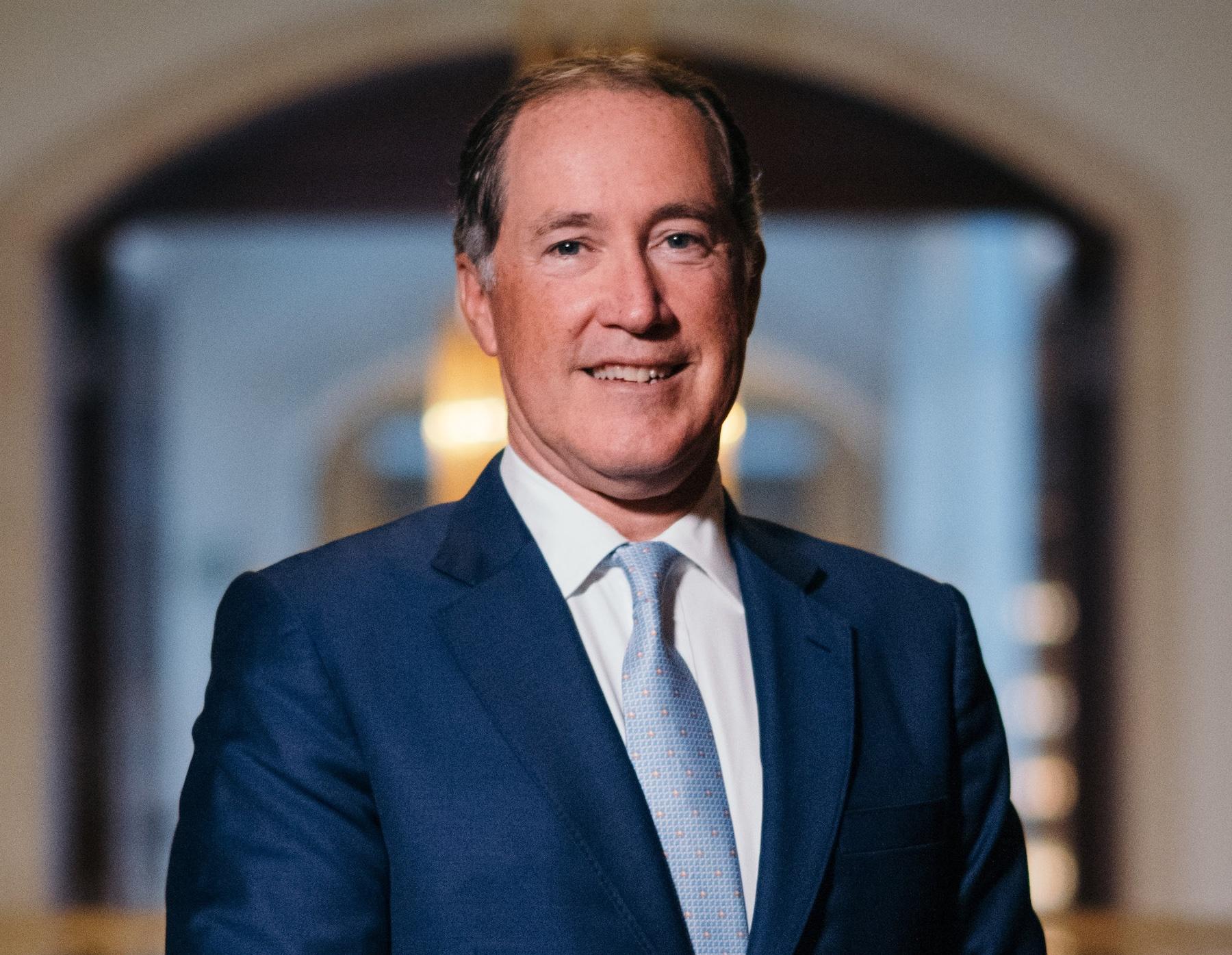 Chris Hartley CEO Global Hotel Alliance-1
Hospitality leaders navigate uncertainty as loyalty and AI reshape the future of hotel growth in the Global Hotel Alliance (GHA) annual report.
The latest survey of global hotel brand CEO sentiment by Global Hotel Alliance (GHA) explores the forces expected to shape the industry over the coming year and beyond. The annual report - Growth, Disruption and the Forces Reshaping Global Hospitality - which evaluated the responses of 30 CEOs globally, reveals an industry that is alert to significant external risks but remains confident in the resilience of global travel, while anticipating fundamental changes in how travellers discover, book and experience hotels.
Despite 90% of respondents identifying geopolitical instability and conflict as one of the biggest external challenges facing their businesses over the next five years, 67% remain optimistic about the global hospitality industry through 2027. Four in five expect like-for-like hotel revenues to increase next year, with 47% forecasting growth of 5% or more.
“We are operating in an uncertain geo-political environment but, as an industry, we have learned to stay agile and adapt to changing circumstances. And, most importantly, the travel community is proving more resilient, and so we remain optimistic,” said Chris Hartley, CEO of Global Hotel Alliance. “International travel demand is rising, particularly in the leisure segment, and the strength of our alliance – driven by our loyalty platform, GHA DISCOVERY – positions our brands to capitalise on this momentum, particularly as many emerging growth markets are yet to reach their full potential.”
Hartley moderated a panel discussion in London recently with Simon Naudi, Group CEO Corinthia Hotels, Gonzalo Aguilar, CEO of Minor Europe and the Americas and Choe Peng Sum, CEO Pan Pacific Hotels Group, who shared key insights on the topics explored in the report.
The findings of the CEO Outlook report point to a clear priority for hotel leaders: managing uncertainty while investing in the channels, markets and guest relationships that will underpin future growth.
International travel and emerging source markets drive growth expectations
International travel is expected to outperform domestic demand in 2027, according to 73% of respondents, while 90% anticipate an increase in international leisure travel. Eight in ten also expect “bleisure” travel – combining business trips with leisure time – to increase.
The United States remains the market most widely expected to drive international growth, cited by 53% of CEOs. India follows closely at 50%, ahead of China and the United Kingdom (both 40%), the Middle East (37%) and Southeast Asia (30%).
India’s position is particularly striking. Its rapid economic growth and expanding outbound travel market are giving the country an increasingly important role in global tourism, a shift clearly reflected in CEOs’ expectations for the next 18 months.
“The US accounts for around one-third of our customers and will continue to be a key market for Corinthia,” said Simon Naudi, Group CEO Corinthia Hotels. “At the same time, we see significant growth opportunities in Asia, particularly in India and China, where rising numbers of affluent travellers are looking to Europe as a destination.”
Regional differences point to increasingly diverse demand patterns. Among Asia-Pacific operators, India and Southeast Asia are leading expected source markets, both cited by 64% of respondents, followed by China at 55%. In Europe, the United States leads at 77%, while operators in the Middle East and Africa identify India and the United Kingdom as their leading international growth markets, both at 56%.
AI assistants expected to have the greatest influence on hotel bookings
Another notable finding concerns the future of hotel distribution. By 2030, 87% of surveyed CEOs expect AI assistants to be among the most influential hotel-booking channels, ahead of hotel brand websites and apps (50%), loyalty platforms (47%) and online travel agencies (OTAs) (30%). Traditional search is cited by just 10%.
“Our brand CEOs expect hotel-owned digital channels and loyalty platforms to carry considerably more influence than OTAs by 2030. That suggests direct channels could become even more important in converting AI-driven discovery into bookings and building a relationship with guests beyond the initial transaction”, added Hartley.
The shift could fundamentally change how travellers discover and select accommodation, raising important questions about visibility, customer acquisition and who ultimately owns the guest relationship as AI becomes more integrated into travel planning.
“Technology, including AI, gives us the opportunity to take repetitive tasks away from our teams and allow them to focus on what matters most: looking after our guests. Ultimately, hospitality is about service and human connection. The hotels that use technology to make the guest experience more seamless while giving their teams more time to deliver personalised service will be best positioned for the future,” said Gonzalo Aguilar, CEO Minor Europe and The Americas.
The impact of AI is expected to extend well beyond distribution. Marketing and personalisation is the area where CEOs most expect AI to have an impact (73%), followed by revenue management (67%), distribution (60%) and internal productivity (60%). Overall, 90% believe AI will either fundamentally reshape hospitality or have a positive impact on the industry.
However, technology is not expected to replace the fundamentals of travel choice. Destination and location remain the most widely cited influence on hotel booking decisions in 2030 (70%), closely followed by AI recommendations (67%) and experiences and events (63%).
For hotel operators, the findings highlight the importance of combining digital visibility with compelling destinations, distinctive experiences and effective direct-booking strategies.
Loyalty moves from marketing tool to strategic growth driver
Alongside AI and international demand, loyalty and direct customer relationships emerge as a central commercial opportunity for independent hotel brands.
83% of CEOs describe loyalty as critical or very important to driving revenue growth over the next three years. Looking further ahead, 67% identify loyalty and direct customer relationships as one of the biggest opportunities for independent hotel brands over the next five years - ahead of every other option in the survey.
When asked what will distinguish the most successful hotel loyalty programmes by 2030, 70% point to recognition of membership and status, followed by personalisation (57%) and rewards (47%).
“Loyalty is the best way to look after your customers. When they choose to come back, it shows that they value the experience you have created for them. That, ultimately, is what loyalty is all about,” said Choe Peng Sum, CEO of Pan Pacific Hotels Group.
The findings state that loyalty is increasingly about more than points or incentives. As AI transforms travel discovery and booking, the ability to recognise guests, understand their preferences and maintain relationships beyond individual transactions could become an increasingly important source of competitive advantage.